The Future of Live Music: How Streaming Platforms Are Transforming Music Creation and Performance
The Evolution of Music in the Digital Age
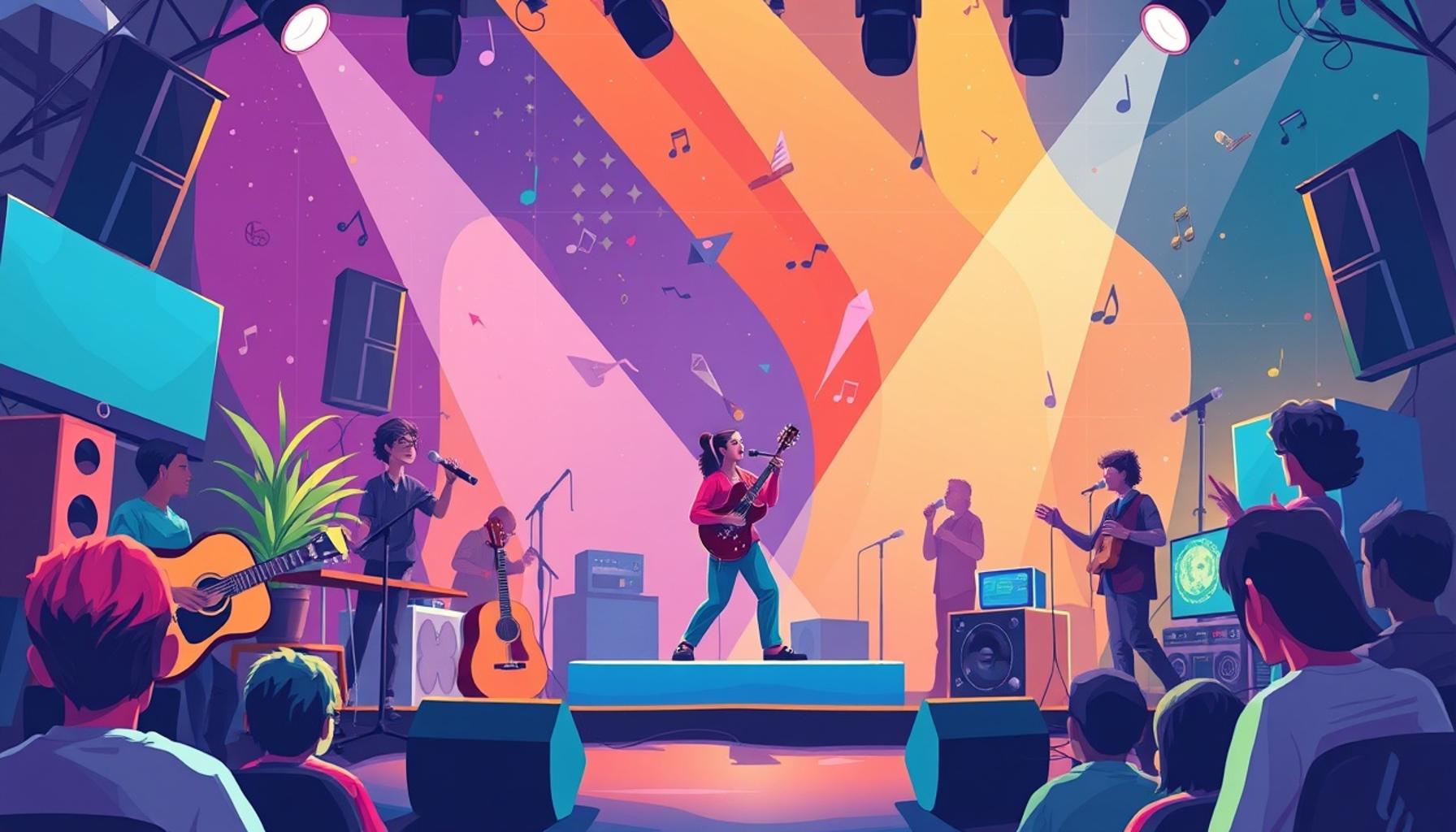
The landscape of live music is shifting dramatically as streaming platforms revolutionize both music creation and performance. From aspiring artists to established stars, everyone is adapting to this new paradigm. With the digital era enhancing accessibility, the performance experience is evolving in ways that were previously unimaginable. The rise of technology has brought forth not only new ways to consume music but has also profoundly impacted how artists connect with their fans and how they showcase their talents.
Key Transformations in Live Music
- Virtual Concerts: Popularized during the pandemic, platforms like Instagram Live and Twitch have enabled artists to reach audiences worldwide without geographical constraints. During 2020, major artists like Travis Scott and Billie Eilish held virtual concerts that attracted millions of viewers, effectively bringing the concert experience into homes. This shift not only broadened their audience but also brought about innovative ways to monetize such experiences through ticket sales and exclusive merchandise.
- Collaborative Tools: Musicians are increasingly utilizing cloud-based software such as Ableton Live, Google Drive, and Soundtrap to create and produce music together, regardless of geographical barriers. This has led to exciting collaborations, with artists from different backgrounds and regions blending their styles. For instance, remote collaboration resulted in tracks like “Despacito,” where co-producers from different countries worked together to create a global hit without being in the same studio.
- Enhanced Fan Engagement: Live streaming allows for real-time interaction between artists and fans, creating a sense of community that wasn’t present in traditional concerts. Platforms enable artists to respond to comments, take song requests, and even offer behind-the-scenes glimpses. For example, known artists like Chance the Rapper frequently engage with their audience during live streams, fostering a deeper connection that can translate into loyal fanbases.
Moreover, the rise of music streaming services, such as Spotify and Apple Music, has altered how we consume music. With millions of songs available at the touch of a button, listeners can curate personal playlists instead of relying on traditional albums or radio play. This accessibility has prompted artists to rethink their promotional strategies, often leading to the release of singles or EPs rather than complete albums to maintain listener interest. Emerging trends signal profound implications for music industries, as this new wave of digital distribution reshapes income models for artists, challenging them to adapt to a pay-per-stream business environment.
As we explore the intersections of technology and creativity, it becomes evident that the future of live music is not just about the songs played but the transformative experiences offered to fans. The intricate tapestry of live events is evolving, making way for inclusive and interactive performances that were previously unimaginable, presenting a unique opportunity for fans and artists alike to bond over shared musical moments. Understanding these dynamics is essential for anyone interested in the music scene today, as they paint a picture of a rapidly changing industry ripe with possibilities.
Revolutionizing the Concert Experience
The advent of streaming platforms has ushered in a new era for live music, drastically altering how audiences experience concerts. Historically, live performances were concentrated in physical venues, often limiting access to those who could afford tickets or travel long distances. However, as technology advances, the notion of a concert is rapidly expanding beyond traditional boundaries. Today, streaming services are breaking down barriers and fostering inclusivity in ways previously thought impossible.
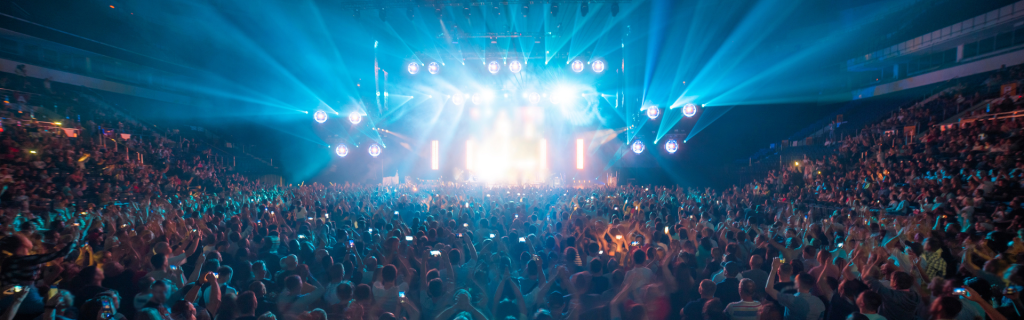
One of the most notable transformations lies in the emergence of hybrid concerts. These events blend the physical and digital worlds, allowing artists to perform live in front of a select audience while simultaneously streaming the performance to millions across the globe. A prime example is the recent rise in multi-platform live streams. Musicians can now collaborate with popular streaming platforms to broadcast their performances, creating immersive experiences that captivate both in-person attendees and virtual viewers. This innovation not only democratizes access to live music but also enhances revenue streams for artists, with tiered ticket pricing and branded merchandise tailored for different audiences.
As virtual platforms continue to gain traction, the role of social media in promoting these live events cannot be overstated. Artists leverage platforms like TikTok, Instagram, and Twitter to generate buzz and countdowns leading to their streams. Engaging content, such as behind-the-scenes footage and teaser performances, helps to build anticipation and connection with fans. This enhanced interaction not only cultivates loyalty but also allows artists to gain deeper insights into what their fans enjoy most—further shaping their creative output.
Innovative Formats and Experiences
The format of concerts is evolving, with artists experimenting with various innovative styles and themes that blend art with technology. Some of the exciting developments in the realm of live music include:
- Augmented Reality (AR) and Virtual Reality (VR): These technologies have the potential to transform concerts into fully immersive experiences. Fans can engage with digital avatars of their favorite artists or explore virtual renditions of iconic venues.
- Interactive Concerts: Some platforms are now offering viewers the chance to influence the setlist through votes during the live stream, further personalizing the experience and fostering a community atmosphere.
- Geolocational Features: Apps and services are integrating geolocational data to improve the concert experience, offering fans tailored content based on their location, thus bridging the gap between in-person and virtual attendees.
Through these innovative approaches, concerts are no longer confined to a single moment in time. Instead, they become part of a larger narrative that can be expanded upon and revisited long after the event has concluded. As these experiential formats gain traction, it is evident that the future of live music will be defined not only by the sonic performances but also by the comprehensive and participatory experiences that connect artists and audiences on multiple levels.
The Future of Live Music: How Streaming Platforms Are Transforming Music Creation and Performance
As we delve deeper into the realms of the digital music landscape, the impact of streaming platforms on live music is becoming increasingly profound. These platforms have not only redefined how music is consumed but have also revolutionized the creation and performance of music itself.Streaming services like Spotify, Apple Music, and Tidal provide artists with an unprecedented opportunity to reach global audiences without the constraints of traditional distribution channels. This shift enables musicians to experiment with their sound and discover niche markets that were previously inaccessible. An artist in a small town can gain international recognition almost overnight, thanks to the viral potential of social media integration with streaming.Furthermore, the rise of virtual concerts and live-stream performances has transformed how audiences engage with their favorite artists. Platforms like Twitch, Instagram Live, and YouTube allow musicians to perform live from the comfort of their homes, reaching fans directly. This direct connection fosters a sense of community and intimacy that traditional concerts often struggle to replicate. During the pandemic, many artists took to these platforms to keep their fans engaged, offering unique experiences like Q&A sessions, behind-the-scenes looks, and even interactive performances.One of the most exciting developments is the emergence of augmented reality (AR) and virtual reality (VR) in live music performances. Artists can create immersive experiences that transport fans into entirely new worlds. Imagine attending a concert where the stage scenery changes with the rhythm of the music, or where you can “walk” around your favorite band’s virtual environment. As technology continues to advance, the possibilities for live music experiences are virtually limitless.However, these shifts do not come without challenges. Issues surrounding artist compensation and copyright in the streaming world remain hotly debated. While streaming platforms provide a broader reach, many artists argue that the revenue generated from streams is significantly lower compared to traditional album sales and concert tickets. This complexity raises questions about sustainability and the long-term viability of a system heavily reliant on streaming services.As we move forward, it’s crucial for industry stakeholders—including artists, managers, and streaming platforms—to collaboratively explore solutions that balance profitability with fair compensation for creators. The music industry stands on the brink of a new era, where innovation, technology, and artistry intersect in ways we have yet to fully imagine.To better understand how streaming platforms are reshaping the live music scene, let’s look at some advantages they offer:
| Category | Description |
|---|---|
| Global Reach | Allows artists to connect with a wider audience from different regions. |
| Interactive Experiences | Platforms enable musicians to engage with fans through Q&A sessions and live chats. |
The integration of technology and streaming platforms into the live music experience offers exciting prospects for both artists and audiences, encouraging us to explore what the future holds in this ever-evolving landscape.
Empowering Artists and Expanding Creativity
As streaming platforms continue to redefine live music, they are also reshaping the creative landscape for artists. No longer reliant solely on traditional record labels or concert promoters, musicians are now afforded unprecedented control over their music distribution and performance strategies. These platforms have become invaluable tools for artists seeking to connect with audiences and promote their work in innovative ways.
A significant development is the rise of direct-to-fan platforms. Services like Patreon and Bandcamp enable artists to monetize their music and performances by offering exclusive content and experiences directly to their fan base. This shift not only allows musicians to support themselves economically but also to curate their artistic vision without external constraints. Notably, artists can offer tiered subscriptions that range from behind-the-scenes content to personalized experiences, such as virtual meet-and-greets or private concerts. This model empowers artists to engage with their fanbase more intimately, fostering a sense of community and loyalty that further strengthens their brand.
Furthermore, streaming platforms have democratized the music creation process. Tools such as DAWs (Digital Audio Workstations) and user-friendly applications enable artists of all skill levels to produce high-quality music from the comfort of their homes. This has resulted in a surge of independent creators who contribute diverse sounds and perspectives, enriching the musical landscape. As a result, genres are blending like never before, with artists experimenting and creating new sounds that resonate with audiences across various cultures and demographics.
The Role of Data in Shaping Live Performances
Another pivotal aspect of this evolution is the way streaming platforms harness data analytics to inform and enhance live performances. Artists and promoters are now utilizing metrics on listener habits, regional popularity, and demographic insights to tailor their shows. For instance, platforms like Spotify and Apple Music provide musicians with tools to analyze which songs are most popular in different areas, allowing them to craft setlists that resonate with each audience. This data-driven approach not only optimizes the concert experience but also maximizes ticket sales and merchandise revenue.
- Predictive Analytics: By leveraging historical data, artists can predict trends and identify emerging fan bases, enabling them to plan tours that are more likely to succeed.
- Audience Engagement: Artists are increasingly incorporating real-time feedback during concerts, such as integrating song requests via social media or interactive apps, making fans feel like active participants in the experience.
- Customized Streaming Experiences: Streaming platforms are developing personalized concert experiences by creating algorithms that deliver tailored content based on individual preferences, further enhancing the connection between artist and listener.
As streaming technology evolves, it’s clear that the interplay between data, creativity, and audience engagement will be central to shaping the future of live music. The transformation we are witnessing is profound, as artists not only leverage these tools to elevate their work but also to build meaningful connections within an ever-expanding global music community.
Charting New Horizons in Live Music
As we reflect on the ongoing transformation of live music, it is evident that streaming platforms are not merely reshaping performance venues and ticket sales; they are revolutionizing the entire music ecosystem. With artists empowered to take control of their careers and directly engage with their audiences, we are witnessing the democratization of music creation and distribution like never before. The emergence of direct-to-fan platforms has facilitated deeper connections between musicians and their patrons, cultivating communities that support and celebrate individuality.
The impact of data analytics on live performances cannot be overstated. Artists’ ability to tailor their shows based on audience insights enhances both the concert experience and their operational strategies. This data-driven approach ensures a resonant and personalized interaction with fans, thus setting the stage for successful tours and memorable live events.
As we look to the future, it is crucial for both emerging and seasoned artists to harness these tools effectively. The blending of genres, the rise of independent creators, and the integration of technology into the creative process will play pivotal roles in defining the soundscape of tomorrow. Furthermore, the exploration of new formats, such as virtual performances and immersive experiences, offers exciting possibilities for audiences everywhere.
Ultimately, the future of live music, shaped by the innovations of streaming platforms, is filled with potential. As artists and fans navigate this evolving landscape together, one thing becomes clear: the connection forged through music remains as powerful as ever, promising an exciting era for live performances around the world.