Fun Gardening Activities for Kids: Teaching About Nature and Responsibility
The Benefits of Gardening for Children
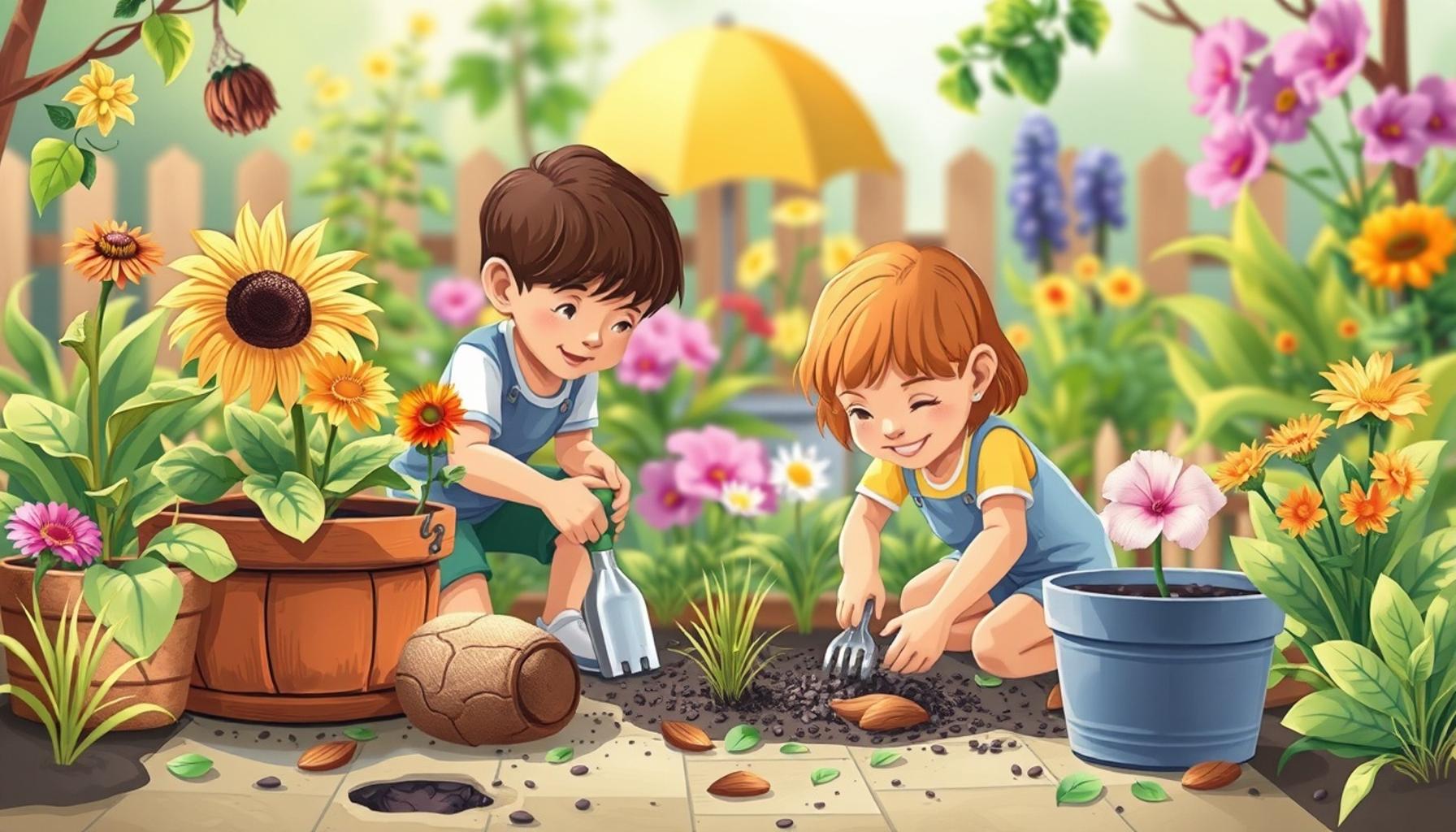
Engaging children in gardening can spark a lifelong passion for nature. As they dig, plant, and nurture their creations, they learn invaluable lessons about the environment and their role within it. Here are some compelling reasons to start gardening with kids:
- Hands-On Learning: Gardening allows children to experience biological processes firsthand, witnessing growth from seed to harvest. For example, they can plant fast-growing seeds, like radishes or sunflowers, and observe how these seeds transform into robust plants. This experiential learning can foster curiosity and encourage them to ask questions about various life cycles.
- Responsibility: Maintaining a garden teaches children the importance of care and commitment in nurturing living things. Assigning tasks, such as watering plants or pulling weeds, instills a sense of ownership and achievement. Children can learn to track their plants’ needs and take responsibility for their well-being, thus developing essential life skills.
- Creativity: Designing a garden encourages artistic expression, where kids can choose colors, shapes, and layouts. They may experiment with creating patterns using different colored flowers or designing a themed garden, such as a butterfly garden or a sensory garden filled with fragrant plants and textured leaves. This creative aspect can make gardening a fun activity that blends art with nature.
- Physical Activity: Gardening is a fun way to stay active while improving fine motor skills. Digging, planting, and pruning engage children physically, helping them build strength and coordination. Activities like raking leaves or carrying watering cans can also provide an excellent workout without it feeling like exercise.
- Environmental Awareness: Kids learn about ecosystems, plant biology, and sustainable practices, fostering a sense of stewardship. By introducing concepts such as composting, organic gardening, and the importance of pollinators, children begin to understand their connection to nature and the impact of their actions on the environment.
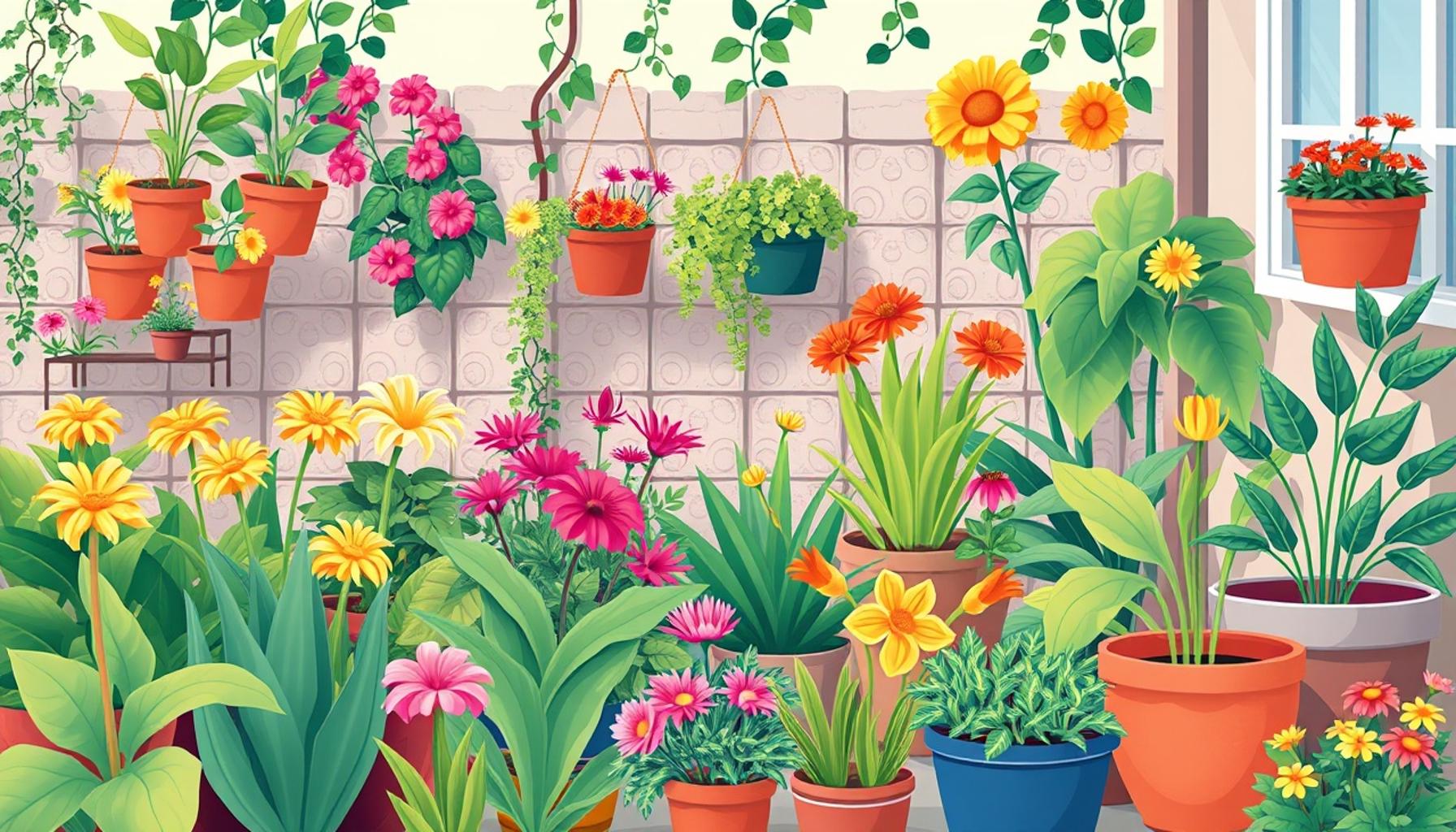
Starting with simple projects can make gardening accessible and enjoyable. For instance, container gardens or raised beds are perfect for small spaces. Container gardens can be made with old buckets, pots, or even repurposed wooden pallets, allowing kids to experiment with growing herbs or flowers right on their balconies or patios. Watching seeds sprout or colorful flowers bloom can be a magical experience for young ones, instilling wonder and a deeper appreciation for life.
Moreover, gardening can also facilitate family bonding time. Parents and children working together can create memorable moments while cultivating important life skills. As you embark on this gardening journey, you’ll discover not just the beauty of nature but the rewards of responsibility. Whether it’s discussing plans for next season’s crops or enjoying a picnic in your flourishing garden, these shared experiences can enhance family relationships, fostering teamwork and cooperation.
In the heart of the United States, community gardens have blossomed in urban and suburban areas alike. Joining a local community garden initiative can also provide opportunities for children to meet peers and learn from other gardening enthusiasts. These collaborative efforts enrich their understanding of teamwork and make them feel part of something greater.
In conclusion, gardening is not merely about the act of planting but an enriching experience that nurtures a variety of skills and values in children. So, gather your gardening tools, prepare the soil, and allow the seeds of knowledge and appreciation for nature to flourish!
Engaging Activities to Spark a Love for Gardening
Gardening is not just an educational tool, but a canvas for creativity and exploration. Here are some fun gardening activities for kids that can bring both joy and critical life lessons:
- Seed Starting: Begin by setting up a seed-starting station. Provide children with a variety of seeds, such as carrots, tomatoes, or marigolds, and some biodegradable pots filled with soil. Kids can learn about the importance of temperature and moisture as they tend to their seedlings, fostering patience and responsibility as they wait for growth.
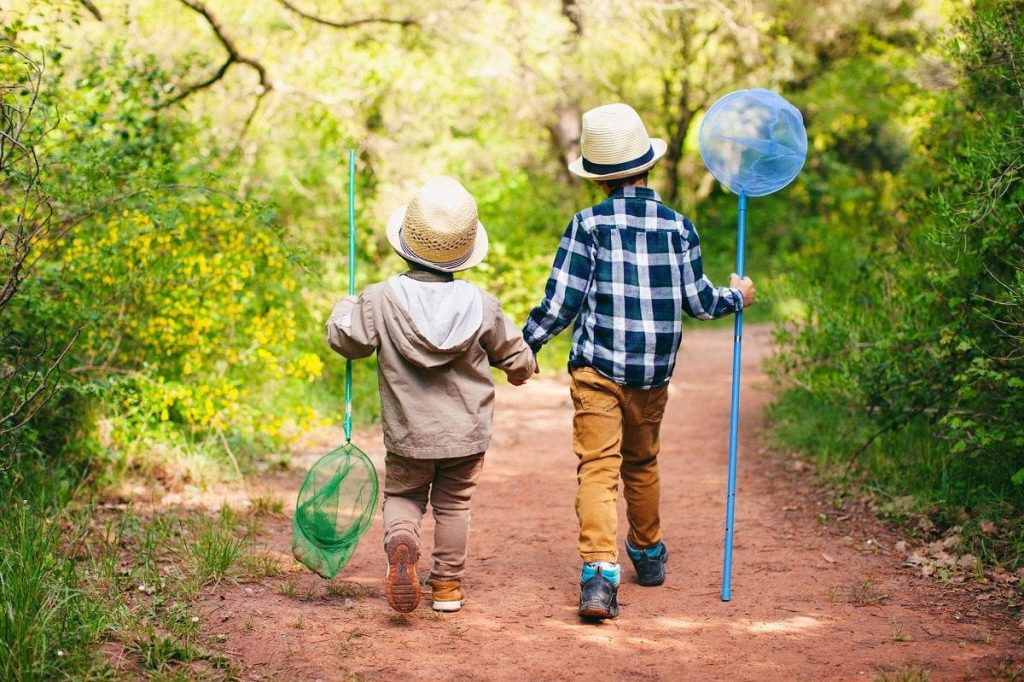
- Garden Scavenger Hunt: Create a scavenger hunt to make exploring the garden exciting. Prepare a list of items for children to find, such as specific leaves, flowers, or signs of wildlife like ladybugs or butterflies. This interactive activity strengthens observational skills and deepens their connection to the natural world.
- Crafting Garden Markers: Encourage creativity by having kids make their own garden markers. Simple materials like stones, popsicle sticks, or upcycled plastic can be transformed into personalized labels for their plants. This not only beautifies the garden but also helps them remember what varieties they planted, promoting ownership in their gardening journey.
- Butterfly and Pollinator Gardens: Teach children about the vital role of pollinators by creating a butterfly garden. Involve them in selecting pollinator-friendly plants like lavender, zinnias, or coneflowers. As they plant and care for these flowers, they will learn about ecosystems and the importance of biodiversity, nurturing a sense of environmental stewardship.
- Composting Project: Introduce the concept of composting by starting a small composting project at home. Children can gather kitchen scraps and yard waste under supervision, learning about waste reduction and how organic materials break down over time. This hands-on experience teaches the importance of sustainability and how to care for the earth.
These activities do more than introduce gardening; they foster essential skills such as teamwork, communication, and problem-solving. When children work alongside parents or peers, they engage in discussions, share ideas, and collaboratively solve challenges, strengthening their social skills.
Children not only gain knowledge about plants and ecosystems but also learn the significance of patience, hard work, and the joy of reaping what they sow. Each garden project can lead to conversations about nutrition, where kids learn to appreciate the fruits of their labor—quite literally—by enjoying the produce of their hard work.
Moreover, gardening isn’t limited to traditional homes with backyards. Urban gardening initiatives and rooftop gardens have emerged in cities across the United States, making it possible for children in urban areas to participate in these enriching activities. Local programs can help them connect with the community while fostering a love of nature.
Ultimately, engaging in these fun gardening activities not only transforms children into budding botanists but also instills a sense of responsibility and respect for living things, ensuring they grow into conscientious stewards of the planet. Ready to dig in? Grab your tools and let the adventures begin!
Understanding the Benefits of Gardening for Kids
Engaging children in gardening activities is not merely about planting seeds; it is about instilling a sense of responsibility and connection to nature. The hands-on experiences allow kids to observe the growth cycle, from sowing seeds to harvesting fruits and vegetables. This interaction with the environment fosters appreciation and respect for living things, encouraging sustainable practices in the future. Moreover, gardening serves as a practical classroom that teaches critical life skills. Children learn to follow instructions, work as part of a team, and develop patience as they wait for their plants to grow. These are essential traits that carry over into other aspects of their lives, preparing them to tackle challenges and learn from mistakes. The act of nurturing plants also promotes mental well-being. Spending time outdoors provides physical exercise and a break from digital distractions. Gardening can significantly reduce stress and anxiety levels in children, making it an excellent activity for overall emotional health. In your journey of integrating fun gardening activities into your children’s routines, consider their interests and preferences. Whether it’s growing flowers, herbs, or vegetables, each activity is a stepping stone towards understanding the natural world and fostering responsibility.
| Category 1 | Category 2 |
|---|---|
| Learning Opportunities | Gardening teaches kids biology, ecology, and environmental science. |
| Life Skills | Children develop responsibility, patience, and teamwork through gardening. |
By incorporating these fun gardening activities into daily life, parents can help shape future stewards of the environment, all while making priceless memories with their children. Learning about nature and responsibility never been more rewarding!
Building Lifelong Skills Through Gardening
Gardening is an effective gateway to a world of education beyond just the basics of planting and watering. It invites children to embrace science, math, and ecology, all while fostering a love of nature. Below are additional engaging activities that can deepen their knowledge and skills:
- Garden Journal: Encourage kids to keep a garden journal where they can document their gardening adventures. They can jot down observations about plant growth, weather conditions, and the various creatures they encounter. This activity not only hones writing and observation skills but also nurtures a sense of personal history as they reflect on their progress.
- Vegetable Tasting Party: After planting and nurturing vegetables, celebrate by hosting a tasting party. Involve children in the preparation of dishes using their homegrown produce. This experience teaches them about nutrition, cooking basics, and the farm-to-table concept, amplifying their appreciation for fresh food and healthy eating habits.
- Nature Art Projects: Combine nature and creativity by having kids create art projects using materials sourced from the garden. Whether it be leaf prints, flower crowns, or natural dyes, kids can unleash their artistic abilities while learning about the plants they use. This not only reinforces their connection to nature but amplifies their creative thinking.
- Gardening Challenges: Set up gardening challenges, such as growing the tallest sunflower or the biggest pumpkin. Challenges add a layer of friendly competition and excitement. They encourage children to research optimal growing conditions, utilize problem-solving skills, and celebrate achievements, large or small.
- Rainwater Harvesting: Teach children about conservation through a rainwater harvesting project. Create a simple rain barrel system together and explain its benefits for the garden. This practical activity instills the importance of water conservation and resource management, emphasizing sustainable gardening practices.
These dynamic experiences transform gardening from a simple hobby into an interdisciplinary platform for learning. As children engage with the process, they develop critical thinking skills as they observe plant health and discover solutions to various challenges. This amalgamation of fun and responsibility creates a sense of ownership and pride in their work.
Moreover, research has shown that kids who engage in gardening activities have improved mental health, better emotional regulation, and enhanced self-esteem. According to studies conducted by the American Horticultural Therapy Association, gardening activities reduce feelings of anxiety and increase physical activity levels, making it not only a rewarding but also a holistic developmental tool.
In California, for example, various schools have integrated garden-based education programs fostering hands-on experiences in planting, nurturing, and harvesting. These programs are not just about growing food; they promote environmental awareness and a strong sense of community, rallying students around shared goals. Counting the benefits, it becomes clear that gardening can cultivate not only green thumbs but also a greener future.
As more families turn to gardening, particularly in urban settings where space can be limited, vertical gardens and container gardening offer innovative avenues to engage kids. In doing so, they learn to adapt within constraints, showcasing resilience and creativity. Gardening, therefore, becomes a profound tool for teaching children adaptability in an ever-changing world.
Conclusion
Incorporating fun gardening activities into children’s lives opens a gateway to not just learning about nature, but also instills invaluable lessons in responsibility and teamwork. By engaging in hands-on tasks such as maintaining a garden journal or participating in a vegetable tasting party, children gain practical knowledge of the environment while developing critical life skills. These activities cultivate an appreciation for the natural world, encouraging organic connections that last a lifetime.
Furthermore, the mental health benefits linked to gardening activities cannot be overlooked. Children experience a boost in self-esteem, reduced anxiety, and improved emotional regulation, as demonstrated by research from the American Horticultural Therapy Association. As they nurture life through gardening, they simultaneously cultivate a sense of achievement and purpose.
As families and educators embrace innovative gardening solutions like vertical and container gardens, the adaptability of children becomes apparent. These experiences teach them about sustainable practices, resource management, and the joys of fresh produce, fostering a sense of community and environmental stewardship.
Ultimately, fun gardening activities for kids are a powerful tool for nurturing not only green thumbs but also responsible and eco-conscious future citizens. By tapping into the natural curiosity of children, we lay the groundwork for a generation that values nature, promotes health, and practices sustainability. The lessons learned in the garden today will undoubtedly yield a greener and more vibrant tomorrow.