Craft Making as Therapy: Emotional and Mental Benefits of Creating with Your Hands
The Healing Journey through Crafting
As the demands of modern society relentlessly push individuals toward a state of perpetual busyness, the search for effective stress relief has become paramount. One unexpected yet remarkably effective outlet is craft making as therapy. This engaging practice not only nurtures creativity but also brings with it a variety of emotional and psychological benefits that can significantly enhance overall well-being.
The relationship between crafting and mental health is both intriguing and profound, revealing a tapestry of benefits that can improve quality of life. One primary advantage is stress reduction. Studies have shown that engaging in hands-on activities can significantly lower cortisol levels, soothing the nervous system. For example, a 2016 study published in the Journal of Neuropsychiatry observed participants who knitted regularly reported lower stress levels and improved mental clarity.
Another compelling aspect is the enhanced focus that comes with crafting. Activities such as pottery, sewing, or even model building demand attention and concentration, which can facilitate a state of mindfulness. This mental state draws individuals away from their daily anxieties, fostering a serene mental space where creativity can flourish. As a result, many find that they can handle life’s pressures more effectively after crafting sessions.
Furthermore, the act of creating can result in a natural boost to overall well-being through improved mood. Crafting activities trigger the brain’s reward system, releasing dopamine—often referred to as the “feel-good” neurotransmitter. Whether you’re designing jewelry or painting landscapes, the satisfaction derived from completing a project can lead to profound feelings of joy and accomplishment.
This creative outlet also offers opportunities for social connections. The rise of crafting groups and workshops has made it possible for individuals to engage with others who share similar interests. These gatherings can combat feelings of loneliness, an all-too-common experience in today’s digital age where meaningful face-to-face interactions are often lacking. A survey by the Craft Yarn Council highlighted that nearly 60% of respondents feel more confident and supported when crafting with others.
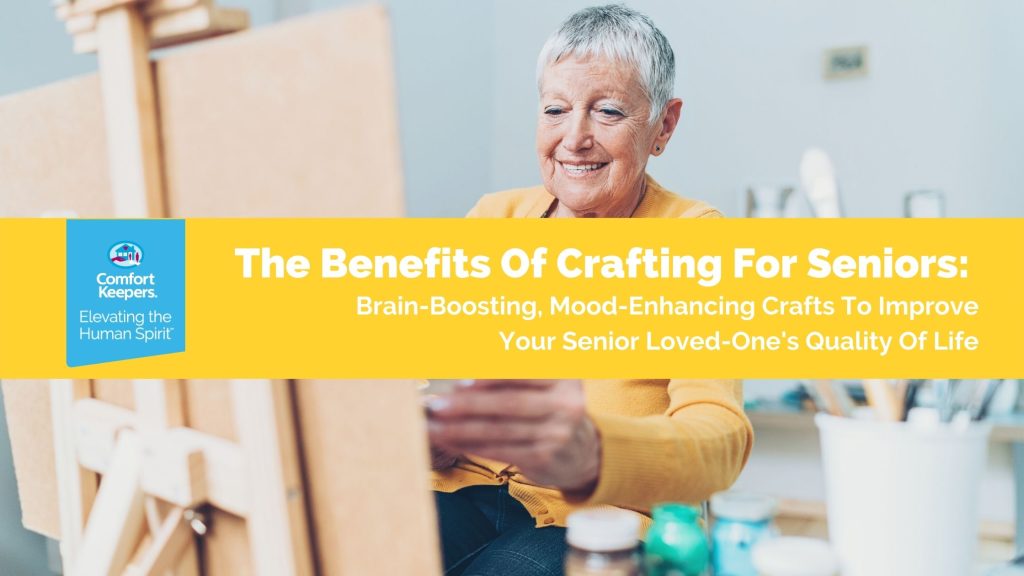
Delving further into the lives of those who have embraced crafting reveals heartwarming stories of transformation. For example, veterans using woodworking as a form of therapy have spoken about how creating something tangible helps them process their experiences, turning trauma into art. Such narratives underscore the therapeutic potential of craft making beyond mere hobbyist pursuits.
As we continue to explore this fascinating intersection of creativity and mental health, we invite you to reflect on your own experiences with crafting. Whether through painting, knitting, or woodworking, find solace in the idea that these hands-on activities not only enrich your creative expression but can also forge lasting emotional resilience.
Understanding the Therapeutic Landscape of Crafting
The resurgence of interest in craft making as a therapeutic practice offers a refreshing perspective on mental health treatment. When exploring the nexus of craft making and emotional well-being, it becomes evident that there are multifaceted benefits tied to creating with one’s hands. At the heart of this phenomenon lies the concept of flow, a term coined by psychologist Mihaly Csikszentmihalyi, which describes a state of complete immersion and focus in an activity. This state is often achieved during crafting, where time seems to evaporate and every worry fades into the background, allowing individuals to feel genuinely present.
Crafting not only cultivates flow but also fosters a sense of accomplishment as individuals witness their ideas evolve into physical forms. Completing a craft project, be it a handmade quilt or a piece of pottery, instills a feeling of pride and efficacy. This is particularly important for those who struggle with self-esteem issues, as the act of finishing a project can lead to positive affirmations of one’s abilities.
Moreover, engaging in craft making provides a valuable outlet for expression—an avenue to communicate feelings and thoughts that may be difficult to articulate verbally. According to the American Art Therapy Association, art and crafts can improve emotional processing by providing a safe space for individuals to explore their inner experiences. For those in therapy, integrating craft activities can enhance their therapeutic journey by allowing them to express emotions, whether it’s joy, sorrow, or frustration, in a tangible way.
Key Emotional Benefits of Craft Making
As we delve deeper into the emotional and mental benefits of crafting, several key advantages emerge:
- Improved Concentration: The focus required during crafting activities helps clear the mind, reducing distractions and improving overall cognitive function.
- Enhanced Emotional Expression: Crafting allows individuals to communicate emotions non-verbally, which can be especially beneficial for those who struggle with traditional communication methods.
- Increased Mindfulness: Engaging in crafting can serve as a practice of mindfulness, keeping individuals present and grounded in the moment, thereby alleviating anxiety.
- Social Connectivity: Joining crafting groups or workshops not only fosters new relationships but also helps alleviate feelings of isolation, offering community support and connection.
- Achievement and Confidence: Completing craft projects reinforces a sense of achievement that can bolster self-esteem and personal motivation.
From individuals facing mental health challenges to those simply seeking a way to unwind, the act of creating with your hands can revolutionize the way one approaches personal well-being. As we continue to unveil the profound effects that crafting can have, it’s essential to recognize its potential as a powerful tool for healing and self-discovery.
| Advantage | Description |
|---|---|
| Stress Reduction | Engaging in craft making can lead to a significant decrease in stress levels, as the focus on creating diverts the mind from daily worries. |
| Enhanced Mood | Working with your hands stimulates the release of endorphins, contributing to improved emotional well-being and a strong sense of accomplishment. |
| Boosting Creativity | Crafting encourages imagination and innovation, allowing individuals to express thoughts and feelings they may not be able to verbalize. |
| Social Connections | Participating in group crafting sessions fosters social interaction, helping to build a sense of community and support among individuals. |
Craft making, as a form of therapy, has been gaining traction among mental health professionals and wellness advocates. The emotional and mental benefits – from stress reduction to enhanced creativity – have significant implications for both personal well-being and social connections. Delving deeper into crafting may unlock pathways to emotional healing and improved mental health. For those interested in exploring this fascinating intersection, the journey can lead to valuable insights into the power of creating with your hands.
Navigating the Healing Power of Crafting
Beyond the immediate emotional benefits, craft making serves as an entry point into deeper self-exploration and healing. Individuals engaging in crafting often find that the act itself can unveil layers of creativity and introspection that may have been buried under daily stressors. Engaging in activities such as painting, knitting, or woodworking not only involves physical movement but also stimulates cognitive engagement, leading to enhanced brain function. For example, studies have shown that individuals who participate in regular craft-making activities demonstrate improved memory and cognitive flexibility.
Furthermore, crafts can be tailored to evoke nostalgia and meaning, enhancing their therapeutic potential. For many, the act of creating items reminiscent of childhood or family traditions can foster a connection to one’s past, offering comfort and a sense of belonging. This is particularly significant for individuals dealing with trauma or significant life transitions; the creative process allows them to bridge the past with the present in a powerful and positive manner.
The Role of Crafting in Anxiety and Depression Management
Research indicates that crafting can play a critical role in managing conditions such as anxiety and depression. A study published in the Journal of Positive Psychology suggested that participants who engaged in crafting activities reported elevated mood levels and decreased symptoms associated with anxiety. The repetitive motions involved in rituals like crocheting or painting can create a meditative effect, promoting relaxation through a natural mechanism of self-soothing.
Moreover, the creative aspect of crafting often introduces a reframe in one’s daily narrative. For instance, when faced with feelings of inadequacy or hopelessness, channeling that emotional energy into artful creations can serve as a transformative experience. Individuals can take ownership of their feelings by embedding them in their wearable art or sculptures, allowing for healing at both emotional and spiritual levels.
Crafting as a Pathway to Personal Connection and Community
Many crafters experience heightened feelings of connection and community through workshops or online forums dedicated to various crafting genres. Groups like Quilting Bees or local pottery classes not only provide a space for creativity but act as hubs of support where individuals can share their journeys. The social aspect of crafting should not be underestimated; the bonds formed in these settings often lead to lasting friendships, further enhancing emotional well-being.
In addition, participating in community craft fairs and events can foster a sense of achievement as individuals showcase their creations. Such public engagement encourages confidence and self-esteem, reassuring them that their contributions are valued. With a growing movement towards handcrafting, communities across the United States are embracing craft-making both as a hobby and as a therapeutic outlet—a trend reflecting a broader cultural shift toward valuing artisanal skills and mental health.
As we explore these dimensions of crafting, it becomes increasingly clear that creating with one’s hands is not merely a pastime but rather a dynamic practice that encompasses emotional resilience, communal ties, and an empowered sense of self. The continued exploration of these therapeutic benefits can pave new ways of thinking about art, healing, and the profound interconnectedness of human creativity.
Embracing Craft Making: A Pathway to Healing
In conclusion, the compelling relationship between craft making and mental health invites us to recognize its profound emotional and psychological benefits. As we’ve explored, engaging in creative activities not only fosters a sense of accomplishment but also acts as a vital form of self-expression. From enhancing cognitive abilities to alleviating symptoms of anxiety and depression, the therapeutic impact of crafting is backed by substantial research and personal testimonies alike.
Furthermore, the communal aspects of crafting—be it through workshops, online forums, or local gatherings—highlight the importance of connection in our healing processes. These interactions create supportive environments where individuals can share their struggles and triumphs while building meaningful relationships within their communities. As crafting continues to gain popularity across the United States, it serves as a reminder that creating with our hands is more than just a hobby; it is a powerful tool for emotional resilience, personal growth, and social engagement.
In embracing this dynamic practice, we celebrate our individuality and collective creativity, paving the way for a more compassionate understanding of mental health. As we consider the diverse ways in which crafts can foster healing, there lies an open invitation for individuals from all walks of life to explore their artistic talents, unlock their potential, and appreciate the enriching journey of creating with their hands.