Exploring Digital Art: Tools and Techniques for Modern Creators
The Evolving Landscape of Digital Art
In modern society, where technology intertwines beautifully with creativity, digital art stands out as a transformative platform for expression. Tools and techniques that once seemed exclusive to traditional mediums have now transitioned into the digital realm. This evolution invites everyone, from seasoned professionals to casual hobbyists, to unleash their creativity without the constraints often found in physical forms of art.
The accessibility of digital art is one of its defining characteristics, allowing individuals from diverse backgrounds to showcase their talents. For instance, artists no longer require expensive paints and canvases; a basic tablet and a computer with the right software can be all they need to create stunning masterpieces. This democratization has not only broadened the scope of who can participate in the art world but has also diversified the styles and messages being conveyed. As such, the art we encounter today is richer and more varied than ever before.
Essential Tools for Modern Digital Artists
Diving into digital art demands familiarity with a range of vital tools that enhance the creative process. Among these, graphic tablets play a central role. Devices like the Wacom Intuos or Huion Kamvas offer pressure sensitivity, allowing artists to produce strokes that replicate the nuance of traditional drawing. Artists can enjoy a seamless transition between different styles without losing the tactile experience that many cherish.
Complementing graphic tablets are software programs, such as Adobe Photoshop, Corel Painter, and Procreate. Each of these applications is packed with features that cater to various styles—from photo editing and digital painting to illustration and animation. Procreate, renowned for its intuitive interface and extensive brush library, has garnered a massive following, particularly among illustrators and designers on the go.
For those looking to explore the realm of three-dimensional art, 3D modeling tools like Blender and ZBrush offer advanced capabilities for creating intricate designs. Artists can construct interactive environments and characters, leading to stunning visual displays that are utilized not only in digital art but also in industries like gaming and animation.
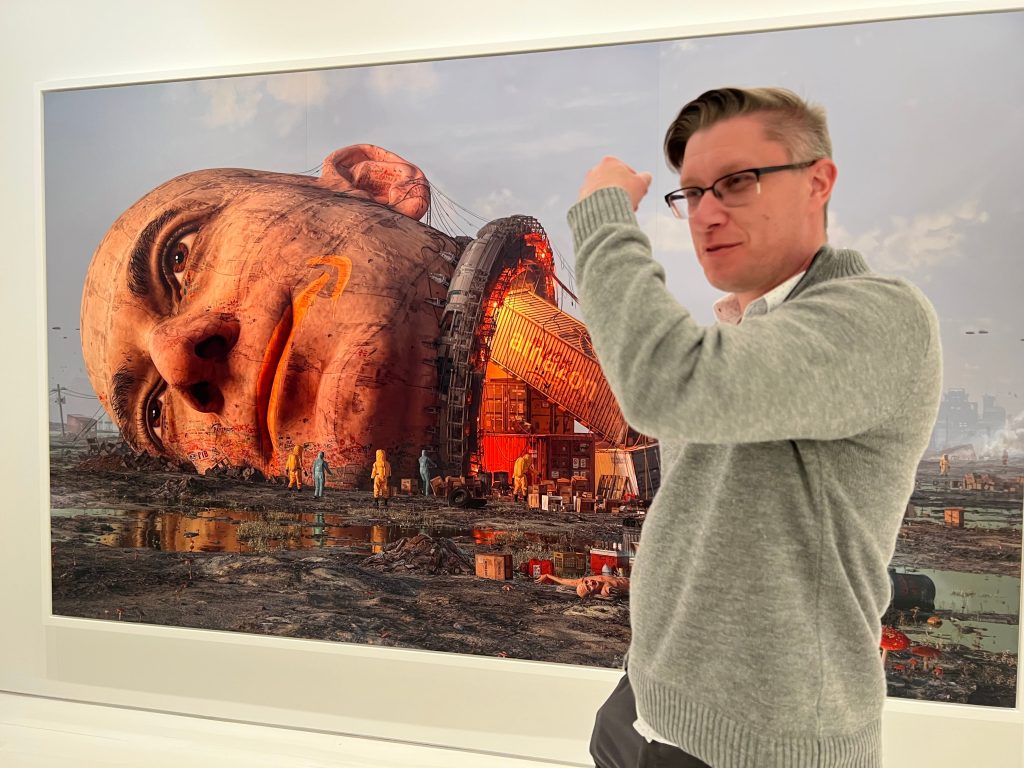
Techniques to Enhance Your Craft
Along with the right tools, mastering a set of effective techniques can elevate an artist’s work significantly. Techniques like layering are essential, offering artists the ability to work on distinct elements of a composition separately. This method not only allows for easier adjustments but also fosters creativity as each layer can be modified without affecting the entire piece.
Blending modes in software like Photoshop allow artists to experiment with color and texture combinations, creating depth and enhancing the visual impact of their works. By mastering these modes, creators can produce effects that captivate viewers and invite them to engage with the artwork on a deeper level.
Lastly, vector art brings a different dimension to digital design. Utilizing geometric shapes ensures that artwork remains crisp and clear at any size, making this technique particularly useful for logo design and illustrations that need scalability. Programs like Adobe Illustrator excel in this respect, enabling artists to craft precise and clean visuals.
As we continue to navigate through the exciting world of digital art, it is clear that embracing these tools and techniques will not only foster personal growth but also push the boundaries of creativity. The journey into digital artistry is filled with endless possibilities, inviting everyone to explore, learn, and create. Together, we can uncover the vast potential that digital art holds and inspire future generations of artists along the way.
Essential Tools for Modern Digital Artists
Diving into digital art demands familiarity with a range of vital tools that enhance the creative process. Among these, graphic tablets play a central role. Devices like the Wacom Intuos or Huion Kamvas offer pressure sensitivity, allowing artists to produce strokes that replicate the nuance of traditional drawing. This tactile feedback is essential for artists who seek to maintain the authenticity of hand-drawn lines while navigating a digital canvas. These tablets create a synergy between the artist’s intuition and the digital medium, enabling a fluid workflow that many professionals and hobbyists alike appreciate.
Complementing graphic tablets are software programs highly regarded in the art community, including Adobe Photoshop, Corel Painter, and Procreate. Each of these applications is packed with features that cater to various styles—from photo editing and digital painting to illustration and animation. Procreate, renowned for its intuitive interface and extensive brush library, has garnered a massive following, particularly among illustrators and designers on the go. The seamless integration of touch gestures further enhances the user experience, making it a preferred choice for many artists working on an iPad.
For those looking to explore the realm of three-dimensional art, 3D modeling tools such as Blender and ZBrush provide advanced capabilities for creating intricate designs. These programs allow artists to construct interactive environments and characters, leading to stunning visual displays that are widely used not only in digital art but also in industries like gaming and animation. The ability to manipulate shapes easily and create realistic textures expands the creative possibilities, making it a favorite among artists interested in game design or animated films.
Popular Software Options
When it comes to choosing software for digital art, the plethora of options can be overwhelming. Below is a list of popular programs that cater to a wide range of artistic needs:
- Adobe Photoshop: A robust and versatile tool that excels in photo editing and digital painting.
- Corel Painter: Offers a wide array of brushes that mimic traditional media, ideal for fine art applications.
- Procreate: A highly intuitive app for iPad users, perfect for sketching and painting on the go.
- Blender: A powerful free tool for 3D modeling, animation, and rendering.
- ZBrush: Known for its advanced sculpting features, it is widely used in character design and game art.
As we continue to navigate through the exciting world of digital art, it is clear that embracing these tools will not only foster personal growth but also push the boundaries of creativity. The journey into digital artistry is filled with endless possibilities, inviting everyone to explore, learn, and create. Together, we can uncover the vast potential that digital art holds and inspire future generations of artists along the way.
Unleashing Creativity with Digital Tools
As the digital landscape evolves, artists are empowered more than ever with a plethora of digital art tools designed to enhance creativity and streamline the artistic process. From advanced graphic design software to innovative drawing tablets, the options are vast and varied. The integration of technology into the artistic realm has not only expanded the horizons for seasoned creators, but it has also opened pathways for newcomers eager to explore their artistic potential.
Digital Illustration Software
One of the cornerstones of modern digital art is illustration software. Programs like Adobe Photoshop, Corel Painter, and Procreate offer vast libraries of brushes and tools that simulate traditional art techniques while allowing for unique digital effects. The ability to easily manipulate layers, adjust colors, and experiment with different styles enhances the artistic experience.
3D Modeling Tools
For those interested in three-dimensional artistry, software such as Blender and Maya provide artists with the means to create stunning 3D art, animations, and even virtual environments. This dimension of digital art not only showcases creativity but also has significant applications in fields like gaming, film, and virtual reality.
The Influence of AI in Art Creation
Another fascinating development in the digital art scene is the use of artificial intelligence. AI-driven tools like DALL-E and Artbreeder enable artists to generate unique artworks based on user input, pushing the boundaries of traditional creation. This synergy between human creativity and technology represents a revolutionary step in how art is conceptualized and produced.
Engaging with Digital Art Communities
The rise of digital art has fostered vibrant online communities where artists can share their work, seek feedback, and participate in collaborative projects. Platforms like DeviantArt, Behance, and ArtStation serve as both portfolios and social networks, allowing creators to connect with peers and audiences globally. These interactions can promote growth, inspire innovation, and cultivate a sense of belonging within the diverse world of digital artistry.
| Category | Advantages |
|---|---|
| Digital Illustration Software | Access to numerous tools that replicate traditional techniques while adding digital enhancements. |
| 3D Modeling Tools | Allows for realistic renderings and animations applicable in various industries. |
| AI-driven Art Tools | Encourages novel creations and merges human artistry with technology. |
As creators harness these tools and techniques, exploring the realm of digital art becomes an exciting adventure filled with potential. Whether you’re a budding artist or an experienced professional, the future of digital art is bright, promising new discoveries and innovations on the horizon.
Techniques that Elevate Digital Artistry
In addition to a robust selection of tools, successful digital artists often employ various techniques that enable them to push creative boundaries. One popular approach is layering, a fundamental technique in digital art. This method allows artists to work on different elements of their composition independently, creating depth and flexibility. By utilizing layers effectively, artists can undo mistakes without affecting the entire piece, experiment with colors, and add textures in a non-destructive manner.
Another critical technique in modern digital art is the use of digital brushes. Most software applications come equipped with custom brushes that cater to specific styles and effects. For instance, watercolor brushes mimic traditional painting, offering a unique fluidity that can enhance digital landscapes or portraits. Artists can also create their own brushes, tailoring them to achieve specific textures or strokes that align with their artistic vision. This personalization fosters a deeper connection between the artist and their work, making each piece truly unique.
The advent of animation tools within digital art software has opened up new avenues for creativity. Programs like Adobe After Effects and Toon Boom Harmony not only allow artists to bring their illustrations to life but also encourage experimentation with movement and storytelling. By integrating animation into their portfolios, artists can expand their reach and engage with broader audiences. Even simple movements, such as shifting backgrounds or character expressions, can elevate otherwise static artwork into dynamic visuals that capture viewer interest.
Incorporating Traditional Techniques into Digital Platforms
One particularly intriguing aspect of digital art is the way it remains intertwined with traditional artistic practices. Artists frequently draw inspiration from techniques such as charcoal sketching, oil painting, or even collage. For instance, artists can scan their traditional works and blend them into their digital compositions, creating a harmonious mix that celebrates both worlds. This symbiotic relationship encourages innovation and allows creators to explore novel aesthetics.
Moreover, the application of color theory remains a cornerstone of effective art creation, regardless of the medium. Digital artists can experiment with palettes faster than traditional methods, providing an opportunity to understand how colors interact and influence each other. The use of gradient maps in Photoshop, for example, can help artists achieve color cohesion and mood enhancement within their projects, guiding the viewer’s emotional response to the artwork.
Techniques such as photo manipulation also have gained traction in the digital art arena. Combining photography with digital painting elements allows artists to create surreal and fantastical worlds that challenge perceptions. This technique is useful in various fields, including advertising, concept art, and personal projects, as it provides endless possibilities for visual storytelling.
Global Community and Collaboration
The modern digital art landscape fosters a sense of community, with platforms like ArtStation, DeviantArt, and Behance serving as hubs for artists to showcase their work and engage with one another. Artists not only share techniques and tools but also collaborate on projects, sparking innovation and cross-pollination of ideas. This connectedness is particularly beneficial for emerging artists seeking guidance and exposure in a competitive environment.
As the digital art community continues to grow and evolve, the interplay of techniques, traditional practices, and collaborative opportunities encourages both individual and collective artistic expression. Exploring these facets can inspire creators to unearth their unique style, producing art that resonates with audiences across cultural and geographical divides.
Conclusion: The Future of Digital Artistry
As we navigate through the fascinating realm of digital art, it becomes clear that tools and techniques play a pivotal role in shaping the modern artistic landscape. The continuous evolution of software and hardware not only provides creators with the means to express their visions but also fosters an atmosphere of innovation and collaboration. Artists leveraging techniques such as layering, digital brushes, and animation are increasingly pushing the boundaries of traditional art, creating immersive experiences that captivate audiences globally.
Moreover, the integration of traditional techniques within digital platforms emphasizes the fluid nature of creative expression. Artists are encouraged to explore the synergies between mediums, reimagining the aesthetics of their work while drawing from a rich history of artistic practices. The application of color theory and photo manipulation further expands the possibilities of visual storytelling, allowing for rich narratives to unfold in ways previously thought impossible.
In summary, the vibrant community around digital art—strengthened by platforms like ArtStation and DeviantArt—promotes collective growth and experience sharing, nurturing upcoming talents in a supportive environment. As we move forward, embracing these tools and techniques will empower modern creators to not only find their unique voice but also to contribute to the ever-expanding tapestry of digital artistry. The journey of exploration is ongoing, and the future holds boundless potential for those willing to innovate and connect through their art.