The Impact of Visual Arts on Writer Inspiration
The Connection Between Visual Arts and Writing
The bond between visual arts and writing is a rich tapestry woven from shared creativity and mutual inspiration. Artists and writers often stand as dual seekers, drawing from vast wells of emotional and intellectual influences that stem from visual stimuli. This interplay not only enhances the creative process but also enriches storytelling, allowing narratives to blossom in unexpected ways.
Visual Stimuli
Colors, forms, and textures in visual art present unique feelings and narratives that can profoundly impact writers. For instance, bright, bold colors can evoke passion or urgency, while muted tones may suggest somberness or tranquility. A painting like Mark Rothko’s color field works can inspire writers to experiment with minimalist language to convey deep emotional truths. In contrast, the intricate details of a Baroque sculpture can lead to rich, descriptive prose that captures the viewer’s awe.
Cultural Reflections
Art often serves as a mirror to the societal issues of its time, providing fertile ground for narrative exploration. Artists like Banksy use street art to provoke thought about political issues, prompting writers to address themes of resistance, social justice, or identity. The works of Frida Kahlo, deeply rooted in personal and cultural narratives, can inspire writers to explore themes of pain and resilience, drawing upon her iconic self-portraits for deeper insights into the human experience.
Personal Interpretation
Each observer’s interpretation of art can lead to diverse writing angles, creating a unique dialogue between the viewer and the piece. For example, a writer might view a chaotic urban landscape painting and interpret it as a metaphor for modern life’s complexity, igniting a sprawling narrative about connection and isolation in contemporary society. This subjective engagement fosters a creative environment that nurtures unique storytelling approaches.
Visual art doesn’t merely provide a backdrop for writing; it also encourages reflective thinking, allowing for deeper introspection. By actively engaging with visual art, writers can stimulate their senses, leading to a richer imagination. Every brush stroke or architectural line offers a new avenue for exploration, shaping how stories are conceived and articulated.
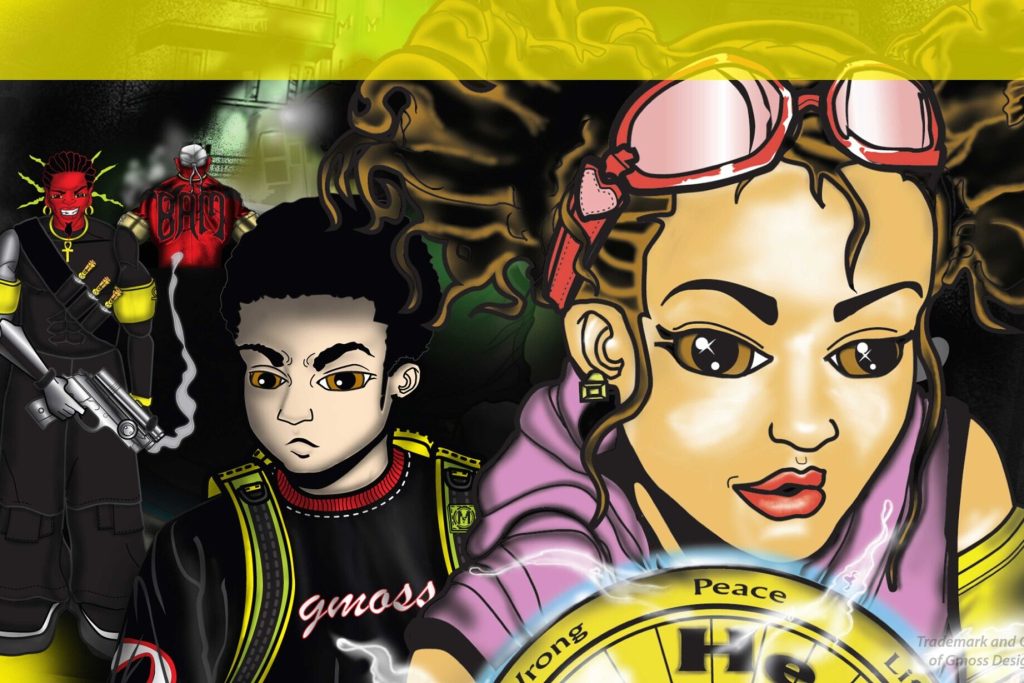
Ultimately, the dynamic relationship between visual arts and literature can ignite creativity and enhance emotional resonance. Such interplay invites both mediums to transcend traditional boundaries, creating a multidimensional experience for audiences. As writers explore how sight awakens the imagination, they will uncover transformative effects that inspire fresh narratives and push the limits of creativity. This exploration not only broadens their perspectives but also elevates the very essence of storytelling itself.
How Visual Arts Spark Writer Creativity
The profound impact of visual arts on writer inspiration is an unraveling journey into the subconscious. Artists translate emotions, ideas, and experiences onto canvas, while writers seek to capture the essence of these visuals through words. This symbiotic relationship can provoke not only fleeting thoughts but also long-lasting creative breakthroughs. So, how exactly do visual arts influence the minds of writers? Let’s delve into several key aspects.
Visual Narrative Techniques
One of the most striking aspects of visual art is its ability to tell a story without uttering a single word. The use of strong visual narratives challenges writers to think about how to convey emotions and themes through succinct and impactful writing. Consider the way narrative-driven paintings—such as Edward Hopper’s Nighthawks—evoke a sense of isolation and introspection. A writer may draw upon this scene and craft a narrative that explores themes of solitude and connection, effectively using brief yet rich descriptions to mirror the visual story.
Emotional Resonance
The emotional weight carried by visual arts often mirrors what writers strive to express. Different styles and techniques can evoke varying feelings that resonate with the viewer, leading to an exploration of motivated language. For example:
- Abstract Art: Can inspire writers to break free from convention, embracing a more experimental approach to storytelling.
- Photorealism: May prompt extensive descriptions, focusing on minutiae to evoke vivid imagery in the reader’s mind.
- Surrealism: Encourages exploring themes of the subconscious, challenging writers to venture into dreamlike narratives that blur reality.
This emotional resonance not only aids in defining characters and settings but also inspires plot progression, engaging readers on a deeper level. A writer attuned to the emotional color palette of a visual piece might find themselves compelled to create complex characters that reflect their observations.
Cross-Pollination of Ideas
Visual arts serve as a catalyst for bridging various disciplines within the literary world. They spark conversations that transcend traditional boundaries and encourage writers to embrace interdisciplinary narratives. For instance, a writer delving into a museum exhibition may be inspired by a visual artist’s commentary on climate change and feel compelled to weave environmental themes into a contemporary novel. This cross-pollination of ideas fuels innovation and connection.
The capacity for visual arts to inspire writers lies not only in the aesthetics of a piece but also in its deeper meanings and implications. Artists often provoke thoughts or emotions that challenge societal norms, prompting writers to critically engage with these narratives. Whether it’s through a vibrant mural on a city wall or a contemporary installation in a gallery, the visual landscape beckons writers to explore, reflect, and generate new work that resonates with both themselves and their audiences.
In summary, visual arts act as a fertile ground for writer inspiration, encouraging literary exploration through visual narratives, emotional depth, and interdisciplinary dialogues. As writers engage with these art forms, they embark on a creative odyssey that inevitably transforms their approach to storytelling, leading to enhanced expression and richer narratives.
| Category | Description |
|---|---|
| Enhanced Creativity | Visual arts stimulate the brain’s creative areas, leading to innovative storytelling techniques. |
| Emotional Connection | Art evokes emotions that writers can channel into their narratives, creating deeper connections with readers. |
| New Perspectives | Exposure to different art forms allows writers to view their work from various angles, enriching their narratives. |
| Visual Storytelling | Integrating visual elements enhances the storytelling experience and engages readers more effectively. |
Visual arts profoundly impact writers by influencing their creativity, emotion, perspective, and narrative style. The alignment of colors and shapes within visual compositions suggests alternative themes that can be seamlessly woven into plots. Writers often draw inspiration from their favorite artworks, whether it’s a painting that evokes nostalgia or a sculpture that sparks curiosity. Moreover, the observational skills sharpened by visual arts enable writers to create vivid and relatable characters or settings, drawing readers into a world that feels both tangible and immersive.Regular interaction with visual arts fosters an atmosphere for spontaneous ideas to flourish, allowing authors to break out of traditional writing constraints. Consequently, this amalgamation of visual stimuli and verbal expression can lead to innovative narratives that captivate audiences and redefine storytelling in literature.
The Transformative Role of Visual Arts in Storytelling
The interplay between visual arts and writing is not only a source of inspiration but also a transformative force that reshapes the storytelling landscape. Writers often find themselves on a quest for authenticity and originality, and visual arts can serve as a powerful stimulus that fuels this pursuit. Various dimensions of visual arts offer different pathways for writers to uncover new perspectives or refine their techniques. Here are some notable influences.
Imagery and Symbolism
Visual arts are replete with imagery and symbolism that can ignite a writer’s imagination. An artist’s choice of colors, forms, and textures can evoke complex feelings and ideas that are ripe for literary exploration. Consider the use of color in The Starry Night by Vincent van Gogh, where swirling blues and vibrant yellows create a dreamlike atmosphere. A writer inspired by this piece might explore themes of chaos and serenity, using color and imagery in their prose to conjure a vivid sense of place and emotion.
Additionally, the symbolism inherent in various artistic movements can enrich a writer’s narrative. For example, the intricate details in a Baroque painting often symbolize deeper moral or philosophical questions. Writers who analyze such works might find themselves weaving these themes into their plotlines, questioning morality or the human condition in ways that resonate with readers.
Creative Constraints
Interestingly, the limitations within certain visual art forms can also inform writing styles. For writers, constraints can ignite creativity, pushing them to innovate within boundaries. The collage technique, often used in modern visual art, invites writers to experiment with fragmented narratives or mixed genres. By adopting a similar approach, writers can juxtapose differing voices and perspectives within a single piece, echoing the layered nature of collage artworks.
For instance, a fiction writer might draw upon snippets of interviews or journal entries, interspersing them with narrative prose to create a multifaceted view of a character’s journey, resembling the haphazard beauty of a collage. This shift can result in a fresh reading experience while inviting deeper engagement from the audience.
Art as a Cultural Lens
Visual arts also serve as a lens through which writers can examine cultural identities, historical contexts, and social issues. An artist’s representation of societal themes such as gender, race, and class can provide a springboard for literary exploration. Take, for instance, the powerful murals in the Chicano arts movement, which highlight social injustices and the rich cultural heritage of Mexican Americans. A writer perceiving these works may delve into narratives that challenge stereotypes and amplify marginalized voices, contributing to broader conversations around identity and representation.
Moreover, contemporary art installations often invite viewer interaction, encouraging participants to immerse themselves within the artwork. This concept can lead writers to create interactive narratives that invite readers to contribute to the story or influence its outcome, establishing a dynamic relationship between the audience and the text.
In essence, the influence of visual arts on writers extends far beyond mere inspiration. It cultivates an environment where creativity thrives through shared themes, artistic constraints, and cultural narratives. By engaging with the visceral and multifaceted nature of visual arts, writers can enhance not only their work but also their ability to connect meaningfully with their audience. Through this journey, they push the boundaries of what storytelling can achieve, melding the visual with the verbal to create something truly remarkable.
Conclusion: Enhancing Narrative through Artistic Synergy
The profound relationship between visual arts and writer inspiration significantly shapes the landscape of storytelling. As this exploration reveals, visual art acts as a multifaceted source of creativity that transcends mere aesthetics, offering writers a canvas to paint their narratives with depth, emotion, and cultural resonance. From imagery and symbolism that evoke vivid sensations to the constraints of artistic techniques that foster literary innovation, the synergy between these two forms of creative expression encourages writers to break free from conventional storytelling molds.
Moreover, visual arts serve as a vital cultural lens, enabling writers to delve into societal themes and explore the nuances of identity and experience. The dynamic interplay with artworks challenges writers to reflect on significant issues, ensuring that their narratives resonate with a diverse audience. Increasingly, contemporary trends, such as interactive installations, open up new dimensions for literary explorations, inviting readers to become active participants in their stories.
As writers navigate both the tangible and abstract elements of visual arts, they are invited to push the boundaries of their craft, resulting in a richer, more engaging literary experience. Embracing this cross-disciplinary inspiration ultimately leads to a more profound connection between the storyteller and their audience, proving that the impact of visual arts extends far beyond the easel. By harnessing the creative energies of the visual world, writers can truly transform their narratives and ignite the imaginations of readers, weaving a vibrant tapestry of storytelling that continues to evolve.