Art and Gardening: Creating Natural Sculptures with Plants and Decorative Elements
The Art of Gardening: A Living Canvas
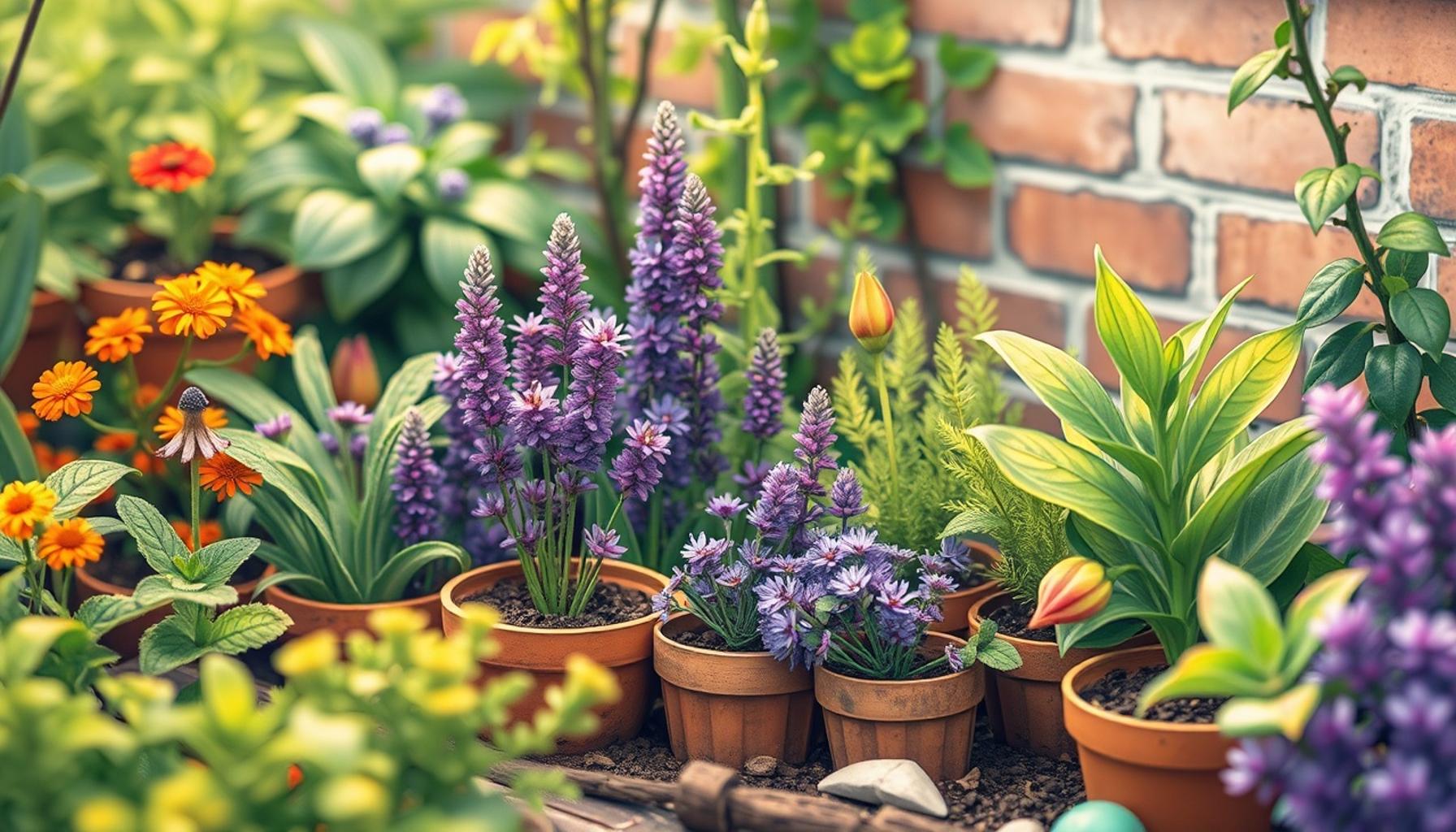
Picture yourself meandering through an enchanting landscape where every bloom and leaf narrates its own tale, inviting you to pause and appreciate the beauty surrounding you. The combination of art and gardening offers a unique opportunity to engage with the natural world in a deeply personal way. By thoughtfully arranging plants, soil, and decorative elements, gardeners can craft striking natural sculptures that not only beautify their spaces but also invigorate the senses.
One compelling feature of natural sculptures is the play of texture variety. The use of differing leaf shapes—from the broad, flat leaves of squash plants to the slender, feathery fronds of ferns—adds a tactile element that captivates the eye. Drifts of plants at various heights can create a multi-dimensional landscape, drawing the observer in and encouraging exploration. For instance, the bold spikes of ornamental grasses placed alongside soft, cascading blooms can establish visual rhythm and flow.
Color dynamics further elevate these landscapes. By incorporating plants that bloom in different seasons, gardeners can achieve an ever-evolving palette, ensuring that their garden remains vibrant throughout the year. For example, the bright yellows of early spring daffodils can transition into the rich purples of summer lavender, then shift to the warm golds and reds of autumn foliage. This captivating cycle not only beautifies the space but also offers an exploration of nature’s artistry.
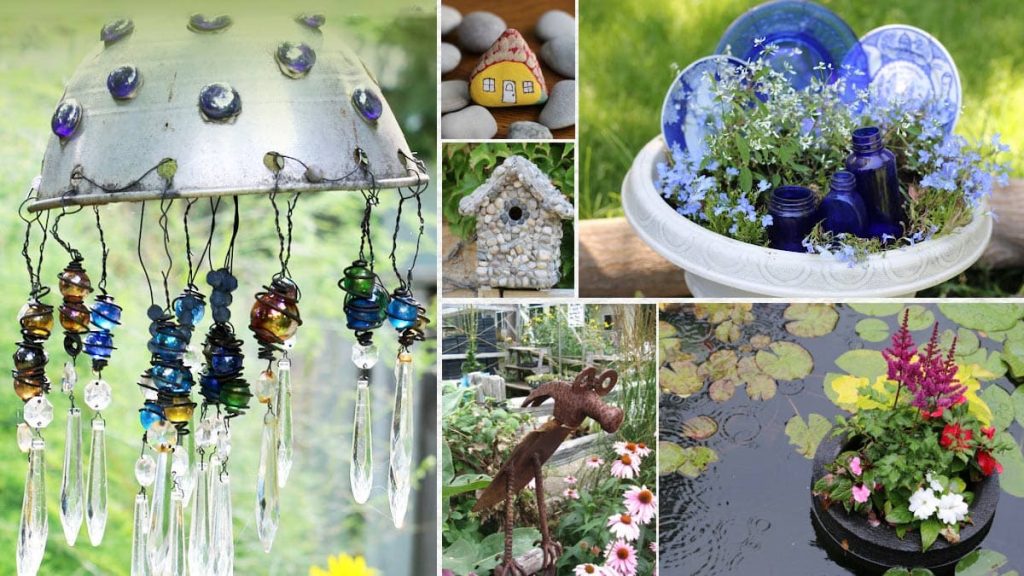
To further enhance these dynamic displays, design elements such as decorative stones, intricate twigs, and whimsical garden art can be integrated into the gardening scheme. Whether it’s a rustic stone pathway guiding visitors through a perennial border or handcrafted sculptures providing focal points among the greenery, these elements can transform ordinary gardens into extraordinary living art installations.
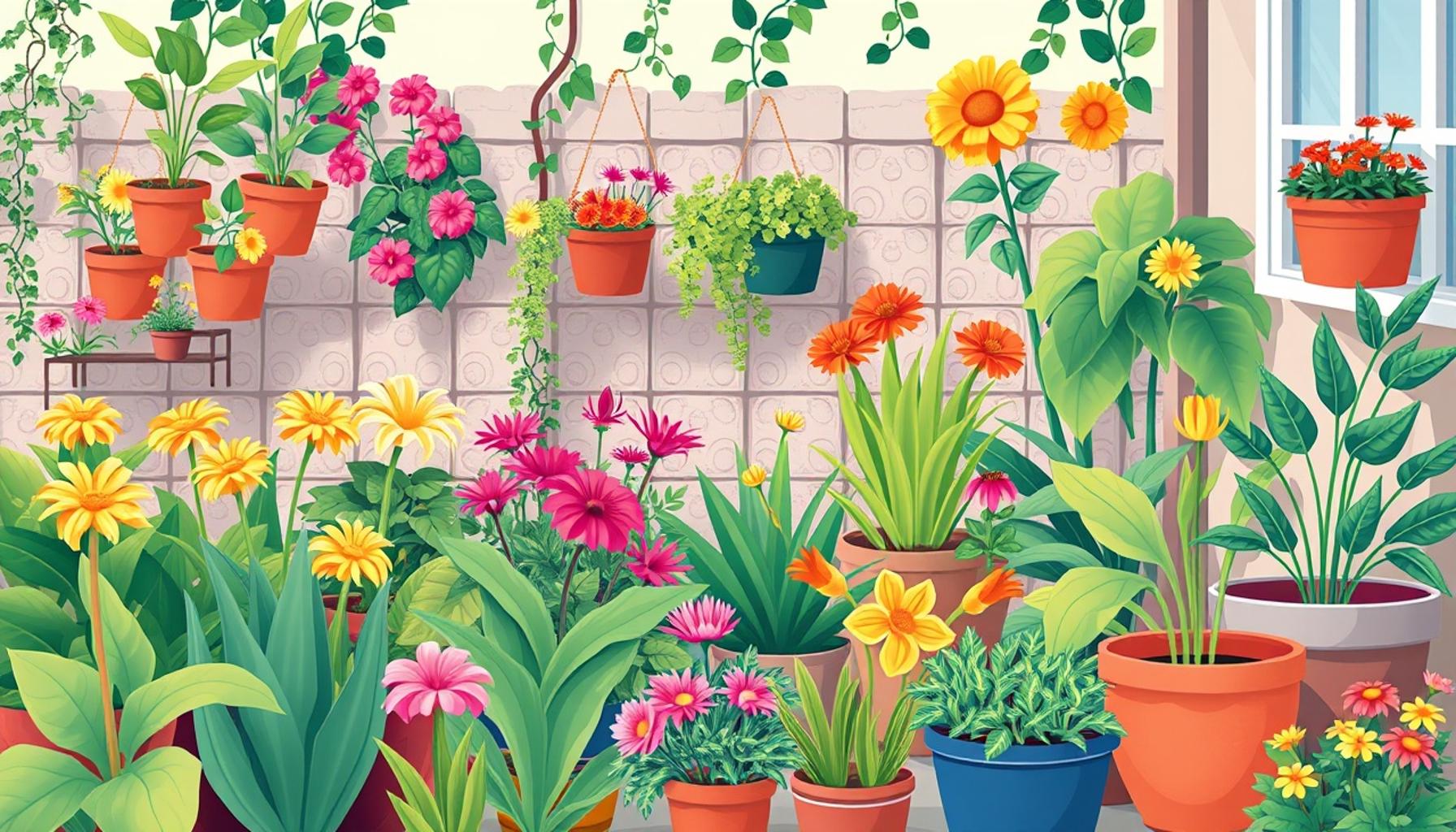
Significantly, even the most modest spaces can become artistic havens. Container gardens and vertical planters serve as excellent solutions for urban dwellers looking to express their creativity in limited areas. For example, a small balcony adorned with cascading petunias and vibrant succulents can serve as an urban retreat, providing both aesthetic pleasure and a slice of greenery in bustling cities.
As urban gardening trends continue to grow across the United States, homeowners are increasingly discovering ways to blend functionality with stunning aesthetics. Community gardens and rooftop farms are not just about food production; they also serve as vibrant gathering places that promote social interaction and environmental awareness.
By embarking on the journey of creative gardening, you open the door to a realm where personal expression flourishes. Take the time to explore how you can turn your garden into a living gallery that not only reflects your identity but also enriches the surrounding community. The joy of transforming the landscape through nature’s own materials is an experience akin to creating a masterpiece—one that continues to grow and evolve with each passing season.
Transforming Spaces: The Role of Design in Natural Sculptures
Embracing the art of gardening as a form of natural sculpture invites enthusiasts to delve into a world where design principles play a crucial role. The layout and composition of a garden space can create striking visual narratives that captivate onlookers. Key design principles such as balance, harmony, and contrast are essential in crafting mesmerizing garden displays that feel both cohesive and dynamic.
Balance in garden design involves the equal distribution of visual weight among various elements. This could manifest through symmetrical arrangements or as an asymmetrical layout that still achieves a sense of equilibrium. For example, placing tall sunflowers on one side of a garden while balancing them with a cluster of dense bushes on the opposite side creates a visually calming effect that draws the eye across the garden.
Alongside balance, harmonizing colors and textures can significantly amplify the aesthetic appeal of a garden. When selecting plants for your natural sculptures, consider their complementary color schemes. A garden that juxtaposes cool blues and greens with vibrant reds and yellows can evoke a lively yet serene atmosphere. This harmony can also extend to decorative elements—think terracotta pots, wooden trellises, or metal sculptures—all contributing to a unified theme and visual interest.
Key Elements to Consider in Your Garden Design
- Scale and Proportion: Before planting, evaluate the scale of your garden and the size of plants to create a proportionate layout. This prevents overwhelming spaces while allowing smaller plants to shine.
- Seasonal Variation: Opt for plants that offer unique visuals during different seasons, enhancing the garden’s sculptural quality throughout the year. Evergreens may form the backbone, while flowering plants add seasonal bursts of color.
- Pathways and Focal Points: Integrate winding pathways that beckon visitors to explore. Position focal points—like a stunning birdbath or a striking piece of garden art—at strategic locations to guide the eye and invite interaction.
Moreover, the thoughtful incorporation of decorative elements elevates the gardening experience further. Statues, wind chimes, and even mosaic stepping stones can imbue gardens with personality and artistry. Urban gardeners can particularly benefit from these accents, as they offer a way to reflect their unique style amidst concrete confines. In fact, even simple installations like recycled materials can be transformed into stunning focal points that integrate functionality with artistic flair.
As hybridization of art and nature continues to gain traction, many gardeners are experimenting with innovative techniques—considering how plants grow, thrive, and interact with their environment. By allowing nature to drive the design process, artisans can create spaces that are not just visually stimulating but environmentally sustainable, ultimately enhancing the beauty of the landscape while preserving local ecosystems.
Thus, the synthesis of gardening and art beckons individuals to step outside their homes, not just to cultivate plants, but to create lasting memories etched in the fabric of their surroundings. As you embark on this journey of creative renewal, remember that your garden has the potential to be a vibrant canvas rich with stories, emotions, and visual delight.
| Benefits of Natural Sculptures | Enhancing Decorative Elements |
|---|---|
| Promotes Creativity | Adds Texture and Depth, providing visual interest in any outdoor space. |
| Encourages Mindfulness, allowing individuals to connect with nature. | Customizable Features to fit personal style, making gardens uniquely expressive. |
Creating natural sculptures using plants merges the boundaries between gardening and art. By cultivating flora in sculptural forms, individuals can express their unique visions while encouraging creativity and innovation in landscape design. Additionally, the process of shaping plants and integrating decorative elements sparks a sense of mindfulness, enhancing mental well-being through engagement with nature.Decorative elements such as stones, wood, and artistic installations can elevate any garden, adding texture and depth. These pieces not only attract attention but also serve to highlight the beauty of the plants, creating a harmonious balance between organic and structured designs. Furthermore, such customized features provide an opportunity to align garden aesthetics with personal style, enhancing self-expression and transforming ordinary spaces into extraordinary artful retreats. Engaging in this artistic practice invites enthusiasts to explore the captivating world of “Art and Gardening“, where creativity flourishes naturally. Organizations and community groups are increasingly hosting workshops that provide hands-on experience in creating these garden sculptures and integrating decorative elements—an endeavor that promises to enrich both skills and enjoyment.
The Intersection of Sculpture and Nature: Garden Art Installations
As urban environments evolve, there’s a growing movement that celebrates the integration of nature and art through garden art installations. These installations often serve as focal points, breathing life into open space while sparking conversation and inspiring creativity. Whether it’s through large-scale sculptures that resemble natural forms or intricate arrangements of plant materials that mimic artistic movements, there’s no shortage of innovative ideas for garden enthusiasts to explore.
One popular method is utilizing living sculptures, which are crafted from the careful selection and arrangement of plants that will grow into specific shapes over time. For those interested in DIY projects, the concept of topiary art presents exciting possibilities. By training shrubs and trees into defined forms—think spirals or animal shapes—gardeners can create playful, living works of art that evolve with the seasons. The art of topiary dates back to ancient Rome, enjoying resurgence in modern gardening as artists blend horticulture with creativity.
Enhancing Natural Sculptures with Decorative Elements
Incorporating decorative elements such as stonework, mosaic tiles, or water features can transform a simple garden into an immersive art experience. For example, a small pond adorned with colorful pebbles and surrounded by strategically placed perennials can evoke a serene atmosphere while serving as a backdrop for aquatic plants and local wildlife. Reflective surfaces, such as mirrors or glass art, can also add depth by creating illusions of more considerable space, capturing light and enhancing surrounding colors.
- Functional Art: Garden benches and tables made from natural materials not only provide utility but also enhance the artistry of a garden. By collaborating with local artisans, garden designers can exhibit custom pieces that reflect the community’s culture.
- Seasonal Decorations: Changing decorations, such as seasonal planters that reflect holidays or local festivals, can bring life to a garden throughout the year. Interesting ornaments, such as handcrafted birdhouses or wind sculptures, can seamlessly blend function with aesthetic pleasure.
- Urban Gardening: In metropolitan areas where space is limited, vertical gardens have emerged as an innovative and artistic solution. Utilizing walls and fences as canvases, gardeners create stunning displays of colorful blooms and greenery that not only beautify but also aid in improving air quality.
Moreover, community gardens have surged in popularity, allowing communities to come together, share techniques, and inspire one another while nurturing a shared artistic vision. In these collaborative spaces, individuals become not just caretakers of plants but also co-creators of a living gallery. As cities across the United States cultivate these initiatives, the dialogue around sustainable practices and biodiversity appreciation flourishes, positioning the garden as a canvas for collective expression.
As artists and gardeners alike push boundaries, the concept of a garden as a mere collection of plants is being redefined. This evolution invites all to engage with their surroundings artfully, encouraging individuals to rethink how urban spaces can communicate personal styles and values through artful gardening practices.
Conclusion: A Living Canvas for Artistic Expression
In conclusion, the fusion of art and gardening is reshaping our perception of outdoor spaces, transforming them into living galleries that reflect personal expression and community identity. As we explore garden art installations and the innovative techniques of living sculptures, we begin to recognize that every garden can be more than just a collection of plants; it can be a celebration of creativity and biodiversity. From the intricate beauty of topiary art to the thoughtful incorporation of decorative elements such as stonework and mosaics, each choice plays a role in crafting an immersive natural experience that resonates with visitors and passersby alike.
The rise of vertical gardening and community gardens in urban landscapes illustrates a commitment to sustainability and artistic collaboration. These initiatives not only beautify our surroundings but also foster a sense of belonging and shared purpose within communities. As the movement continues to evolve, it invites us to engage with nature and art on a deeper level, sparking curiosity and encouraging experimentation.
Ultimately, every garden serves as a blank canvas, offering endless possibilities for artistic interpretation and expression. Whether through incorporating seasonal decorations or collaborating with local artisans to create functional art, the journey of creating natural sculptures with plants is a dynamic adventure that connects us to the environment and to one another. As we embrace this harmonious relationship between art and gardening, we pave the way for a future where our outdoor spaces thrive as vibrant extensions of our creative souls.