Composing at Home: Tips for Beginners in Music Creation

Unlock Your Creative Potential
In today’s digital age, music creation has become more accessible than ever. The technological advancements and availability of user-friendly software allow anyone to compose music from the comfort of their own home. This practice not only fosters creativity but also opens doors to endless possibilities for aspiring musicians and seasoned artists alike. Composing at home allows you to explore your musical ideas without the constraints of a traditional studio. Whether you are a novice or someone with a bit of experience, embracing music composition can be a truly rewarding journey.
Why Compose at Home?
- Flexibility: One of the significant advantages of home composition is the ability to create whenever inspiration strikes. You can work late into the night or wake up early to capture an idea without the pressure of studio hours.
- Cost-effective: Composing at home can significantly reduce costs associated with traditional studio rentals and gear. High-quality recording equipment and software are often available at affordable prices, making music production more financially viable.
- Personal Space: Working in a comfortable and familiar environment can enhance creativity. You can design your workspace to reflect your artistic personality, which is often a catalyst for inventive thinking.
With the right tools and guidance, anyone can dive into the world of music creation. The possibilities are limitless, from writing your own songs to producing beats that could make waves in local scenes. For instance, platforms like SoundCloud and Bandcamp allow you to share your music with a global audience, potentially launching your career from your bedroom studio.
Getting Started
As a beginner, you may feel overwhelmed by the array of software and equipment available today. Begin by focusing on the fundamentals of music theory and composition techniques. Understanding these basics will not only enhance your skills but also elevate your creative output.
- Learn basic chords: Familiarity with common chord progressions will provide a solid foundation that can spark creativity. Exploring major and minor harmonies, for instance, can lead to emotional resonance in your compositions.
- Familiarize yourself with DAWs: Digital Audio Workstations like Ableton, GarageBand, or FL Studio are essential tools for music creation. Each software offers unique features; for instance, Ableton Live is renowned for its live performance capabilities while GarageBand is excellent for beginners.
- Experiment with sounds: Utilize virtual instruments and samples. Websites such as Splice and Looperman provide extensive libraries of sounds and loops that can enhance your tracks and inspire new ideas.
Don’t shy away from experimenting with different genres and styles, as this is where true innovation often emerges. Collaborating with other musicians or seeking feedback from peers can also offer new perspectives and motivate growth. Remember that the journey of music composition is ongoing; the more you compose, the more your unique artistic voice will emerge. So embrace the process, relish in your creativity, and let your musical exploration begin!
Essential Tools for Home Composers
Equipping your home studio with the right tools is paramount for successful music composition. As a beginner, creating a conducive environment for your musical explorations doesn’t have to be an overwhelming task. A minimal setup can yield impressive results if you make informed choices. Here are some essential tools every aspiring home composer should consider:
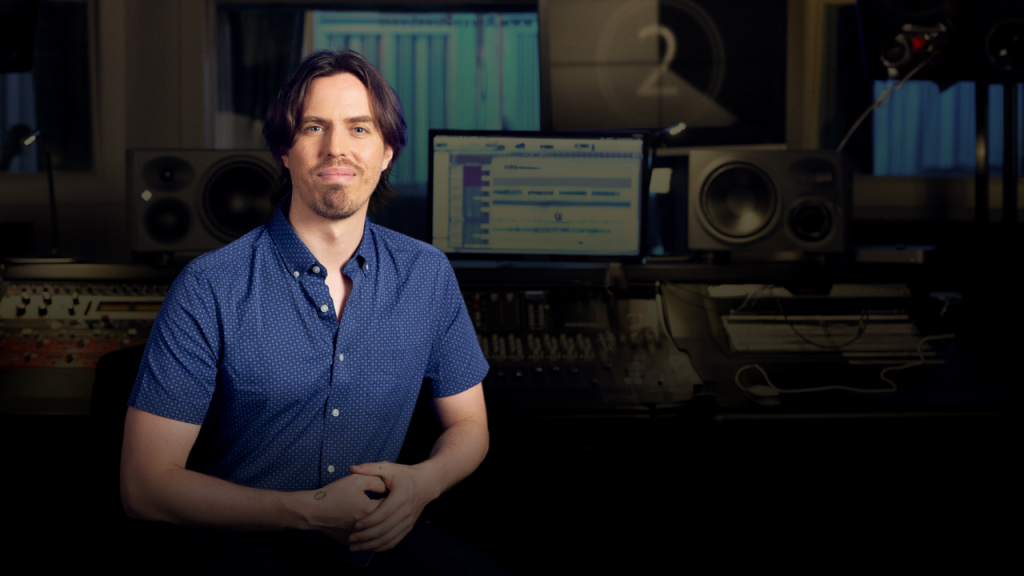
- Computer: Your computer serves as the nucleus of your music creation process. It should have enough processing power and RAM to efficiently run software application without lagging. Whether you opt for a Mac or a PC largely depends on personal preference and budget, but both can provide suitable options for music production.
- Audio Interface: This device bridges your instruments and the computer, allowing for high-quality sound recording. An audio interface enhances the clarity of your recordings and is crucial if you plan to use microphones or connect electric instruments. Focusrite and PreSonus are popular brands known for offering quality audio interfaces at reasonable prices.
- Midi Controller: A MIDI controller enables you to play virtual instruments and compose music with ease. This device can range from full-sized keyboards to compact pads that are perfect for finger drumming. A MIDI controller equips you with tactile control over your software and can significantly streamline your music creation process.
- Headphones and Monitors: Invest in quality studio headphones and monitors to accurately hear your sound. While headphones are useful for detailed work, studio monitors can provide a better representation of your mix and help you make critical judgments about your music’s overall balance.
- Software: Choose a Digital Audio Workstation (DAW) that suits your style. From user-friendly options like GarageBand, which is excellent for Mac users, to more advanced DAWs like Ableton Live and FL Studio, there’s a wealth of options available. Each offers unique functionalities that cater to different genres and techniques.
Once you’ve gathered these essential tools, consider how they all fit into your creative process. Take the time to familiarize yourself with your DAW and practice using the MIDI controller. Learning the ins and outs of your equipment will significantly boost your efficiency and allow your ideas to flow freely. Furthermore, exploring online tutorials and communities can greatly expand your knowledge about software capabilities and creative techniques.
Developing Your Composition Skills
As you become comfortable with your setup, it’s time to turn your attention to honing your composition skills. Start small—focus on simple beats or melodies and gradually build complexity. Utilizing lessons from trusted sources can help build a solid foundation in music theory and composition strategies. Here are some tips to get you started on developing your skills:
- Set Aside Dedicated Time: Consistency is key in music composition. Designate specific times each week where you can immerse yourself in writing and producing, free from distractions. This habitual practice will yield improvements in your work and maintain your creative flow.
- Challenge Yourself: Delve into various genres and styles, stretching your musically creative muscle. Collaborating with other budding musicians can bring fresh perspectives and inspire new ideas, helping you to step outside your comfort zone.
- Reflect on Your Work: After completing a piece, take the time to listen analytically. What works? What could be improved? Gathering feedback from trusted friends or mentors can also provide valuable insights that enhance your learning experience.
Embarking on a music composition journey at home will undoubtedly yield moments of challenge and success. By equipping yourself with the necessary tools and dedicating time to practice and explore different techniques, you are setting the groundwork for a fulfilling artistic endeavor. Embrace the process while allowing your passion for music to guide you along the way.
| Category | Benefits |
|---|---|
| Accessibility of Tools | Today, various digital audio workstations (DAWs) are available for free or at a low cost, allowing beginners to experiment without financial strain. |
| Creative Freedom | Composing at home provides an environment where creativity can flourish, enabling beginners to explore different genres and styles. |
| Personalized Learning | Individuals can tailor their learning experiences, dedicating time to areas they find challenging, leading to more efficient growth as a musician. |
| Networking Opportunities | Online platforms provide a chance to share work, receive feedback, and connect with other musicians and producers, enhancing your musical network. |
Exploring the intricate world of music composition from your home can be overwhelming yet exhilarating. With the right tools and mindset, beginners can unlock their potential in ways previously thought unachievable. Engaging with various online communities can also foster growth, allowing new composers to enrich their skills and gain valuable insights. The journey of composing at home is not just about creating music; it’s about discovering your voice and embracing the nuances that come with it. Ready to dive deeper into the art of music creation? Let’s explore more exciting possibilities!
Finding Inspiration and Overcoming Creative Blocks
As a budding composer, finding inspiration is central to your creative journey. The world of music is rich with opportunities to ignite your imagination, and knowing where to look can make all the difference. Here are several methods to tap into your creative well and overcome any blocks that may arise:
- Listen Actively: Expand your musical horizons by exploring different genres and eras. Take time to dissect the tracks you admire; pay attention to their structure, instrumentation, and harmonies. Platforms like Spotify and YouTube offer curated playlists and recommendations, making it easy to discover new sounds that can trigger ideas for your own compositions.
- Keep a Journal: Maintaining a music journal can be incredibly beneficial. Document your thoughts, emotions, or personal experiences that resonate with you. Writing down influences, snippets of melody, or lyrical ideas can serve as a blueprint for future compositions. Consider revisiting past entries; there may be hidden gems waiting to be explored further.
- Engage with Nature: Nature has long been a muse for countless artists. Take a walk, hike, or simply sit in a park. Allow the sights and sounds of your surroundings to inspire your creativity. Whether it’s the rustle of leaves, the sound of birds, or a bustling cityscape, these experiences can fuel your musical ideas.
Experimenting with Techniques
Once you’re warmed up and bubbling with inspiration, it’s time to delve into various composition techniques. Diversifying your approach can lead to surprising results and help shape your unique sound. Here are some useful techniques to consider:
- Looping: Utilize your DAW’s looping function to create repeated musical phrases. This method can help establish a groove or hook while allowing you to layer additional sounds. The concept of looping enables you to focus on fine-tuning sections of your composition without feeling overwhelmed by the entire piece.
- Fretboard Visualization: If you play guitar or a similar string instrument, visualize the fretboard when composing melodies. This concept can enable you to create chord progressions or melodic lines intuitively, providing an easy reference point for developing your ideas.
- Writing Without Limits: Give yourself permission to write freely without judging or restricting your output. Set a timer for a predetermined length—say, 10-15 minutes—and just create. This method, known as “free writing,” can lead to unexpected themes or arrangements and dislodge any self-critical thoughts you might have.
Utilizing Online Resources and Communities
The internet is a treasure trove of resources dedicated to music composition. From online courses to forums and social media groups, there’s a wealth of information at your fingertips. Exploring these platforms can deepen your understanding and connect you with other aspiring composers:
- YouTube Tutorials: Numerous experienced musicians and educators offer free instruction through tutorials on YouTube. Channels focusing on music production techniques, sound design, and composition strategies can provide invaluable insights while making learning enjoyable.
- Music Composition Courses: Websites like Coursera and Skillshare host courses on music theory, songwriting, and production from reputed institutions and professionals. These structured learning experiences can boost your skills in a comprehensive yet digestible manner.
- Online Forums: Engage with communities on platforms like Reddit or specialized music forums. Websites such as Gearslutz or MusicTips can connect you with seasoned musicians who share their knowledge. These forums are not only great for troubleshooting but can also provide inspiration through shared experiences.
As you immerse yourself in the world of music composition, remember that creativity cannot be forced, but it can certainly be nurtured. By exploring techniques, drawing from your surroundings, and utilizing online resources, you can enhance your creative toolkit and pave the way for a fulfilling and expressive musical journey at home.
Conclusion: Embrace Your Musical Journey
Composing at home presents a unique opportunity for beginners to nurture their creativity and develop a personal musical style. Throughout this journey, the key lies in being open to exploration and continuously seeking inspiration from the world around you. The techniques discussed, from active listening to using online resources, equip you with essential tools to overcome creative blocks and encourage a genuine expression of your musical voice.
As you embark on this adventure, remember that patience and persistence are your allies. Every composer, regardless of experience, faces challenges along the way. Embrace your individual journey—celebrate the milestones, however small, and acknowledge the growth that comes from trial and error. The process of composing is as significant as the end result, allowing you to delve deep into your thoughts, emotions, and experiences.
In addition to honing your craft, consider engaging with fellow composers, participating in online forums, and sharing your work. Learning from others not only enriches your understanding but also creates a nurturing community where you can thrive as an artist. By collaborating and sharing ideas, you gain new perspectives that can further fuel your creativity.
Ultimately, composing at home is a profoundly personal experience. Allow your unique identity to shine through your music while remaining open to new ideas and influences. So grab your instrument or launch your digital audio workstation—your musical journey awaits, and each note you create is a step toward discovering your full potential as a composer.