Craft and Culture: Exploring Local Traditions Through Handicraft Projects
Connecting Through Creativity
Handicrafts serve as a vibrant tapestry, weaving together tradition, culture, and community. In the United States, local traditions are often expressed through unique craft projects that reflect the heritage of various regions. From indigenous beadwork to Appalachian quilting, each craft tells a story, embodying the artistic expressions of diverse communities across the nation. These crafts not only honor the techniques of the past but also invite newer generations to connect with their roots.
Why Explore Handicraft Projects?
Diving into the world of handicrafts not only nurtures creativity but also enriches cultural understanding. Here are some reasons to explore local traditions through crafting:
- Preservation of History: Many crafts date back generations, holding onto the narratives of ancestors. For instance, Native American beadwork often carries spiritual significance and connects artisans to their tribal history, preserving meaningful symbols and stories through intricate designs.
- Community Engagement: Local craft fairs and workshops foster connections among artisans and enthusiasts, creating spaces for sharing knowledge and techniques. These events can transform a neighborhood, allowing local artists to display their works while creating a sense of camaraderie and shared purpose. For example, annual craft fairs in small towns can draw visitors from afar, uniting diverse people through a common love for creativity.
- Skill Development: Engaging in these projects enhances practical skills and boosts self-expression. Whether it’s learning how to weave baskets in a traditional manner or mastering the art of woodworking, each practice provides opportunities for individuals to express their unique ideas while honing their craftsmanship.
Discovering Local Traditions
Exploring handicraft projects shines a spotlight on diverse local customs and techniques. Examples include:
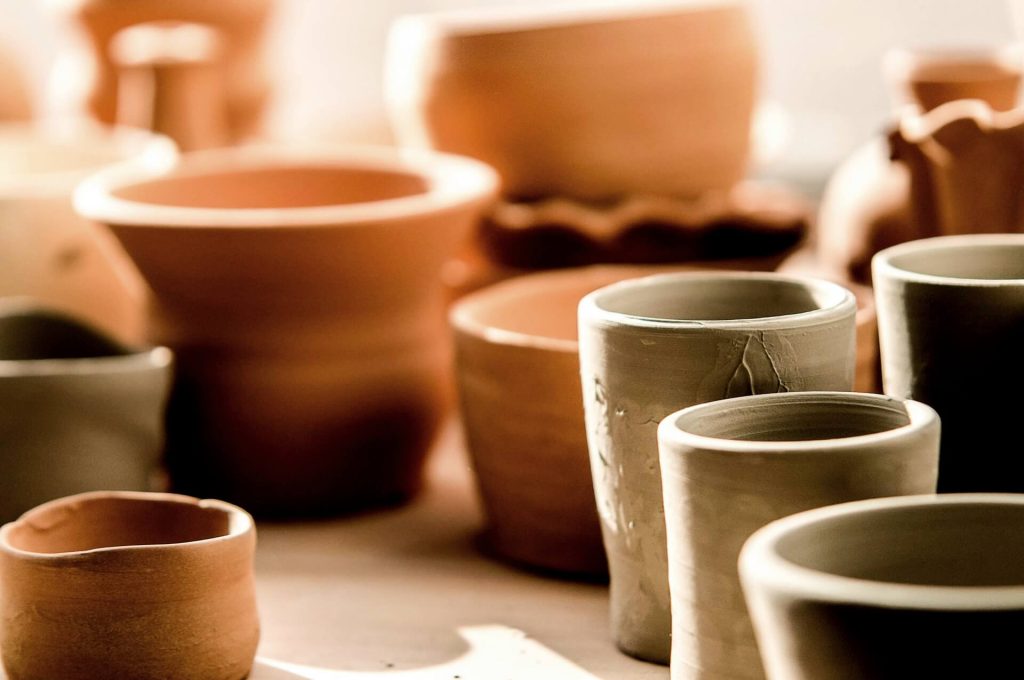
- Native American Pottery: This form of art exemplifies indigenous artistry and spirituality, with each piece often reflecting the natural world and traditional storytelling. Tribal communities, such as the Pueblo peoples of New Mexico, have been crafting pottery for centuries, utilizing ancient methods that remain virtually unchanged.
- Mexican Tile Making: Showcasing vibrant colors and intricate designs, tile making is a tradition that has blended with local American styles, especially in southwestern states like Arizona and California. These tiles can be found in homes, gardens, and public spaces, serving as a colorful reminder of cultural heritage.
- New England Rug Hooking: A traditional craft that creates functional art, rug hooking has been a hallmark of New England homes since the 18th century. Artisans create detailed patterns and narratives that can be seen in cozy living rooms across the region, celebrating local flora, fauna, and community stories.
By embracing these projects, individuals not only create beautiful items but also become ambassadors of their cultural heritage. Each craft embodies a wealth of knowledge and tradition, ensuring that these practices endure for future generations. Join us on a journey to uncover the fascinating stories hidden within handicrafts, and discover how your own passion for creativity can connect you to a larger tapestry of cultural history. With each stitch, brushstroke, or carve, you contribute to a living tradition that fosters understanding and appreciation for the richness of our shared human experience.
Embracing Heritage Through Craft
Handicraft projects serve as a bridge between generations, enabling individuals to delve into the rich heritage embedded within their communities. By investing time and creativity in crafting, people forge connections not just with their ancestors but also with the diverse tapestry of cultures that shape the United States. Engaging in local artisanal practices offers a profound understanding of not only the materials and techniques involved but also the stories behind these venerable art forms.
The Crafting Process as a Cultural Journey
Each handicraft project is an invitation to embark on a journey through history and culture. As artisans reclaim traditional methods, they engage with cherished techniques that speak volumes of their cultural legacies. The process of creating is, therefore, as important as the final product. Here are several ways in which crafting can serve as a cultural exploration:
- Material Selection: Choosing specific materials can reflect regional practices and environmental influences. For example, artisans in the Pacific Northwest often incorporate natural elements such as cedar for carving and weaving, directly tying their crafts to the surrounding landscape.
- Techniques Passed Down: The techniques involved in handicrafts are often a direct line to cultural ancestry. For instance, the intricate methods used in Hawaiian lashing, where sinew is employed to bind materials, carry centuries of practice and knowledge, showcasing the significance of collaborative creation within communities.
- Symbolism and Meaning: Many crafts are embedded with symbolic meanings that may not be apparent to outsiders. For instance, African American quilt patterns often convey hidden messages, shaped by historical narratives and cultural significance. The need to communicate through fabric in the face of adversity created a unique language, illustrating how craft can serve as a form of storytelling.
Crafting with Community Impact
Local traditions rooted in handicrafts extend beyond individual engagement, impacting entire communities. Craft projects can foster a sense of belonging and pride, rekindling appreciation for regional heritage. Some particular initiatives highlight this impact:
- Community Workshops: Many communities host workshops where individuals gather to learn traditional crafts, such as pottery or weaving. These workshops encourage the sharing of knowledge and skills while simultaneously reinforcing social bonds.
- Revitalization of Craft Markets: Cities have witnessed a resurgence of craft markets that showcase local artisans. For instance, the revival of artisanal markets in cities like New York has highlighted local craftsmanship, empowering artisans and allowing them to share their cultural stories with a wider audience.
- Education and Outreach: Schools incorporating craft programs enable children to learn about their cultural heritage firsthand. By engaging in hands-on activities that reflect local traditions, children gain an appreciation for their surroundings and the communities they belong to.
As we explore the interplay between craft and culture, it becomes increasingly clear that each project holds the potential to breathe life into local traditions. It is a journey that cultivates not only creativity but also a greater understanding of our collective human experience. With every craft made, we keep stories alive and ensure that cultural histories are honored and passed on to the next generation.
| Category | Key Features |
|---|---|
| Cultural Preservation | Handicraft projects help in maintaining and passing down traditional skills. |
| Community Engagement | Local artisans connect through collaborative projects, fostering community ties. |
| Economic Opportunity | Handicrafts create job opportunities and support sustainable livelihoods. |
| Artistic Expression | Crafting allows individuals to express their identity and cultural narratives. |
Craft and Culture significantly intertwine, and the role of handicrafts in celebrating local traditions cannot be overstated. Engaging in such projects not only enhances one’s skill set but also fosters a deep appreciation for cultural heritage. This dynamic experience offers unique opportunities for knowledge exchange, as participants learn about the historical context behind various crafts.Moreover, more than just a mere hobby, handicrafting promotes sustainability and encourages responsible consumption practices. Communities are encouraged to source materials locally, reducing their carbon footprint and supporting local economies. As more people invest time in these projects, the stories of artisans and their crafts begin to resonate far beyond their origins. With every thread woven and every clay pot shaped, the essence of culture is preserved and celebrated, making the crafting journey both personal and communal. Your interest in exploring these local traditions might just open the door to hidden gems of artistry in your very own community.
Reviving Traditions Through Modern Interpretation
As the modern world evolves, so too do traditional crafts. Artisans and craftspeople are increasingly reimagining age-old techniques, infusing them with contemporary sensibilities while remaining true to their origins. This revival and re-interpretation showcase the resilience of cultural identities and celebrate the continuous dialogue between the past and present. Here are some captivating ways in which modern twists on traditional crafts make cultural exploration accessible and relevant:
Fusion of Techniques and Styles
In today’s multicultural society, it is common to see diverse influences merge within a single craft project. For example, the incorporation of Japanese Suminagashi (marbling) techniques into American quilting has created a new genre of artwork that pays homage to both cultures. These hybrid forms not only signify acceptance but underscore the dynamic nature of cultural expression. As artisans experiment with materials and influences, they create work that resonates with a broader audience while retaining the essence of tradition.
Storytelling Through Craft
Craft serves as a vessel of storytelling, allowing artisans to express personal and cultural narratives in uniquely powerful ways. For instance, the work of Indigenous artists in the United States often incorporates symbols and designs reflective of their tribal heritage, establishing a direct line to a rich history. Workshops centered around storytelling, paired with hands-on craft activities, can empower participants to articulate their own experiences while connecting with their culture. This can result in stunning pieces that invite both introspection and dialogue among community members.
Artisans as Community Activists
In the realm of handicrafts, many artisans are stepping into advocacy roles, using their platforms to promote cultural awareness and social change. Through collaborations with local non-profits, artists can bring attention to issues such as sustainability, food justice, and cultural preservation. For example, some textile artists utilize upcycled materials in their craft to address environmental concerns while celebrating cultural heritage. This trend not only enriches the local landscape but also connects consumers to the narratives behind the projects they support.
- Crafting for a Cause: Artisan markets are increasingly pairing craft sales with social missions. The “Buy Local” movement burgeons as rallying cries for sustainability and cultural preservation reverberate across communities. When consumers purchase handcrafted items, they directly contribute to initiatives dedicated to promoting local artisans and preserving traditional skills.
- Pop-Up Gatherings: Flea markets and craft fairs serve as vibrant spaces for cultural exchange. They draw locals and visitors alike to celebrate regional craftsmanship through interactive workshops. Attendees often leave with newly acquired skills and a deeper connection to the stories that underpin the products.
The revival and reinterpretation of traditional crafts not only spark creativity but also serve as powerful tools for community engagement. By weaving together contemporary techniques with rich cultural narratives, artisans are forging new paths that keep traditions alive while encouraging self-expression. In doing so, they challenge us all to rethink our relationship with craft and culture, urging us to explore and appreciate the diverse fabric of our shared human experience.
Conclusion: A Tapestry of Craft and Culture
As we delve into the world of handicrafts, we unearth not just artistic expressions but also the vibrant heartbeat of local traditions. Through the lens of craft and culture, we can observe how artisans breathe new life into age-old practices, creating a fascinating interplay between heritage and innovation. The fusion of techniques and styles enriches the creative landscape, while each piece produced serves as an emblem of cultural storytelling. These artifacts mirror our shared experiences and diverse backgrounds, fostering communal ties and understanding.
Moreover, the role of artisans as community activists underscores the impact of handcrafted art on social issues, from sustainability to cultural preservation. This dual purpose not only enhances the value of the crafts themselves but also invites consumers to engage more deeply with the stories connected to their purchase. As the “Buy Local” movement gains momentum, individuals are not merely consumers; they become active participants in the preservation of cultural identities.
In conclusion, exploring local traditions through handicraft projects is more than just a journey into creativity—it’s a chance to connect with our roots, celebrate diversity, and honor the legacies that shape our lives. As we support these initiatives, we become a part of a larger narrative that values authenticity and heritage in an increasingly globalized world. Let us continue to explore, create, and cherish these crafts, recognizing the profound cultural dialogues they inspire and the unity they foster within our communities.