Crafting and Mindfulness: Finding Calm Through Handicrafts
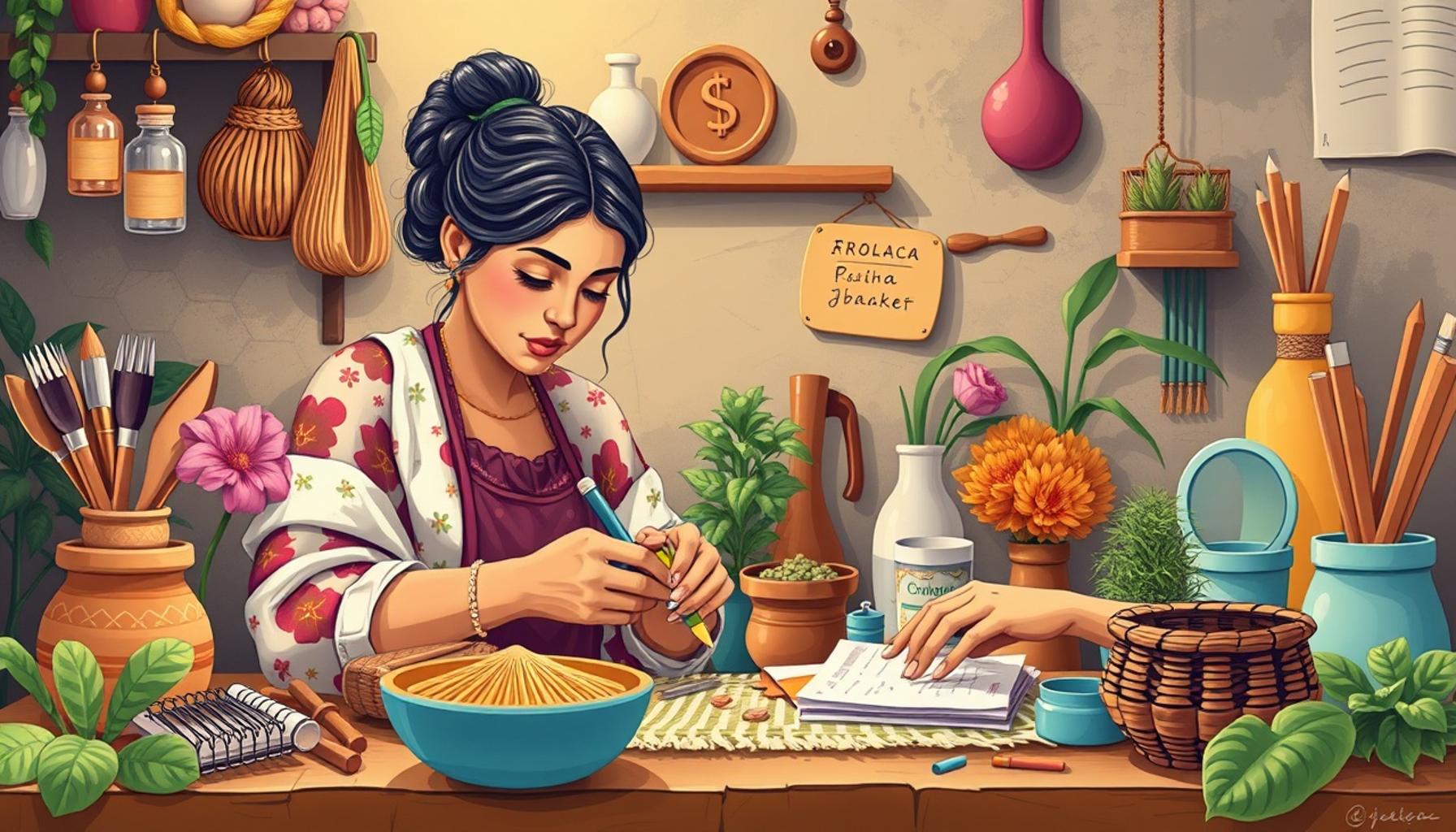
In a society where the pace of life often seems to accelerate beyond control, many individuals are turning to simple, yet profoundly impactful activities to find tranquility. One such activity is the art of crafting, which serves as a meditative practice that engages the hands and quiets the mind. Handicrafts not only unleash creativity but also provide a range of benefits that can significantly improve mental health and well-being.
Benefits of Crafting for Mindfulness
Engaging in handicrafts has been associated with increased happiness and reduced stress levels, offering a wholesome way to unwind. Some of the key advantages include:
- Enhanced Focus: Crafting requires a significant amount of concentration. This level of focus can offer a respite from daily stresses, allowing individuals to immerse themselves in the moment. For instance, someone might find joy in the intricate patterns of embroidery or the rhythmic movements of knitting, which act as a form of therapy.
- Creative Expression: Crafting serves as an essential outlet for self-expression, enabling individuals to manifest their thoughts and emotions through art. Whether it’s the vibrant colors used in a painting or the textures explored in pottery, these creations can reflect personal stories and experiences.
- Sense of Accomplishment: Completing a crafting project provides a sense of satisfaction and boosts self-esteem. Whether it’s finishing a quilt or assembling a model airplane, the tangible results of one’s efforts can lead to a fulfilling sense of achievement.
Crafting Activities to Explore
There is a wide variety of crafting forms that promote mindfulness, with popular choices encompassing:
- Knitting and Crocheting: The repetitive motions involved in knitting and crocheting often induce a meditative state, calming the mind while creating beautiful, functional items. These activities have gained popularity among various age groups in the U.S., with knitting circles emerging as vibrant community hubs.
- Painting and Drawing: Engaging in painting and drawing encourages free thought and emotional expression, allowing individuals to explore their creativity without boundaries. Art classes, often offered in community centers, serve as excellent avenues for nurturing this creative outlet.
- Woodworking: This meticulous craft not only involves creativity but also demands precision and focus, providing a rewarding experience when producing handmade furniture or art pieces. Workshops are frequently available for those who wish to learn and connect with others who share similar interests.
The calming effects of crafting can lead to a more serene lifestyle. As more people turn to these activities for relief, the potential for personal growth and stress management becomes increasingly clear. It is a testament to the enduring human spirit, showing that by embracing simplicity and creativity, individuals can achieve greater peace and fulfillment in their lives. Crafting is not merely a hobby; it is a pathway to mindfulness and self-discovery, encouraging everyone to pick up their materials and explore the possibilities.
The Therapeutic Effects of Crafting
Crafting is more than just a pastime; it has been recognized as a therapeutic medium that enhances mental wellness. Through various forms of handicrafts, individuals can engage in activities that evoke a sense of mindfulness, helping them escape the clutches of a fast-paced world. Notably, studies have shown that engaging in creative practices can lead to reduced anxiety and depression. The delicate balance between creativity and concentration in crafting encourages a flow state, allowing individuals the freedom to lose themselves in the process of creation.
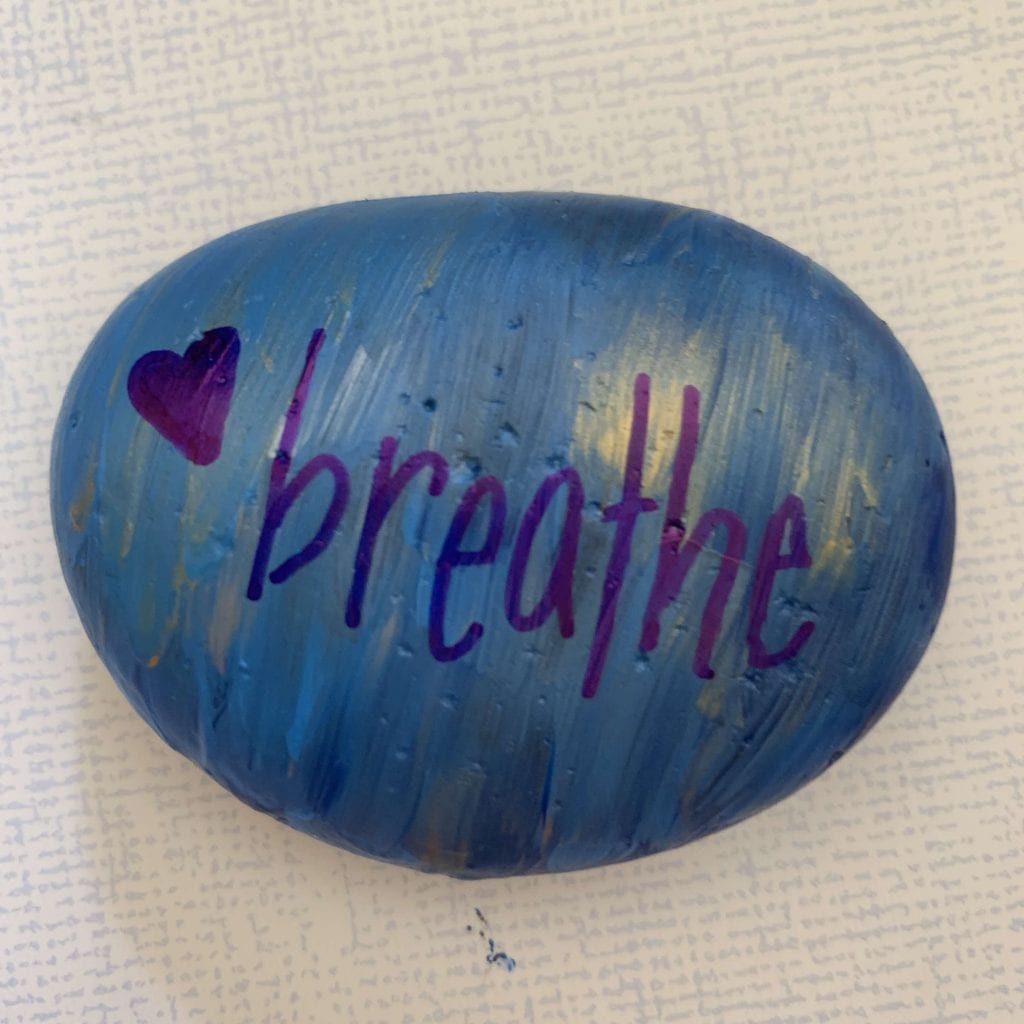
Furthermore, the tactile nature of crafting engages the senses, providing a sensory experience that further aids mindfulness. Many crafters report that the sensation of soft yarn slipping through their fingers or the fragrance of fresh paint inspires them to focus solely on the task at hand, distancing themselves from daily worries. This sensory involvement not only centers attention but also provides an opportunity for reflection and mental clarity.
Exploring Different Crafting Options
With a plethora of crafting options available, there is virtually something for everyone looking to incorporate mindfulness into their lives. Here are some popular crafting activities that promote relaxation and focus:
- Sewing: This traditional craft allows for creativity while enhancing fine motor skills. As individuals stitch together fabric into beautiful garments or accessories, they find solace in the repetitive motion, turning sewing into a mindful experience.
- Papercraft: Whether it’s origami, scrapbooking, or card-making, paper crafts offer a versatile outlet for creativity. The act of folding, cutting, and arranging paper can be incredibly soothing, fostering a sense of accomplishment as each piece comes together.
- Gardening Crafts: Combining crafting with nature, activities such as flower arranging or creating succulent terrariums provide a unique form of therapy. Engaging with living plants encourages mindfulness, and the vibrant colors enhance the overall sensory experience.
As individuals explore these diverse crafting options, they can discover not only new skills but also insights into their own emotional landscapes. Crafting can often expose hidden feelings, fostering a deeper connection with oneself. By approaching these activities with intention, crafters are reminded that the journey of creation is as valuable as the final product, reinforcing the idea that moments of peace can be found in even the simplest of tasks.
Mindful crafting invites individuals to slow down, engage with their environment, and find joy in the process of making. As the demands of life continue to weigh heavy, the growing popularity of handicrafts offers a promising respite, encouraging a balanced approach to well-being through creative expression.
| Advantage | Description |
|---|---|
| Stress Reduction | Engaging in handicrafts can significantly lower stress levels, allowing individuals to focus on the task at hand and escape daily pressures. |
| Enhanced Focus | Mindful crafting promotes deep concentration, encouraging a meditative state that fosters relaxation and mental clarity. |
| Creativity Boost | The act of creating with hands stimulates imagination and creativity, offering a fulfilling outlet for self-expression. |
| Community Connection | Crafting often encourages social interaction, building a sense of community and shared experience among enthusiasts. |
Engaging in handicrafts is not merely about creating tangible items; it is an opportunity to tap into a profound sense of mindfulness. As individuals navigate through life’s challenges, the act of creating allows them to center themselves, enhancing both emotional well-being and mental health. One particularly appealing aspect is the ability to foster connections with others who share this passion. Workshops and crafting circles offer spaces to exchange ideas, collaborate on projects, and experience the joy of community learning. Every stitch, every brushstroke, adds layers to our understanding of ourselves and our environment. Through this mindful practice, one can discover not just the benefits of the craft itself, but also the therapeutic effects it brings to life. The journey of crafting becomes a personal narrative steeped in calmness and meaning, inviting individuals to explore their creativity while nurturing their mindfulness.
Crafting as a Pathway to Mindfulness
Beyond the immediate therapeutic benefits, crafting can serve as a profound pathway to mindfulness, enriching everyday life. Individual activities may vary, but they share the underlying principle of encouraging presence and awareness in the moment. The repetition involved in crafting—whether it’s knitting the same stitch or cutting paper into specific shapes—induces a meditative state that not only calms the mind but also allows for introspective thought.
The Science Behind Crafting and Mindfulness
Research in both psychology and neuroscience supports the idea that engaging in crafting activities can activate different parts of the brain associated with pleasure and stress relief. As highlighted in a study published in the journal Art Therapy, participants who engaged in a range of artistic activities, including crafting, experienced significantly lower levels of cortisol, the stress hormone. The findings emphasize that immersing oneself in creative processes can lead to not only better emotional health but also improved cognitive function.
Additionally, crafting can help to build resilience. The challenges faced during crafting—whether dealing with a stubborn knot in a piece of yarn or crafting a complex origami design—mirror life’s difficulties. Learning to navigate these challenges can foster a sense of achievement and self-efficacy, ultimately empowering individuals to face obstacles outside their crafting sessions.
Group Crafting and Community Connection
In recent years, crafting has evolved into a community-driven practice that brings people together. Group crafting sessions, like weekly knitting circles or community scrapbooking meetups, not only provide social interaction but also create an environment of shared mindfulness. These gatherings facilitate connections, allowing participants to share stories, tips, and experiences while promoting a sense of belonging. Such interactions can lessen feelings of loneliness or isolation, which are prevalent in modern society.
Participating in these community sessions can also enhance the crafting experience by allowing individuals to draw inspiration from one another. Engaging in dialogue about techniques and personal projects creates a platform for collective learning, ultimately broadening one’s skills and understanding of crafting.
Integration of Crafting in Daily Routines
For those looking to incorporate mindfulness through crafting into their daily lives, it is essential to establish a routine. Setting aside specific times for crafting—be it ten minutes in the morning to sketch or an hour in the evening to crochet—can cultivate a dedicated mindfulness practice. Enhancing your environment can also play a role; consider creating a designated crafting corner that invites calmness and creativity. Thoughtful arrangements of tools, materials, and light can inspire engagement and focus.
Moreover, the aspect of mindful crafting doesn’t strictly have to involve traditional arts and crafts; it can also extend to activities like baking, cooking, or DIY home projects. Each of these activities allows for intentional thought, focus, and the opportunity to disconnect from external distractions. The ultimate goal is creating a sacred moment dedicated to oneself, where calmness flourishes through creativity.
Ultimately, embedding mindful crafting practices into everyday life can transform not just how individuals view their creative endeavors but also enhance their overall capacity for resilience, reflection, and relaxation.
Embracing Crafting for a Mindful Existence
In a world where distractions abound and stress levels can soar, crafting offers a remarkable avenue for cultivating mindfulness and enhancing well-being. Engaging in various handicrafts not only provides an outlet for creativity but also serves as a powerful tool for relaxation and emotional health. Through the meditative practices of repeating actions and focusing on the present, individuals can significantly reduce stress and improve their mental state.
The science supports this notion, revealing how crafting can lower cortisol levels and foster dopamine release, which are essential for emotional resilience. Moreover, crafting fosters community connections, allowing individuals to share their experiences and build relationships, creating a sense of belonging that is increasingly valuable in today’s fast-paced society. Crafting groups enable participants to learn from one another, enriching both skills and social bonds.
To fully embrace the benefits of mindful crafting, it is imperative to integrate it into daily routines, making it a dedicated part of life rather than a sporadic activity. Setting aside specific times to explore various creative projects can provide essential moments of calm amidst a demanding schedule. By doing so, individuals can nurture their creativity and develop a mindset that appreciates the present, ultimately leading to a more fulfilling and balanced life.
As we continue to navigate the complexities of modern life, let us remember the transformative power of crafting. Whether one picks up a pair of knitting needles or engages in a cooking session, these activities are vital not just for personal enjoyment but as essential practices for mindfulness, connection, and calmness in our daily existence.