Crafts for Children: Creative Activities that Stimulate Cognitive and Emotional Development
Exploring the Benefits of Crafting for Children
In an increasingly digital world, crafting stands out as a vital conduit for children to unlock their creativity while honing vital skills. Engaging in creative activities not only stimulates a child’s imagination but also plays a crucial role in their overall cognitive and emotional development. From making friendship bracelets to assembling model airplanes, each craft undertaken is not merely a pastime—it is an opportunity for young minds to thrive.
The benefits of including crafting in children’s daily routines are manifold and can shape their growth in profound ways. Here are some key advantages:
- Improved Motor Skills: Simple activities such as cutting paper, gluing pieces together, and painting with brushes enhance fine motor skills. These skills are essential as they form the foundation for various tasks, including writing and using tools in everyday life.
- Boosted Creativity: Craft projects foster innovative thinking and self-expression. When children are encouraged to brainstorm ideas and work with their hands, they learn to approach problems with creativity and resourcefulness—important skills that will serve them well throughout their lives.
- Emotional Wellbeing: Completing craft projects provides children with a sense of achievement and boosts their confidence. This emotional gratification can be particularly beneficial as children face challenges, teaching them resilience and perseverance.
Crafting can be seamlessly integrated into various settings, whether in schools or at home. Educational art programs in schools across the United States often incorporate craft projects that align with learning objectives, thereby fostering a love for academia. For instance, teachers may create a project that involves constructing dioramas for history lessons, seamlessly blending education and creativity.
Families can further enhance these experiences through dedicated crafting nights, providing quality time and bonding opportunities. Projects can range from making seasonal decorations to creating handmade cards for special occasions, allowing children to express their thoughts and emotions creatively.
Diving into the diverse world of crafts allows parents and educators to cultivate essential skills in young learners. For example, activities like tie-dye or pottery not only encourage creativity but also teach children about colors, patterns, and even the science of materials. As we uncover more about these enriching activities, it becomes evident that crafting is not just fun, but an integral part of nurturing well-rounded individuals.
In light of these insights, it is clear that incorporating crafting into children’s lives can have lasting benefits that go beyond mere amusement. The hands-on experience women embrace through arts and crafts can lead to enhanced problem-solving skills and emotional intelligence, paving the way for well-adjusted adults. It’s time to delve deeper into specific crafting projects that not only entertain but also stimulate growth in cognitive and emotional domains.
Unleashing Imagination Through Crafting
Crafting provides children with an exhilarating pathway to explore their creativity while simultaneously enhancing essential cognitive functions. Engaging in simple and interactive activities can lead to significant cognitive gains, impacting areas such as spatial awareness, problem-solving abilities, and emotional intelligence. By immersing themselves in hands-on projects, children begin to experience a world where ideas come to life, ultimately nurturing their developmental journey.
One of the primary cognitive advantages of crafting is its ability to foster critical thinking and problem-solving skills. When children take on a craft project, they must plan, imagine, and execute their ideas. Whether they are building a birdhouse or creating a paper mache sculpture, they learn to identify challenges, experiment with various materials, and develop solutions. This iterative process encourages them to think outside the box—a skill set that extends beyond art into everyday life situations.
- Enhanced Memory: Crafting helps improve memory retention as children often recall the steps to complete a project. Remembering techniques, instructions, and sequences reinforces their ability to focus and retain information.
- Increased Attention Span: Engaging in crafts cultivates patience and a longer attention span, allowing children to focus on a single project over an extended period. This skill is particularly important in academic settings, where sustained focus is essential for learning.
- Understanding Cause and Effect: Experimenting with materials—such as mixing colors or utilizing glue and paper—teaches children about consequences. Learning what works and what doesn’t develops their ability to make connections and understand complex ideas.
In addition to cognitive growth, crafting serves as a vital platform for emotional development. Each time a child completes a project, they experience a unique sense of fulfillment and pride. This accomplishment not only builds confidence but also encourages them to set personal goals—an excellent precursor to future success. For instance, creating a scrapbook allows children to reflect on cherished memories while expressing their feelings. This form of artistic storytelling enhances their emotional literacy, enabling them to communicate complex emotions more effectively.
The impact of crafting extends into social dynamics as well. Group crafting activities, whether in classrooms or at home, enable children to collaborate and share ideas. These interactions foster teamwork, teach conflict resolution, and enhance communication skills. It’s important for children to learn how to appreciate different perspectives and manage group dynamics, all of which are essential skills for navigating friendships and future professional endeavors.
As part of building a well-rounded foundation for children, the arts must not be overlooked. The growth they experience through crafting instills a sense of enthusiasm for exploration and creative expression. Additionally, it equips them with valuable skills that lay the groundwork for lifelong learning. With the myriad of benefits on display, it becomes clear that crafting is much more than just an enjoyable hobby—it is a catalyst for profound personal growth and development.
| Category | Key Features |
|---|---|
| Fine Motor Skills | Engaging in crafts, such as cutting, gluing, and painting, significantly enhances children’s fine motor skills. |
| Creative Thinking | Crafts promote out-of-the-box thinking and encourage children to express their unique ideas. |
| Emotional Expression | Artistic activities provide an outlet for children to communicate their feelings and tell stories visually. |
| Social Skills | Working on group projects enhances cooperation and helps children develop camaraderie. |
Craft activities are versatile tools for enhancing various skills in children. For instance, fine motor skill development is crucial for performing everyday tasks such as writing and eating. Engaging in manual tasks strengthens hand-eye coordination and dexterity. Beyond the physical aspects, creative thinking flourishes through open-ended crafting projects, allowing children to explore unconventional ideas and solutions. Thus, they become better problem solvers as they age.Additionally, the emotional benefit of crafts cannot be overstated. Through artistic expression, children can articulate their emotions, conveying complex inner worlds that words might fail to encapsulate. This encourages emotional intelligence, a vital skill in today’s socially interconnected environment. Furthermore, social skills are nurtured through collaborative crafting activities, where teamwork and negotiation come into play. With each project, children learn to respect others’ ideas and contribute their own in meaningful ways.Through these engaging and beneficial activities, crafts serve not just as tools for entertainment but as powerful vehicles for cognitive and emotional growth. This hands-on learning approach opens the door to a treasure trove of developmental opportunities, making crafting essential for early childhood education.
Cultivating Skills Through Diverse Crafting Techniques
Crafting encourages exploration through a variety of techniques and media, each offering unique developmental benefits. By introducing children to diverse materials—such as clay, fabric, paper, and natural elements—parents and educators can create rich learning environments that stimulate both creativity and critical skills. Such techniques not only enhance artistic expression but also broaden children’s horizons, nurturing a lifelong appreciation for the arts.
For instance, clay modeling allows children to strengthen their fine motor skills while manipulating a textured material. As they roll, pinch, and sculpt, they refine their hand-eye coordination—abilities that are crucial for writing and other academic tasks. Moreover, the tactile experience of clay can lead to sensory exploration, offering children an exciting way to express emotions through touch and form.
Textile crafts, like sewing or weaving, provide a multi-faceted approach to learning. These activities involve following patterns, a skill that enhances logical reasoning and sequential thinking. As children gather materials and practice different stitches, they cultivate patience, resilience, and attention to detail. Notably, sewing also allows for discussions about sustainability and upcycling, instilling an early awareness of environmental stewardship as children create treasures out of what might be considered trash.
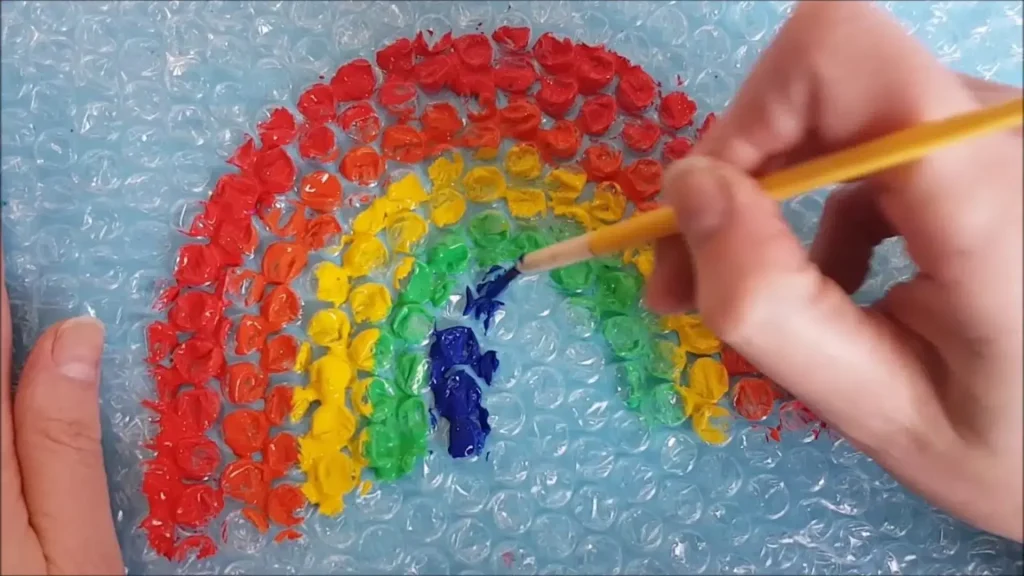
Painting and drawing are perhaps the most recognized forms of artistic expression. These practices facilitate self-expression and help children process complex emotions, fostering emotional regulation. The visual arts encourage children to convey their feelings in a language of color and form, which can be particularly helpful for those who struggle with verbal communication. Whether through finger painting or using watercolors, children learn to channel their emotional experiences into creative outlets, promoting mental wellness.
Incorporating Nature into Crafts
Crafting doesn’t always need to happen indoors. By incorporating nature-based crafts, children gain an appreciation for the environment and its resources. Activities like making leaf rubbings, creating flower crowns, or constructing bird feeders encourage outdoor exploration and nurtures a sense of wonder. This engagement with nature not only bolsters creativity but also builds environmental consciousness, connecting them to the world around them.
Moreover, sensory projects that involve elements like sand, water, or natural dyes can be particularly effective for younger children. Such projects allow for exploratory play, promoting sensory development as children observe textures and colors while engaging in the crafting process. These sensory experiences contribute to their overall cognitive and emotional growth, helping them connect abstract ideas with tangible experiences.
Digital Crafting Possibilities
With the rise of technology, digital crafting offers a new frontier for creative expression. Using apps and software, children can create digital art, animations, or even virtual crafts that respond to their artistic intentions. This modern approach connects the traditional aspect of crafting with contemporary skills, such as coding and design—tools that are becoming increasingly relevant in today’s digital world.
The integration of digital platforms in crafting activities fosters innovative thinking, as children learn to navigate new software and apply artistic concepts in exciting ways. Furthermore, it encourages collaboration as they can share their creations with peers, receiving feedback on their work and learning to appreciate varying viewpoints.
In summary, the expansive landscape of crafting techniques—from traditional to digital—offers children countless opportunities to engage their minds and hearts creatively. By embracing these diverse modalities, caregivers and educators can cultivate inquisitive minds and compassionate hearts, affirming the integral role that arts play in holistic child development.
Conclusion
In an age where screen time often takes precedence, craft activities serve as a refreshing antidote, enriching children’s minds and hearts through hands-on engagement. The world of crafting provides children with essential skills that go beyond mere artistic expression; it nurtures cognitive development by enhancing problem-solving abilities and critical thinking skills. Moreover, the emotional benefits of crafting, such as increased self-awareness and emotional regulation, are indispensable in today’s fast-paced environment.
By embracing a variety of crafting techniques—from traditional methods like clay modeling and sewing to modern digital platforms—parents and educators can pave the way for children to explore their creativity. Each method fosters a sense of accomplishment and boosts confidence while also instilling values such as sustainability and collaboration. Nature-based crafts further add depth, promoting outdoor exploration and ecological mindfulness.
As you consider implementing more crafting opportunities for children, remember that these creative pursuits can be both fun and educational. They not only prepare children for academic challenges but also equip them with emotional intelligence and resilience—skills that will carry well into adulthood. By prioritizing crafts and creative activities, we set the stage for holistic child development, encouraging the kind of innovative and open-minded individuals our future world needs.
Ultimately, the journey of crafting is not solely about the final product but rather about the process itself—a beautiful blend of imagination, learning, and growth that deserves to be cherished and fostered. Call to action: Explore local crafting classes, gather supplies at home, or dive into digital creativity, and watch as children blossom through the power of art.