Craftsmanship and Identity: Personal Expression Through Creative Projects
Understanding Craftsmanship as a Reflection of Identity
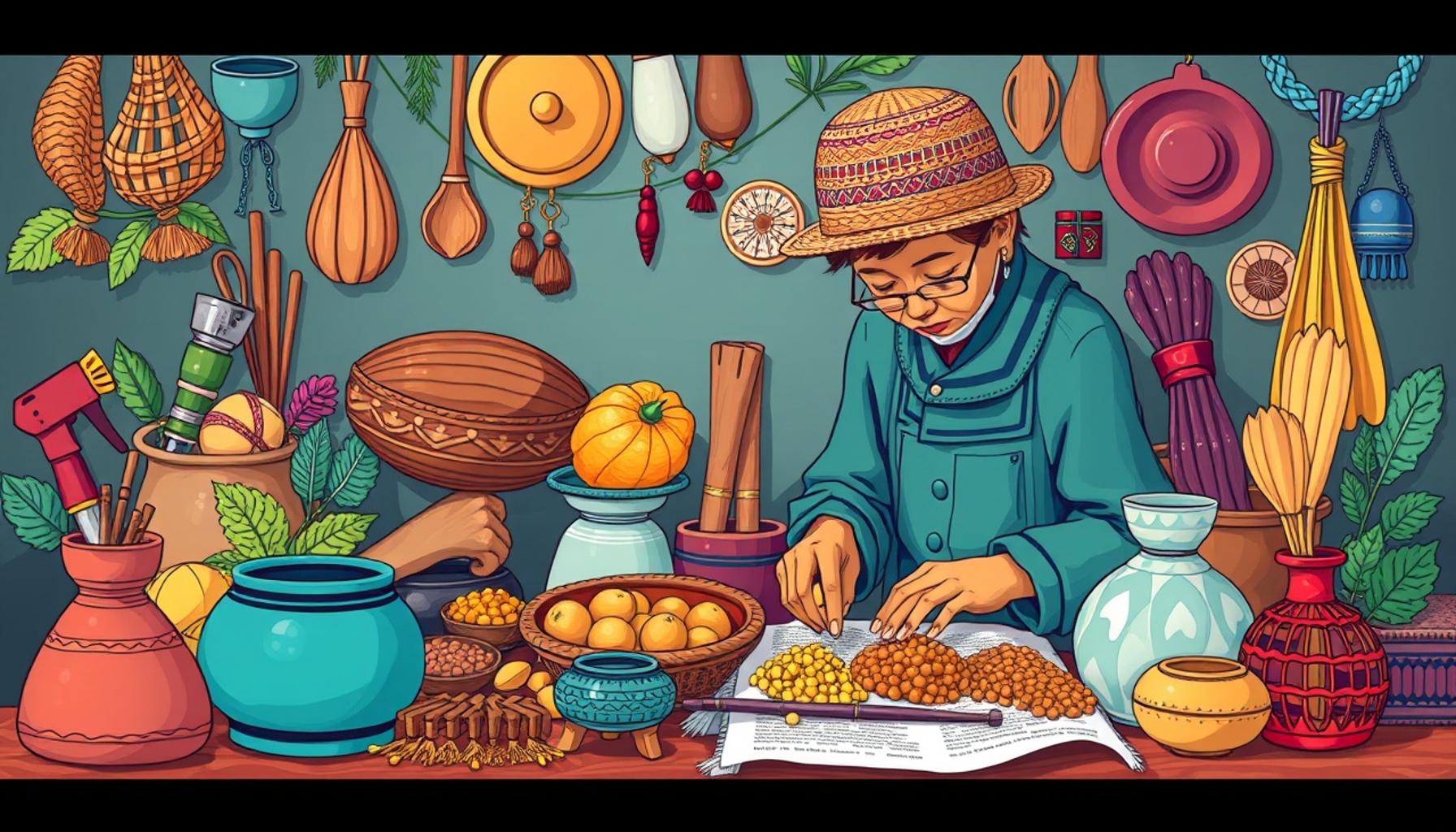
The act of creating transcends the boundaries of a mere hobby; it stands as a profound avenue for self-expression and identity formation. Craftsmanship, whether it be through traditional methods or contemporary digital platforms, provides a unique canvas on which individuals can articulate their personal narratives and life experiences. This exploration highlights the integral connection between creative practices and the multifaceted aspects of identity.
Engaging in craftsmanship allows us to draw from our unique experiences and cultural backgrounds, reflecting diversity and individuality. The methods in which this creativity is expressed can vary widely, including:
- Visual Arts: This category includes a variety of forms such as painting, sculpting, and mixed media. Artists often weave elements from their heritage, emotions, and societal observations into their visual works, creating pieces that resonate on both personal and communal levels.
- Handicrafts: Through pursuits like knitting, woodworking, and ceramics, artisans create functional yet beautiful items that tell stories of tradition and craftsmanship. For instance, a handmade quilt may incorporate patterns that speak to a family’s history or cultural significance, becoming a cherished heirloom for generations.
- Digital Creations: In the modern era, graphic design, photography, and online art have emerged as vital forms of expression. Creators utilize technology to share their perspectives, often addressing contemporary social issues through visually impactful pieces that engage a broad audience.
Every project serves as a form of personal expression where creators infuse their works with emotional depth, cultural significance, and social relevance. For many, these creations extend beyond mere aesthetics; they transform into extensions of the self, firmly rooted in identity. For instance, a Puerto Rican artist might incorporate traditional designs and vibrant colors reminiscent of their heritage into their artworks, creating a dialogue about cultural identity and representation.
Moreover, the interplay between craftsmanship and identity is not merely evident in the end products but also in the very process of creation. This journey of crafting allows individuals to embark on a path of exploration and discovery, revealing insights about themselves and their places within their communities. Whether it’s learning a new technique or reflecting on personal experiences, the act of making encourages self-reflection and connection.
As we delve deeper into these themes in upcoming sections, we invite you to uncover stories that emphasize the essence of personal expression through craftsmanship, illuminating how creativity continues to shape identities across the nation.

The Journey of Creative Exploration
To truly grasp the essence of craftsmanship and identity, it is crucial to consider the journey every creator embarks upon. Engaging in creative projects can often mirror the artist’s personal history, emotions, and aspirations. This process not only cultivates individual skill but also fosters a deeper understanding of oneself within the context of larger societal frameworks. Through the lens of various forms of craftsmanship, it becomes evident how every stroke of paint, knit of yarn, or click of a camera can serve as a metaphorical mirror reflecting the artist’s identity.
Various avenues of craftsmanship stand as testament to this intimate connection between creation and the self. Each form offers a unique perspective into the emotional landscapes that inform a creator’s work. Here are some notable areas where craftsmanship vividly intertwines with personal expression:
- Culinary Arts: The world of food presents a vibrant canvas for craft. Culinary artists express their identities through regional dishes and cultural recipes, translating rich histories into generous plates. For example, a chef might incorporate traditional Southern ingredients, reflecting their roots and family traditions, while simultaneously exploring contemporary culinary trends.
- Textiles and Fashion Design: Clothing and fabric art serve as powerful statements of personal and cultural identity. Designers often draw inspiration from ancestral patterns and cultural symbolism, creating collections that resonate with both personal meaning and broader cultural narratives. An Indigenous designer’s work might feature traditional motifs that celebrate their heritage while engaging with modern aesthetics.
- Performing Arts: Dance, theater, and music provide dynamic platforms for storytelling. Performers often channel personal experiences into their art, using movement, dialogue, or melodies to convey their individual journeys. Community theater productions, for example, may showcase local histories and societal challenges, creating a dialogue between the performers and their community.
As these varied forms of craftsmanship illustrate, the act of creating becomes an intricate part of the artist’s identity. The materials chosen, the techniques employed, and the thematic focus of their work all provide insights into the creator’s life story and cultural perspective. Each project is not just a product; it signifies a chapter in a larger narrative—the narrative of self-discovery and expression.
The repetitive motions, the unexpected mishaps, and the euphoria of completing a piece have all been known to ignite self-reflection. This process encourages artists to grapple with their emotions and experiences, often leading to revelations about their roles within their communities. For instance, a burgeoning sculptor may initially find comfort in shaping clay but eventually realizes their work starts conversations about identity and societal context. In such instances, the transformation is not solely of the raw material; it is also a transformation of the self, fueling a deeper understanding of identity and purpose.
In uncovering the layers of personal expression through craftsmanship, one begins to see how each craft form serves as a unique lens through which individuals articulate their identities. The artistic journey is as significant as the final creation itself, unlocking doors to self-exploration and communal connection.
| Advantage | Description |
|---|---|
| Enhanced Personal Identity | Craftsmanship provides individuals an avenue to showcase their unique talents, enhancing their personal identity through hands-on creativity. |
| Emotional Connection | Engaging in creative projects instills a sense of accomplishment and emotional satisfaction, fostering deeper connections with one’s work. |
| Skill Development | Crafting encourages continuous learning and mastery, contributing to personal and professional growth in various artistic disciplines. |
| Community Engagement | Participating in craft communities fosters collaboration and networking, enhancing one’s creative journey through shared resources and inspiration. |
Exploring the realm of craftsmanship can significantly influence personal identity. The act of creating not only reflects who you are but also allows for a deeper understanding of the self. Investing time in creative projects can illuminate hidden talents and passions. Moreover, this pursuit can foster unique connections with others who share similar interests, while also cultivating community and support. Mastering different techniques not only adds to one’s skill set but also promotes resilience and adaptability—essential traits in driving personal and professional success. Craftsmanship embodies the blend of art and necessity, allowing everyone to mold their identity through tangible expressions in various forms.
The Intersection of Community and Individuality
As the tapestry of craftsmanship is woven with threads of personal experience, it also finds itself interlaced with the vibrant fabric of community. Craftsmanship and identity cannot be fully appreciated without acknowledging the significant influence that cultural and communal contexts exert on individual creators. Whether through local artisanship or collective artistic movements, the symbiotic relationship between the artist and their community enriches the process of creation.
Many craft forms are inherently communal activities that foster collaboration, mentorship, and shared narratives. For instance, in the realm of ceramics, potters often engage in collective workshops, where techniques are shared, and stories are exchanged. A novice potter’s clay work may reflect not only their personal trials and triumphs, but also the wisdom and traditions of their mentors. These interactions ultimately become a crucible for personal expression, creating a lineage of craftsmanship that honors both individual and collective identities.
Moreover, community events such as craft fairs and art markets serve as platforms where artisans display their creations, forging connections that transcend individual endeavors. These events often highlight the diversity of artistic expression and cultural representation, enabling creators to share their background stories through their work. For example, a Native American bead artist might present pieces that convey traditional stories and local lore, inviting onlookers into the realm of their heritage. Such settings not only foster appreciation for cultural diversity but also facilitate a sense of belonging for both creators and participants.
The influence of community is also apparent in the growing trend of socially engaged art. Artists are increasingly utilizing their crafts to address societal issues, challenge norms, and address injustices. This form of activism, rooted in craftsmanship, collaborates closely with communities to amplify voices that may otherwise go unheard. A mural project in a neighborhood grappling with social change can serve as both a personal statement by the artist and a visual representation of collective struggles and aspirations. Such initiatives illustrate the profound connection between craftsmanship, identity, and the quest for social equity.
Additionally, technology plays a crucial role in refining how craftsmanship interacts with community identity. Platforms like social media and online marketplaces have revolutionized the way artisans connect with audiences and promote their work. These platforms allow artists to share their stories, showcasing their cultural backgrounds and catering to niche markets. For instance, a fiber artist specializing in eco-friendly materials may reach an audience passionate about sustainability, tying their personal ethos to a growing global movement. This interconnectedness not only enhances personal expression but also engenders a broader community dialogue surrounding craftsmanship and environmental consciousness.
As the conversation surrounding craftsmanship and identity continues to evolve, it becomes clear that the individual’s journey is intimately linked with their community. The amalgamation of personal and collective expression leads to a rich exploration of identity, allowing artisans to create works that are not only unique to their experiences but also resonate deeply within the societal context. This intersection serves as an ongoing invitation to explore the complex layers that define our identities through the lens of creativity and craftsmanship.
Conclusion
In exploring the multifaceted relationship between craftsmanship and identity, it becomes evident that personal expression is a dynamic interplay between the individual and their surrounding community. Each creative endeavor serves as a testament to not only the artisan’s unique experiences but also the rich cultural narratives that shape their work. The collective spaces of workshops, craft fairs, and community projects highlight how the art of crafting is a shared journey, where collaboration and mentorship lead to deeper connections and a sense of belonging.
As artisans infuse their creations with the stories, traditions, and social issues relevant to their communities, they not only craft functional objects but also weave the fabric of identity into their work. This is particularly impactful in socially engaged art, where artists harness their craftsmanship to spark dialogues, advocate for change, and address societal injustices. Furthermore, the rise of digital platforms has revolutionized accessibility, enabling artisans to reach broader audiences while retaining the authenticity of their cultural narratives.
Ultimately, the dialogue surrounding craftsmanship and identity invites us to appreciate the layers of personal expression as they intersect with community and culture. It encourages both artisans and enthusiasts to embark on a continuous journey of discovery, prompting us to reflect on how our own identities shape and are shaped by the creative projects we pursue. As the landscape of craftsmanship evolves, so too does the potential for meaningful expression that resonates across generations and borders, enriching our collective human experience.