Digital Craftsmanship: How Technology is Transforming the Creation and Sale of Handmade Items
The Digital Renaissance of Handmade Goods
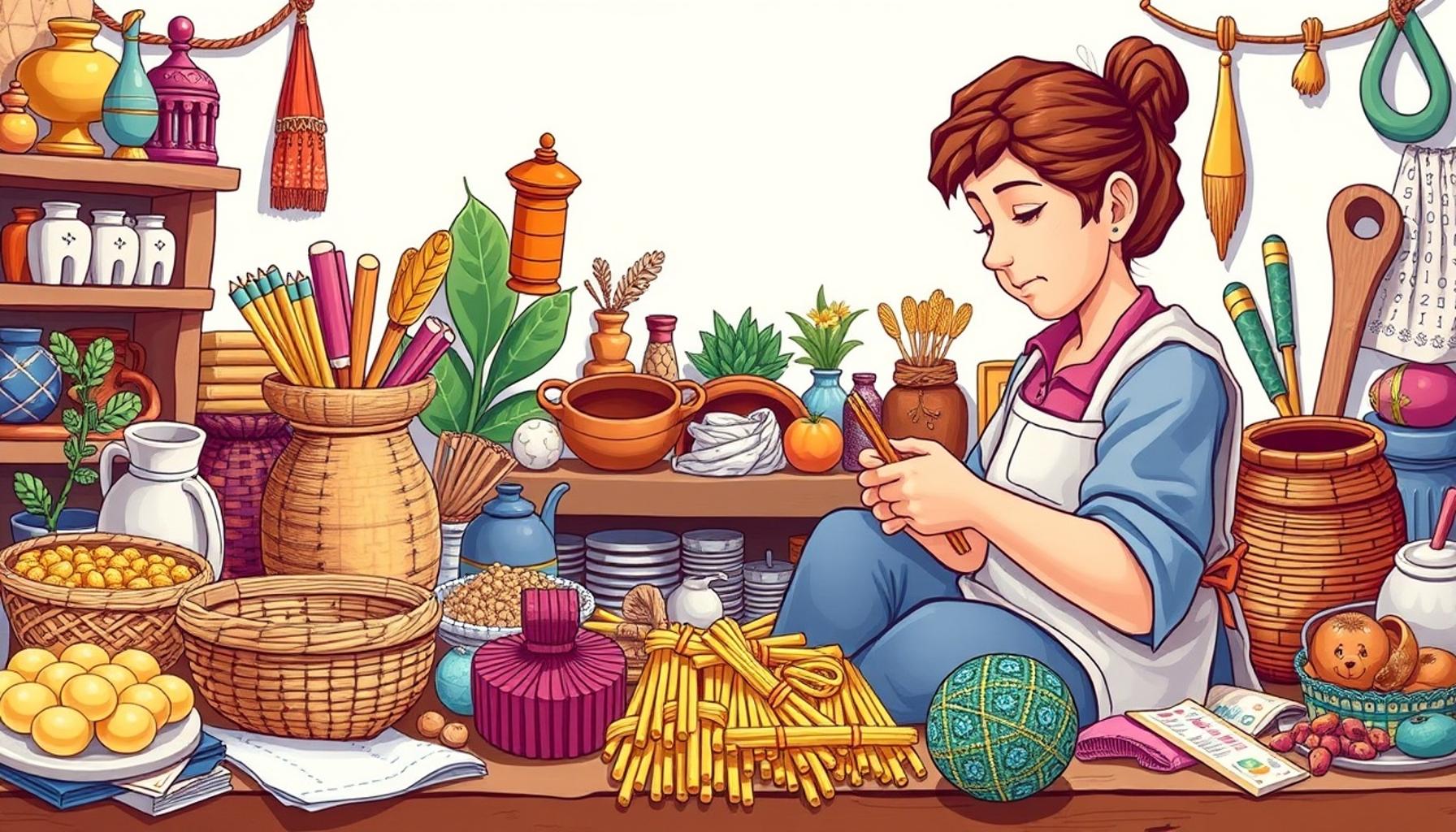
In today’s technology-centric world, the realm of handmade goods is witnessing a remarkable transformation as artisans embrace digital craftsmanship. This evolution is not only breathing new life into traditional artistry but is also making it accessible on a global scale, redefining the methodologies of creation and sales. Artisans are no longer confined to local markets or craft fairs; instead, they can now tap into a worldwide audience, thanks to online platforms.
Expanding Marketplaces for Artisans
Marketplaces such as Etsy, Shopify, and Amazon Handmade have revolutionized how artisans can present their work, offering robust tools that streamline the buying and selling process. For example, Etsy has become synonymous with handmade and vintage items, providing a dedicated platform for makers to create their online shops without needing extensive technical background knowledge. Similarly, Shopify allows creators to set up their branded storefronts, giving them more control over their branding and customer interactions.
Technological Innovations Empowering Artisans
Innovations like drones, 3D printing, and digital design software are empowering artisans to push the boundaries of their crafts. Drones, for instance, can aid in product photography, allowing creatives to capture their items from unique angles, enhancing their visual appeal. Meanwhile, 3D printing has emerged as a game changer in crafting, enabling artists to produce intricate designs that were previously time-consuming or impossible to achieve by hand.
Furthermore, digital design software, such as Adobe Illustrator and Canva, allows artisans to create precise designs and prototypes, ensuring that their vision translates accurately into the physical product. This ability to innovate at a rapid pace is reducing the traditional materials cost and time commitment, as it facilitates experimentation and iteration.
Key Benefits of Digital Craftsmanship
The integration of these technologies leads to several key advantages for artisans:

- Customization: Artists can offer personalized designs tailored to customer preferences, enhancing customer engagement and satisfaction. For instance, a jewelry maker can provide clients with the option to inscribe meaningful messages onto their pieces.
- Efficiency: Advanced technology allows for quicker production cycles and reduced waste. For instance, using digital cutting machines can significantly cut down the time needed to create fabric patterns for couture fashions, allowing designers to fulfill orders more rapidly.
- Marketing: Social media platforms like Instagram and Pinterest serve as vital tools for artisans to showcase their work, create a narrative around their brand, or even offer behind-the-scenes glimpses into their creative processes, thus drawing in potential customers.
A Shift in Artisan Engagement
The convergence of technology and craftsmanship is not merely a fleeting trend; it signifies a profound shift in how artisans interact with both their medium and their customer base. This evolution encourages ongoing exploration and innovation, as independent creators find new ways to combine age-old techniques with contemporary technology.
As we delve deeper into this captivating realm, we will explore specific case studies of successful artisans who have effectively harnessed these digital advancements. Their stories promise to inspire and illuminate how this fusion of the old and new is sculpting the future of handmade items.
Reimagining the Art of Handmade Creations
The surge in digital craftsmanship has not only opened new avenues for artisans but has also transformed the very essence of how handmade goods are conceived, produced, and marketed. As technology evolves, artisans are leveraging it to not just preserve, but also elevate traditional craft techniques, creating products that resonate with a contemporary audience. This transformation is particularly significant in the United States, where a growing appreciation for artisanal goods pairs beautifully with the conveniences offered by digital innovation.
The Role of E-commerce Platforms
E-commerce sites have become vital lifelines for artisans seeking to establish a presence in an increasingly competitive market. Platforms like Etsy and <strong eBay allow creators to bypass traditional retail channels, reaching customers directly. These platforms are designed to be user-friendly, enabling artisans to set up shop with minimal technological skills. Moreover, the built-in marketing tools provided by these platforms empower artisans not just to list products but also to optimize their store for search engines, enhancing their visibility.
According to a report from the U.S. Small Business Administration, small businesses, including handmade and artisan shops, represent 99.9% of all U.S. businesses. The online medium has empowered these small-scale creators with tools to compete effectively against larger retailers, fostering a viable marketplace for unique and distinctive items.
Integrating Digital Tools into Traditional Crafts
Beyond e-commerce, the integration of various digital tools into the crafting process provides a wealth of opportunities for artisans. Digital design software, such as Procreate and SketchUp, enables artists to visualize and blueprint their creations. This capability fosters a new level of precision and detail that was often unattainable through traditional methods alone. The emergence of tools like laser cutters and engravers allows for intricate designs and customizations, which were previously limited by manual techniques.
Additionally, technology enhances quality control during production. For instance, fabric designers can utilize software to create pattern templates that minimize waste, achieving a higher yield from their raw materials. This not only streamlines the crafting process but also aligns with green initiatives that are gaining traction among consumers who are increasingly concerned about sustainability.
Personalization and Customer Interaction
One of the most compelling advancements brought about by technology is the ability for artisans to offer highly personalized products. Customers today crave unique pieces that reflect their individuality, and advancements in digital craftsmanship make this feasible. Examples include:
- Customized engravings: Artisans can now easily inscribe names or dates on products, making them ideal for gifts.
- Tailored designs: Customers can collaborate with artists using online tools to create custom patterns or products that meet their specific requirements.
- Interactive online marketplaces: Features like 3D previews allow customers to visualize their customizations in real-time, bridging the gap between digital and physical experiences.
This focus on personalization not only enhances customer satisfaction but also fosters a deeper connection between artisans and their clientele, enhancing brand loyalty in an age of mass production.
Looking Ahead: The Future of Digital Craftsmanship
The ongoing blend of technology with traditional crafting is setting the stage for a vibrant future, where artisans can continue to innovate while retaining the essence of handmade goods. With each digital tool introduced, there is potential for a reinvention of what it means to create and sell handmade items. The advent of augmented reality and artificial intelligence in crafting may soon redefine customer interactions and the design process, making the world of artisan products more engaging than ever.
Innovative Platforms and Tools Empowering Artisans
In the landscape of digital craftsmanship, platforms like Etsy, Instagram, and Shopify have revolutionized the way artisans connect with potential customers. These platforms provide not only a marketplace for unique handmade items but also a means for artisans to share their stories and creative processes. Such narratives deepen customer engagement and create a sense of community among buyers and makers. Moreover, digital tools like design software and 3D printing allow creators to prototype and refine their products, enhancing the quality of handmade items while reducing production time.
Social Media: A Catalyst for Exposure
Social media has become a vital component in the marketing strategies of artisans. Platforms such as Pinterest and TikTok allow makers to showcase their work through visually appealing content that can go viral, drawing in larger audiences and potential sales. By employing hashtags and engaging with their followers, artisans can build dedicated communities where their creations receive appreciation and motivation. The ability for customers to share products online creates a ripple effect, expanding visibility and increasing demand.
The Role of E-Commerce in Expanding Reach
Beyond traditional sales venues, the advent of e-commerce has significantly broadened the reach of handmade goods. Small businesses can easily set up online stores with minimal investment, bypassing the limitations of physical shop locations. This democratization means artisans from around the world can sell their unique products globally, catering to niche markets that admire handcrafted authenticity. Additionally, tools like analytics can help artisans understand customer preferences and optimize their offerings based on real-time feedback, driving smarter business decisions.
Sustainability and Eco-Friendly Practices
Technology also supports sustainability efforts in the handmade industry. Artisans now have access to eco-friendly materials and suppliers, which they can promote to environmentally conscious consumers. The digital space allows for transparency in sourcing, promoting ethical practices that resonate well with today’s market trends. With an increasing preference for sustainable products, the intersection of technology and craftsmanship heralds a new age for conscientious consumers and makers alike.
Conclusion (Not to be included)
| Category | Advantages |
|---|---|
| Online Marketplaces | Access global customer bases with ease, expanding revenue opportunities. |
| Social Media Marketing | Enhanced visibility and engagement, facilitating personal connections with customers. |
| E-Commerce Tools | Data-driven insights to optimize products and marketing strategies. |
| Sustainable Practices | Leverage eco-friendly resources, appealing to conscious shoppers. |
Empowering Artisans through Social Media and Online Communities
While e-commerce platforms have revolutionized the market for handmade items, the rise of social media has empowered artisans to build their brands and engage with audiences in unprecedented ways. Platforms like Instagram, Pinterest, and Facebook have become pivotal for creators, allowing them to showcase their process and final products to potential buyers. The visual nature of these platforms is particularly beneficial for artists, as stunning photography and video content can highlight intricate details and craftsmanship that define their work.
Artisans can leverage these channels not only to display their unique creations but also to tell their stories. By sharing insights into their creative processes, artisans foster deeper connections with customers, instilling a sense of authenticity and transparency that resonates with the public. For example, artists who exhibit behind-the-scenes footage of their crafting process are able to draw prospective buyers into their journey, creating a narrative that enhances the value of their products.
The influence of social media transcends mere marketing; it cultivates vibrant online communities where artisans and enthusiasts alike can share ideas, inspirations, and technical advice. Forums and group pages dedicated to specific crafts create spaces for learning and collaboration. This dynamic interaction facilitates the exchange of techniques that blend traditional craftsmanship with modern techniques, allowing artisans to continuously improve and innovate.
Data-Driven Marketing and Analytics
As artisans venture into the realm of digital craftsmanship, the power of data analytics has emerged as a game-changer. Understanding consumer preferences through various analytics tools equips creators with the knowledge to tailor their offerings more strategically. Integrating data on customer behavior—such as which products generate the most engagement or what times yield the best traffic—can inform decisions about inventory, marketing campaigns, and promotional strategies.
Artisans can also utilize SEO (Search Engine Optimization) techniques to amplify the visibility of their products. By employing keyword strategies that resonate with their target audience, craftsmen can significantly improve their chances of appearing in search results. Websites and product descriptions optimized for terms commonly searched by consumers not only attract more visitors but also increase the likelihood of sales conversions.
Sustainability and Ethical Considerations
With this surge in digital craftsmanship comes a rising awareness of sustainability and ethical practices. Many consumers are increasingly motivated to support artisans who prioritize eco-friendly materials and responsible sourcing. Digital platforms allow these creators to communicate their sustainable practices, appealing to an audience that values environmental responsibility. For example, makers using recycled materials in their products can highlight these choices through their online branding and marketing.
The transparency afforded by digital platforms cultivates trust between artisans and consumers. Customers are more likely to choose handmade products from creators who demonstrate a commitment to ethical practices and sustainability. Furthermore, artisans are finding that by sharing their dedication to environmental causes, they can build brand loyalty among conscientious consumers seeking to make a positive impact through their purchases.
- Supporting local economies: With the rise of e-commerce and social media, artisans can thrive without the backing of large retailers, ensuring profits remain within local communities.
- Inspiring the next generation: Aspiring creators can showcase their skills through digital platforms, encouraged by the success stories of established artisans who’ve embraced technology.
- Creative collaborations: The online community fosters collaborations, where artisans can join forces to create unique, hybrid products that attract new audiences.
The ever-evolving landscape of digital craftsmanship continues to shape the future of handmade items, and the possibilities seem truly limitless. As technology progresses, artisans will keep learning and adapting, creating pieces that not only reflect age-old techniques but also new-age innovation.
Conclusion
The intersection of digital technology and traditional craftsmanship is not only redefining the way handmade items are created and sold but also reshaping the very essence of artisan culture. With the power of social media and e-commerce platforms, artisans are no longer confined to local markets; they now enjoy global visibility and an expansive consumer base. As creators harness the potential of data-driven strategies and analytics, they can more effectively tailor their offerings to align with consumer preferences, pushing the boundaries of innovation while remaining rooted in their artistic heritage.
Furthermore, the emphasis on sustainability and ethical considerations opens new avenues for artisans to connect with conscientious consumers. By showcasing their commitment to eco-friendly practices through transparent storytelling, artisans can foster brand loyalty and drive sales in an increasingly environmentally-aware market. As we witness the flourishing of vibrant online communities, the spirit of collaboration permeates the artisan world, igniting creativity and inspiring future generations.
Overall, the journey of digital craftsmanship is an exciting one—fraught with challenges, yet laden with opportunities. As technology continues to evolve, so too will the methods of creation and the pathways to market for handmade items. The craft revolution is undeniably here, inviting both artisans and consumers to explore a realm where creativity knows no bounds and where the love of handmade craftsmanship can thrive amidst a technologically advanced landscape. The future promises an enriching blend of tradition and innovation that captures the imagination and refreshes the global marketplace.