Exploring Home Music Production: Essential Equipment and Software
The Rise of Home Music Production
In recent years, the landscape of music production has shifted dramatically, enabling artists to produce high-quality tracks from the comfort of their homes. This democratization of music making has opened doors for many aspiring musicians, allowing creativity to flourish without the large financial commitments often associated with professional studios. With just a computer and the right tools, you can craft your sonic masterpieces, whether you’re strumming a guitar, mixing beats, or laying down vocal tracks.
To set yourself on the right path, it’s crucial to understand the essential components needed for a functional home studio setup. Here’s a closer look at these components:
- Digital Audio Workstation (DAW): This software is the heart of your home studio. Programs like Ableton Live, known for its loop-based workflow ideal for electronic music, and Logic Pro, favored by Mac users for its robust features and user-friendly interface, provide an array of tools for recording, editing, and mixing music.
- Audio Interface: Crucial for converting your analog sound into digital format, an audio interface allows you to connect microphones and instruments to your computer. Brands like Focusrite and PreSonus offer reliable options that ensure high-quality audio input and output, indispensable for any budding producer.
- Microphones: Selecting the right microphone can make all the difference in your recordings. For instance, a condenser microphone is ideal for capturing vocals and acoustic instruments due to its sensitivity, while a dynamic microphone is excellent for live performances and loud sound sources, making it versatile for all kinds of recordings.
- Studio Monitors: Accurate sound representation is vital in music production. Studio monitors like KRK and Yamaha provide clarity and precision, enabling you to hear your mixes as they truly are, which is crucial for making informed mixing decisions.
Enhancing Your Music Production Experience
Beyond the physical equipment, exploring software options can greatly enhance your music production capabilities. Some vital tools include:
- VST Plugins: These plugins add virtual instruments and countless effects to your DAW. Whether you’re looking for lush synths, realistic guitars, or creative sound effects, VST plugins such as Kontakt or Omnisphere can dramatically expand your sonic palette.
- Loop Packs: Integrating pre-recorded loops can add depth and texture to your compositions. Services such as Splice offer vast libraries of loops that can inspire creativity and help you build tracks quickly.
- Tutorials and Resources: As you embark on this journey, leveraging online platforms like YouTube or Skillshare can provide invaluable educational resources. Learning from experienced producers through video tutorials can accelerate your growth and understanding of music production techniques.
With a wealth of tools and resources available, the world of home music production continues to flourish. Whether you’re interested in creating beats, recording a full band, or exploring genres like hip-hop, pop, or electronic music, the opportunities are boundless. So, gather your gear, step into your personal studio, and let the music flow!
Getting Started with Your Home Studio
As you embark on your journey into home music production, having the right setup is key to unleashing your creative potential. Home studios can be as simple or as elaborate as you wish, but understanding your essential equipment can help you create polished tracks that sound professional. Below is a breakdown of must-have items to create an efficient and effective workspace.
Core Equipment for Your Home Studio
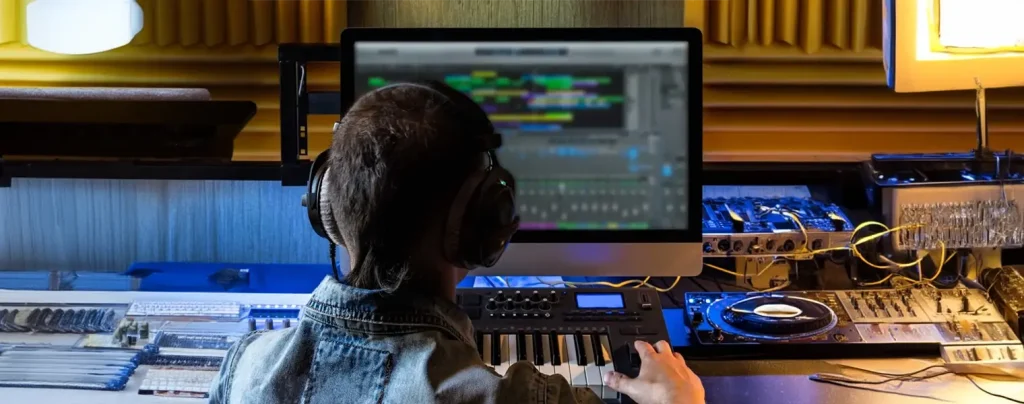
- Computer: A powerful computer is vital for running your digital audio workstation (DAW) and additional software efficiently. Whether you choose a Windows PC or a Mac, make sure it has sufficient RAM (at least 8GB is recommended) and storage to handle your projects comfortably.
- Headphones: A good pair of closed-back headphones is necessary for monitoring your recordings and mixes without disturbing others around you. Brands like Sony and Beyerdynamic produce popular options known for their clarity and comfortation, making them staples in any home studio.
- MIDI Controller: A MIDI controller is an essential tool for many music producers, especially those working with electronic music or any genre incorporating virtual instruments. It allows you to play and manipulate sounds easily. Options range from simple keyboard controllers to more complex models with pads and knobs, such as the Akai MPK Mini.
- Cables and Stands: Don’t overlook the importance of quality cables for audio and MIDI connections, as well as stands or mounts for your equipment. Invest in XLR cables for microphones and 1/4-inch cables for audio interfaces to ensure a clean sound and reliable setup.
Choosing the Right Software
With hardware in place, your next step is selecting software that suits your production style. Music production software is crucial for recording, editing, and arranging your compositions. Here are some of the most popular DAWs to consider:
- Ableton Live: Renowned for its ability to facilitate live performances, Ableton Live is also a favorite among studio producers due to its flexible arrangement capabilities, making it perfect for genre-blending projects.
- FL Studio: Known for its intuitive interface and powerful sequencing capabilities, FL Studio is a go-to for hip-hop and electronic music producers. Its extensive library of plugins and samples allows for endless creativity.
- Cubase: This DAW boasts advanced MIDI capabilities, making it well-suited for composers and songwriters who require more detailed arrangements and orchestrations.
As you integrate these components into your home studio, keep in mind that experimentation and practice are key. The right equipment and software can set the foundation, but your creativity and willingness to explore will be the driving force behind your music production journey. Dive into the tools available and start crafting your unique sound!
Exploring Home Music Production: Essential Equipment and Software
Home music production has become increasingly accessible, with various essential equipment and software tailored to suit different levels of expertise and budget. Understanding the key components can dramatically elevate your music-making experience and quality.
| Category | Description |
|---|---|
| Digital Audio Workstation (DAW) | A DAW is essential software for recording, editing, and producing audio files. Popular options include Ableton Live, FL Studio, and Logic Pro X. |
| Audio Interface | An audio interface is crucial for converting your analog sound to digital format. Interfaces like Focusrite Scarlett provide high-quality conversion and low latency. |
| MIDI Controller | MIDI controllers are user-friendly devices that allow you to control software instruments and DAWs. They facilitate creativity and enhance the production workflow. |
| Studio Monitors | Quality studio monitors are vital for accurately mixing and mastering tracks. They provide a true representation of your sound, ensuring that your music translates well across various platforms. |
In conclusion, whether you are just starting or aiming to refine your skills, investing in the appropriate equipment and software can significantly transform your music production journey. Don’t hesitate to explore these options further to elevate your craft to new heights.
Expanding Your Setup: Additional Gear and Enhancements
Once you have the core components for your home studio, consider expanding your equipment to elevate your productions further. Incorporating additional gear can enhance your creative workflow and provide an array of sonic possibilities that may be crucial for particular genres.
Audio Interface
No home studio is complete without a quality audio interface. This device acts as the bridge between your instruments, microphones, and computer, allowing for high-quality audio recording and playback. Look for models with multiple inputs and outputs, like the Focusrite Scarlett series or the PreSonus AudioBox, which are both popular among home producers. An audio interface enhances sound quality significantly, translating your sounds with minimal latency, thereby facilitating a smoother recording process.
Microphones
If you’re planning to record vocals or live instruments, investing in a good microphone is essential. There are various types suited for differing applications:
- Dynamic Microphones: Great for live settings and louder sound sources, these microphones are durable and can handle high sound pressure levels. The Shure SM58, for example, is a legendary choice among vocalists.
- Condenser Microphones: Ideal for capturing the intricacies of vocals and acoustic instruments, condenser mics like the Audio-Technica AT2020 allow for detailed recordings, making them the preferred option for most studio settings.
Studio Monitors
While headphones are useful, quality studio monitors provide a more accurate representation of your mix, which is essential for achieving a balanced sound. Investing in decent monitors, such as the KRK Rokit series or the Yamaha HS series, gives you a clearer perspective on your work, allowing you to make better mixing and mastering decisions. Ensure that your monitors are positioned correctly to achieve the best stereo imaging — consider investing in stands or isolation pads to eliminate vibrations that could color the sound.
Plugins and Virtual Instruments
Beyond your DAW, you’ll likely want to explore the world of plugins and virtual instruments. These tools can drastically extend the capabilities of your music production environment. For example:
- Synthesizers: Software synthesizers like Sylenth1 or Serum offer an expansive variety of sounds, perfect for electronic and pop music production.
- Sample Packs: Websites like Splice and Loopmasters provide thousands of sample packs across numerous genres, allowing you to add authentic percussion, instruments, and vocal hooks to your tracks.
- Effects Plugins: From reverb and delay to compression and EQ, having a suite of effects plugins will help you craft polished mixes that stand out. Popular options include Waves and iZotope Ozone, which offer extensive libraries for detailed editing and mastering.
By complementing your existing setup with these additional tools, you unlock a broader range of creative avenues, allowing for greater experimentation and innovation in your music production journey. Strive to find a balance that works for you, making sure each new piece of equipment truly enhances your workflow rather than complicating it.
Conclusion: Your Journey in Home Music Production
As we’ve explored, delving into the world of home music production can be an immensely rewarding venture, particularly with the right equipment and software. From the initial setup of a digital audio workstation (DAW) to the addition of high-quality audio interfaces, microphones, and studio monitors, each component plays a significant role in shaping your sound and enhancing your creative process.
Incorporating tools like plugins and virtual instruments not only broadens your musical palette but also allows for innovation and experimentation that can lead to unique artistic outcomes. Whether you seek the richness of a specialized microphone or the intricate textures of a software synthesizer, your choices will resonate through your music, making a definitive impact on your listeners.
As technology continues to evolve, so too do the possibilities in music production. Staying informed about the latest trends, gear, and software developments can provide continuous inspiration for your creative journey. By striking a balance between premium gear and personal creativity, you lay the groundwork for producing exceptional music from the comfort of your home.
Ultimately, the essence of music production lies not solely in the equipment you possess, but in your passion and dedication to telling your unique story through sound. Embrace the journey, engage with the music community, and let your home studio be a canvas for your artistic expression.