Exploring Nature: How Outdoor Scenes Can Inspire Creative Writing

The Influence of Nature on Writing
Throughout history, nature has served as a profound source of inspiration for writers, artists, and thinkers. The breathtaking trails of the Appalachian Mountains, the expansive deserts of the Southwest, and the tranquil lakes of Minnesota all offer unique environments that can turn a blank page into an expansive world rich with stories and ideas. The lingering scents of pine needles, the soft rustle of leaves, and the sweeping vistas create a backdrop that not only enhances the literary experience but also cultivates the creative process.
How Outdoor Experiences Foster Creativity
There are several compelling ways in which the great outdoors can infuse creativity into writing:
- Imagery: The use of vivid descriptions of landscapes—be it the golden hues of a sunset over the Grand Canyon or the misty mornings on the Oregon coast—can transport readers into the heart of a scene. Writers often draw on the senses to craft powerful imagery that engages the reader’s imagination. For instance, when a writer describes the sound of waves crashing against rocky shores or the smell of damp earth after a rainstorm, it helps create a deep connection to the setting.
- Emotion: Nature has an innate ability to evoke emotions that resonate on a personal level. The expansive beauty of a snow-covered field can evoke feelings of solitude and reflection, while the chaos of a thunderstorm might stir a sense of urgency or conflict in a narrative. This emotional resonance can deepen characters and enhance plotlines, making the reading experience more compelling.
- Theme: Elements of nature often symbolize larger concepts that can enhance the thematic depth of a story. For example, a drought-stricken landscape might symbolize desperation or the consequences of neglect, while vibrant spring blossoms might represent renewal and hope. This method of using nature as a thematic tool allows writers to weave in commentary on societal issues alongside their narrative arcs.
Every scene from the rustling grass in a field to a raging river can present a unique opportunity for storytelling. Writers who take the time to step outside and immerse themselves in nature often report experiencing significant breakthroughs in their work. Whether it’s through a simple walk in the park or a multi-day hike through the wilderness, the raw beauty of the world encourages not only exploration of the environment but also a deeper investigation into one’s own thoughts and emotions.
As we delve further into this topic, let’s explore how embracing the untamed wilderness can ignite a spark in your writing journey. Are you ready to uncover the myriad ways in which nature can enrich your prose and inspire your creativity?
Nature as a Muse for Creative Minds
Engaging with the great outdoors can unlock the creative potential within writers, acting as a catalyst for ideas and enhancing their storytelling capabilities. The tangible elements of nature—the vibrant colors, intricate details, and distinctive sounds—serve as rich resources for crafting authentic narratives that resonate with readers. By stepping outside, writers can connect with their surroundings and gain fresh perspectives that are difficult to achieve in the confines of a studio or office.
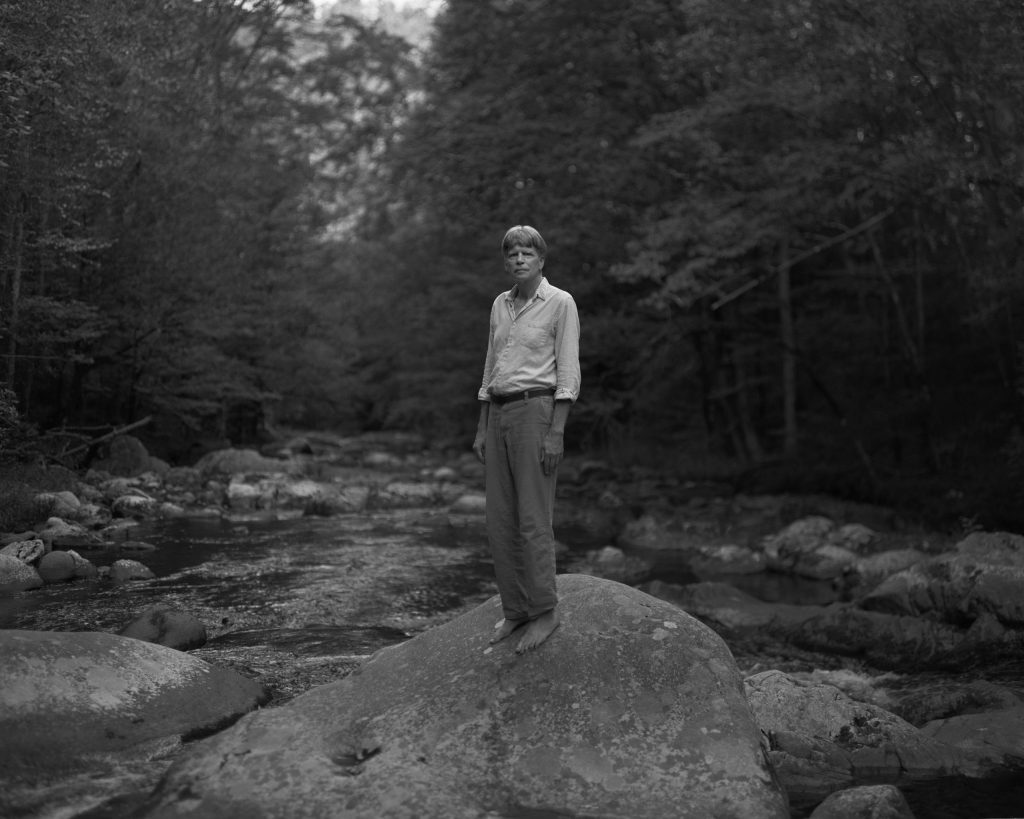
Writing Techniques Inspired by Nature
Many successful writers report that spending time in nature influences their writing process. Below are some techniques that illustrate how outdoor experiences can foster creativity:
- Journaling in Natural Settings: Bringing a notebook to a park, forest, or beach allows for spontaneous bursts of inspiration. Writers can jot down observations, feelings, and reflections, capturing the essence of their surroundings. The act of writing outdoors can stimulate creativity, as the natural light and fresh air contribute to a more relaxed and open mindset.
- Engaging the Senses: Writers who actively engage their senses while exploring nature can create more vivid and immersive scenes. Paying attention to the sound of leaves crunching underfoot, the scent of fresh rain on grass, or the sight of a hawk in flight can lead to rich descriptions that draw readers into the narrative. This sensory detail can add depth to character experiences and setting descriptions.
- Creating Character Connections: Nature can mirror characters’ emotions, creating layers of meaning within a story. For instance, a character feeling trapped might find solace in a wide-open field, while another seeking peace might retreat into the shelter of a dense forest. Such connections not only enhance character development but also enrich the storytelling experience.
- Theme Development Through Natural Elements: Writers can use changes in seasons or natural occurrences as backdrops to highlight themes in their narratives. Storms may symbolize chaos or conflict, while the transforming beauty of autumn can represent change and reflection. Aligning thematic elements with nature adds a profound layer to the narrative, encouraging readers to draw parallels between the characters and the environment.
Writers who embrace the wonders of nature often describe transformative experiences that lead to fruitful bursts of creativity. The soothing rhythm of a flowing river, the chirping of crickets at dusk, or the tranquility of a starry night can foster a meditative state, inviting deeper introspection and a dialogue with one’s inner thoughts. Each of these experiences compels the writer to explore not just the external world, but also the internal landscape of emotions and ideas.
As we consider the interplay between nature and creative writing, the next step is to delve into specific outdoor activities that can benefit writers. Ready to discover how hiking, camping, or even gardening can become your personal reservoirs of inspiration?
Embracing the Natural World for Writing Inspiration
One of the remarkable aspects of exploring nature is its inherent ability to stir creativity within the human mind. The vibrant colors, varied textures, and dynamic sounds of the outdoors offer a sensory experience unlike any other, paving the way for imaginative writing to take flight. When writers immerse themselves in natural settings, they often return with a wealth of ideas, characters, and plots inspired by the world around them.
Whether it’s the sight of a cascading waterfall or the tranquil sounds of rustling leaves, these elements can ignite an emotional response, making them powerful tools for storytelling. Nature scenes serve to ground narratives, providing context and a visceral connection to the themes explored within the text. For instance, a dense forest can symbolize mystery and adventure, while an open meadow might evoke feelings of peace and reflection.
| Category 1 | Category 2 |
|---|---|
| Enhanced Imagination | Nature assists in unlocking creativity, providing a backdrop for vivid storytelling. |
| Stimulating the Senses | Outdoor environments engage all five senses, enriching the writing experience. |
Moreover, interactions within nature can lead to a deeper understanding of human emotions and connections. Observing wildlife, feeling the breeze, or even experiencing a rain shower can trigger memories and reflections that enhance a writer’s ability to convey authentic human experiences. Such moments not only cultivate an awareness of one’s surroundings but also foster a sense of peace, allowing writers to tap into their inner thoughts and feelings.
Ultimately, the journey of exploring nature is not just about physical presence but about embracing the transformation it can bring to creative writing. With every step taken on a forest path or each moment spent near a flowing river, writers may find themselves not only inspired but transformed, uncovering new dimensions of their artistic selves.
Outdoor Activities that Fuel Imagination
Immersing oneself in nature goes beyond simple observation; engaging in various outdoor activities can serve as profound sources of inspiration for creative writing. These activities not only provide a change of scenery but also stimulate the mind and spark ideas that may have otherwise remained dormant. Below are several outdoor pursuits that can serve as powerful tools for writers.
Hiking: A Journey Through the Mind
Hiking offers writers a unique opportunity to experience nature from different perspectives. As writers traverse diverse terrains, whether it be rocky mountains or lush valleys, they are introduced to an array of sights, sounds, and smells. Many authors, such as John Muir and Cheryl Strayed, found profound inspiration in their hiking adventures, leading to works that resonate with readers on both personal and philosophical levels. The rhythm of footsteps against the trail can help writers develop a meditative state, allowing creative thoughts to flow freely. The solitude found on less-traveled pathways often leads to introspection, further enhancing the depth of a writer’s work.
Camping: Finding Stories Under the Stars
Camping provides writers the chance to disconnect from modern distractions and immerse themselves in the natural world. Nights spent around a campfire, listening to the crackling of wood while gazing at a canopy of stars, catalyze imaginative thinking. Writers can engage in storytelling sessions with fellow campers or reflect on their narratives by journaling under the night sky. The simplicity of camping not only fosters creativity but also allows for a deeper understanding of one’s connection to the environment. The skills learned while camping—survival, resilience, and adaptability—can translate to character development and plot progression in writing.
Gardening: Cultivating Ideas
Gardening may not immediately come to mind as an activity for inspiration, but it offers a wealth of metaphors and themes that can enhance a writer’s creative process. The nurturing of plants can parallel the journey of character development, highlighting themes of growth, patience, and transformation. Writers can contemplate their narratives while tending to their garden, appreciating the subtle beauty of nature’s cycles. Documenting the changes in a garden throughout the seasons can also serve as a powerful metaphor for life’s ebbs and flows, offering writers the opportunity to explore deeper themes in their work.
Wildlife Observation: Characters in Their Element
Birdwatching or observing local wildlife exposes writers to the intricate behaviors and interactions of animals, often serving as inspiration for character development or plot dynamics. By studying the relationships in nature—predator and prey, cooperation and conflict—writers can gain insight into human dynamics. A writer might be inspired to create a character whose journey reflects that of a migratory bird, depicting themes of freedom, home, and the innate drive to return to one’s roots. Furthermore, the unpredictability of wildlife can introduce elements of surprise and tension into narratives.
As writers explore the myriad ways nature and outdoor activities can influence creative writing, they tap into universal feelings and insights that can deepen their storytelling. The sounds, sights, and emotional experiences tied to each outdoor pursuit not only enhance creative expression but also cultivate a deeper connection to the world around us.
Conclusion: The Synergy Between Nature and Creativity
In conclusion, the exploration of nature unveils a rich tapestry of inspiration for creative writing, transcending mere observation. Whether through the invigorating act of hiking, the peacefulness found while camping, the nurturing lessons learned in gardening, or the captivating moments observed in wildlife, each outdoor experience holds the potential to ignite the imagination and elevate storytelling craft.
Through these activities, writers can harness the essence of nature’s beauty and complexity. The sounds of rustling leaves or the sight of an endless night sky can foster an atmosphere conducive to introspection, leading to profound insights that enhance narrative depth. Furthermore, nature often serves as a mirror, reflecting human emotions, conflicts, and growth. By embedding these themes into their writing, authors can create relatable and resonant stories that connect with readers on multiple levels.
As you venture outdoors, take note of the world unfolding around you; each moment presents an opportunity to enrich your creative repertoire. Engage in conversations with fellow nature enthusiasts, embark on solitary reflective journeys, and remain open to the lessons nature imparts. Ultimately, exploring nature equips writers not only with vivid imagery but also with powerful metaphors and transformative ideas, empowering them to craft stories that are both unique and impactful.
Therefore, let the great outdoors serve as your muse, and embrace the unparalleled synergy between nature and creative writing. By doing so, you may uncover new dimensions in your writing that breathe life into your words and resonate with the ever-evolving story of humanity.