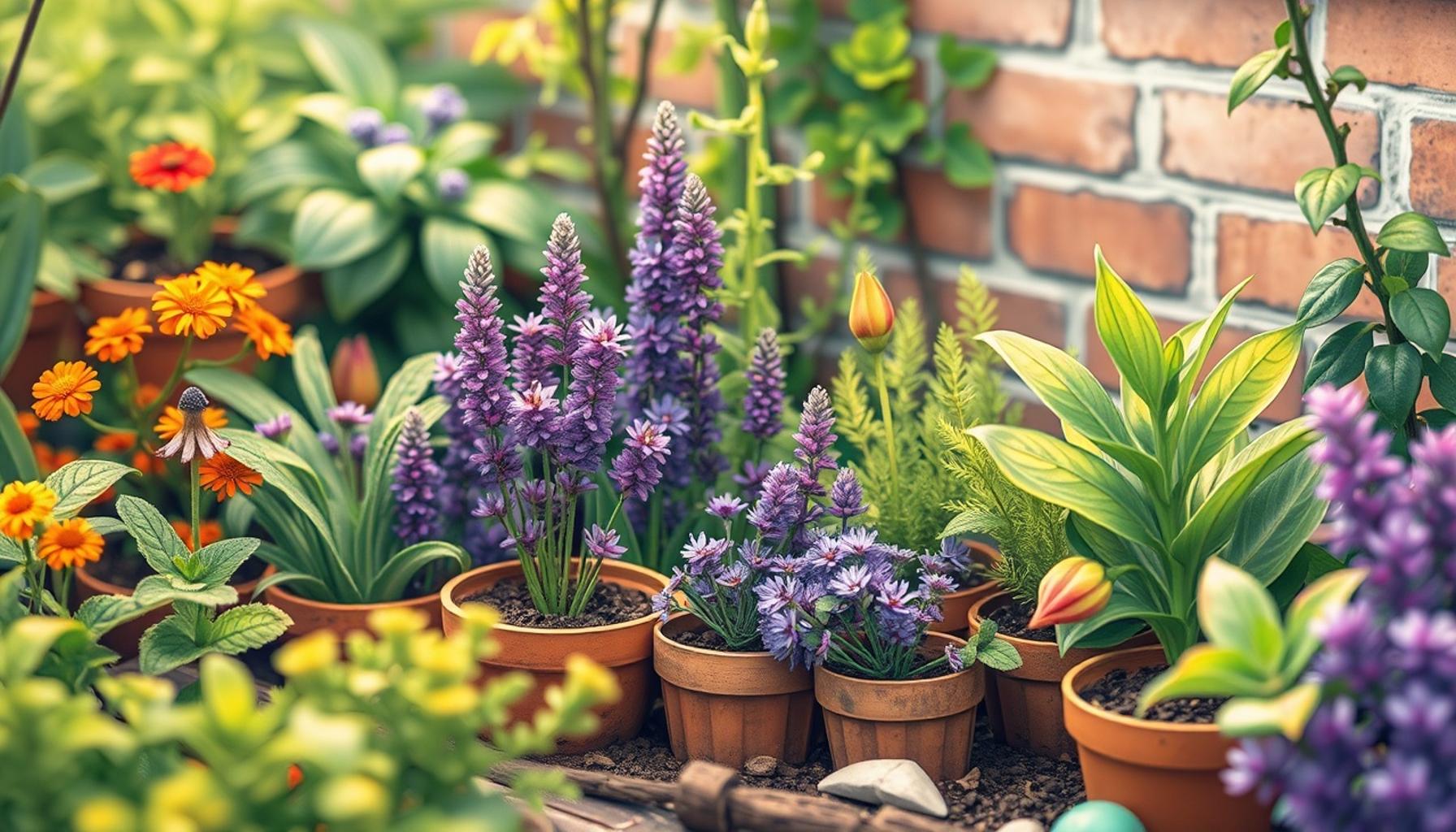
Gardening as Therapy: The Mental and Emotional Benefits of Growing Plants

The Healing Power of Nature
In an era where the pace of life seems ever-increasing, the therapeutic act of gardening is witnessing a renaissance. Gardening provides not only physical beauty but also fosters profound improvements in mental and emotional health. From urban dwellers nurturing balcony plants to families cultivating blooming backyard gardens, the benefits of engaging with greenery resonate across all demographics.
Why Gardening Works as Therapy
At its core, gardening is an accessible form of therapy that yields numerous benefits. For many, the simple act of digging in the soil can be transformative, leading to a myriad of advantages such as:
- Stress Reduction: Research indicates that spending time gardening can significantly lower levels of cortisol, the hormone associated with stress. In a pilot study conducted by the University of Sheffield, participants reported lower levels of stress after gardening compared to engaging in other leisure activities like reading or watching television.
- Boosting Mood: The exposure to natural light during gardening can enhance the body’s production of serotonin, leading to heightened feelings of happiness. One engaging example is the phenomenon known as “Vitamin D therapy,” where caretaking in sunny gardens has been associated with lowered depression rates across various age groups in the United States.
- Mindfulness Practice: Gardening encourages mindfulness through its repetitive tasks—whether it’s sowing seeds or pruning leaves. These activities require focus and can create a meditative air that calms the mind.
Beyond immediate emotional benefits, extensive studies have underscored how gardening can also:
- Enhance Cognitive Function: Engaging with nature can bolster memory and cognitive abilities, particularly in older adults. This is especially relevant in a country where the elderly population is growing, as studies suggest that regular interaction with green spaces may slow age-related cognitive decline.
- Build Community: Community gardens in neighborhoods across the U.S. act as vital social hubs where diverse groups of people can connect, share knowledge, and cultivate relationships. Initiatives such as the Garden Collective in New York City exemplify how communal gardening can address social isolation among urban residents.
- Foster Responsibility: The act of nurturing plants imparts a sense of accomplishment and purpose. Many educational programs integrate gardening as a way to instill responsibility and teamwork in children while teaching them about sustainable practices.
As we delve deeper into the multifaceted benefits of gardening, it becomes increasingly evident that this cherished activity possesses the remarkable ability to heal not just the land but also the human spirit. Gardening is much more than a hobby; it represents a profound connection between individuals, their community, and the natural world—a potent remedy for modern life’s challenges.
The Therapeutic Benefits of Gardening
Gardening serves as a sanctuary for many. Abundant research has illuminated the myriad psychological benefits associated with this age-old practice. One of the most poignant aspects of gardening is its ability to foster a meaningful connection with nature. By engaging in the nurturing process, individuals are not only cultivating plants but also cultivating their own sense of well-being. This biophilic connection—an inherent affinity to the natural world—has been shown to have strong therapeutic implications.
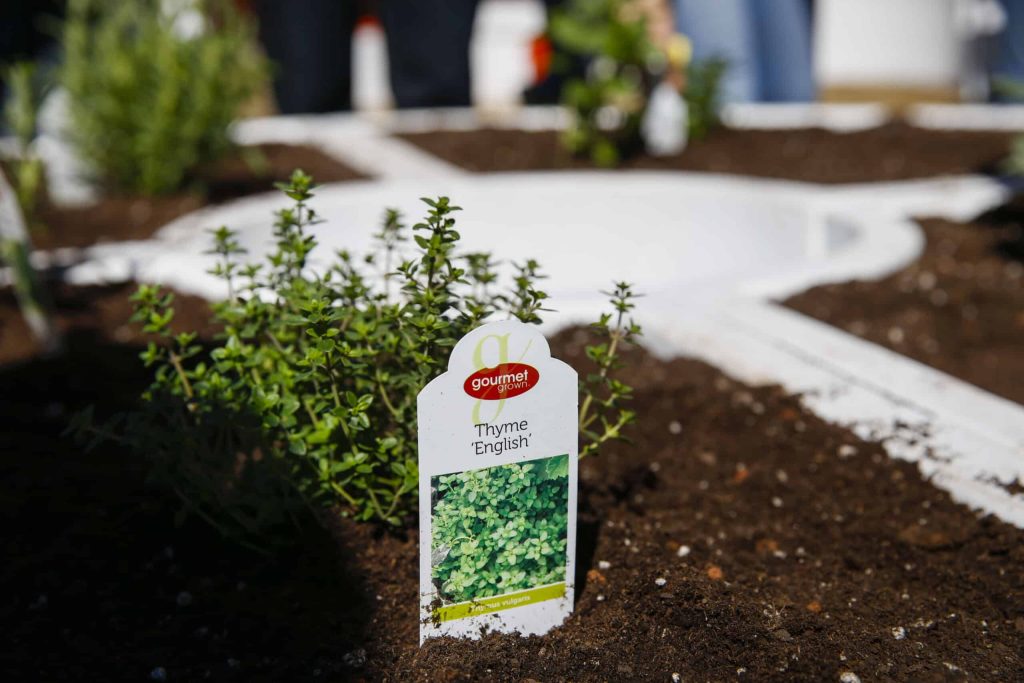
Emotional Resilience Through Gardening
One of the most compelling facets of gardening as therapy is its ability to build emotional resilience. When individuals immerse themselves in the act of planting, tending, and nurturing, they often develop a greater capacity to manage stress and navigate life’s hurdles. For example, many gardeners find solace in the predictable cycle of growth, experiencing a sense of relief through the seasonal changes in their gardens. This cyclical nature mirrors life itself, providing lessons in patience, perseverance, and adaptability.
Alongside emotional resilience, gardening offers a creative outlet that can translate into a sense of achievement. The visual satisfaction of a thriving garden enhances self-esteem, allowing enthusiasts to cultivate not just plants, but also their confidence. In communities across the United States, garden clubs and workshops are demonstrating how both experienced and novice gardeners can find joy and purpose through collective gardening efforts.
Connecting with Nature to Alleviate Symptoms
Research has emerged highlighting the physical implications of spending time in nature through gardening. Studies have shown that gardening can alleviate symptoms of anxiety and depression. The physical activity involved, whether it’s digging, weeding, or planting, activates endorphins—the body’s natural painkillers—allowing individuals to experience an uplift in mood. Additionally, the sensory richness in gardening—from the earthy smell of soil to the vibrant colors of flowers—stimulates cognitive and emotional responses that can aid in reducing negative thoughts.
- Exposure to sunlight: Boosts vitamin D levels, which is crucial for brain health and mental clarity.
- Connection to living beings: Interacting with plants can offer companionship and a sense of purpose, especially for those grappling with loneliness.
- Physical benefits: The moderate exercise involved in gardening leads to enhanced physical health, which often correlates with improved mental health.
As we explore the emotional and mental benefits of gardening further, it becomes clear that this activity is more than just planting seeds in the ground. It is a powerful tool for healing that carries profound implications for personal well-being and community health. In an age where nature is often overlooked, embracing gardening could indeed be one of the best remedies for our modern struggles.
The practice of gardening as therapy is increasingly recognized for its profound mental and emotional benefits. Engaging with nature through nurturing plants can provide a welcome escape from the stresses of daily life. It offers individuals a sense of purpose and accomplishment as they observe the fruits of their labor manifest in blossoming flowers or ripening vegetables. The act of tending to a garden can serve not only as a form of relaxation but also as a way to enhance mindfulness, allowing gardeners to immerse themselves fully in the present moment.
Moreover, studies have shown that gardening activities can lower levels of anxiety, reduce symptoms of depression, and even improve overall mood. This is largely attributed to the physical aspects of gardening, which involve exercise and sunlight exposure, both of which play crucial roles in boosting endorphin levels. Having direct contact with soil and plants is also linked to fostering a connection with nature, which has been shown to increase feelings of happiness and contentment.
The sensory experience of gardening—a kaleidoscope of colors, scents, and textures—can evoke emotions and memories, adding to the therapeutic aspect. The simple act of planting seeds, watering plants, or pruning leaves can create a sense of routine and stability, which is especially valuable during turbulent times. Additionally, gardening can encourage social interactions when done in community settings, helping to combat loneliness and build valuable relationships with others who share similar interests and goals. Overall, embracing gardening as a form of therapy provides an enriching and holistic approach to promoting mental well-being.
| Category | Key Features |
|---|---|
| Emotional Well-Being | Gardening provides a sense of achievement and purpose. |
| Stress Reduction | Physical activity associated with gardening lowers anxiety and enhances mood. |
| Mindfulness | Promotes a focus on the present through engaging senses. |
| Social Interaction | Encourages community and connection among gardeners. |
Fostering Community and Social Bonds Through Gardening
Gardening transcends personal benefit, emerging as a powerful medium for community connection. Community gardens, increasingly popular across urban landscapes in the United States, serve as vibrant communal spaces where individuals from varied backgrounds come together. This collective effort not only beautifies neighborhoods but also fosters social ties, essential for overall mental and emotional health.
The Role of Community Gardens
Community gardens allow for shared responsibilities and rewards, enhancing the feeling of belonging. In these shared spaces, participants cultivate friendships, share gardening tips, and nurture a support network, reinforcing emotional well-being. Research indicates that engaging in community gardening can lower stress levels and combat feelings of isolation, particularly among urban dwellers. The act of working side by side with others brings about teamwork and camaraderie, offering a sense of collective purpose that can be particularly impactful for those grappling with mental health challenges.
Beyond individual therapy, community gardens play a vital role in alleviating food insecurity. Particularly in underserved areas, these gardens provide access to fresh produce, crucial for both physical and psychological health. The experience of growing one’s own food not only empowers individuals but also enhances their self-worth and sense of agency. This connection to food production can dramatically shift perspectives on nutrition and health, making participants more mindful of their dietary choices and encouraging healthier lifestyles.
Gardening Programs as Therapeutic Interventions
Various organizations have begun to recognize the power of gardening as a therapeutic intervention. Programs run by hospitals, rehabilitation centers, and mental health organizations offer structured gardening activities designed specifically to improve mental health outcomes. For instance, Horticultural Therapy is a practice increasingly incorporated in health programs, where trained therapists guide individuals in gardening activities tailored to their emotional and psychological needs.
Many of these programs highlight the significance of hands-on participation for individuals diagnosed with conditions such as PTSD, depression, and anxiety. Engaging in gardening has been shown to provide structured routines, fostering a sense of normalcy and control in lives that often feel fragmented. The act of nurturing delicate plants creates metaphors for personal growth and healing, helping participants to navigate their emotional landscapes through physical activity. Therapeutic gardening has even expanded into correctional facilities, showcasing its capacity to promote emotional regulation and reconciliation among individuals facing significant life stressors.
The Importance of Mindfulness in Gardening
As we explore the mental benefits of gardening further, the practice also encourages mindfulness. The focused attention required during activities such as planting seeds or weeding promotes present-moment awareness, allowing gardeners to immerse themselves fully in the task at hand. This mindful practice can lead to a decrease in rumination and anxiety, creating a sense of tranquility.
Gardening, therefore, operates on multiple levels—it is an opportunity for physical activity, a chance to connect with others, and a pathway to mindfulness and self-reflection. As individuals become more aware of their surroundings and their impact on the environment, the benefits extend beyond personal refinement to societal enrichment, making gardening a multi-faceted approach to overall well-being.
Conclusion: Nurturing Mind, Body, and Community Through Gardening
In summary, the practice of gardening resonates profoundly with individuals seeking not merely a hobby but a holistic approach to mental and emotional well-being. The tangible benefits of cultivating plants extend far beyond the soil; they foster a sense of accomplishment, provide opportunities for mindfulness, and create vital social connections through community involvement. As studies continue to underscore, engaging in gardening activities can significantly lower stress, mitigate anxiety, and combat feelings of isolation, making it a powerful ally in contemporary mental health strategies.
The emergence of community gardens enriches this experience by bringing diverse groups together, facilitating shared experiences, responsibilities, and rewards. These initiatives not only improve local ecosystems but also cultivate resilience in communities, highlighting the role of connection and cooperation in personal and collective healing. Moreover, therapeutic gardening programs are rapidly building recognition within various health sectors, as practitioners increasingly seek methods that inspire growth, both literally and metaphorically.
As we move forward, promoting the concept of gardening as an accessible and effective form of therapy can inspire many to turn to their backyards, balconies, or community plots. This exploration of the natural world—through dirt, seeds, and plants—offers individuals a unique opportunity for self-reflection and development, addressing both mental health and societal betterment. Gardening as therapy not only cultivates our greens but nurtures the mind, body, and spirit, inviting us all to dig deeper for health and happiness.