Group Writing: Collective Energy as a Source of Creativity

Unlocking the Power of Collaboration
In a world saturated with content, harnessing collective creativity can be a game changer. Group writing encourages individuals to pool their ideas, resulting in a vibrant mix of perspectives and styles. This collaborative effort often leads to outcomes that are richer and more engaging than those produced in isolation. The process of working together not only enhances the final product but also fosters a sense of community and shared purpose among participants.
The Magic of Collective Energy
When passionate individuals come together, something remarkable happens. The energy generated in a group can elevate creative potential in unexpected ways, leading to innovative ideas that often surpass the sum of their parts. Here are a few critical aspects to consider:
- Diverse Perspectives: Different backgrounds yield unique insights. For example, in a writing group consisting of marketers, historians, and poets, a campaign narrative could blend historical accuracy with poetic imagination, appealing to a broader audience.
- Shared Accountability: Group members motivate each other to meet deadlines and improve quality. When one writer recognizes that their peers rely on their contributions, it cultivates a stronger commitment to delivering polished work on time. This accountability can also spur creativity as individuals strive to surpass not only their own standards but also those of their teammates.
- Enhanced Problem-Solving: Brainstorming sessions unlock innovative ideas that one mind alone might miss. For instance, a team might face writer’s block while developing a critical promotional piece. However, with multiple voices sharing their thoughts, they can break through mental barriers and generate a plethora of potential solutions that one person could easily overlook.
This phenomenon is not limited to literary circles. Various industries have embraced group writing to spur creativity and drive results:
- Marketing Teams: These groups collaborate on campaigns that resonate with wider audiences. By blending different skills—such as graphic design, copywriting, and social media strategy—they can create cohesive and compelling narratives that engage consumers and drive brand loyalty.
- Academic Collaborations: Scholars often collaborate to produce comprehensive research papers that advance knowledge and influence policy. A collection of experts working together can address complex topics from multiple angles, resulting in findings that are more robust and impactful than those from a single-author perspective.
- Fiction Writers: Many contemporary authors participate in anthology collections, showcasing collective storytelling prowess. The diversity of styles and themes in such compilations can attract a wider readership and provide fresh interpretations of common human experiences.
As we delve into the dynamics of group writing, we will explore strategies, benefits, and examples that reveal how collective energy can be a powerful source of creativity. From cooperative brainstorming sessions to structured peer feedback loops, the methods employed can significantly enhance the writing process. Join us on this journey to discover the multifaceted world of writing together and unlock the potential that lies within collaboration.
Harnessing Group Dynamics for Creative Innovation
The art of group writing is grounded in the power of connection and discourse among individuals, each bringing their unique voice to the table. This process not only generates creative ideas but can also refine and redefine written works, resulting in high-impact results that are often more dynamic than solo endeavors. Through various collaborative techniques, group writing dismantles the barriers of individual thought, allowing for a prolific exchange of concepts that invigorates the creative journey. Here are some essential components that contribute to the limitless possibilities of collaborative writing:
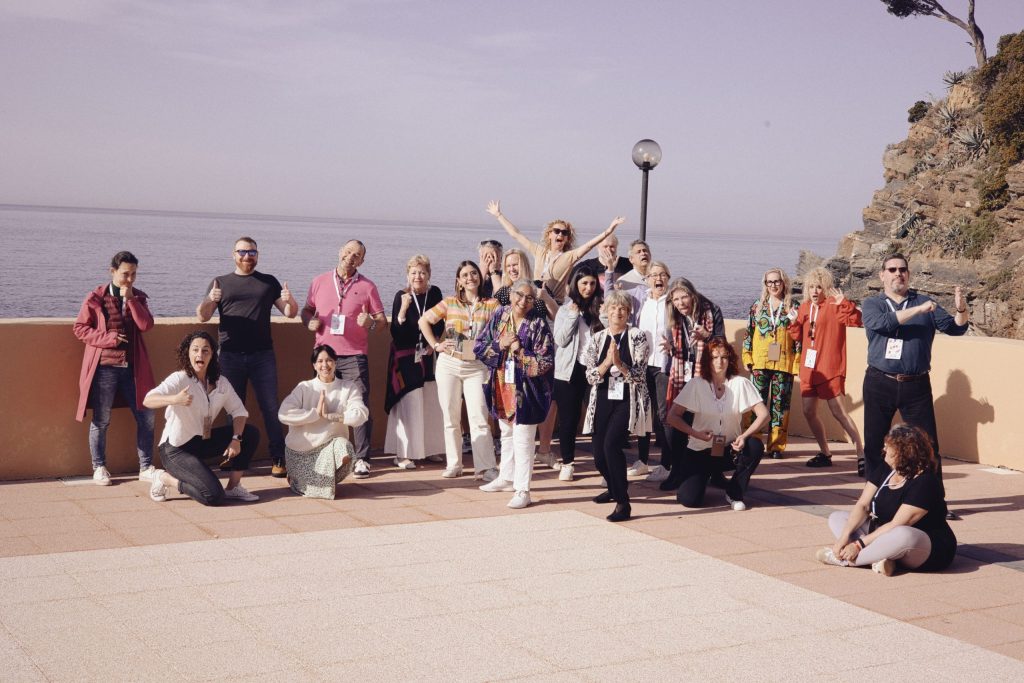
- Interactive Feedback: Feedback within a group setting can transform drafts in unforeseen ways. The immediacy of conversational brainstorming offers writers the opportunity to rethink and hone ideas on the spot. A critique from a fellow writer may trigger new thoughts, enhance clarity, or even inspire a completely different direction for the piece.
- Building a Support Network: Writing can often feel like a solitary pursuit, yet group writing fosters camaraderie among creators facing similar hurdles. This shared journey cultivates an environment where writers inspire one another, exchanging personal experiences that may resonate on various levels. This support network can reduce anxiety and provide motivation, enabling writers to tackle challenges with renewed vigor.
- Collaborative Storytelling: The notion of crafting a narrative together introduces a rich tapestry of voices. Each writer contributes distinct elements, weaving together different perspectives, tones, and emotions to enhance storytelling depth. This diversity not only broadens appeal but often results in stories that resonate more strongly with audiences, tapping into universal themes from various angles.
A prominent illustration of group writing can be found in the realm of content marketing, where teams collaborate to develop engaging posts, articles, and campaigns that breathe life into brands. Diverse content creators, ranging from social media managers to graphic designers and copywriters, work symbiotically, generating persuasive narratives that amplify a brand’s voice and amplify customer engagement. Studies suggest that campaigns initiated through collaborative efforts tend to reach 20-30% wider audiences compared to individual attempts.
Another inspiring example of group writing can be seen in academic collaborations. Scholars, researchers, and educators often come together to create comprehensive papers that tackle complex issues. By amalgamating their expertise, these writers can produce work that is not only richer in content but also enjoys greater credibility within the field. The rigorous exchange of ideas ultimately fosters breakthroughs that push the boundaries of knowledge and can influence policy decisions significantly.
Independent writers also benefit from the growing trend of writing circles and creative workshops. In these communal settings, authors of different backgrounds gather to share their works in progress, offering critiques and insights that lead to advanced storytelling techniques and improved writing skills. Participants often find that their collective creativity results in profound personal growth, sparking fresh ideas that may never have surfaced in solitary writing.
As we dive deeper into the intricacies of group writing, it becomes crucial to investigate how collaborative techniques can effectively nurture creativity. Whether through structured writing prompts, focused discussions, or the use of collaborative technologies, the process invites writers to explore new dimensions within their craft. The fusion of ideas, perspectives, and experiences can catalyze innovation, leading to works that captivate readers and reflect the beauty of collective imagination.
Exploring the Dynamics of Group Writing
Group writing is a fascinating process that allows individuals to merge their ideas and talents to produce remarkable creative outcomes. This collaborative approach encourages participants to tap into a collective consciousness, which can lead to unexpected connections and innovative solutions. Using synergy as a driving force, group writing transforms how we generate content, making it an incredible source of inspiration and creativity.
The power of collective energy manifests in various ways. For instance, when a group of writers collaborates, they benefit from diverse perspectives that enrich the overall narrative. This cross-pollination of ideas can help eliminate writer’s block as individuals bounce concepts off one another, leading to fresh insights that wouldn’t surface in solitary efforts.
Moreover, the social aspect of group writing fosters a sense of community and accountability, which can propel motivation and engagement. Writers are less likely to procrastinate when working alongside peers, as they inspire one another to stay focused and productive. This dynamic is particularly valuable for creative projects that require persistence and dedication over long periods.
The incorporation of collaborative tools further enhances the group writing experience. Platforms like Google Docs, Slack, or specialized writing software allow teams to contribute simultaneously, offering real-time feedback and fostering an organic dialogue that fuels creativity. These tools break down geographical barriers, enabling writers from different parts of the world to connect, thus broadening the pool of ideas and insights shared within the group.
| Category | Description |
|---|---|
| Diverse Perspectives | Brings together varying viewpoints, enriching the creative process. |
| Increased Motivation | Fosters a sense of accountability, inspiring writers to remain productive. |
Ultimately, embracing group writing as a platform for collaboration not only boosts individual creativity but also enhances the quality of the final product. As more writers explore the possibilities of collective energy in their creative endeavors, the landscape of content creation will continue to evolve, offering rich opportunities for innovation.
Fostering Creativity through Collaborative Techniques
In the realm of group writing, specific techniques can propel creative exploration and produce innovative outcomes. By adopting structures designed to enhance collective energy, writers can efficiently tap into the diverse resources of their team members. Here are some strategies that exemplify how collaborative techniques can invigorate the creative writing process:
- Brainstorming Sessions: One of the most effective methods for sparking creativity in a group setting is organized brainstorming. These sessions provide a platform for writers to share ideas freely, encouraging an authentic exchange without the fear of criticism. A well-facilitated brainstorming session can produce a multitude of concepts, pushing writers beyond their initial thoughts. According to research from the University of Illinois, groups that engage in brainstorming are 20% more likely to generate creative solutions than individuals working in isolation.
- Structured Writing Prompts: Utilizing writing prompts can inspire fresh avenues of thought. Groups can rotate the responsibility of crafting prompts, leading to varying styles and genres that stimulate creative juices. This practice often leads to unexpected plot twists, character developments, or thematic layers that might not have emerged during individual writing. Writers frequently discover unique connections and narrative possibilities through interpreting the same prompt in different ways.
- Pair and Share: Encouraging partnerships within the group can foster deeper engagement and allow for individualized attention to specific elements of writing. In a “pair and share” model, writers can team up to exchange sections of their work, offering constructive feedback while also receiving insights. This practice not only improves writing quality but also builds interdependencies that heighten the group’s sense of community.
The role of technology cannot be overlooked in the landscape of collaborative writing. Platforms such as Google Docs, Microsoft Teams, and Trello enable real-time collaboration, allowing writers to share drafts, implement changes, and provide feedback instantaneously. These digital tools break down geographical barriers, making it possible for teams to work together across different states or even countries. A Survey by Clutch found that 87% of teams using collaborative software indicated enhanced productivity and smoother workflows.
Additionally, the integration of visual elements into group writing projects can further leverage collective creativity. Writers can collaborate with graphic designers and artists, using visual storytelling techniques to enhance their narratives. The interplay between text and visual art often leads to multifaceted projects that engage audiences on multiple sensory levels. Campaigns like the “Humans of New York” series exemplify how combining images with narratives creates a relatable and powerful storytelling experience that speaks to a diverse audience.
Lastly, the importance of establishing a clear objective cannot be overstated. When groups undertake a writing project, having a common goal can align efforts and harness unique strengths effectively. Whether the end product is a blog post, a research paper, or a marketing campaign, clarity provides direction and consistency throughout the creative process. This focus on a tangible outcome can invigorate the group dynamics, turning individual contributions into a cohesive and impactful narrative.
As the landscape of group writing continues to evolve, leveraging collaborative techniques is vital for sustaining creative momentum. By embracing tools, fostering an atmosphere of trust, and maintaining clear objectives, writers can channel their collective energy into producing works that not only bear their voices but also reflect the richness of diverse perspectives. The outcomes are not merely products of collaboration but vibrant expressions of the imagination unleashed by teamwork.
Conclusion: Harnessing Collective Energy for Creative Success
In conclusion, group writing serves as a fertile ground for creativity, with the unique energy generated by collaboration acting as a catalyst for innovative ideas. By employing various collaborative techniques—such as brainstorming sessions, structured prompts, and partnerships—writers can not only enhance the quality of their work but also cultivate a richer, more dynamic storytelling experience.
The integration of technology plays a pivotal role in transcending geographical limits, enabling real-time collaboration that nurtures creativity across distances. Digital platforms facilitate an organic exchange of ideas, allowing teams to function seamlessly while they explore diverse narrative avenues. As noted, a significant percentage of teams utilizing collaborative tools report enhanced productivity, underscoring the importance of these resources in the creative process.
Moreover, incorporating visual storytelling elements into writing projects expands the boundaries of creativity, merging text and art to create compelling experiences that resonate with audiences. By establishing clear objectives, groups can align their creative efforts, ensuring that each member’s contributions culminate in a cohesive narrative that reflects their collective journey.
Ultimately, group writing is not merely a method of producing collaborative content; it is an invitation to explore the depths of imagination through shared experiences and insights. As writers embrace the collective energy of their teams, they unlock new dimensions of creativity that not only benefit their projects but also strengthen interpersonal connections. The potential for transformative storytelling is limitless when diverse voices come together, making group writing a powerful tool for creative expression.