Handicrafts and Connection: How to Create Bonds Through Group Projects
Building Bonds Through Crafting
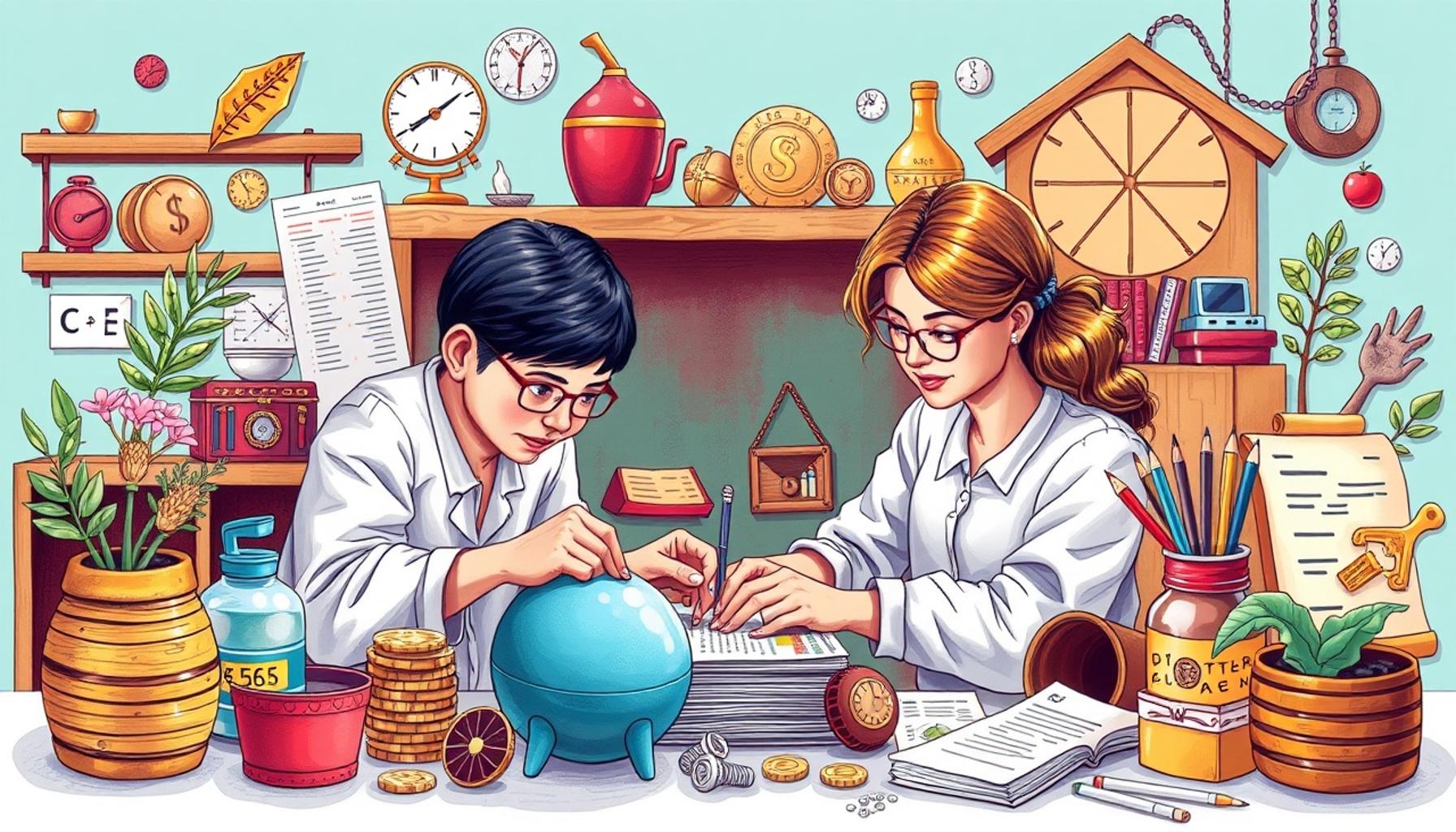
Engaging in handicrafts goes beyond mere creation; it serves as a powerful medium for forging connections and enhancing relationships among individuals. As people come together to participate in group projects, they not only produce beautiful works of art but also cultivate enduring friendships and a sense of community. This article examines the multifaceted ways in which shared crafting experiences can strengthen social bonds and enrich communal life.
Think about the myriad benefits of group crafts. For instance, collaboration enhances teamwork by encouraging participants to combine their unique skills and perspectives. This collaborative effort can lead to improved problem-solving abilities, as individuals learn to navigate challenges together, whether that involves choosing materials or deciding on designs. In practice, this dynamic can be witnessed in community knitting circles, where seasoned knitters mentor novices, guiding them through complex patterns while fostering a spirit of teamwork.
Moreover, communication flourishes in these social craft settings, as participants are often required to articulate their ideas and provide constructive feedback. For example, during a pottery class, participants might discuss techniques openly or brainstorm creative ideas, thereby improving their ability to express thoughts clearly. This open exchange fosters deeper connections between individuals, often resulting in new friendships that extend beyond the studio.
The aspect of cultural exchange is particularly enriching. In diverse communities across the United States, groups are increasingly engaging in craft projects that celebrate various traditions, allowing participants to share crafts from their own cultures—such as weaving, beadwork, or quilt-making. This interaction promotes understanding and appreciation of differing backgrounds, creating a more inclusive environment.
Across the U.S., local community centers, libraries, and schools frequently organize crafting events that exemplify these connections. Such gatherings inspire:

- Skill-sharing workshops that teach traditional crafts, allowing participants to pass down techniques and stories.
- Art fairs where local artisans showcase their work, encouraging community support and recognition of local talent.
- Charitable projects, where participants create handmade items for those in need, fostering a spirit of giving and collaboration within the community.
As we immerse ourselves in the world of handicrafts and connection, consider how engaging in group projects can transform solitary creative endeavors into shared experiences brimming with meaning and camaraderie. Join us in exploring the significant impact that these activities can have on nurturing relationships and enriching the tapestry of our communities.
Connecting Through Collaborative Creativity
Group handicraft projects create a unique environment where individuals can learn from one another while forging lasting connections. This process often begins with a simple act of gathering materials and sharing ideas, transforming it into a collective experience where personal and social growth can thrive. By engaging in creative collaboration, participants can strengthen relationships and build community ties that are both meaningful and enriching.
The act of creating art — whether through painting, sculpting, or fabric arts — provides a structured yet flexible framework for individuals to express themselves. When working together, participants can bounce ideas off each other, leading to innovative designs that may not have emerged in isolation. For instance, in community mural projects, diverse perspectives unite, resulting in vibrant pieces that reflect the voices of the neighborhood. This collaborative vision not only enhances the creative output but also allows individuals to contribute to a shared narrative that resonates throughout the community.
Moreover, group crafting can also serve as a therapeutic outlet. The act of creating in a group fosters a supportive environment where participants can share their struggles and triumphs in life. For example, quilting bees, steeped in tradition, are spaces where women often come together to sew and converse, sharing stories that build connections far beyond the fabric clenched in their hands. Engaging in such activities helps form emotional bonds, leading to a strong sense of belonging as participants navigate life’s challenges together.
In addition to emotional benefits, working on group projects promotes non-verbal communication skills. Through gestures, eye contact, and shared laughter, participants cultivate a sense of trust and understanding that transcends spoken language. This can be particularly beneficial in multicultural contexts, where crafting can bridge cultural gaps. For instance, when groups come together to learn traditional crafts from various ethnic backgrounds, they create an enriching space for dialogue and appreciation. These encounters foster a shared identity amongst participants, as they navigate new techniques and skills that celebrate their heritage.
Moreover, the growing trend of DIY (do-it-yourself) workshops highlights the appeal of collective crafting experiences across different demographics. Local businesses, such as cafes and craft stores, are increasingly hosting themed events where individuals can not only create together but also socialize in a relaxed atmosphere. These workshops often include:
- Seasonal crafting sessions that introduce unique materials and techniques relevant to the time of year.
- Collaborative exhibitions showcasing participants’ works, reinforcing community pride and recognition.
- Fundraising events where crafted items contribute to charitable causes, fostering a sense of service and shared purpose.
Group handicraft projects are not merely about the finished product; they are about building connections and strengthening the social fabric of communities. By investing time and creativity as a collective, individuals open doors to new friendships and partnerships. The community forms around shared delight, bound by the joy of crafting together and spurred on by a vision of collaboration that resonates deeply.
| Advantage | Description |
|---|---|
| Enhanced Social Connectivity | Group projects encourage collaboration, aiding in the formation of stronger personal bonds. |
| Skill Development | Participants learn new techniques and skills, enhancing their creativity and craftsmanship. |
| Cultural Exchange | Sharing diverse perspectives fosters appreciation for different cultures through handicrafts. |
| Boosted Self-Esteem | Completing a group project increases confidence, leading to a sense of accomplishment among participants. |
Working on handicrafts in a group setting not only promotes individual creativity but also strengthens community ties. As participants collaborate on shared goals, they learn about teamwork and the importance of communication, essential elements for group success. Engaging in these projects allows individuals to express themselves through art, creating a safe environment for self-discovery. By pooling resources and sharing knowledge, participants can explore new artistic perspectives, bridging gaps between different backgrounds and experiences.Moreover, the act of creating something tangible together reinforces shared memories and experiences that form lasting connections. As participants reflect on their journey from conception to completion, they share stories that enrich their interactions, fostering a sense of belonging. This transformative experience invites individuals to build deeper relationships through the medium of creativity and craft, demonstrating how group projects in handicrafts are more than just artistic endeavors—they are foundational to personal and communal growth.
Fostering Skills and Interpersonal Bonds
The benefits derived from group handicraft projects extend beyond emotional well-being; they also encompass the development of valuable skills. When participants collaborate, they can share expertise, techniques, and tips, enriching each other’s crafting repertoire. For instance, a group of friends coming together to learn pottery can benefit from the advanced skills of a seasoned potter in the community, while also teaching their peers the nuances of shaping clay successfully. This dissemination of knowledge fosters an atmosphere of mutual respect and enhances the learning experience.
Moreover, as skills are shared, participants often discover new interests they may not have pursued alone. Those who start with minimal experience often find themselves igniting a passion for crafting that can lead to lifelong hobbies or even careers in art. For example, workshops that encourage participants to create handmade jewelry not only provide instruction but allow individuals to explore their creative limits and delve into entrepreneurial ventures. Such experiences reinforce the idea that crafting is a powerful tool for self-discovery, enriching participants’ lives and expanding their horizons.
Another element of group handicraft projects is the emphasis on teamwork and collaboration, which are essential skills in both personal and professional settings. When participants work together on a single project, they must negotiate, compromise, and understand one another’s perspectives, thus enhancing their collaborative problem-solving abilities. Activities like building a large community sculpture or crafting a series of mixed-media pieces exemplify teamwork at its finest, requiring participants to coordinate their efforts and combine their ideas into a cohesive outcome. This, in turn, strengthens interpersonal relationships, creating networks that expand beyond the crafting context into various aspects of life.
In addition to skill-building and collaboration, group handicraft projects also embrace inclusivity and accessibility. Crafting initiatives often cater to diverse populations and skill levels, ensuring that anyone, regardless of age or ability, can participate and thrive. For example, community centers across the United States frequently offer accessible crafting sessions for seniors or individuals with disabilities, facilitating connections among participants who may otherwise feel isolated. These initiatives emphasize the belief that creativity knows no bounds and can unite people from all walks of life, further reinforcing the idea of community through shared experiences.
In recent years, online platforms have also enhanced the crafting community, enabling individuals to connect not only locally but globally. Virtual crafting circles, hosted through Zoom or social media, allow participants to share their creations in real-time, regardless of geographical boundaries. This digital evolution of crafting fosters new types of relationships, as individuals draw inspiration and motivation from a broader audience. It showcases how crafting can adapt to modern contexts while still serving the fundamental purpose of building connections.
Ultimately, the world of handicrafts and group projects is thriving with potential for connection and collaboration. Community events, workshops, and online gatherings continue to cultivate relationships rooted in creativity, making every crafted piece not just a product, but a testament to the bonds formed during the creative journey. The stories behind each item serve as reminders of the shared experiences and the people who contributed to their creation — a beautiful reflection of the interconnectedness that crafting facilitates.
Conclusion: The Transformative Power of Handicrafts
In a world increasingly dominated by technology and digital interactions, handicrafts and group projects offer a refreshing avenue for genuine connection and community building. As we’ve explored, these collective creative endeavors not only bring individuals together but also foster essential life skills such as collaboration, negotiation, and problem-solving. Engaging in shared crafting experiences encourages participants to break down barriers, allowing diverse groups to unite through the common language of creativity.
Moreover, the powerful impact of incorporating inclusivity in crafting initiatives cannot be overstated. By accommodating individuals from varied backgrounds, ages, and abilities, these projects stand as reminders that creativity is inherently universal, transcending differences and promoting empathy. As individuals explore new skills in a supportive atmosphere, they not only ignite potential passions but also sow seeds of friendship and understanding that can flourish long after the final piece has been crafted.
The ongoing evolution of group crafting, particularly with the rise of online gatherings, further exemplifies the resilience of the handicraft community. As individuals connect across distances, the crafting space becomes a platform for sharing inspiration, resources, and encouragement. Ultimately, every crafted item carries the essence of shared experiences, telling stories of collaboration that *strengthen interpersonal bonds*. The art of crafting, therefore, stands as a testament to the profound connections we can create, leaving us wondering how many more beautiful relationships await through future group projects.