How to Create a Sensory Garden for Children: Exploring Textures, Colors, and Scents

The Power of Sensory Experiences in Gardening
Incorporating a sensory garden for children opens the door to a transformative learning experience that is both enjoyable and enriching. These unique spaces serve not only as a playground but also as a laboratory for exploration and discovery, allowing children to engage deeply with their environment. Through every aspect of a sensory garden, children can encounter vibrant textures, colors, and scents that awaken their natural curiosity and foster a sense of wonder about the world around them.
Sensory gardens present numerous advantages that extend well beyond mere play. They can:
- Enhance cognitive development through hands-on exploration. This kind of engagement sharpens critical thinking skills as children learn to make connections about nature and their surroundings.
- Boost physical skills via interactive play. Activities such as digging in the soil, climbing over rocks, or feeling different plant textures promote motor skills and coordination.
- Encourage emotional connections through calming natural elements. Exposure to nature has been linked to reduced stress levels, and spending time in a thoughtfully designed garden can greatly enhance emotional well-being.
The beauty of creating a sensory garden lies in its diverse elements. When planning your space, consider the following items that cater to the five senses:
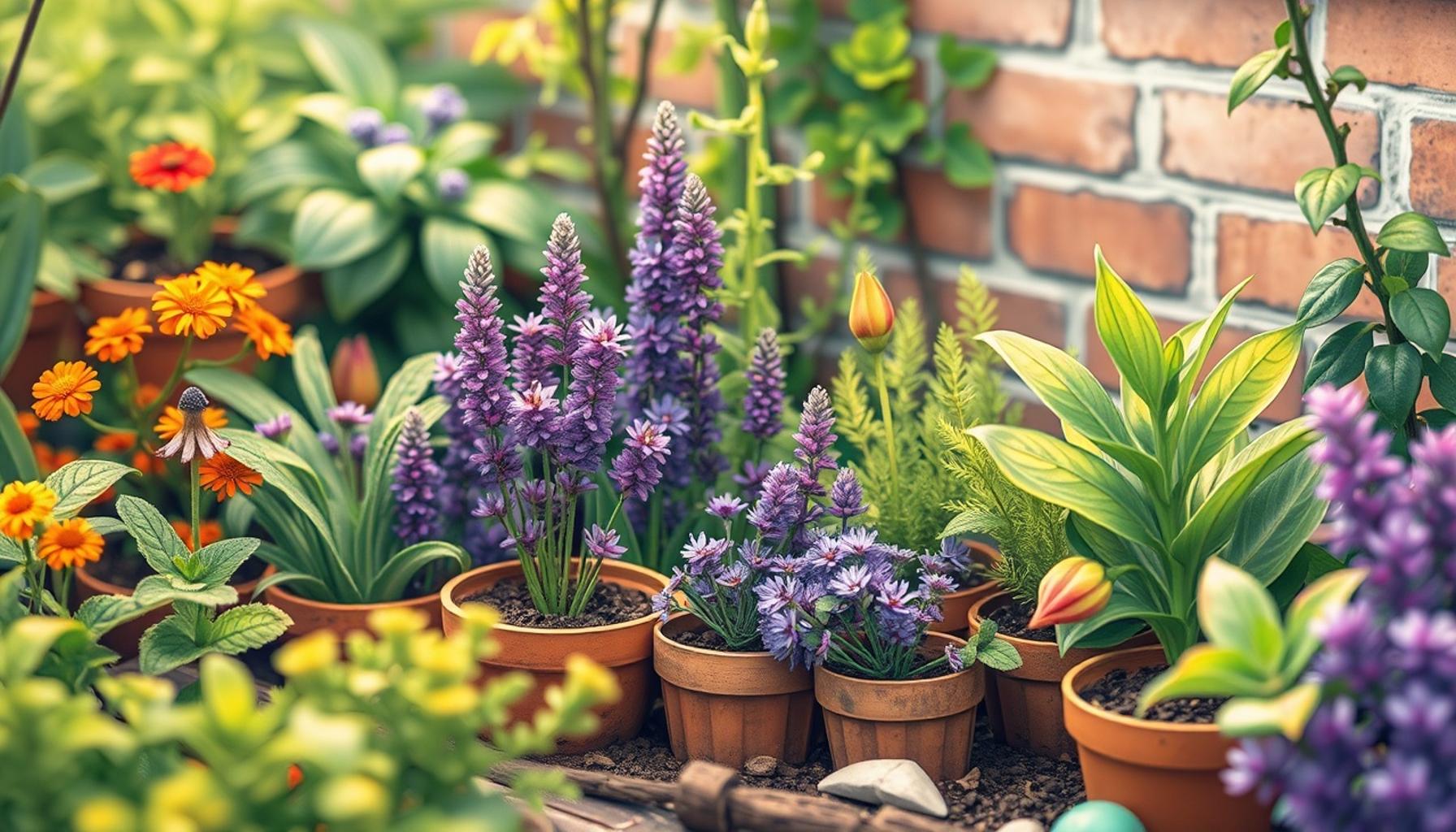
- Fragrant herbs, such as lavender, thyme, and mint, entice children with inviting scents that can be both refreshing and soothing, encouraging them to learn about culinary uses and the importance of herbs.
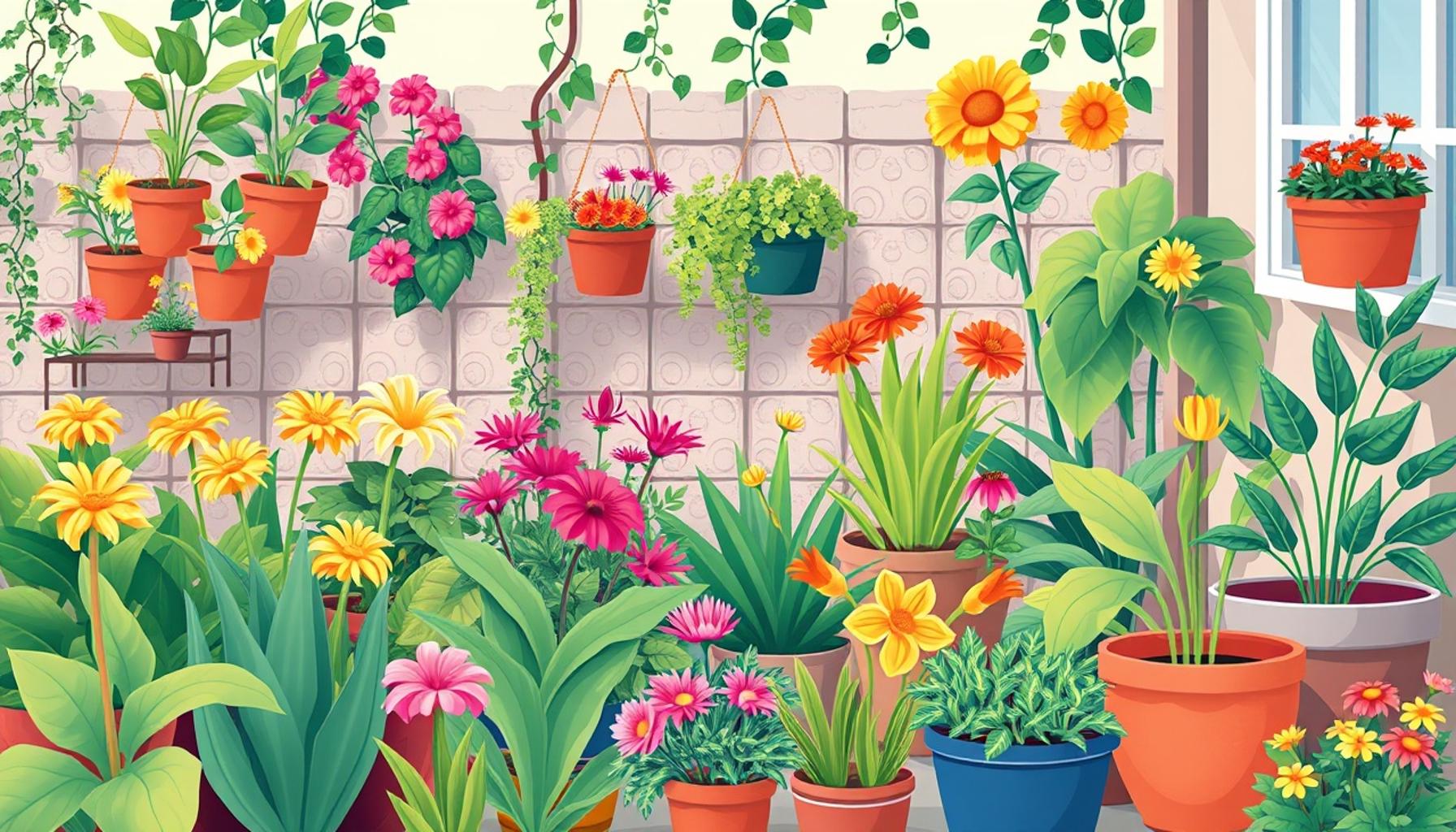
- Colorful flowers, including vibrant sunflowers, zinnias, and marigolds, not only captivate the eye but also attract beneficial insects like butterflies and bees, providing a real-life lesson on the ecosystem.
- Unique textures like smooth pebbles, coarse bark, and soft moss create opportunities for tactile exploration. Children can learn to differentiate between rough and soft surfaces, enhancing sensory development.
As you embark on this journey of creating a sensory garden, it’s vital to remember that this environment can foster not only curiosity but also mindfulness and a profound appreciation for nature. Engaging with the natural world can be a nurturing and restorative experience for young minds. The right mix of elements can transform your garden into a hub of sensory-rich experiences—each visit encouraging children to develop a lifelong love for the outdoors and the treasures it holds.
Beyond the immediate enjoyment, sensory gardens create an opportunity for family bonding and community involvement. Parents and caregivers can join in the fun by planting together, teaching kids about responsibility through the care of plants, or even harvesting herbs for dinner. With such an array of benefits, it becomes clear why sensory gardens are increasingly being embraced in schools, community centers, and backyards across the nation.
Essential Elements for Designing a Sensory Garden
Creating a sensory garden for children requires thoughtful planning and a vibrant selection of plants and materials. The ultimate goal is to engage all five senses—sight, sound, touch, taste, and smell—allowing children to explore while having fun. Below, we outline key elements to consider when designing your space.
Plant Selection: Play with Colors and Scents
Choosing the right plants is crucial for enhancing the sensory experience. Here are some recommendations to stimulate interest:
- Vivid Herbs: Opt for herbs like basil, rosemary, and cinnamon basil. Their aromatic qualities not only smell delightful but also introduce children to culinary possibilities.
- Brilliant Flowers: Incorporating flowers such as lilies, geraniums, and cosmos adds splashes of color that can evoke feelings of excitement. Consider planting in clusters to create a visually stunning impact.
- Edible Plants: Integrating fruits and vegetables, like strawberries and snap peas, helps children connect with the food they eat and can encourage taste testing right from the garden.
Textural Variety: Engage with Surfaces
The textures found within a sensory garden can offer children an engaging tactile experience. Consider mixing textures by incorporating:
- Rough Materials: Plant species with coarse bark or spiky foliage, such as rhubarb or thistles. These can spark curiosity as children explore the differences between smooth and rough surfaces.
- Soft and Plush: Adding soft plants like lamb’s ear or moss invites gentle touch and promotes sensory exploration.
- Hard Elements: Include materials like pebbles, wood chips, or sand in designated play areas. These can provide varying experiences during playtime—think about building paths or creating texture zones.
Creating Soundscapes: Let Nature Speak
Incorporating sound into the sensory garden can deepen the immersive experience for children. Select elements that naturally produce sounds:
- Bamboo wind chimes: These can create soothing sounds when the wind blows, adding a serene touch to the environment.
- Water features: A small fountain or pond not only attracts wildlife but also adds delightful splashes and bubbling sounds, enriching the sensory experience.
- Movement-friendly plants: Grasses like Miscanthus can rustle in the wind, adding an auditory dimension to the garden.
Through strategic planning and creative installation of these sensory elements, parents and educators can cultivate an enriching environment that not only entertains but also nurtures children’s developmental needs. As they sieve through textures, inhale aromatic scents, and absorb a spectrum of colors, children learn, discover, and thrive in their unique sensory garden.
When designing a sensory garden for children, integrating various elements that stimulate the senses is crucial. Sensory gardens are not only beautiful; they also play an important role in the developmental milestones of children. By incorporating a variety of plants, materials, and activities, you can create a vibrant space that nurtures learning, discovery, and joy.
Choosing the Right Plants for Your Sensory Garden
Begin with selecting plants that appeal to different senses. For tactile experiences, consider herbs such as rosemary, lavender, and sage, which have unique textures and enticing scents. Incorporating plants with varying leaf shapes, sizes, and colors can stimulate visual senses. For example, brightly colored flowers like sunflowers and marigolds can brighten up your garden and pique children’s interest.
Incorporating Elements of Play
In addition to plants, integrating play elements encourages exploration. Paths made of different materials, such as gravel, wood chips, or sand, provide sensory experiences as children walk through the garden. Consider adding items like a water feature to engage auditory senses or a sensory box filled with natural materials where children can bury their hands to discover different textures.
Creating Colorful Zones
Designing colorful zones within your garden helps organize the space and gives children a sense of direction. You can create a red zone with plants like red tulips and berry bushes, a blue zone filled with blue hydrangeas and other blue-hued flowers, and so on. Not only does this approach stimulate visual senses, but it also encourages children to learn about colors and their differences as they explore.
Engaging the Sense of Smell
Smell is one of the most powerful senses and can evoke emotions and memories. Include aromatic plants like jasmine and mint in your sensory garden. You may also consider incorporating herbs that children can pick and smell, providing them with a delightful hands-on experience.
Interactive Learning Opportunities
Make your sensory garden a space for interactive learning. Label each plant with colorful signs that include fun facts and educational elements such as what animals or insects are attracted to them. This not only enhances children’s understanding of nature but also encourages a sense of responsibility as they care for their sensory garden.By thoughtfully selecting plants and incorporating sensory-rich elements, you can create an engaging environment that inspires curiosity and cultivates a love for nature in children. Explore the endless possibilities that come with designing a sensory garden, and watch as it transforms into a space for adventure and learning.
Incorporating Creative Elements: Enriching the Experience
Transforming a sensory garden into an interactive space goes beyond plants; it includes a variety of creative elements that capture children’s imaginations. Here are several ideas to enhance the sensory experience through artistic and playful features.
Interactive Installations: Encourage Play and Discovery
Interactive installations can turn any sensory garden into an adventurous play hub. Consider integrating:
- Artistic sculptures: Incorporating colorful murals or whimsical sculptures can inspire children’s creativity. Think of locally sourced materials or community art projects that showcase local artists, creating an aesthetically pleasing environment that sparks curiosity.
- Musical instruments: Weather-resistant instruments, like xylophones or drums, can be strategically placed within the garden. They encourage not only auditory exploration but also cooperative play as kids create music together.
- Obstacle courses: Using natural materials, such as logs or stones, can create a fun, engaging path that aids in physical development—supporting balance and coordination while encouraging exploration along the way.
Gardening Activities: Hands-On Learning
Involving children in gardening tasks can enhance their learning and connection with the natural world. Plan involvement strategies that include:
- Planting Stations: Designated areas where kids can dig, plant seeds, or transplant seedlings can instill a sense of responsibility. This hands-on approach helps them understand the growth process, from planting to harvest.
- Nature Journals: Providing children with journals to document their observations promotes both literacy and observational skills. Encourage them to note colors, textures, and any fascinating findings that arise during their explorations.
- Themed Garden Days: Organizing events can add excitement to the garden. For example, having “Wildflower Wednesday” or “Fruity Fridays” where kids learn more about specific plants or enjoy taste-testing activities can enhance engagement.
Using Color and Light: Creating a Magical Atmosphere
Colors and light can dramatically influence a child’s interaction with a sensory garden. Here are some innovative ideas to consider:
- Seasonal Color Schemes: Planting a variety of flowers that bloom across different seasons ensures that the garden maintains vibrancy throughout the year. Consider seasonal blooms like daffodils in spring and zinnias in summer for a continuous display of color.
- Lighting Effects: Incorporate decorative lighting, such as solar-powered fairy lights or lanterns, to create a magical ambiance. Soft lighting can encourage evening exploration and allow for nighttime garden experiences.
- Rainbow Paths: Painted stepping stones or colorful pathways can lead children through the garden, reinforcing color recognition while having fun navigating their journey.
By integrating these creative elements into your sensory garden, you establish a stimulating environment where children can run free, test boundaries, and grow their understanding of the world. The richness of textures, colors, and scents, alongside interactive activities, creates an unparalleled opportunity for experiential learning and joy.
Conclusion: Cultivating a World of Senses
Creating a sensory garden for children is a rewarding endeavor that provides endless benefits far beyond mere aesthetics. Such gardens act as vibrant classrooms where textures, colors, and scents converge to stimulate a child’s imagination and enhance their learning experiences. Through thoughtful integration of interactive installations and imaginative elements, you can cultivate an engaging atmosphere that promotes curiosity and exploration.
As children immerse themselves in hands-on activities like planting and journaling, they develop vital skills that build a strong connection with nature and foster a deeper understanding of ecological systems. Incorporating elements like seasonal blooms and creative lighting not only enhances the garden’s allure but also teaches children about the cyclical beauty of the natural world.
Ultimately, designing a sensory garden transcends the simple act of planting; it encompasses the creation of an interactive landscape where every corner offers discovery and wonder. It serves as a canvas for children to express themselves, relishing the joy of sensory play, while also instilling appreciation for the environment. Embrace this opportunity to guide the younger generation toward an enriched sensory experience, ensuring that your garden becomes a cherished space for discovery, learning, and growth for years to come.
Whether you’re a parent, educator, or community member, the principles of creating a sensory garden can be applied in various settings—a schoolyard, a backyard, or even a community park. The rich tapestry of sensory experiences awaits, inviting you to embark on this delightful journey. So roll up your sleeves, get inspired, and start planting the seeds of joy and curiosity today!