How to Create an Herb Garden in Small Spaces: Tips and Tricks
Creating an herb garden in small spaces can be a rewarding endeavor, even for those with limited square footage. Whether you have a cozy balcony, a tiny backyard, or just a sunny windowsill, you can grow fresh herbs to enhance your culinary creations. With the right tips and tricks, anyone can cultivate a thriving herb garden.
Why an Herb Garden?
Herb gardening offers numerous benefits for enthusiasts and casual cooks alike:
- Freshness: Imagine stepping outside your kitchen to snip some basil, cilantro, or mint for your meal. The unparalleled taste of freshly harvested herbs can transform dishes and elevate your cooking.
- Flavor: Herbs are nature’s flavor enhancers. A sprinkle of thyme in roasted vegetables or a handful of parsley over pasta can significantly enhance the taste of your meals. By growing your own herbs, you can experiment with various flavors and discover new favorite combinations.
- Health: Many herbs, such as rosemary, oregano, and sage, are not only flavorful but also packed with antioxidants, vitamins, and minerals. Incorporating fresh herbs into your diet can contribute to overall health and well-being, offering potential benefits such as improved digestion and antioxidant properties.
Get Started: Essential Considerations
Before you dig in, there are crucial aspects to consider in your herb gardening journey:
- Space: Evaluate your available space for planning. If you’re working with a very small area, consider choosing space-efficient herbs like chives, parsley, or dwarf varieties that are easier to manage.
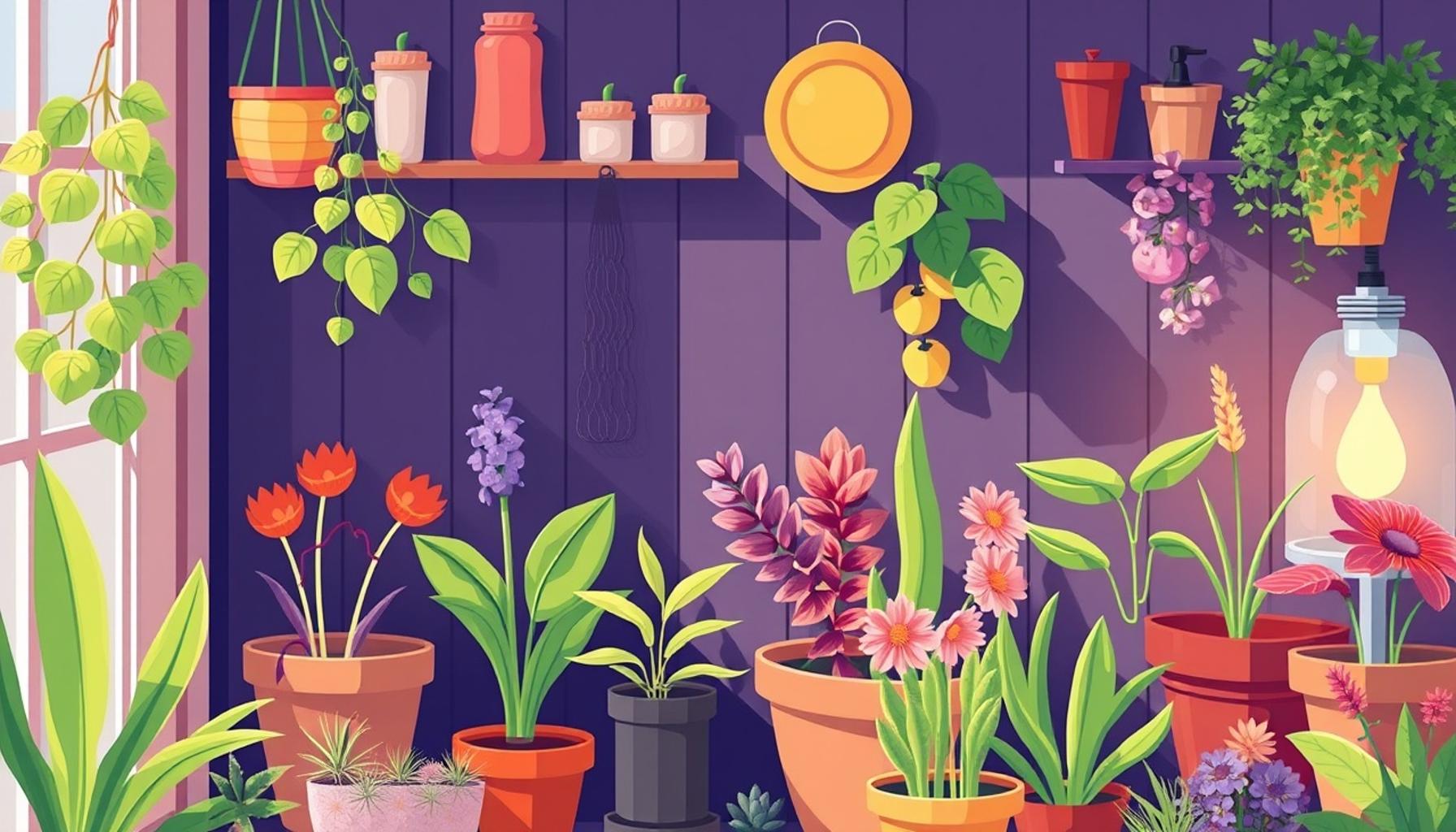
- Light: Most herbs thrive with at least 6 hours of sunlight per day. If your balcony or windowsill lacks natural light, don’t despair; consider supplementing with grow lights, which can mimic the sun’s rays and help your plants flourish.
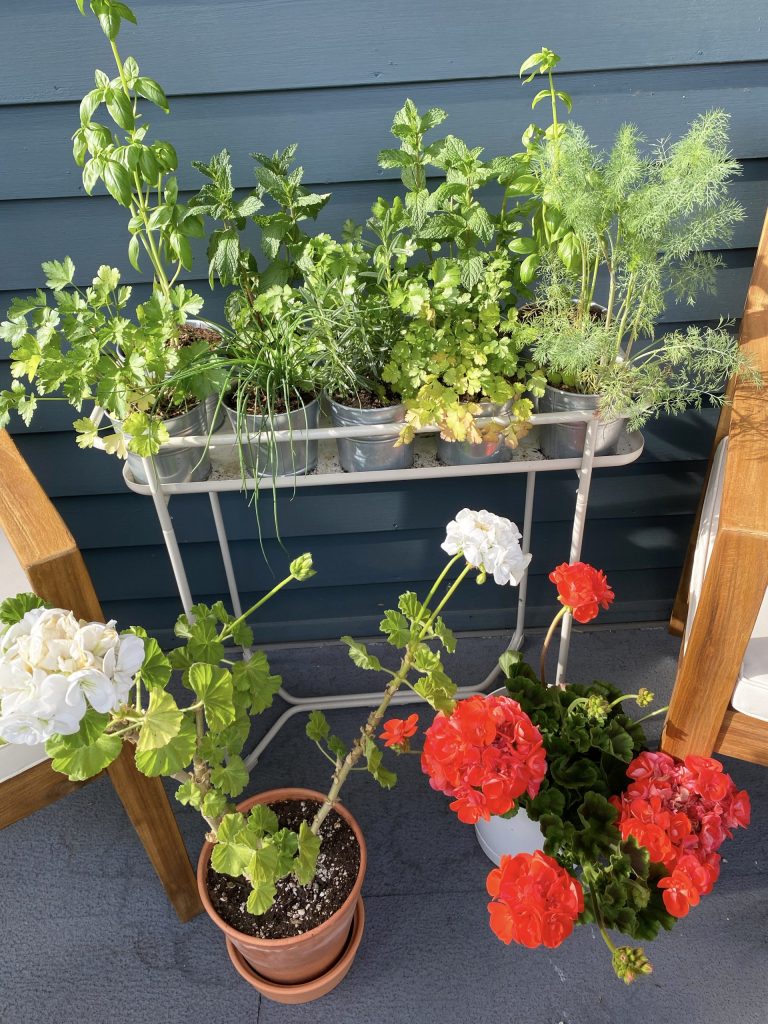
- Containers: Choose pots or vertical gardens to maximize space. Container gardening allows for flexibility—be it using hanging baskets for trailing herbs or stackable planters for a vertical garden—every inch can be efficiently utilized.
By embracing the challenge of herb gardening, you can create a personal oasis of flavors at home. There are countless creative ideas to explore, including themed herb gardens tailored for specific cuisines, or companion planting techniques that enhance growth. Building rich soil, using organic fertilizers, and maintaining proper watering practices will only enhance your success.
Inspiration and Resources
Consider joining local gardening clubs or online forums to connect with fellow herb enthusiasts. Websites like Pinterest offer a plethora of design ideas, while cooking blogs can provide recipes highlighting your home-grown herbs. Many local farmers’ markets and nurseries offer workshops where you can learn about herb gardening. Stay with us as we explore creative ideas and practical steps to help you start your herb garden today.
Planning Your Herb Garden
Creating a successful herb garden in small spaces begins with thoughtful planning. The initial steps can set the stage for a bountiful harvest. Start by considering the types of herbs you want to grow. Some herbs are easier to cultivate and care for than others, making them ideal for novice gardeners. Consider incorporating herbs such as:
- Basil: A versatile herb perfect for pesto, salads, and sauces.
- Thyme: This hardy herb is great for seasoning meats and vegetables, and it’s relatively low maintenance.
- Mint: Fast-growing and aromatic, mint can thrive in containers, providing a refreshing addition to drinks and desserts.
- Cilantro: With its bright flavor, cilantro is a favorite for guacamole and salsas, and it grows well in small spaces.
- Chives: Easy to grow and lovely in pots, chives add a subtle onion flavor to a variety of dishes.
Next, take time to evaluate the climate and seasonality of your area. Understanding your hardiness zone, found through the USDA Plant Hardiness Zone Map, will help you select herbs that thrive in your local conditions. For instance, some herbs prefer warmer environments, while others can survive cooler climates. Researching your specific zone can guide you toward the right choices.
Choosing the Right Containers
Container selection is crucial when working with limited space. Opt for pots and containers that are made of materials aiding drainage and are manageable in weight. Here are some popular choices:
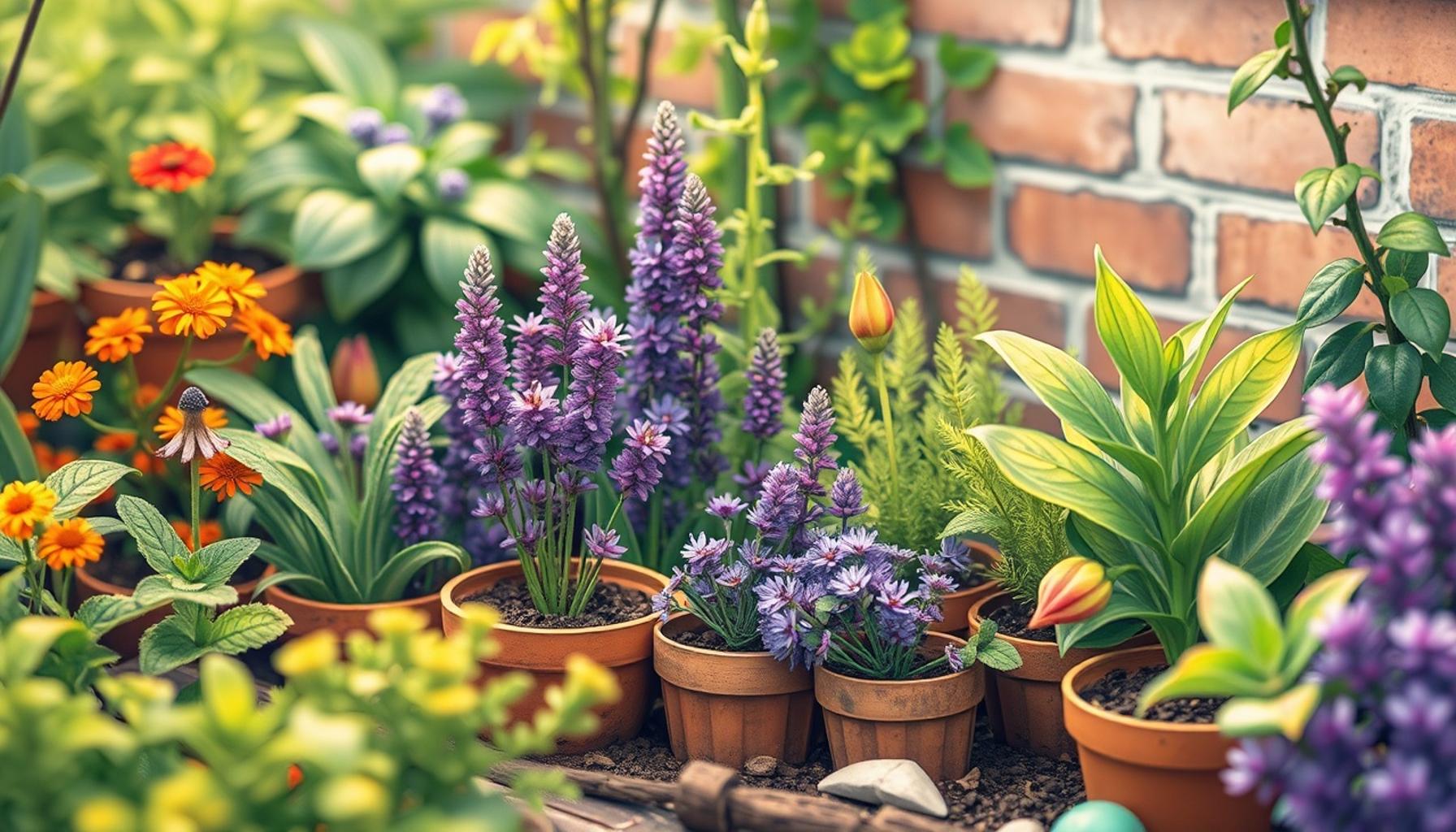
- Terracotta pots: They have excellent breathability, reducing the risk of overwatering and promoting healthy root systems.
- Hanging baskets: These can be perfect for trailing herbs like oregano or mint, effectively using vertical space.
- Vertical garden systems: Stackable planters can maximize space efficiency and create a stunning visual impact in your small area.
- Recycled items: Get creative with repurposed containers such as old wooden crates or metal buckets to hold your herbs.
Another essential component to consider is soil quality. Herbs thrive best in well-draining, nutrient-rich soil. Look for potting soil mixed with compost, as it enhances drainage while providing needed nutrients. Regularly amending the soil with organic fertilizers can ensure that your herbs receive the nourishment they need to flourish.
Once you have the containers and soil sorted, it’s time to plan the layout. Arrange your containers in a way that maximizes sunlight exposure. Tiered arrangements, where taller plants are at the back and shorter ones are in front, can create an aesthetic appeal while ensuring that all your herbs receive adequate sunlight.
By carefully planning your herb garden layout, choosing the right herbs, and selecting appropriate containers, you’re setting up a promising start for your small-space herb gardening venture. These thoughtful approaches will not only maximize your limited area but will also ensure that your herbs grow healthy and vibrant, ready to bring joy to your kitchen.
Creating an herb garden in small spaces can be a highly rewarding endeavor, allowing urban dwellers and those with limited outdoor areas to enjoy fresh herbs without extensive gardening knowledge or tools. The following are some effective tips and tricks to help you establish and maintain your mini herb haven.First and foremost, choose the right containers. Opt for pots that are at least 6-12 inches deep to accommodate the root systems of the herbs you wish to grow. Choose materials that encourage drainage, such as terracotta or ceramic, which not only look aesthetically pleasing but also help prevent overwatering.Next, select the best herbs for small spaces. Consider starting with popular varieties like basil, oregano, thyme, and parsley, which are not only hardy but also versatile for culinary uses. Additionally, growing herbs like mint and chives can thrive in confined spaces, provided they have enough sunlight and water.Speaking of sunlight, maximizing light exposure is crucial. Place your containers in spots that receive at least 6-8 hours of sunlight daily. If natural light is limited, consider using grow lights to supplement the light your herbs receive, especially during winter months.Watering routines are essential; ensure proper watering techniques. Herbs prefer consistent moisture but do not thrive in soggy conditions. The best practice is to check the soil moisture with a finger; if the top inch feels dry, it’s time to water. Also, collect rainwater as an eco-friendly watering option that also provides essential nutrients to your plants.Additionally, utilizing vertical gardening techniques can be a game-changer in small spaces. Vertical planters or wall-mounted pots can create an interesting greenery display while saving valuable floor space. Hanging herb gardens also add visual appeal and accessibility.Finally, regular fertilization will support your plants’ growth. Use organic fertilizers or compost, and apply them during the growing season to enrich the soil without overwhelming the herbs. This not only enhances flavor but also increases yield, ensuring you have a steady supply of fresh herbs for your culinary adventures.By implementing these practical strategies, your small herb garden can flourish and provide you with fresh flavors right at your fingertips, adding both fragrance and taste to your cooking.
Maintaining Your Herb Garden
Once you have successfully planned and set up your small herb garden, the next critical step is learning how to maintain it for optimal growth and yield. Care for your herbs requires consistent attention, but the rewards of fresh flavor at your fingertips can make it all worthwhile. Below are essential tips for maintaining the health of your herb garden.
Watering Wisely
One of the most important aspects of herb care is proper watering. Herbs generally prefer soil that is moist but not soggy. Overwatering can lead to root rot, while underwatering can stunt growth. A good rule of thumb is to check the top inch of soil; if it feels dry, it’s time to water. Water thoroughly until you see it drain out of the bottom; this ensures that the roots are well-hydrated. For small-container gardens, consider using a watering can with a spout to manage the amount of water given, preventing overflow and soil washout.
Fertilizing for Flavor
To keep your herbs vibrant and flavorful, regular fertilization is key. Organic fertilizers, such as fish emulsion or seaweed extracts, can provide essential nutrients without the risk of chemical buildup, which can alter flavor profiles. Fertilizing every 4 to 6 weeks during the growing season can lead to robust, healthy herbs. Be cautious with the amount, as too much fertilizer can harm your plants. Keeping track of fertilizer application on a calendar can be a helpful practice.
Pruning and Harvesting
Pruning and harvesting your herbs not only boosts growth but also encourages the plants to become bushier. The key is to harvest regularly, ideally removing the top third of the plant. This prevents flowering, which can cause herbs to taste bitter. For herbs like basil, pinching off flower buds will ensure you get the sweetest, most flavorful leaves. Use clean, sharp scissors or garden shears to minimize damage to the plant. Always harvest in the morning when the oils are most concentrated, leading to a better flavor.
Pest Management
Herb gardens, even those in small spaces, can fall prey to pests such as aphids, spider mites, and whiteflies. Keeping a watchful eye on your plants can help detect pest infestations early. Instead of reaching for chemical pesticides, consider using natural remedies like neem oil or insecticidal soap. These options will not only keep pests at bay but also ensure your herbs remain safe for consumption. Companions such as marigolds can deter harmful insects when planted nearby, creating a holistic approach to pest management.
Protection from the Elements
Small-space gardens may also face challenges from weather changes. If you live in areas prone to extreme heat or cold, consider creating a protective cover using shade cloths in the summer or bringing potted herbs indoors during harsh winters. Additionally, container gardening allows for mobility; placing pots in optimal light spots or sheltering them from harsh winds can enhance herb growth. Investing in a small greenhouse or weatherproof covers may also extend your growing season.
By incorporating these maintenance strategies into your routine, you can create a thriving herb garden that not only enhances your cooking but also brings a bit of nature into your small space. Regular care will ensure that your herbs remain healthy and productive, ready to be utilized in all your culinary endeavors.
Conclusion
Creating an herb garden in small spaces is not just feasible; it can be incredibly rewarding. With careful planning, mindful maintenance, and a little creativity, you can transform even the tiniest corner of your home into a lush haven of flavor and fragrance. Remember that choosing the right herbs that fit your culinary preferences, understanding their growth requirements, and employing effective space-saving techniques are crucial for success.
Moreover, maintaining your garden through proper watering, nutrient-rich fertilization, and regular harvesting ensures that your herbs thrive and continue to enhance your dishes. Utilizing natural pest control methods will also keep your garden healthy and safe for family meals. Additionally, providing protection from harsh weather conditions will extend your herbs’ growing season and keep them vibrant.
Ultimately, the joy of cultivating your own herbs extends beyond the kitchen. It fosters a connection to nature and promotes sustainability, empowering you to grow your own food in the most unexpected spaces. For those intrigued by the possibilities, diving into the world of herb gardening offers a treasure trove of experiences and flavors. So why wait? Embrace the challenge and start your small-space herb garden today, and watch as it flourishes into a delightful extension of your lifestyle.