Intergenerational Crafts: Projects that Connect Different Generations
The Transformative Power of Intergenerational Crafting
Crafting transcends the boundaries of mere recreation; it serves as a robust medium for fostering connections across generational divides. In an era dominated by rapid technological advancements and digital communication, intergenerational crafts provide a vital platform for individuals of differing ages to unite, collaborate, and share their unique narratives.
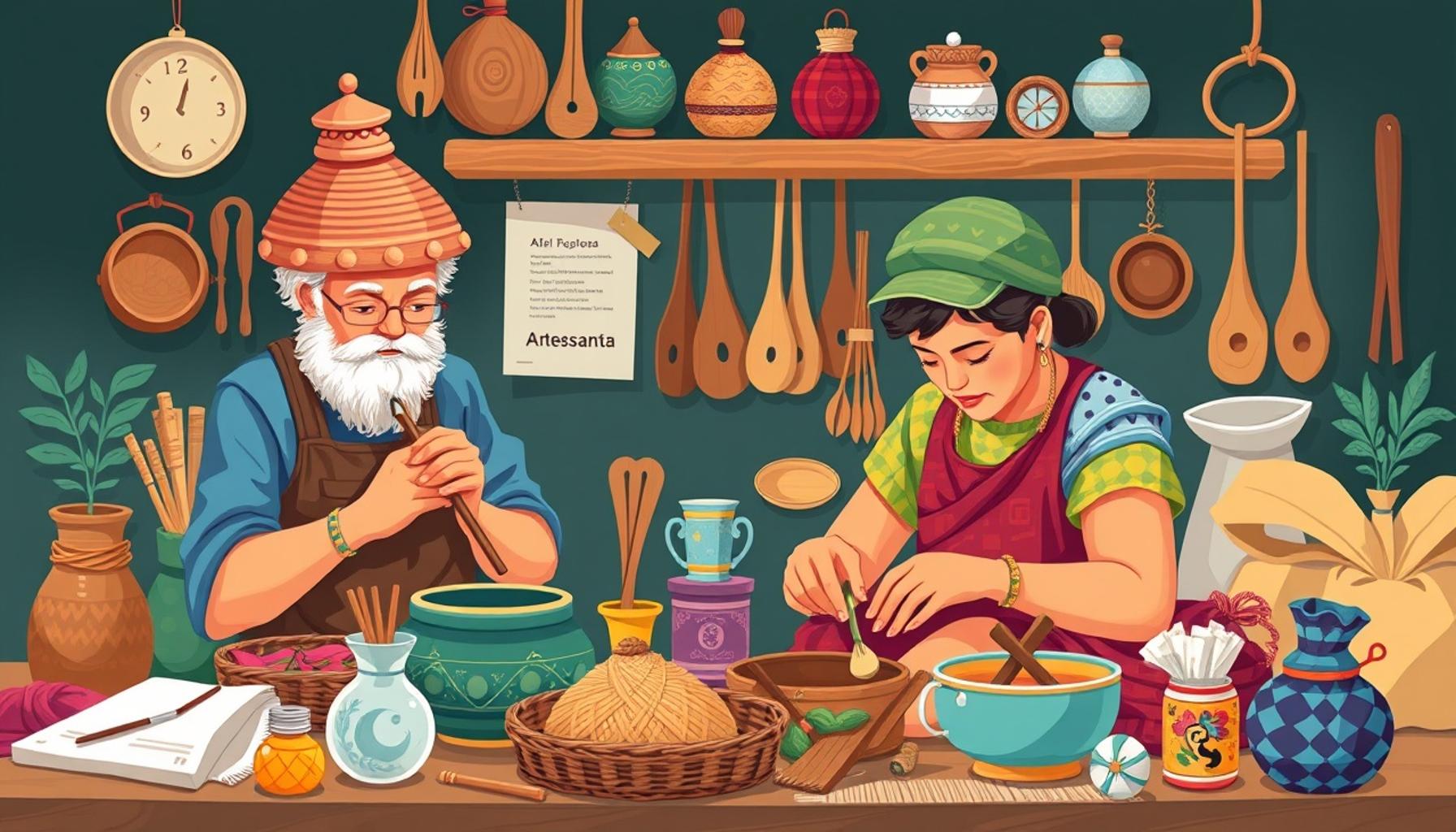
The benefits of engaging in craft activities that span generations are profound and multifaceted. Firstly, the preservation of skills is a fundamental advantage. Many traditional crafts, such as quilting or pottery, are at risk of fading into oblivion with each passing year. By involving younger generations, older individuals can teach the techniques and stories behind these crafts, ensuring that rich cultural and familial legacies are kept alive. For example, a grandmother might pass down her secret knitting patterns to her teenage granddaughter, who can then incorporate modern twists, blending the old with the new.
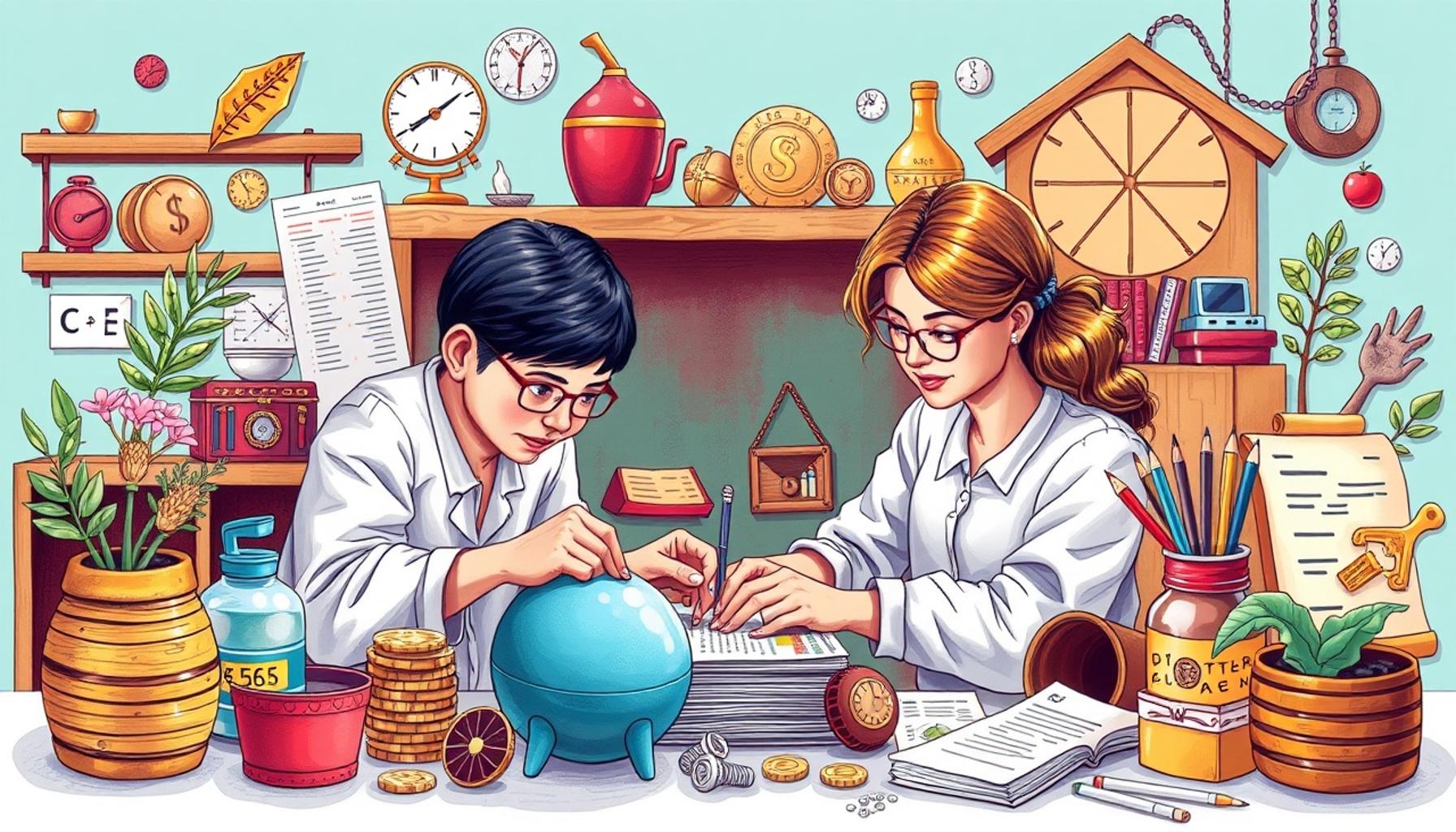
Another significant aspect is fostering communication. Crafting creates a welcoming and non-judgmental atmosphere, which can encourage open dialogue among participants. During these activities, complex conversations often unfold naturally. Picture a grandfather and his grandson sculpting clay together; while focused on their hands, they might discuss life lessons, personal experiences, or even current global events. This relaxed setting can pave the way for discussions that might be more challenging in a formal environment.
Moreover, crafting across age demographics stimulates creativity. When individuals with different perspectives collaborate, their combined ideas can lead to innovative solutions and novel approaches to artistic projects. A youth might suggest modern color palettes for a mural, while an elder can provide historical context for specific themes or imagery, resulting in a richer and more nuanced final product.
Intergenerational crafting can encompass a wide array of activities, suitable for varying interests and abilities. From the intricate process of weaving and age-old knitting techniques to contemporary DIY home décor projects, the options are virtually limitless. Imagine a community center organizing a crafting day where children and seniors come together to create seasonal decorations. This setting not only boosts creativity but also encourages teamwork and collaboration among participants of all ages.
These shared experiences amplify not only familial bonds but also strengthen community ties. By partaking in intergenerational crafts, participants take part in a larger narrative that is interwoven within their local culture, showcasing how diverse ages can coexist harmoniously while celebrating their differences and commonalities.
As you delve deeper into the world of crafting, consider exploring local workshops or community events dedicated to intergenerational projects. Such encounters are ripe with opportunities to learn, teach, and ultimately connect, leaving a lasting impact on both individuals and communities alike.
Bridging Generational Gaps Through Shared Creativity
One of the most compelling aspects of intergenerational crafts is their ability to bridge gaps that often divide age groups, allowing for profound exchanges that enrich both young and old. The myriad of projects that can be undertaken varies significantly, yet each offers a unique opportunity to connect through creativity. From traditional crafts, such as crochet and woodworking, to modern techniques like screen printing and digital art, there is something for everyone, regardless of age or skill level.
When exploring the types of crafts suited for intergenerational projects, one can consider the following examples:
- Embroidery or Cross-Stitching: This craft allows for intricate designs and personal touches, perfect for sharing stories of family heritage or creating gifts to celebrate special occasions.
- Gardening Projects: Intergenerational gardening not only showcases the patience required for nurturing plants but also bridges knowledge about sustainable practices, making it both a practical and environmentally conscious activity.
- Scrapbooking: Saving memories in creative ways can encourage discussions about family history, significant life events, and personal milestones, providing a meaningful narrative that unfolds as the project progresses.
- Painting Murals: Collaborating on a communal mural can unite a community by involving local histories, creating representation across ages, and leaving a lasting mark that future generations can appreciate.
Each of these options captures the essence of intergenerational crafting, where the skills and experiences of older individuals blend seamlessly with the enthusiasm and fresh ideas of younger participants. Such collaborations often spark a newfound appreciation for the traditions that have shaped their community and foster a sense of unity through shared labor.
Moreover, as these projects unfold, participants often find themselves learning valuable lessons from each other that extend beyond the specifics of the craft. For example, older adults can impart time-honored techniques and craftsmanship, while younger individuals may share insights into new trends and technologies, creating a dynamic exchange of knowledge. This equitable sharing of learning promotes mutual respect and understanding, encouraging not just collaboration in crafting, but also in life.
The social aspects of crafting together cannot be understated. As participants engage in meaningful projects, laughter, storytelling, and camaraderie flourish in a setting that often champions creativity over competition. This enriching environment lays the groundwork for building relationships based on support and understanding, ensuring that all participants—regardless of age—leave with a sense of accomplishment and connection.
In this way, intergenerational crafts serve as a powerful tool for strengthening familial ties as well as community bonds. As we delve deeper into these projects, it becomes clear that crafting is so much more than assembling materials; it is about weaving the fabric of our shared human experience.
| Category | Description |
|---|---|
| Cultural Exchange | Intergenerational crafts offer a platform for sharing unique cultural practices and traditions, fostering a deeper understanding and appreciation among generations. |
| Skill Development | Craft projects not only allow older generations to impart skills but also enable younger participants to develop creativity, patience, and problem-solving abilities, resulting in a well-rounded learning experience. |
Crafting connects individuals beyond mere activity; it weaves together stories, experiences, and generational knowledge. This unique initiative, focusing on projects that encourage collaboration between young and old, has emerged as a crucial remedy for the growing disconnection in today’s society. Through shared crafting experiences, participants not only bond over materials but also relate personal histories, bridging the gap between varied age groups.Moreover, these crafts serve more than just aesthetic purposes; they are a way to preserve and celebrate cultural legacies. By engaging with traditional practices, younger participants retain invaluable insights into their heritage. Activities such as knitting, pottery, or painting not only rejuvenate these age-old crafts but also become platforms for meaningful conversations and connections.Engagement in intergenerational crafts facilitates mutual respect and understanding, key elements for fostering a holistic community. As families come together over these projects, they collectively cultivate a sense of belonging, reminding each participant of the beauty found in diversity.
Creating Lasting Memories Through Shared Projects
Further exploring the realm of intergenerational crafts reveals not just the joy of creation but also the formation of lasting memories. These shared activities become a treasure trove of experiences that participants reminisce about long after the project is completed. Crafting together fosters an environment where stories are exchanged, laughter is shared, and personal histories are intertwined, creating a tapestry of connection that transcends age.
One particularly engaging project that illustrates this idea is quilt-making. Quilting has a rich history in American culture, often passed down through generations as a reflection of family heritage and storytelling. By involving both young and old in the creation of a quilt, participants can contribute their own squares, each telling a unique story—whether it’s a favorite memory, an important event, or a cherished family tradition. The end product stands not only as a functional piece of art but also as a narrative that unites diverse experiences and serves as a cozy reminder of the bonds forged during its creation.
Another compelling avenue for intergenerational crafting is pottery. It provides a hands-on experience that can be incredibly therapeutic. The process of molding clay encourages mindfulness and patience—virtues that older generations often emphasize, while younger participants may find joy in exploration and creativity. Engaging in pottery not only results in beautiful, tangible items but also open conversations about the artistic methods and cultural significances behind different pottery styles. Such exchanges can ignite an interest in art history, craftsmanship, and personal expression across age divides.
Cooking and baking also offer excellent intergenerational crafting opportunities, blending culinary skills with creativity. Family recipes are passed down, with older generations sharing their culinary wisdom, tips, and secrets to successful dishes. Meanwhile, younger participants can introduce modern twists, whether it be dietary adaptations or trendy kitchen gadgets. This sharing of food culture provides nourishment for both the body and soul, reinforcing family bonds and imparting lifelong skills that can be utilized in future generations.
Moreover, technology-infused crafting, such as digital storytelling or video editing, invites participants to engage with contemporary skills that younger generations often excel in, while older adults share their stories and experiences. Utilizing platforms like social media, families can document their crafting journeys, creating a digital scrapbook that is both a testament to their shared efforts and a way to engage with a larger community. This not only preserves memories but also connects families with others who share similar interests, further expanding the network of support and inspiration.
A study by the Stanford Center on Longevity emphasizes that intergenerational activities, including craft-oriented projects, significantly enhance emotional well-being and promote a sense of belonging for individuals of all ages. As these engaging sessions unfold, they pave the way for deeper relationships and create cherished memories that resonate throughout the years.
In essence, intergenerational crafts are transformative experiences that contribute to personal growth while reinforcing societal bonds. Each brush stroke, stitch, and shared meal becomes an echo of history, creativity, and connection, laying the groundwork for future generations to cherish and continue this enriching practice.
Connecting Through Creativity: The Impact of Intergenerational Crafts
In conclusion, intergenerational crafts serve as vital conduits for constructing meaningful relationships across age divides, fostering a supportive environment where creativity and shared experiences thrive. Through projects such as quilt-making, pottery, cooking, and digital storytelling, participants not only engage their artistic talents but also create lasting bonds that enrich their lives. The importance of these activities extends beyond the act of crafting itself; they cultivate a unique space for storytelling and the exchange of wisdom, effectively bridging generational gaps.
The benefits of intergenerational crafting are corroborated by research, which highlights their positive impact on emotional well-being, social connections, and the preservation of family traditions. As families gather around the table or at the craft room, they embark on a journey that not only yields beautiful creations but also seals their place in shared family history. Moreover, these projects provide an opportunity for younger generations to learn invaluable skills from their elders, while also allowing older adults to adapt and innovate alongside their grandchildren and peers.
Ultimately, the power of intergenerational crafts lies in their ability to weave life’s rich tapestry, making it more vibrant through diverse threads of experience. As communities increasingly embrace these collaborative projects, they foster social cohesion and resilience, encouraging individuals of all ages to explore creativity together. This combined effort enables families to pass down not just finished artworks, but also cherished memories, stories, and lessons learned—a legacy that resonates for generations to come.