The Art of Collage: Transforming Memories into Visual Works
The Allure of Collage in Visual Storytelling
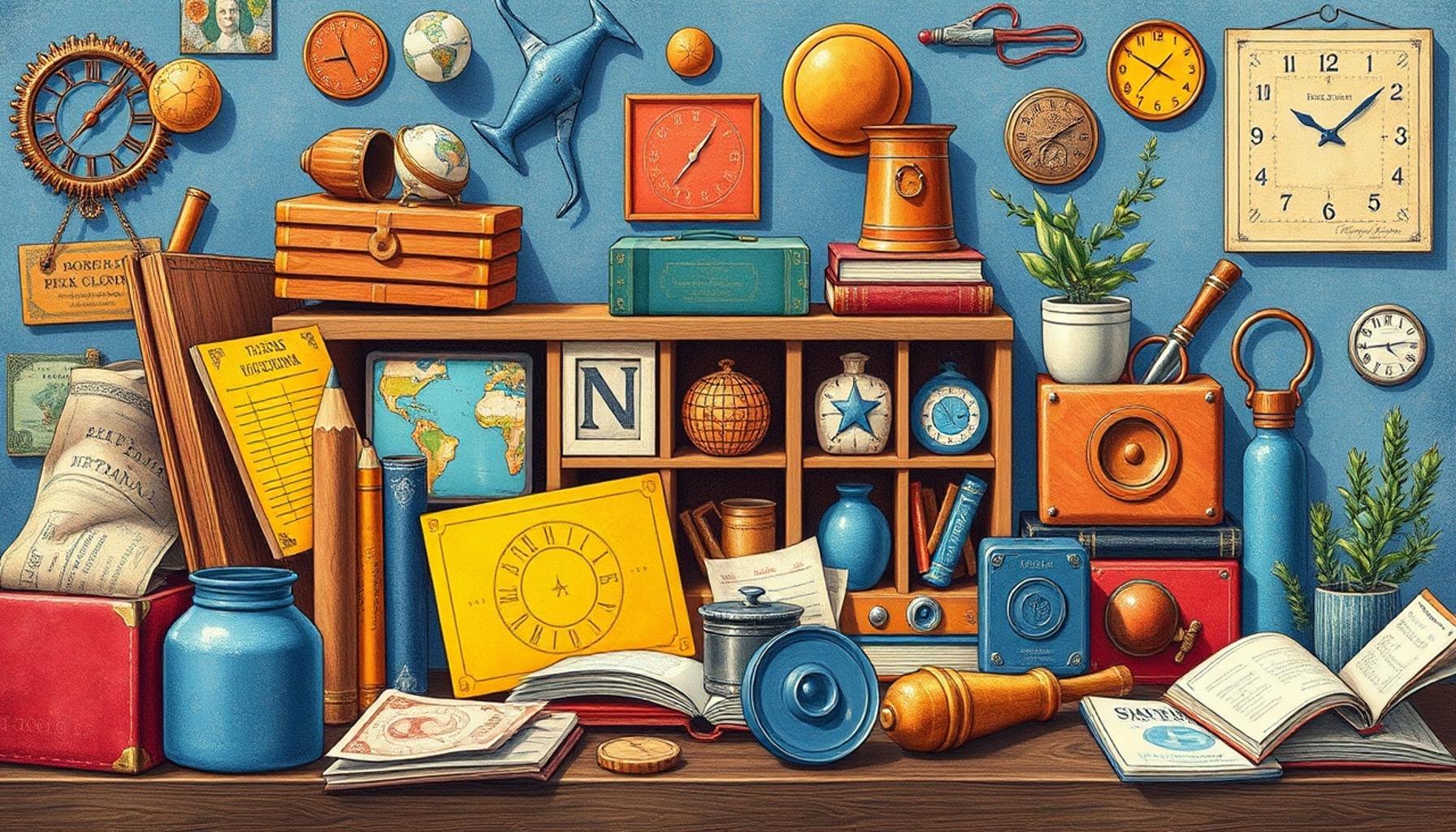
Collage is a vibrant artistic form that transcends mere decoration; it serves as a powerful form of expression that empowers individuals to weave their memories into rich and compelling visual narratives. By merging various materials—such as photographs, magazine clippings, fabrics, and found objects—collages capture the essence of experiences, emotions, and moments in an evocative manner that traditional photography cannot always convey. Each element contributes to an overall story, inviting viewers to interpret and engage with the combined imagery.
The magic of collage lies in its myriad features which enhance its artistic charm. Here are some key characteristics:
- Emotional Depth: Each collage becomes a personal tapestry that resonates with the viewer’s unique life experiences. For instance, an artist might incorporate family photos along with torn pages from a well-loved book, creating a narrative that speaks to nostalgia and the passage of time.
- Diverse Techniques: Artists relish the opportunity to experiment with layering, texture, and color schemes, combining multiple techniques that reflect their personal style. This could involve using acrylics to paint over portions of a collage or integrating three-dimensional elements such as buttons or twine for added depth.
- Accessibility: Collage art is inclusive; virtually anyone can create one, making it an approachable art form. With just a pair of scissors, a glue stick, and a selection of materials, individuals can express their creativity without needing extensive training or expensive supplies.
In recent years, the collage movement has gained substantial traction across the United States. Numerous communities host workshops and collaborative art projects, encouraging participants to share their personal histories through creative expression. These events foster a sense of camaraderie, as artists—seasoned or novice—come together to explore and celebrate their stories. For example, organizations like Community Collage in New York City organize sessions where local artists guide participants in creating pieces that reflect their neighborhoods, generating connections between individuals through shared art experiences.
In exploring “The Art of Collage: Transforming Memories into Visual Works,” we will examine the techniques that define this art form, delve into sources of inspiration, and reflect on the significance of collage as both a personal and communal activity. As we embark on this illuminating journey of creativity and self-discovery, you’ll uncover how the layers of collage can reveal not just images, but the stories of our lives.
Unpacking the Techniques of Collage Making
The creation of a collage is not merely a cut-and-paste endeavor; it is an intricate process that intertwines artistic techniques with personal storytelling. Understanding the diverse methodologies behind collage making allows both seasoned artists and beginners to delve deeper into their creative journeys. Below are some fundamental techniques that define the art of collage, enabling artists to transform their memories into vibrant visual works:
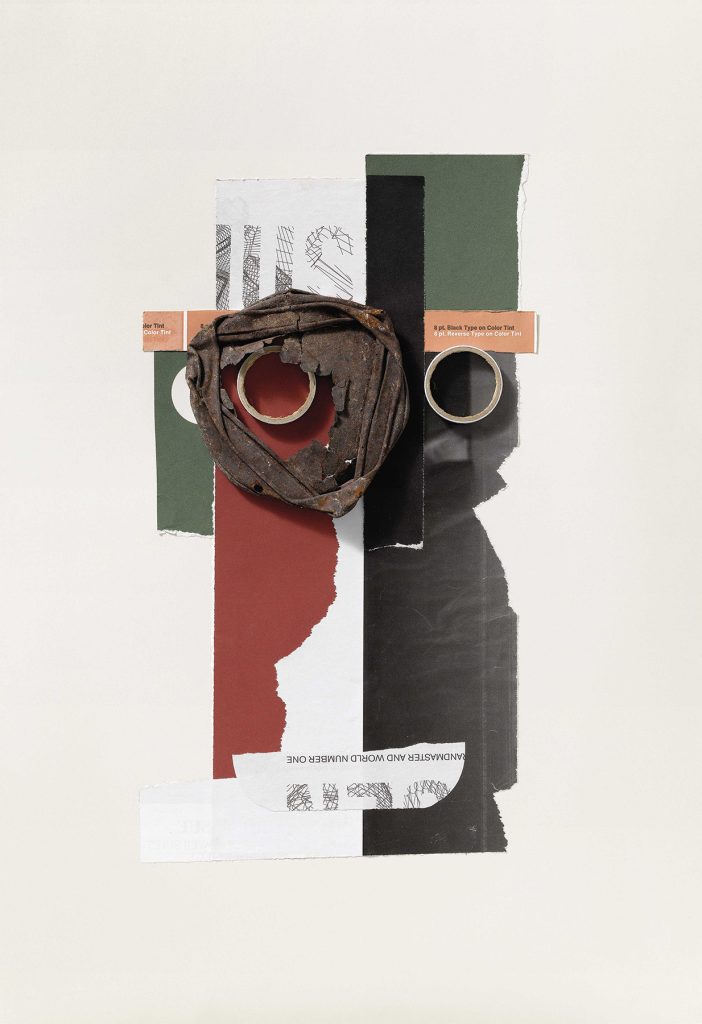
- Layering Elements: One of the most pivotal techniques in collage is layering. By placing one material over another, artists can create visual depth and complexity. This method allows for the juxtaposition of different textures and colors, adding intrigue to each piece. For instance, an artist might juxtapose a black-and-white photograph with brightly colored magazine clippings, sparking a dialogue between the historical and the contemporary.
- Mixed Media Integration: Collage thrives on the combination of various media. Whether it’s the application of paint, ink, or fabric, the integration of disparate elements leads to unique outcomes. By adding layers of paint over arranged papers, artists can obscure or highlight certain aspects of their work, guiding the viewer’s eye to the focal points of the narrative.
- Text Incorporation: Words can evoke powerful emotions and thoughts, making them valuable components of a collage. Artists often use text from newspapers, poems, or their own handwritten notes, weaving a verbal story along with the visual. This combination can generate a multi-dimensional experience; for example, a few poignant words might perfectly encapsulate the essence of the visuals surrounding them.
- Found Objects: The charm of collage is significantly heightened by the inclusion of found objects—items that evoke personal memories and local culture. Whether it’s a ticket stub from a cherished concert or a piece of fabric from a grandmother’s quilt, these objects lend authenticity and individuality to the artwork. This personal touch connects the viewer more deeply to the memories being portrayed.
With the tools and techniques available through collage, artists are given the freedom to explore their creativity in both depth and breadth. Workshops and community events across the United States, like those offered by Art for All in Los Angeles, encourage participants to embrace these techniques while celebrating their unique narratives through art. These workshops provide invaluable opportunities for individuals to hone their skills and share their personal stories in a collective environment.
As we journey further into the world of collage, we will explore sources of inspiration and the various themes that often emerge in the process of creating these intricate pieces. From personal loss to moments of joy, the art of collage enables individuals to reflect upon their life experiences and engage with them on an expressive, visual level. Discovering how to harness the complexity of collage techniques can be a transformative experience, allowing artists to not just create art but to truly narrate their stories in a compelling format.
| Advantages | Details |
|---|---|
| Creative Expression | Collage allows for a unique depiction of personal stories, showcasing creativity in how memories are visually represented. |
| Emotional Connection | By transforming memories into a visual format, it enhances the emotional impact, making the experience more memorable and engaging for viewers. |
Collage art can serve as an artistic outlet that fosters introspection and self-discovery. By piecing together various images, textures, and colors, creators can explore their emotions and memories more deeply, often resulting in profound personal insights. Additionally, the act of creating collage can serve as a therapeutic practice, allowing individuals to process feelings and experiences in a tactile, tangible manner. Moreover, collage-making is highly accessible; it requires minimal materials and can be done at any skill level, thus inviting more individuals to explore their artistic abilities.Collages can also contribute to a sense of community when collaboratively created, facilitating connections among participants as they share stories and memories through visuals. This internal storytelling process can not only offer a nostalgic journey but also help individuals cultivate an appreciation for the fleeting moments of life.Lastly, through digital platforms, collage art has evolved, enabling artists to reach wider audiences and share their works across various channels, further emphasizing the significance of transforming memories into impactful visual narratives.
Finding Inspiration in Everyday Life
In the realm of collage making, inspiration can often be found in the simplest of moments or the most mundane objects. The world around us is a treasure trove of stories waiting to be unearthed and transformed into visual masterpieces. Many collage artists draw from their immediate surroundings, embracing the textures, colors, and narratives presented by their environment. From a spontaneous trip to a flea market to a quiet afternoon spent in a city park, each experience can ignite the creativity needed to craft compelling collages.
For example, consider artists who incorporate photographs of cityscapes taken during a weekend stroll. By blending these images with snippets of street art or fragments of local culture—perhaps flyers from community events or pieces of literature reflecting the city’s history—these artists are able to fabricate rich narratives that echo the vibrancy of urban life. In this way, they not only capture the essence of the locale but also pay tribute to the experiences that shaped their memories.
Exploring Themes through Collage
Thematic exploration forms another essential aspect of collage making, allowing artists to delve into personal and universal concepts. Common themes that resonate throughout the world of collage include nostalgia, identity, and social commentary. Each theme opens the door to powerful emotions and reflections that can manifest visually.
- Nostalgia: This theme often finds its foundation in the past, where artists reconnect with childhood memories or significant life events. By utilizing family photographs, preserved letters, or fragments of old postcards, a collage becomes a tapestry of recollections that evoke warmth and sentimentality. For instance, an artist could create a piece reflecting their grandmother’s garden using dried petals alongside family photos, intertwining memory with the visual representation of a nurturing space.
- Identity: Collage serves as an introspective tool, facilitating the exploration of personal and cultural identities. Artists can layer images of diverse cultural symbols, fashion, and interpersonal relationships to create a narrative that defines self-identity. In a collage showcasing different hairstyles, dress codes or cultural icons, the artist visually narrates their evolving journey and the influences that shape who they are.
- Social Commentary: Collage can be a powerful medium for expressing societal issues. Artists often use their work to raise awareness about topics such as environmental challenges, social inequality, and political unrest. By assembling news clippings, protest flyers, and other relevant documentation, these artists encourage viewers to engage critically with pressing societal themes. For instance, a collage assembled from pieces of plastic waste along with images promoting sustainability can spark conversation about the real-world impact of consumerism.
By experimenting with techniques and exploring themes, artists can dissect their memories and experiences, culminating in works that engage viewers on a profound level. The beauty of collage is that it effectively reflects the complexity of human emotion, inviting both the creator and the audience into a shared dialogue about life’s myriad moments. This connection underscores a fundamental communication of collage—art as a medium of reflection and expression that takes mere fragments of memory and transforms them into a coherent narrative that resonates with others.
Conclusion: A Personal Journey Through Art
The art of collage offers a unique way to transform memories into striking visual works that resonate on both personal and communal levels. By utilizing everyday materials and experiences, artists are able to craft narratives that echo the complexities of their lives. The diverse themes of nostalgia, identity, and social commentary provide fertile ground for exploration, inviting viewers to reflect on their own stories and emotions. Through this engaging medium, collage makers are not merely assembling fragmented pieces of paper; they are weaving a rich tapestry that speaks to the human experience.
As we continue to navigate a world filled with overwhelming stimuli, the intimate art of collage reminds us to slow down and observe the beauty and significance in our surroundings. Each image, each scrap of paper, encapsulates a moment in time, functioning as a conduit for memory and reflection. By blending disparate elements, artists can juxtapose the past with the present, creating thought-provoking dialogues that engage audiences and prompt them to examine their own identities and societal values.
Ultimately, the art of collage stands as a testament to the importance of personal expression. It encourages us all to cherish our memories, celebrate our identities, and confront the issues that shape our society. In the act of creation, whether through professional artistry or personal endeavors, we discover not only the power of visual storytelling but also the profound connections that bind artists and viewers alike. So, gather your materials, delve into your memories, and embark on your own journey of transformation through collage.