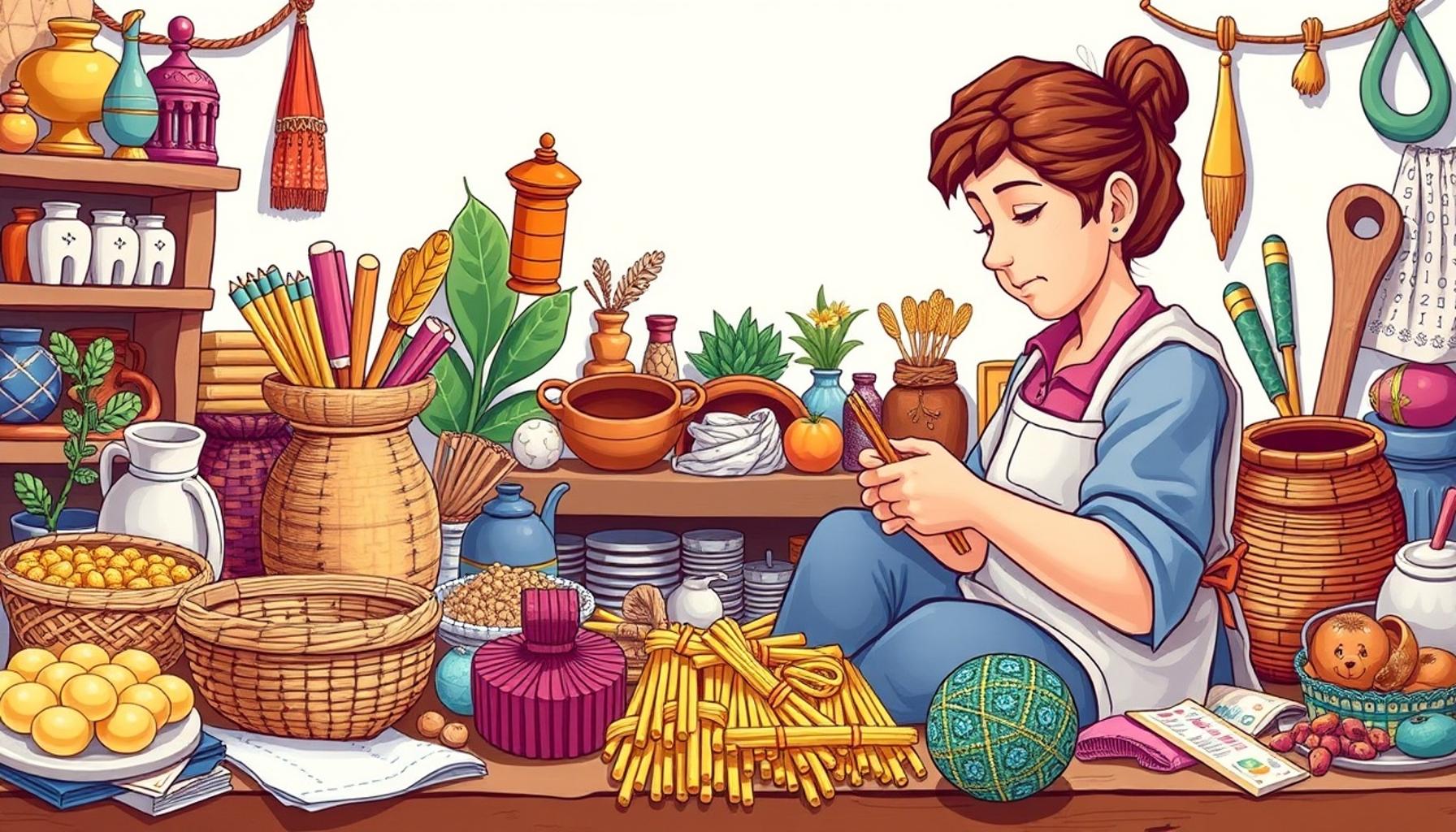
The evolution of craft techniques: from traditional to contemporary

The Rich Tapestry of Craft Techniques
Throughout history, craft techniques have not only served functional purposes but have also encapsulated the cultural identities and technological advancements of societies. These techniques mirror the evolution of human creativity, showcasing an adaptability that resonates through the ages. The story of crafts is one of connections—between people, places, and ideas—that continues to inspire artisans today.
Historical Craft Techniques in the United States
In the United States, various craft techniques have become entrenched in the cultural landscape, each reflecting unique narratives and historical contexts. Among the most significant methods are:
- Quilting: With origins tracing back to early American settlers, quilting has transformed into a beloved American tradition. Quilts served not only as functional bedding but evolved into canvases of artistic expression. Techniques such as patchwork and appliqué highlight how quilters incorporate personal stories and cultural heritage into their work. The annual Quilt Festival in Houston, Texas, showcases this rich tradition, attracting thousands to admire intricate designs and innovative patterns.
- Pottery: The art of pottery can be traced back thousands of years but has maintained a vibrant presence in the U.S. Various regions are known for distinct styles, such as the earthenware of the Southwest or the porcelain of the Northeast. Artisan potters often blend ancient techniques with modern aesthetics, creating functional art pieces that celebrate both form and utility.
- Woodworking: Woodworking in America has evolved from the colonial craftsmanship of sturdy furniture to contemporary art installations. Craftsmen and women utilize traditional joinery techniques combined with state-of-the-art tools to create pieces that are both functional and visually striking. Initiatives like the American Craft Council highlight the significance of woodworking as a craft that marries tradition with innovation.
Contemporary Trends in Craft Techniques
The landscape of craft techniques today is vibrant and diverse, characterized by several exciting trends that reflect current values and interests:
- Mixed media: Artists are pushing boundaries by combining various materials—such as textiles, clay, and even digital elements—to create unique, multifaceted pieces. This approach not only broadens the definition of art but also invites viewers to engage with artworks on multiple sensory levels.
- Sustainability: As awareness of environmental issues rises, many craftsmen are incorporating sustainable practices into their processes. This shift includes using responsibly sourced materials and eco-friendly techniques, reflecting a collective desire to create with future generations in mind. The rise of eco-conscious markets demonstrates how sustainability can shape consumer preferences.
- Digital fabrication: The integration of technology in crafting is opening new doors for creative expression. From 3D printing to CNC routers, artisans are utilizing digital tools to enhance traditional techniques, allowing for increased precision and experimental design. This fusion of tech and craftsmanship creates avenues for innovation, inspiring new ways of thinking about both art and functionality.
As we explore these expansive craft techniques, it becomes evident that they serve as more than mere hobbies; they play a crucial role in defining community identity and individual expression. The craft movement, with its rich history and forward-thinking approaches, not only preserves the essence of craftsmanship but also invites continual exploration and dialogue around art in contemporary society.
Tracing the Roots of Craft Techniques
The foundations of craft techniques can be traced back to the early human experience, where necessity and survival fueled creative expression. Traditional crafts emerged out of the need to create functional objects that would serve critical roles in daily life, from pottery used for storage and cooking to textiles woven for warmth and protection. Over time, as societies evolved, so too did the techniques and materials used by artisans, leading to the diverse craft practices we see today.

Regional Variations in Craft Techniques
Across the United States, unique regional craft techniques have played a pivotal role in shaping the identity of communities. These variations reflect local resources, cultural heritage, and the historical significance of crafts. Some notable examples include:
- Basketry: Traditional basket weaving is an ancient craft that has survived through generations, particularly prominent among Native American tribes. Different cultures have developed their own methods, using natural materials such as reeds, grasses, and bark to create functional and decorative pieces. Modern artisans continue this legacy, experimenting with colors and forms to push the boundaries of traditional basketry.
- Glassblowing: This intricate technique originated in ancient cultures but has found a vibrant home in the United States, notably in regions like West Virginia and New York. Glass artists utilize age-old techniques alongside contemporary aesthetics to create stunning sculptures, functional items, and elaborate installations, blending artistry with craft in seamless ways.
- Metalworking: Traditional metalworking in the U.S. has evolved from basic blacksmithing to complex sculpture and jewelry making. Today’s artisans often incorporate both traditional skills and modern technology, such as laser cutting and welding, allowing for innovative designs while honoring the craft’s long history.
These examples illustrate how traditional craft techniques are not static; rather, they are living practices that adapt to the influences of their respective environments. The evolution of these crafts is deeply intertwined with community values, where local artisans often forge connections between the past and the present, creating new narratives through their work.
The Role of Craft in Cultural Storytelling
Craft techniques have long served as a mode of storytelling, encapsulating cultural beliefs, historical events, and personal experiences. This practice is evident in the revival of many traditional crafts seen today, where artisans are not merely preserving techniques but also offering commentary on contemporary issues. For example:
- Fabric art: Many contemporary textile artists draw upon traditional weaving techniques to address themes of identity, migration, and environmentalism. These artists create tapestries and garments that portray stories and insights, marrying craftsmanship with social commentary.
- Ceramics: Modern potters often revisit ancestral forms and glazes, imbuing their work with personal narratives while maintaining a dialogue with their cultural roots. Through ceramics, they are able to explore topics such as sustainability and the human connection to the earth.
- Jewelry making: Contemporary jewelers blend traditional techniques with modern materials to convey messages about heritage, love, and loss. Each piece often reflects the artisan’s personal journey, connecting wearers to shared histories.
This interplay between traditional and contemporary craft techniques forms a dynamic narrative that allows for exploration and appreciation of the rich histories embedded within each handcrafted item. By understanding the origins and adaptations of these practices, we gain insight into the broader impacts of crafts on culture and society at large.
| Craft Technique Category | Description |
|---|---|
| Traditional Techniques | Handcrafted methods passed down through generations, emphasizing skill and artistry. |
| Contemporary Innovations | Integration of modern technology and materials, creating unique and innovative designs. |
| Sustainable Practices | Emphasis on eco-friendly materials, promoting a conscious approach to crafting. |
| Global Influences | Fusion of cultural techniques, enriching the craft with diverse perspectives. |
The evolution of craft techniques encapsulates a journey from traditional methods to contemporary practices, reshaping how artisans express their creativity. Traditional techniques, often rooted in cultural heritage, emphasize the importance of artisan skill and longevity in craftsmanship. These methods not only preserve the artistic identity of crafts but also connect communities through shared histories.On the other hand, contemporary innovations in crafting leverage technology, introducing automated processes and modern materials. This shift allows for an incredible diversification of design and artistry, pushing the boundaries of what is considered craft. Emerging practices focus on sustainability, utilizing eco-friendly materials and methods that align with current environmental values, thus appealing to a conscientious consumer base.Furthermore, the globalization of craft techniques enables a rich tapestry of influences, blending techniques from various cultures and backgrounds. This fusion encourages collaborations that create unique expressions while preserving the essence of traditional craftsmanship. Each evolution ensures that artisans continually evolve, adapting to new trends and societal values, providing a vibrant reflection of our times.
Innovative Practices in Contemporary Craft
As we delve deeper into the world of craft, it becomes apparent that contemporary artisans are not merely replicating traditional techniques; they are innovating and redefining what craftsmanship means in the context of the modern world. Today’s craftspeople are engaging with cutting-edge technologies, experimental materials, and interdisciplinary approaches that challenge the boundaries of traditional practices.
Integration of Technology in Craft
The introduction of technology into craft has revolutionized the way artisans work, allowing for novel methods of exploration and creation. For instance:
- Digital Fabrication: Techniques like 3D printing have emerged as pivotal tools for contemporary makers. Artists can create intricate designs that were previously unimaginable with traditional crafting methods. This technology is being utilized in fields ranging from ceramics to furniture design, enabling rapid prototyping and customization while retaining the essence of handcrafted artistry.
- Virtual Reality and Augmented Reality: Some artists are using VR and AR in their practice, creating immersive experiences that allow audiences to engage with crafts in new, interactive ways. By blending the physical and digital realms, these innovators push the envelope on how craft can resonate in today’s society.
- Eco-Conscious Techniques: With a growing awareness of environmental challenges, contemporary artisans are employing sustainable practices and recycled materials to create unique pieces. From eco-friendly dyes in textiles to reclaimed wood in furniture, these craftspeople emphasize the importance of responsible consumption in their work.
These technological advancements do not overshadow traditional techniques; rather, they coexist and enrich the creative landscape. Artisans are utilizing modern tools to enhance their craftsmanship, proving that innovation and tradition can work hand-in-hand to produce extraordinary results.
The Global Influence on Craft Techniques
The globalization of craft practices has also played a significant role in the evolution of contemporary techniques. Artisans across the globe can now interact and influence each other, leading to unique cross-cultural collaborations. For example:
- Cultural Exchange: Many contemporary craft movements have emerged from the synthesis of various cultural influences. Artists are merging techniques and aesthetics from different regions, leading to innovative forms of expression. This melting pot of ideas not only enriches the craftsmanship but also celebrates diversity.
- Crafting Community: Online platforms and social media have fostered global communities that enable artisans to share techniques, skills, and inspiration. Craft fairs, exhibitions, and workshops bring artisans together, facilitating networking opportunities and collaborative projects that elevate the craft as a whole.
- Educational Initiatives: Institutions across the U.S. offer workshops and programs focusing on traditional methods infused with contemporary techniques. By promoting educational initiatives, aspiring craftspeople gain access to a wealth of knowledge, which encourages innovation while honoring the roots of their chosen craft.
This global interconnection is pivotal to understanding how craft techniques evolve. The melding of diverse practices fosters a vibrant artistic community that transcends geographic boundaries, allowing traditions to adapt and flourish in contemporary contexts.
In exploring the myriad ways in which traditional techniques are being transformed today, it becomes clear that craft is not merely about making; it is a dynamic form of cultural expression that continuously evolves, reflecting the world around us and our shared narratives. As we witness these transformations, it opens up new dialogues around craftsmanship in relation to identity, sustainability, and the future of artistry itself.
Conclusion: Embracing the Future of Craft
The journey of craft techniques from traditional to contemporary encapsulates a remarkable tapestry of history, innovation, and cultural exchange. As we reflect on the evolution of craftsmanship, it becomes evident that artisans today are not just preservers of heritage but are also bold pioneers, integrating new technologies and sustainable practices into their work. Digital fabrication, augmented reality, and eco-conscious methodologies are reshaping the landscape of craft, allowing artists to express their creativity in unprecedented ways.
Moreover, the global collaborative spirit of contemporary craft has enhanced cultural dialogue, enabling artisans to draw inspiration from diverse traditions. This synthesis fosters innovation that transcends geographic boundaries and challenges preconceived notions of craftsmanship. By participating in a vibrant crafting community, artisans not only keep traditional techniques alive but also adapt and redefine them to resonate with current societal values and environmental imperatives.
As we move forward, the evolution of craft techniques invites us to engage critically with the meaning of artistry in our lives. It challenges us to appreciate the stories behind the crafts we encounter and the cultural significance they carry. Embracing these innovative practices ensures that craftsmanship remains a vital and dynamic form of expression, reflecting the complexities, aspirations, and beauty of our world. In this dynamic interplay between tradition and contemporary influence, the future of craft holds endless possibilities that are waiting to be explored.