The Evolution of Crafting: Modern Trends and Traditional Techniques
The Evolution of Crafting: A Harmonious Blend of Old and New
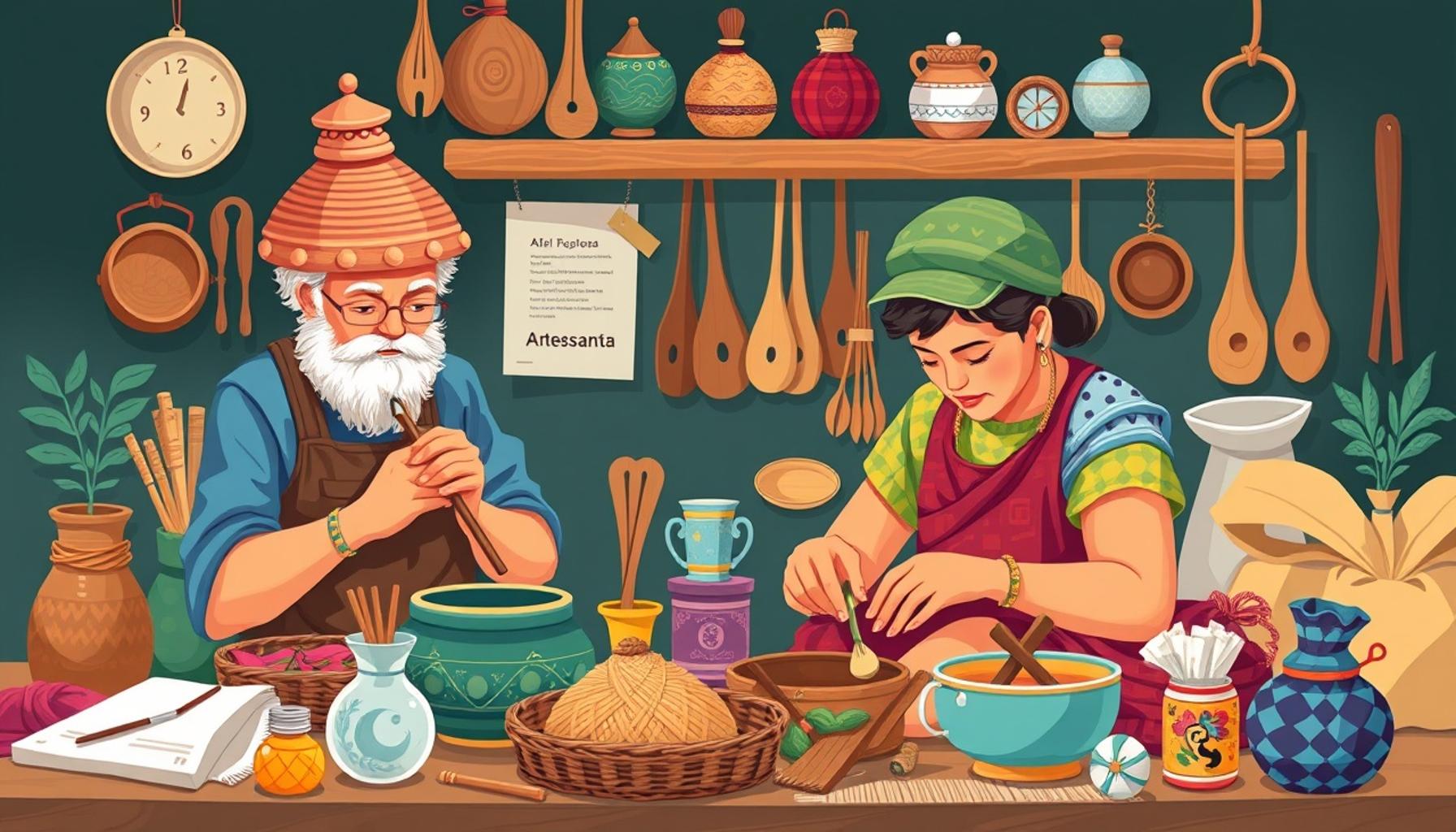
The landscape of crafting has evolved impressively, ushering in a new era where traditional methods coexist harmoniously with innovative practices. This evolution transforms the crafting world into a vibrant and dynamic realm, representing a fusion of modern trends and traditional techniques. With each stitch of fabric, curve of wood, or stroke of paint, artisans are telling stories that transcend time and culture.
At the heart of this evolution are several key elements that illuminate the dual nature of crafting:
- Revival of Traditional Techniques: In recent years, there has been a significant revival of ancient skills such as quilting, woodworking, and knitting. Craft fairs across the United States, like those in Appalachian regions, showcase handmade quilts that articulate both intricate craftsmanship and cultural narratives. Such revival not only honors the past but also inspires a new generation of crafters eager to learn these skills.
- Integration of Technology: The advent of technology has transformed the way creators engage with their craft. Digital tools, like Adobe Illustrator for design, have provided artists with new avenues for creativity. Moreover, the rise of 3D printing allows for the fabrication of complex designs that were once unimaginable. Online platforms, such as Etsy, enable artisans to showcase their crafts globally, building an international audience while sharing valuable knowledge through tutorials and virtual workshops.
- Sustainable Practices: In an age increasingly aware of environmental issues, many crafters are embracing sustainability. Eco-conscious practices like using recycled materials or natural dyes are reshaping the crafting landscape. For example, numerous artists in urban areas are repurposing discarded wood into stunning furniture pieces, thus engaging in upcycling and environmental stewardship.
- Social Connection: Crafting is a communal activity that fosters connection. Local crafting circles and workshops often unify individuals from diverse backgrounds, allowing them to share skills, ideas, and inspiration. Events such as “Craft Nights” at local libraries or community centers create safe spaces for individuals to collaborate and connect, enhancing the sense of belonging.
As artisans intertwine traditional values with contemporary influences, they spark an ongoing dialogue across generations. This synergy not only preserves cultural heritage but also shapes modern aesthetics and influences market trends. Popular crafting festivals, like the Houston Quilt Festival, highlight this blend, showcasing both heritage crafts and modern innovations.
Embark on this fascinating journey of craftsmanship, where tradition continually informs today’s creations. Explore how this fusion might shape the future of crafting, inviting artisans and enthusiasts alike to innovate and evolve in their practices.
Reviving Tradition: The Heartbeat of Crafting
As the crafting scene flourishes, one of the most compelling aspects of its evolution is the revival of traditional techniques. Craft practitioners are increasingly drawn to methods passed down through generations, eager to connect with history on a personal and hands-on level. Reflecting deep-rooted practices, artisans are not just replicating the past; they are breathing life into it by infusing their unique perspectives and innovative ideas.

In particular, consider the art of quilting. Once a practical means of utilizing scraps of fabric, quilting has become a canvas for storytellers. In regions like the Appalachian Mountains, crafters artfully compose quilts that narrate cultural histories and personal journeys. These intricate patterns often symbolize community ties and familial love, transcending mere functionality into a form of visual art. Moreover, quilting circles have experienced a resurgence, where individuals gather not only to stitch together pieces of fabric but also to forge deep connections with one another. This communal aspect fosters a sense of belonging, reflecting the importance of shared heritage in crafting today.
Similarly, woodworking—a traditional craft with a rich legacy—has adapted beautifully within modern contexts. Crafters are incorporating reclaimed wood to create stylish furniture pieces, marrying sustainability with artistry. Events like the American Craft Council’s Craft Show spotlight artisans who transform salvaged materials into elegant designs, effectively reducing waste while maintaining the integrity of the craft. This shift towards sustainability is indicative of a broader cultural commitment to environmental responsibility that resonates deeply with today’s consumers.
Furthermore, traditional techniques truly shine when integrated with modern sensibilities. The resurgence of handmade pottery, for instance, embraces age-old methods while also embracing contemporary aesthetics. Artisans across the U.S. are blending classic glazing techniques with bold colors and abstract designs, making their pottery not only functional but also decorative. By encouraging unique expression, these artisans breathe life into what was once seen as a purely practical craft.
The blending of tradition and innovation can also be witnessed in textile arts. Techniques such as embroidery and weaving are seeing revitalization through the lens of modern design, with many artists pushing boundaries through digital manipulation and nontraditional materials. This fusion has given rise to avant-garde textile art, making even the crafting of fabrics a modern statement of individuality and expression.
These metamorphosing trends emphasize the evolution of crafting as a dialectical relationship between the past and the present. The resurgence of traditional practices serves not only as a means of maintaining cultural heritage but also as an invitation for a new generation of crafters to innovate and explore new horizons. As we journey further into the world of crafting, we are not mere consumers; we become curators and creators of our rich tapestry of shared experiences and creativity.
In the next section, we will explore the integration of technology into crafting, showcasing how modern advancements continue to redefine the boundaries of creativity.
| Advantage | Description |
|---|---|
| Revitalization of Traditional Skills | Modern crafting trends emphasize the importance of ancestral techniques, preserving cultural heritage. |
| Community Engagement | Crafting today fosters community building through local workshops and online forums, promoting collaboration. |
| Sustainability | Emphasis on eco-friendly materials and methods caters to the growing consumer demand for sustainability. |
| Customization | The rise of personalized crafts aligns with modern tastes, allowing individuals to express their identities. |
The landscape of crafting is ever-evolving, showcasing a unique blend of modern innovations and the rich tapestry of traditional practices. Today’s crafters have access to an abundance of resources and technologies that not only enhance their work but also encourage new generations to explore these ancient arts. Each stitch, carve, or brushstroke reflects a deep appreciation for the past while pushing boundaries toward contemporary expressions. Crafting communities are increasingly thriving, with makers sharing techniques and engaging in collaborative projects both locally and globally. This movement not only preserves the invaluable knowledge of traditional techniques but also ignites a spark of creativity that can lead to impressive new forms. Sustainability remains a prominent theme, as artisans prioritize materials that promote environmental health. With consumer interests shifting toward responsible crafting, the integration of sustainable practices is arguably a hallmark of modern crafting trends. As crafting becomes a symbol of individuality and self-expression, the customization of handmade goods further captures the essence of personal identity. This interweaving of past and present, tradition and innovation, offers endless possibilities for both seasoned artisans and newcomers alike, ensuring that the evolution of crafting continues to flourish.
The Role of Technology in Crafting
As we progress into a digital age, the landscape of crafting undergoes transformative shifts thanks to technology. The infusion of modern tools and techniques has not only democratized access to crafting but has also expanded the creative horizons for artisans across the globe. From the rise of 3D printing to social media platforms showcasing crafters’ work, technology amplifies the evolution of crafting in unprecedented ways.
One of the most visible advancements is the integration of digital fabrication methods in traditional craftsmanship. 3D printing technology allows artisans to create intricate designs that would be incredibly time-consuming or difficult to achieve by hand. This accessibility empowers hobbyists and professionals alike to experiment with new shapes and materials, redefining what is possible in crafting. For instance, artists are now able to produce everything from jewelry to furniture via 3D printers, merging innovation with craftsmanship in exciting forms.
Moreover, tools such as laser cutters have become game changers in the crafting community. These machines offer precision and repeatability, enabling crafters to create complex designs that can be replicated with ease. For example, small business owners use laser cutting to produce personalized products like custom signs and intricate wall art, turning crafting into a viable entrepreneurial avenue. The convenience that technology brings allows artisans to scale their production while maintaining artisanal quality.
Social media platforms like Instagram and Pinterest further enhance this digital crafting revolution. These platforms serve as visual portfolios for crafters, providing exposure to a global audience. Crafters are no longer confined to local markets; instead, they can share techniques, inspiration, and tutorials with millions around the world. The hashtag movement has made it easy for creators to connect with like-minded individuals, fostering a vibrant community united by creativity. This merging of global and local influences sparks innovation, as crafters borrow styles and motifs from diverse cultures, leading to eclectic new forms of artistry.
Moreover, this digital ecosystem has birthed online crafting courses and workshops, allowing enthusiasts to learn traditional techniques from the comfort of their homes. Websites and platforms such as Skillshare and Udemy offer resources that cater to a range of skill levels, enabling a resurgence of interest in various crafts, including knitting, pottery, and embroidery. As learners tap into historical techniques, they are empowered to innovate and develop their own voice within the craft world.
In addition to these tools, the rise of e-commerce has allowed crafters to reach customers directly, breaking down barriers to entry within the market. Platforms like Etsy have opened the marketplace to small-scale artisans, enabling them to share their handmade goods with a global consumer base. This has led to a greater appreciation for unique, artisan products, as buyers become more aware of the stories behind their purchases.
The interplay between traditional crafting methods and modern technology illustrates a dynamic evolution, reflecting not only changing consumer habits but also evolving cultural contexts. As artisans continue to merge the old with the new, the craft community grows richer and more diverse, providing opportunities for creativity, connection, and sustainability.
Conclusion
The tapestry of crafting is woven with threads of both tradition and innovation, reflecting the rich history of human creativity while boldly venturing into uncharted territories. As we have explored, the emergence of advanced technologies such as 3D printing and laser cutting has not only transformed the way artisans work, but it has also enhanced the accessibility and scalability of crafting. This evolution is not merely about replacing traditional skills; rather, it emphasizes a profound synthesis wherein age-old techniques are infused with modern efficiencies.
Furthermore, the rise of social media has fostered a global community of crafters who share their creativity, tools, and insights, creating a melting pot of ideas and styles reflective of diverse cultures. This interconnectedness allows artisans not only to showcase their work but to continuously learn from each other, pushing the boundaries of what crafting can be. As a result, contemporary crafting environments embrace both innovation and cultural heritage, creating a dynamic landscape where creativity flourishes.
For aspiring crafters and seasoned artists alike, this evolution offers new opportunities for self-expression and entrepreneurial ventures. The growth of e-commerce platforms underscores the increasing demand for bespoke, handmade products, challenging traditional retail norms and elevating the artisan experience. As we look ahead, it is essential for creators to navigate this blend of modern trends and traditional techniques thoughtfully, ensuring that the legacy of crafting is preserved even as it adapts to the future. In doing so, we not only foster artistic expression but also cultivate deeper connections among communities, forming a vibrant ecosystem that celebrates the art of making.