The Evolution of Digital Music: Tools and Technologies for Modern Creators
A Revolutionary Shift in Music Creation and Distribution
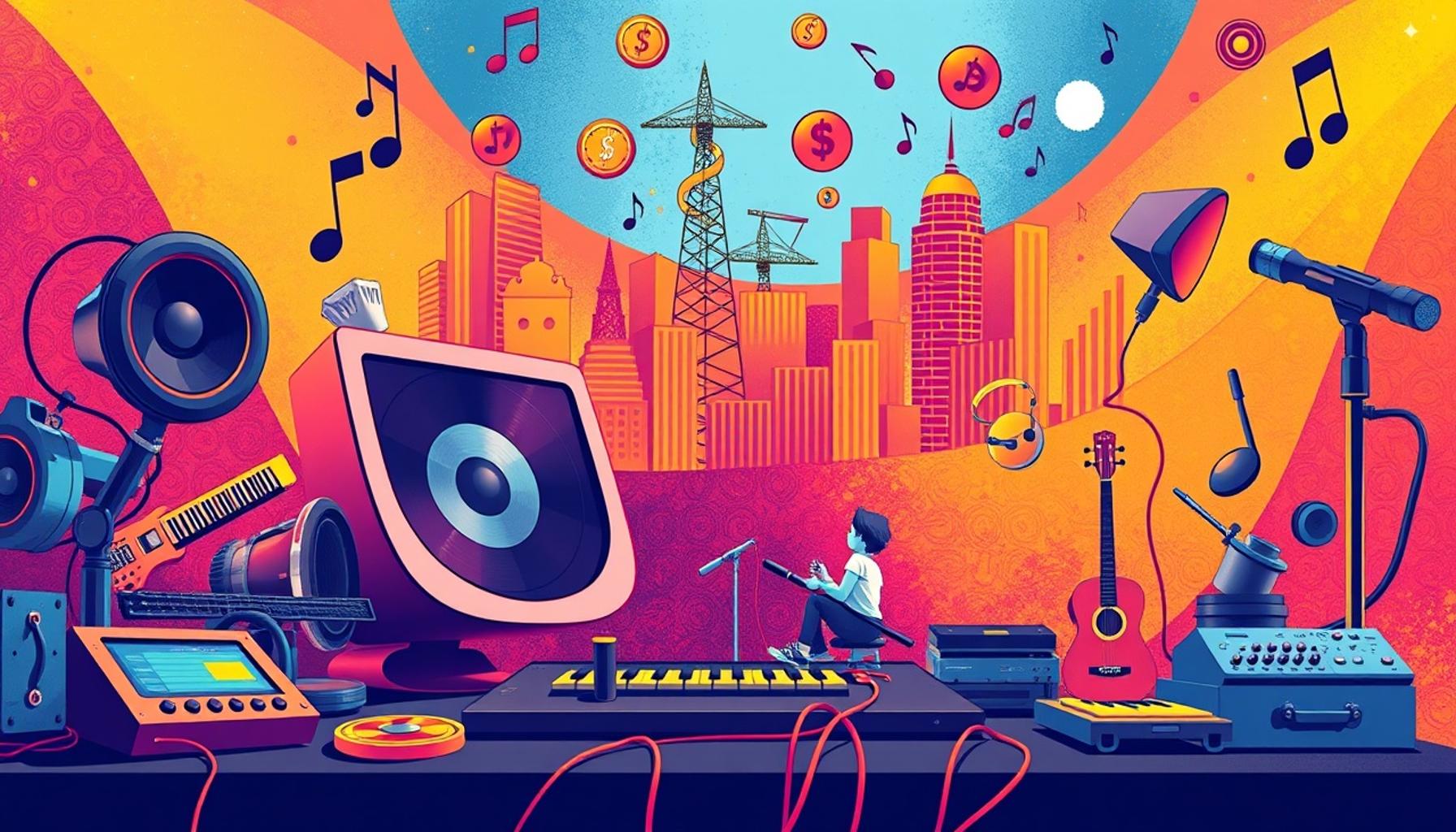
The transformation of the digital music landscape over the past few decades marks a pivotal shift in the way artists create and fans experience music. The convergence of technology with artistry has not only redefined musical expression but has also democratized the industry, empowering artists from all walks of life to reach global audiences with unprecedented ease. This process has been vastly accelerated by advancements in technology that continue to reshape the very fabric of music today.
Tools Revolutionizing Music Creation
At the heart of this evolution are Digital Audio Workstations (DAWs). Programs like Ableton Live and FL Studio serve as comprehensive platforms for musicians, allowing them to compose, arrange, and produce music with a level of sophistication that was previously reserved for professional studios. Through these tools, creators can experiment with various sounds and styles, enhancing their artistic potential. For instance, Grammy-winning artist Billie Eilish famously produced her early hits using GarageBand, demonstrating how accessible these technologies can be.
Collaborative Creation in the Cloud
The rise of cloud-based collaboration tools has also made significant waves in the industry. Platforms like Splice enable musicians to connect and collaborate in real time, regardless of their physical locations. This not only fosters creativity but also diversifies the music being produced. For example, artists from different genres can seamlessly collaborate to create unique sounds, as seen in various cross-genre collaborations that have topped charts in recent years.
Streaming Services Reshaping Consumption
Meanwhile, the influence of streaming services such as Spotify and Apple Music has redefined how audiences consume music. These platforms allow listeners immediate access to vast libraries of music from around the world, challenging traditional models of album releases and sales. Independent artists can now share their work globally at the click of a button, breaking down barriers that once limited exposure and access within the industry.
The Emergence of AI in Music
Additionally, the incorporation of AI and machine learning tools into the music creation process demonstrates the innovative potential for future compositions. These technologies assist musicians in various ways, from generating beats to mastering tracks, providing a form of creative assistance that was unimaginable a few decades ago. For example, AI algorithms can analyze music trends to suggest arrangements, potentially guiding artists to create hits that resonate with current listeners.
Looking Ahead: A New Era for Musical Creators
These technological advancements, while just the beginning, signal a shift towards a more inclusive and experimental music industry. As tools evolve and new platforms emerge, they continue to lower the barriers for entry, allowing anyone with a passion for music to share their creations with the world. The implications of this democratization extend beyond music alone; they represent a broader cultural shift toward collaboration, creativity, and accessibility, inviting us all to explore the ever-changing soundscape of the digital age.
Innovative Tools Driving Modern Music Production
The landscape of music creation has evolved significantly, thanks in no small part to the emergence of advanced digital technologies and tools that empower modern creators. No longer confined to traditional instruments and studio settings, musicians today have access to a plethora of software and hardware solutions that enable them to explore their creativity in ways previously thought unattainable.
Harnessing the Power of Plugins and VSTs
One of the most impactful advancements in music production has been the development of virtual studio technology (VST) plugins. These enable artists to emulate a variety of instruments and effects, expanding their sonic palette dramatically. With thousands of options available from companies like Native Instruments and Waves Audio, musicians can create intricate soundscapes without the need for costly physical instruments. These plugins can simulate everything from classic synthesizers and drum machines to orchestral sounds, allowing for an unprecedented range of creativity.
The Role of Mobile Music Apps
The rise of smartphones has also contributed significantly to the evolution of music creation. Mobile music applications such as GarageBand, BandLab, and KORG Gadget bring the power of music production directly to users’ fingertips. These apps have democratized music making, enabling individuals to compose, record, and edit songs on the go. For many budding musicians, the accessibility of mobile technology has sparked a newfound interest in music creation, contributing to an ever-growing community of aspiring artists.
Importance of Social Media and Distribution Platforms
The proliferation of social media platforms like Instagram and TikTok has reshaped not only how music is promoted but also how it is discovered. Artists are now able to share snippets of their work, engage with fans, and build a loyal following even before a song is officially released. With the rise of these platforms, music marketing has become increasingly visual and interactive, fostering authenticity and connection between creators and their audiences.
Adapting to New Trends: QR Codes and Blockchain
As we look toward the future, emerging technologies promise to continue reshaping the musical landscape. Here are a few noteworthy trends:
- QR Codes: Used for quick and easy access to music, merchandise, and concert tickets, transforming how fans interact with their favorite artists.
- Blockchain Technology: This technology offers promising solutions for copyright issues, ensuring creators are fairly compensated for their work in an increasingly digital marketplace.
- Augmented Reality (AR): AR is creating immersive experiences that connect fans with music in new ways, such as live performances integrating visual elements that enhance the overall experience.
These advancements highlight the music industry’s shift toward an innovative and technology-driven future. As we continue to embrace the digital age, artists and creators are presented with endless possibilities to explore their craft, making the music world more dynamic and diverse than ever before.
| Category | Key Features |
|---|---|
| Digital Audio Workstations (DAWs) | Versatile software allowing composing, recording, and editing music with ease. |
| Collaboration Tools | Facilitate real-time collaboration anywhere in the world, enhancing creativity. |
| Streaming Platforms | Offer creators comprehensive distribution paths with analytics to track audience reach. |
| Sample Libraries | Provide vast arrays of sounds and loops that accelerate the production process. |
| Music Production Software | Equips creators with professional-grade tools to refine their sound and style. |
The evolution of digital music has fundamentally transformed how creators approach their craft. With the advent of Digital Audio Workstations (DAWs), musicians can now have entire studios at their fingertips, allowing for extraordinary freedom in the creation process. These software solutions enable users to layer tracks, manipulate audio, and incorporate effects that were once only available in professional studios.Furthermore, the rise of collaboration tools has dissolved geographical barriers, allowing artists to work together in real-time, leading to innovative blends of styles and genres. In addition to these advancements, platforms like Spotify and Apple Music have paved new paths for distribution, equipping creators with essential analytics that inform their music strategies.Moreover, with expansive sample libraries at creators’ disposal, experimenting with different sounds has become more accessible than ever, providing unique opportunities to develop a distinctive sound signature. Additionally, cutting-edge music production software continues to enable even amateur creators to produce professional-quality music, broadening the landscape of the music industry.
Revolutionizing the Music Experience: Collaborative Platforms and AI Integration
As music creation has progressed, the focus has not only been on production tools but also on the collaborative processes that allow artists to work together in innovative ways. The rise of online collaborative platforms has transformed how musicians connect and share their projects, fostering a culture of cooperation and creativity that transcends geographic limitations.
Collaboration Tools and Remote Recording
Platforms such as Splice, Soundtrap, and Blend.io have revolutionized how artists can collaborate on music, enabling them to share samples, loops, and project files seamlessly. These tools are designed to streamline the collaborative process, allowing multiple creators to contribute from different locations, often in real-time. For instance, a producer in Los Angeles can work with a vocalist in Nashville without ever stepping foot in the same studio. This open access to collaborative resources not only expands an artist’s network but also enhances diversity in musical styles and influences.
Artificial Intelligence in Music Creation
The integration of artificial intelligence (AI) into music production is reshaping the creative landscape in ways that were previously unimaginable. AI-powered tools such as AIVA and Amper Music are capable of composing music based on user preferences, generating tracks that align with desired moods or styles. As a result, musicians can leverage AI as a creative partner, using it to initiate ideas or overcome creative blocks. Furthermore, AI’s analytical capabilities can help producers optimize sound quality or even predict which tracks are likely to resonate with audiences, providing insights that were traditionally based on instinct.
High-Quality Streaming and Audio Production
The pressure to deliver high-quality sound in this digital era has led to advancements in streaming technology that impact how music is produced and consumed. With platforms like Spotify, Apple Music, and Tidal utilizing high-definition audio capabilities, artists are more motivated to invest in quality production to meet the listener’s evolving expectations. The demand for lossless audio formats has resulted in a shift towards recording techniques that prioritize clarity and depth, further pushing the envelope of creativity.
The Rise of Interactive Music Experiences
In parallel, the popularity of interactive music experiences is claiming a significant presence in the digital music space. Technologies like 360-degree audio and immersive sound environments help foster a more engaging listener experience. Tools like Spatial Audio enable artists to create music that envelops the listener, allowing for a more profound emotional connection. This innovative approach not only enhances traditional music consumption but also opens new avenues for storytelling through sound.
As the evolution of digital music tools and technologies continues, creators are empowered like never before. The convergence of collaboration, AI-driven innovations, and advancements in audio production heralds a new era for artists. The landscape is rich with opportunity and potential, challenging both existing and emerging creators to think outside the box and explore what music can be in this bold, digital future.
Conclusion: Embracing the Future of Digital Music Creation
As we reflect on the evolution of digital music, it is evident that technological advancements are reshaping the landscape in profound ways. The tools and platforms available to modern creators not only enhance individual artistry but also facilitate interconnectedness among diverse talent across the globe. With collaborative platforms allowing musicians to work together regardless of location, the creative process has become more inclusive and innovative.
The integration of artificial intelligence into music production offers unprecedented opportunities for originality, enabling creators to harness technology as a partner in their artistic journey. This dynamic enables artists to explore new genres while also streamlining production processes, giving them the time and inspiration to focus on the essence of their craft.
Moreover, the demand for high-quality streaming and immersive listening experiences propels artists to push boundaries further in their production techniques, creating soundscapes that captivate audiences in ways that were once thought to be mere imagination. The rise of interactive music experiences adds another dimension to how stories are told through sound, making it essential for creators to innovate continually.
Ultimately, the evolution of digital music tools and technologies exemplifies the infinite possibilities that lie ahead for artists. By embracing these advancements, musicians are equipped not just to survive but to thrive in an ever-changing environment. As they navigate this new frontier, creators are encouraged to experiment and redefine what music can be, setting the stage for a rich tapestry of sound in this digital age.