The Influence of Music on Other Arts: How Musical Creation Inspires Painting, Literature, and Dance
The Interconnectedness of Art Forms
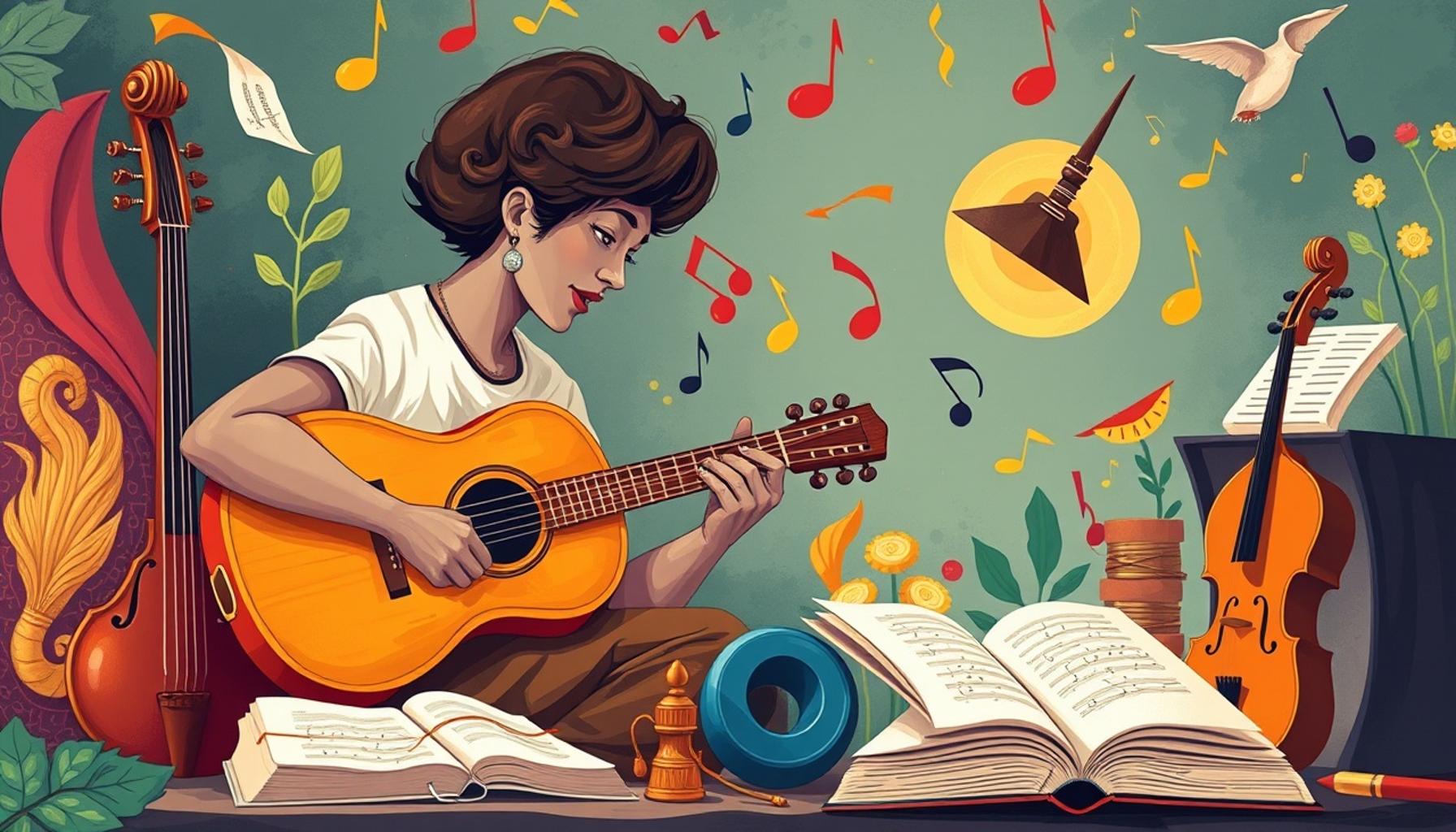
Art is a tapestry woven from numerous threads, and music often serves as a vibrant and dynamic source of inspiration for various artistic expressions. Throughout history, musicians have influenced painters, authors, and dancers, showcasing the profound relationship between these forms of creativity. This article delves into how musical creation inspires and shapes the realms of painting, literature, and dance.
Exploring Musical Influence
Consider how music impacts other artistic disciplines:
- Painting: Artists like Wassily Kandinsky used color and form to reflect musical composition. His abstract works often draw parallels to musical improvisation, where the use of vibrant colors and dynamic shapes resonates with the emotional waves found in sound. Kandinsky believed that just as music can invoke feelings without a narrative, so could his paintings express profound emotions through visual means.
- Literature: Poets such as Walt Whitman drew inspiration from the rhythms and cadence of music. Whitman’s free verse poetry reflects musicality through its flowing lines and rhythmic patterns, echoing the natural sounds of the human voice and everyday life. His poem “Song of Myself” captures the essence of music’s pulse, creating an auditory landscape that readers can almost hear as they read.
- Dance: Choreographers like Martha Graham created movements inspired by musical scores. Graham’s choreography, often described as an emotional dialogue with music, reveals the deep connection between movement and sound. For instance, her work “Lamentation” profoundly expresses grief and longing, choreographed to a haunting musical score that elevates the emotional intensity of the performance.
Each of these examples highlights how musical elements can ignite the imagination and evoke emotions in different art forms. By delving into how one discipline informs another, we can uncover a rich interplay between various forms of creativity. The rapport between music and art opens a world of creativity, inviting artists to explore new dimensions in their work.
Why This Matters
Understanding the influence of music on other arts is crucial. It helps us appreciate the synergy between artistic disciplines and allows us to discover rich layers of meaning in creative works. By recognizing how sounds and melodies shape visual and written expressions, we can gain deeper insights into the artists’ intentions.
As we explore these connections, we invite you to consider how your own artistic journey might be influenced by the melodies and rhythms that surround you. Whether you are a painter seeking to illustrate a symphony, a writer capturing the essence of a song, or a dancer motivated by a compelling score, the harmonious blend of art forms enhances personal expression and connection with audiences. Each creation becomes a dialogue—a fusion of visual, audible, and literary elements that fosters a deeper understanding of the human experience.
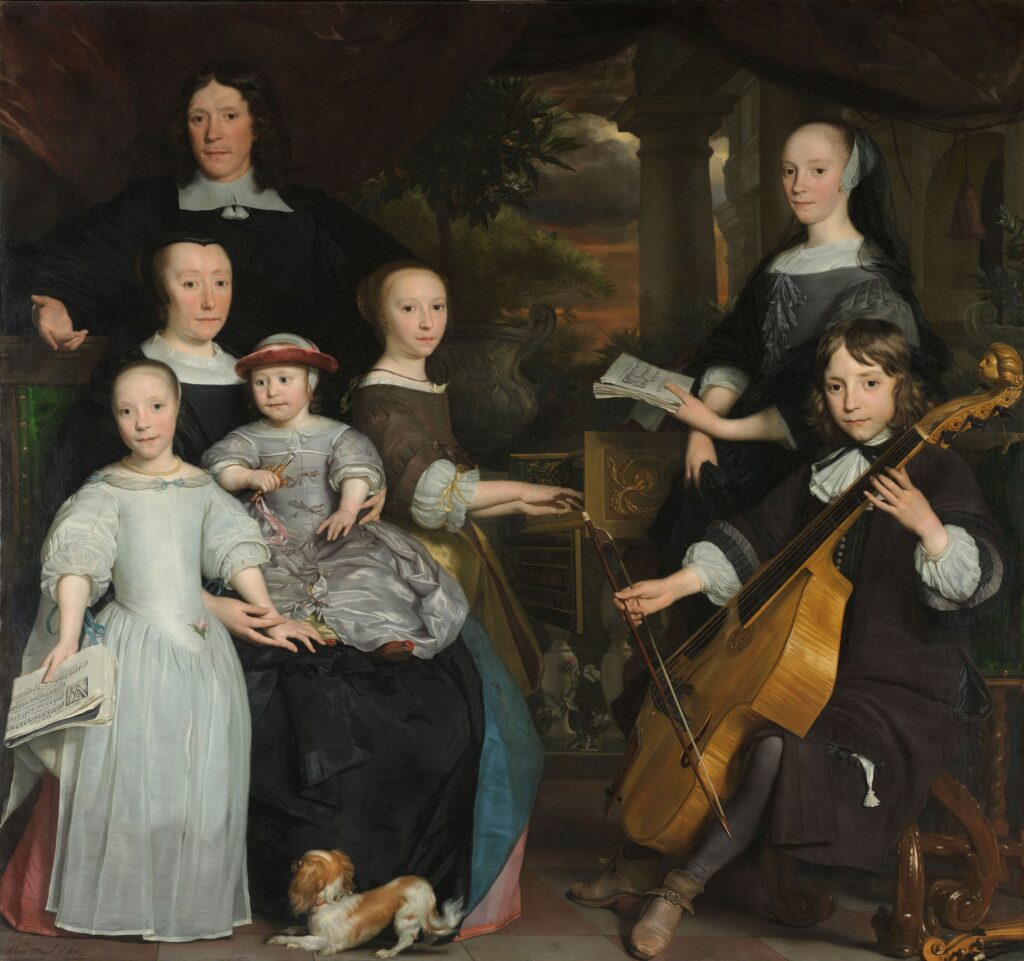
Music as a Muse Across Disciplines
The intricate web of creativity that connects music with other artistic forms reveals a fascinating dynamic where sounds shape visuals, narratives, and movements. Artists across time have embraced the essence of music not merely as a soundtrack but as a powerful catalyst for their creations. This section delves further into the profound influence of music on painting, literature, and dance, illustrating the unique interplay between these art forms.
Music’s Palette: The Influence on Painting
One compelling example of music’s impact on painting is the work of Claude Monet. Known for his impressionistic approach, Monet’s paintings often echo the fluidity and rhythm found in music. His series of paintings capturing the changing light at different times of day illustrates how environmental sounds and musical rhythms inspired his use of color and brushwork to express fleeting moments. Through a musical lens, Monet invites viewers to experience the harmony inherent in nature, transforming auditory sensations into visual art.
Similarly, musical movements have inspired artists like Paul Klee, who famously said, “Color is the keyboard, the eyes are the harmonies, the soul is the piano with many strings.” Klee’s work illustrates how he translated the conceptual frameworks of music theories into visual form, creating compositions that resonate with viewers on multiple levels. His use of geometric shapes and vibrant hues often mirrors musical scales, evoking emotional responses akin to listening to a symphony.
The Rhythm of Words: Music in Literature
The relationship between music and literature is equally profound, as countless writers have drawn from the rhythm and flow of music to shape their narratives. The beat of a poem can be just as striking as a melodic line, as demonstrated by the works of authors like Langston Hughes. His poetry captures the essence of jazz, utilizing syncopated rhythms and repetition to convey the vitality of African American culture. In pieces such as “The Weary Blues,” Hughes seamlessly merges the art of music with literary expression, encapsulating the spirit of a musical performance while exploring themes of despair and hope.
Moreover, the modernist writers of the early 20th century, including T.S. Eliot and Ezra Pound, experimented with form and structure in ways that mirrored musical compositions. Eliot’s “The Waste Land,” a cornerstone of modernist poetry, employs varied rhythms and voices to reflect the musicality inherent in language. The interplay of sound and meaning positions the reader as both a listener and an interpreter, emphasizing the importance of auditory elements in literature.
The Dance Between Sound and Movement
Choreographers have long embraced music as the backbone of dance. For instance, ballet Not only relies on complex musical scores but also embodies the emotions expressed in the music through physical movement. Iconic works like “The Nutcracker” by Pyotr Ilyich Tchaikovsky showcase how music and dance can blend harmoniously, creating an enchanting experience for audiences. The dancers, interpreting the nuances of the score through their movements, powerfully evoke the emotions imbedded in the music.
Another influential figure, Alvin Ailey, is well-known for his ability to blend genres of music with dance. His piece, “Revelations,” draws from African American spirituals, using music as a foundational element that drives the choreography, allowing the dancers’ movements to communicate the depth of the spiritual experience. Ailey’s work encapsulates how the synergy of sound and movement can create an immersive narrative that speaks to the heart and soul of the audience.
As we dissect the influence of music on these various art forms, it becomes evident that this collaboration between auditory and visual arts enriches our cultural landscape. Music serves not just as a source of inspiration but as an integral part of artistic development, challenging artists to push boundaries and explore the emotional core of their work.
Music, often regarded as a universal language, seamlessly intertwines with various forms of artistic expression, profoundly influencing painting, literature, and dance. This symbiotic relationship not only enriches individual art forms but also fosters a deeper appreciation for creativity as a whole.In the realm of painting, artists like Wassily Kandinsky and Paul Klee have notably drawn inspiration from musical compositions. Kandinsky, in particular, believed that color and sound held parallel meanings, and he often sought to create “visual symphonies” on canvas. His work embodies the emotive power of music, translating auditory experiences into visual art, thus inviting viewers to perceive art not merely through sight but through the sense of sound. Similarly, Klee’s painting “Twittering Machine” channels the rhythm of musical tones into a captivating visual narrative, illustrating how closely intertwined sound and imagery can be.When it comes to literature, the rhythmic patterns inherent in poetry often echo musical structures. Writers such as Virginia Woolf and James Joyce experiment with the flow of language and sound to create a musicality in their narratives. Woolf’s “Mrs. Dalloway,” for instance, employs lyrical prose that mirrors the ebb and flow of musical compositions, enhancing the emotional undercurrents within the text. This fusion captures the essence of human experience, threading music into the very fabric of storytelling and enriching the reader’s journey.Dance, perhaps the most physically expressive art form, undoubtedly finds its roots in music. Every pirouette, leap, or sway becomes a conversation between movements and melodies. Iconic choreographers like Martha Graham and George Balanchine crafted ballets that are deeply embedded in musical scores, showcasing how music can dictate the emotional landscape of a performance. This interplay not only highlights the artist’s interpretative dance style but also connects audiences to the visceral reactions elicited by both music and movement.In summary, the influence of music on painting, literature, and dance remains a testament to the interconnectedness of art forms. As creators continue to draw from the wellspring of musical inspiration, they open new channels for interpretation, challenging audiences to explore the vibrancy and depth of the artistic experience. By understanding this collaboration, one can better appreciate the multi-faceted dimensions of art as a reflection of life itself.
The Harmonious Exchange: Music and Its Impact on Art Forms
Sound Tracks to Visual Journeys: Music in Film
The intersection of music and film serves as a compelling testament to the power of auditory elements in shaping visual narratives. Renowned composers like Hans Zimmer and John Williams have created iconic film scores that not only complement but elevate the storytelling experience. Zimmer’s work on “Inception” intricately weaves layers of sound with striking visuals, challenging the audience’s perception of time and reality. The visceral quality of the score transforms ordinary scenes into profound emotional experiences, guiding viewers through the multi-dimensional layers of the narrative.
Moreover, the collaboration between directors and composers plays a pivotal role in ensuring that the emotional undercurrents of the film are effectively communicated. Consider the collaborative magic between director Quentin Tarantino and composer Ennio Morricone. Their partnership in “The Hateful Eight” exemplifies how music can enhance suspense, tension, and the overall aesthetic of a film. Tarantino’s choice of music not only sets the tone but also enriches the visual storytelling, demonstrating that music can evoke feelings and thoughts that visuals alone might not capture.
Literary Melodies: The Soundtrack of Literature
The influence of music extends into the realm of literature, where the musicality of language enhances the reading experience. Writers have long attuned their prose to the rhythms of various musical styles. The Beat Generation, for instance, encompassed writers like Jack Kerouac and Allen Ginsberg, who embraced jazz as an integral aspect of their literary output. Kerouac’s spontaneous prose style mimics the freeform quality of jazz, employing a fluid, improvisational approach that reflects the tempo and cadence of musical elements. His novel “On the Road” exudes a sense of rhythm that invites readers to feel the pulse of the narrative.
Furthermore, the modern-day influence of music in literature can be seen in the works of authors like Zadie Smith, who artfully compares lyrical phrasing in music with narrative techniques in her own writing. In her novel “Swing Time,” Smith weaves together themes of dance and musical legacies, highlighting how rhythm and artistry resonate through her characters’ lives. The amalgamation of literary and musical elements encourages readers to perceive the world through an interconnected lens of art.
Bridging Cultures: Dance as a Musical Expression
The realm of dance serves as one of the most direct embodiments of music’s influence. Different dance styles—from ballet to hip-hop—inherit the rhythms and melodies inherent in their accompanying musical scores. This relationship is vividly illustrated in the works of choreographers like Martha Graham, who integrated modern music into her groundbreaking pieces. Graham’s “Appalachian Spring” exemplifies how folk music can be translated into movement that conveys deep human emotions, reflecting cultural narratives through the lens of dance.
Moreover, global dance forms like the Argentine tango draw heavily from distinct musical traditions, evoking narratives of passion, longing, and connection. The tango’s intricate footwork represents a conversation between dancer and musician, with bodily movements echoing the emotive qualities of the music. Dancers are compelled to listen to and internalize the music, ensuring that the performance reflects a shared emotional landscape. This interplay between sound and movement not only preserves cultural heritage but continues to inspire new generations of artists.
As the exploration of music’s influence extends across artistic domains, the crisscrossing of sound, narrative, and movement cultivates a rich tapestry of artistic expression. This dialogue not only enhances individual art forms but creates a broader understanding of artistry, reinforcing the idea that music serves as a universal language that connects diverse disciplines. Whether it is the brush strokes of a painter, the verses of a poet, or the steps of a dancer, music remains a powerful force that pushes the boundaries of creative expression, inviting deeper emotional engagement and exploration.
A Symphony of Interconnection: Reflecting on Music’s Impact on the Arts
In conclusion, the profound influence of music on painting, literature, and dance illustrates a vibrant tapestry of interconnected arts, revealing how sound transcends mere entertainment to become a catalyst for inspiration and expression. This synergy not only enriches each individual discipline but also fosters a profound dialogue that shapes cultural narratives. As demonstrated through the breathtaking scores of films, the rhythmic prose of literature, and the emotive movements in dance, music serves as a universal medium that resonates across various artistic platforms.
The continuous interplay between musical creation and other art forms encourages artists to explore new dimensions, weaving together emotion, thought, and cultural identity into their work. It invites audiences not just to observe, but to experience a cohesive artistic landscape where each element enhances the others. Future artists and creators stand at the threshold of limitless potential, inspired to innovate and question the boundaries between artistic realms.
As we continue to explore and celebrate these interrelations, it becomes increasingly vital to recognize the diverse influences that shape our world. A deeper understanding of how music inspires painting, literature, and dance not only enriches our appreciation of these art forms but also fosters a greater sense of emotional connection within our shared cultural heritage. Thus, the exploration of music’s influence is not merely an academic inquiry; it is a journey that invites everyone to discover the rhythms and melodies that unite us all.