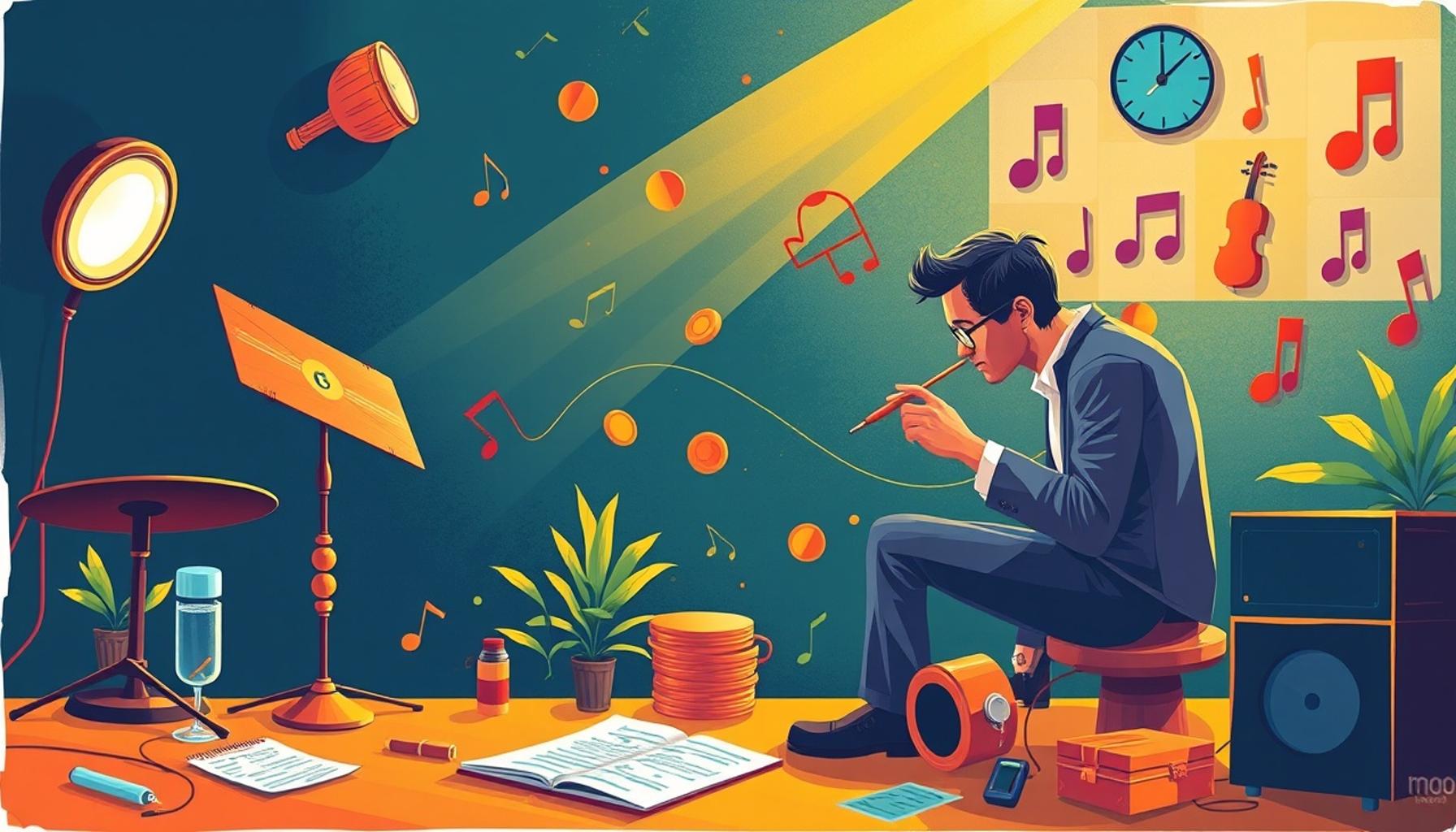
The Journey of Sound: Home-Recording and Musical Production

The Evolution of Sound in Your Own Space
In today’s music landscape, the journey of sound has transcended traditional studios, allowing anyone with a passion for music to become a creator. Home-recording and musical production have democratized the art, providing tools and resources that once required significant investment and expertise. With the right setup, your living room can transform into a professional studio.
One of the greatest advantages of this new era of music creation is affordability. Gone are the days when high-quality recording equipment was exclusive to established artists and record labels. Today, high-quality microphones, audio interfaces, and digital mixers are available at relatively low prices. For instance, reputable brands like Audio-Technica and Shure offer professional-grade microphones that can be purchased for under $100. Additionally, software platforms have made the leap into affordability; Digital Audio Workstations (DAWs) like Ableton Live, Logic Pro, and GarageBand provide powerful tools for musical composition and editing, often at a fraction of traditional studio costs.
The rise of digital technology has dramatically increased the diversity of tools available to musicians. This evolution is exemplified by the growing array of virtual instruments and plugins that allow creators to experiment with various sounds, from orchestral strings to synthesized beats, without leaving their homes. Moreover, mobile applications have transformed how artists compose and produce music on-the-go. Apps designed for smartphones and tablets mean that inspiration can strike anytime and anywhere—be it in a café, park, or while commuting.
In addition to affordable equipment and diverse tools, today’s artists benefit immensely from online resources. The internet is filled with tutorials, forums, and digital communities that cater specifically to beginner musicians. Websites like YouTube offer countless instructional videos ranging from basic recording techniques to advanced sound engineering tips. Social media platforms have also become invaluable for connecting with other musicians and sharing knowledge. Online forums such as Reddit’s r/WeAreTheMusicMakers provide a space for creators to seek advice, build networks, and showcase their work to a global audience.
This evolution has not only fostered new talent but also shattered genre boundaries. Artists from various backgrounds are experimenting with sounds, infusing diverse influences into their music. For example, musicians such as Lil Nas X have merged elements of hip-hop and country, creating a genre-blending sensation that reflects broader societal trends. The results are rich tapestries of expression, showcasing the unique sound journeys from different regions across the United States.
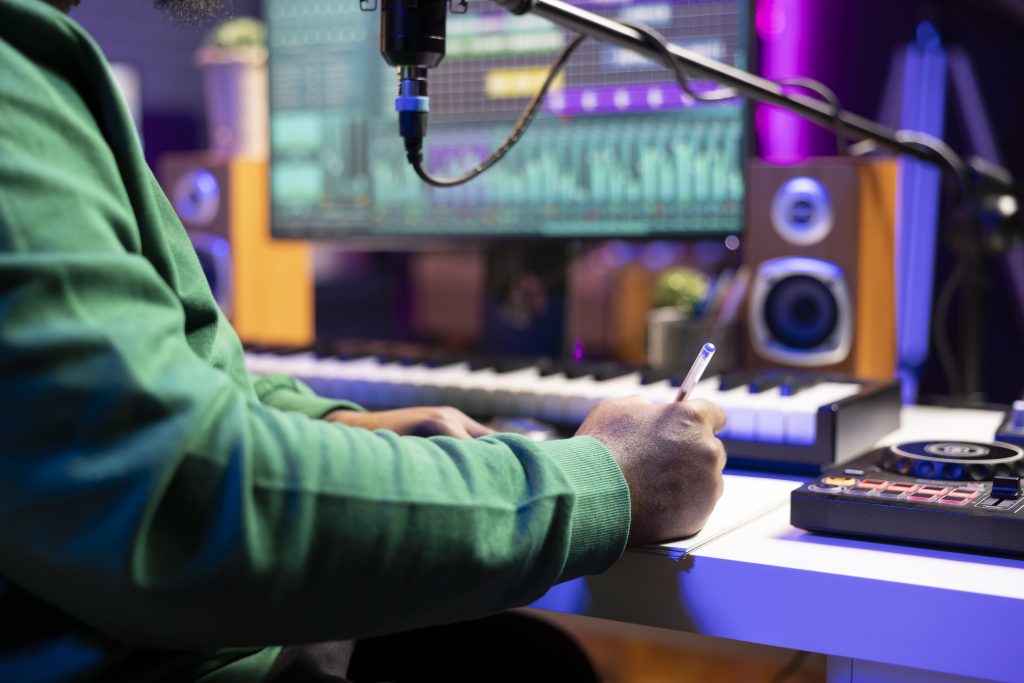
As you embark on your own musical exploration, remember that the journey of sound is always evolving. Local music scenes in cities like Nashville, Los Angeles, and New York are constantly changing as artists experiment with new techniques and genres. Whether you’re a seasoned musician or just starting, the landscape of home-recording and musical production beckons with endless possibilities waiting to be discovered. Embrace the tools and resources at your disposal, and join the revolution that is transforming how music is created, shared, and enjoyed around the world.
Empowering the Creator: The Tools for Success
As aspiring musicians and producers dive into the world of home-recording and musical production, the right toolkit is essential to unleash creativity and innovation. By understanding the basic equipment required, beginners can set the stage for a fulfilling musical journey. Let’s explore the must-have tools that can help you elevate your home studio experience.
Key Equipment for Home-Recording
Getting started in home-recording can seem daunting, but focusing on a few key pieces of equipment will set up any artist for success. Here are some essential components you should consider:
- Microphones: Quality microphones can significantly improve the sound quality of your recordings. Condenser microphones are a popular choice due to their sensitivity and ability to capture vocals with detail. Additionally, dynamic microphones are great for live recordings or amplifying louder sound sources like drums.
- Audio Interface: This device connects your instruments and microphones to your computer, converting analog signals into digital data. It ensures you achieve high fidelity during recording and playback. Some trustworthy options include Focusrite Scarlett and PreSonus AudioBox.
- Headphones: A good pair of closed-back headphones is crucial for monitoring recordings without causing sound bleed. Look for models that offer both comfort and accurate sound reproduction, like those from Audio-Technica and Sennheiser.
- Studio Monitors: While headphones are important, having dedicated studio monitors allows for more accurate mixing. Studio monitors are designed to reproduce sound faithfully, helping to identify any imperfections in your recording.
- Digital Audio Workstation (DAW): As mentioned earlier, a robust DAW serves as the heart of your recording process. Each DAW offers various features, so consider trying out a few (many provide free trials) to find the best match for your workflow.
By investing in these tools, artists can create a home studio capable of producing professional-sounding music from the comfort of their homes. But having the right equipment is only part of the equation. Understanding how to use each component efficiently can lead to significant improvements in your sound quality and overall production capability.
The Learning Curve
With the wealth of resources available online, mastering home-recording techniques has never been more accessible. Musicians can find countless tutorials that cover a range of topics, from basic recording techniques to the intricacies of mixing and mastering. Websites like Coursera and Skillshare offer comprehensive courses tailored to beginners and advanced users alike, equipping you with the knowledge needed to refine your skills.
Furthermore, connecting with fellow musicians via social media platforms such as Instagram and Facebook enables creators to gain insights into different techniques while finding inspiration in others’ work. As you engage with the community, consider sharing your own progress and experiences to foster valuable relationships and constructive feedback.
As you embark on your journey in home-recording and musical production, remember that every expert was once a beginner. Armed with the right tools and a constant desire to learn, there are no limits to what you can create. Embrace the process, experiment without fear, and let your unique sound come to life.
The Journey of Sound: Home-Recording and Musical Production
In the evolving landscape of music creation, home-recording has emerged as a formidable force, democratizing access to musical production. No longer confined to professional studios with daunting price tags, aspiring artists can now produce high-quality tracks from the comfort of their homes. This shift not only empowers musicians but also fosters creativity and innovation, allowing diverse genres to flourish.
The tools available for home-recording span from sophisticated digital audio workstations (DAWs) to user-friendly interfaces that make recording accessible even to beginners. These technologies enable artists to experiment with various sounds, leading to unique blends that often defy conventional music norms. In this section, we will explore some key advantages of embracing the theme of home-recording within the realm of musical production, highlighting how it signifies a significant transformation in the way music is created, shared, and experienced.
| Advantage | Description |
|---|---|
| Cost-effectiveness | Home-recording eliminates expensive studio rentals, making it accessible for all. |
| Creative control | Artists can experiment freely without pressure, shaping their unique sound. |
As we delve deeper into the home-recording phenomenon, it becomes evident that the barriers to entry are lowering, giving rise to a new generation of self-produced artists. This expansion not only enriches our playlists but also introduces exciting cultural shifts in how we perceive and consume music.
Crafting Your Sound: Techniques and Best Practices
Equipped with the right tools, the next step for home-recording enthusiasts involves diving into the foundational techniques and best practices that can enhance both the quality of your sound and your production skills. Understanding these elements is vital for transforming your creative ideas into polished tracks that can resonate with listeners.
Recording Techniques
The way you record can immensely influence the final output of your music. Here are some critical techniques to consider:
- Microphone Placement: The placement of your microphone can drastically affect the tonal qualities captured during recording. Experimentation is key—try moving the mic closer or farther to find the sweet spot. For instance, placing a mic just above the sound hole of an acoustic guitar can result in a warmer sound.
- Layering Sounds: Utilize the layering technique to create rich, textured compositions. By recording multiple takes of the same instrument or vocal and stacking them together, you can achieve a fuller sound. Just ensure you adjust timing and pitch variations for a natural feel.
- Using Click Tracks: If you struggle with timing, consider employing click tracks during your recording sessions. They help maintain consistent tempo, making it easier to align multiple layers once it’s time to mix.
Editing and Mixing Essentials
Once you have your recordings, the mixing phase begins. Proper editing and mixing techniques can elevate your recordings from amateur to professional quality. Essential concepts include:
- EQ (Equalization): EQ allows you to adjust the balance between different frequency components of your audio. Learning how to cut or boost frequencies can help each instrument shine without muddling the overall mix.
- Compression: Using compression can help maintain a consistent sound level, giving your mix clarity. It essentially reduces the dynamic range of your audio, allowing quieter sounds to be heard without overwhelming louder ones.
- Reverb and Delay: Adding reverb can make your recorded sounds feel more spacious and immersive, while delay can create depth. However, moderation is crucial; excessive effects can make the track lose clarity, so strive for a balance.
Mastering Your Track
After mixing, the final step is mastering. This critical process polishes your music, preparing it for distribution. Mastering focuses on ensuring that your track is cohesive and sounds good across various playback systems. Some of the key aspects include:
- Loudness Optimization: Mastering enhances the volume of your track while maintaining audio fidelity. Tools like limiter and maximizer help achieve this goal, but be cautious as over-compression can lead to distortion.
- Consistency Across Tracks: If you are working on an album or EP, mastering helps ensure that the tracks have a consistent sound level and character. This creates a seamless listening experience for your audience.
- Format Preparation: Mastering also involves formatting your audio for different platforms, whether it’s Spotify, Apple Music, or physical media. Each platform has its guidelines to ensure your music is heard as intended.
By meticulously crafting your sound through these techniques and best practices, you can ensure that your home-recording efforts yield auditory experiences that captivate and engage listeners. Such dedication will not only elevate your music but also enrich your artistic journey along the way.
Conclusion: Embarking on Your Sonic Adventure
The journey of sound through home-recording and musical production is not merely about capturing audio; it embodies the spirit of creativity and self-expression. As artists harness their unique experiences and emotions, they craft a sonic landscape that resonates with their listeners on a profound level. This article has illuminated the essential techniques and skills required to transform musings into polished tracks, emphasizing the importance of understanding the intricacies of recording, editing, mixing, and mastering.
Moreover, the accessibility of modern technology has democratized the music-making process, allowing budding musicians and established artists alike to explore their sound without the limitations once imposed by costly studio time. By incorporating effective recording techniques, mastering the art of mixing, and applying thoughtful editing practices, musicians can cultivate a distinctive sound that stands out in today’s competitive industry.
As you embark on or continue your home-recording journey, remember that every note and every beat is an opportunity to tell your story. Embrace the process, engage with your audience, and don’t shy away from experimentation. The world is eager to hear your voice. So, challenge yourself to delve deeper, discover new creative avenues, and keep your passion alive—after all, the beautiful journey of sound is just beginning. With every recording, you are not only crafting a musical piece but also contributing to an ever-evolving tapestry of art and culture. It’s time to unleash your creativity and share your sound with the world.