The Psychology of Composition: How to Move the Listener Through Music

The Power of Music in Evoking Emotion
Music wields an extraordinary power to tap into human emotions, serving as a universal language that transcends barriers and speaks to the soul. Through a sophisticated interplay of various components like melody, rhythm, and harmony, composers have the unique ability to create evocative soundscapes that resonate with listeners on a profound level. This ability to evoke emotions is not random; it is highly intentional and deeply rooted in the psychology of composition.
Melody is often viewed as the emotional heart of a musical piece. For example, the soaring notes of a violin concerto can evoke feelings of joy or triumph, while a simple, descending melody might elicit a sense of melancholy. Think of Beethoven’s “Ode to Joy”—its uplifting melody encourages feelings of jubilation and camaraderie, resonating at celebrations and public gatherings.
Rhythm plays a significant role in shaping the energy and pace of music. Upbeat tempos can induce excitement and even compel listeners to dance, as seen in popular genres like pop and hip-hop. Conversely, slower rhythms can create a tranquil atmosphere that promotes relaxation and contemplation. Consider the calming effects produced by artists like Norah Jones in her hit “Don’t Know Why,” where a soothing rhythm allows listeners to unwind.
Dynamics, or the variations in volume throughout a piece, also contribute significantly to emotional expression. Composers use contrasts in loudness to create dramatic tension or peaceful moments. The powerful crescendos in movies like “Inception” by Hans Zimmer can stir a sense of urgency and anticipation, while softer passages evoke introspection and calmness. This dynamic range allows the emotional landscape of the music to ebb and flow, guiding listeners through a journey of feelings.
In American culture, music often acts as a backdrop for life’s pivotal moments, shaping our memories and emotions. From the stirring national anthems heard at sports events to the intimate lullabies sung to infants at bedtime, each piece carries an emotional weight. The nostalgic chords of a classic rock anthem from the 70s can transport someone back to their teenage years, evoking vivid memories accompanied by powerful emotions.
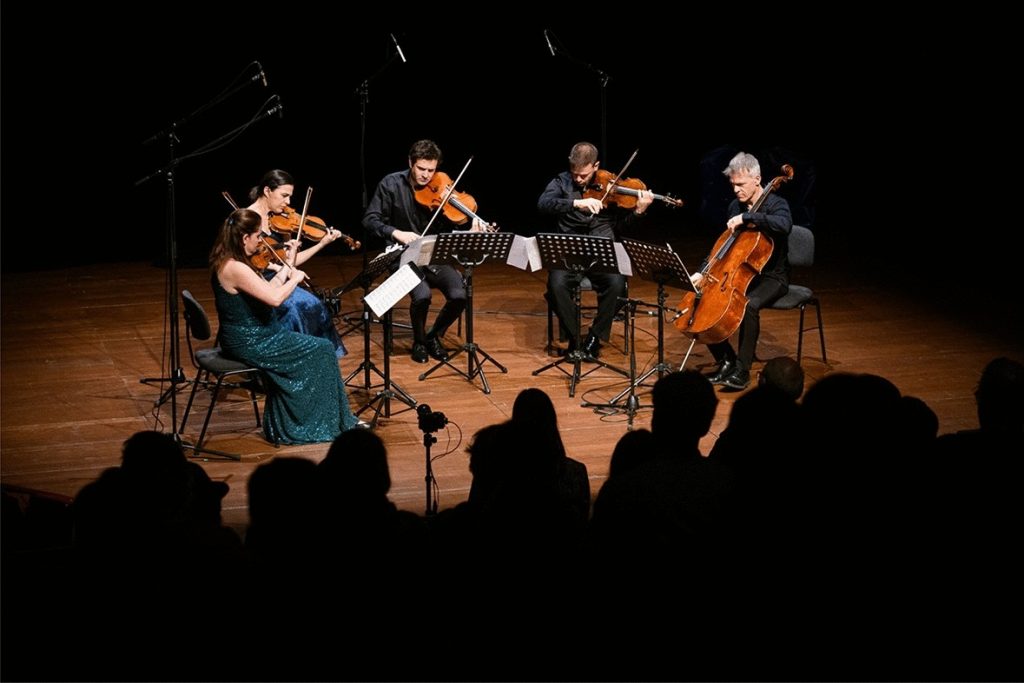
As we delve deeper into the psychological techniques employed by composers, we uncover how they harness these musical elements to forge connections with their audiences. Music not only provides an escape but also serves as a powerful tool for healing, expressing feelings that may be difficult to articulate. Understanding this intricate relationship between music and emotion enriches our appreciation of the art form and invites us to explore the ways it influences our lives.
Ultimately, music becomes more than just sound; it transforms into an emotional experience, illustrating our shared humanity. By recognizing the techniques that shape our auditory experiences, we can better understand the emotions that music invokes and the memories it creates.
Unpacking the Elements of Musical Composition
To understand how music moves the listener emotionally, it is essential to unpack the various elements of composition that composers intentionally employ. Each element contributes to the overall impact of a piece, helping to shape the emotional landscape that resonates within us. Among these, melody, harmony, rhythm, and timbre serve as the foundation for creating evocative music that can pull on the heartstrings or evoke deep reflection.
Melody, as previously mentioned, serves as the primary vehicle for emotion. However, its effectiveness is often amplified by the use of harmony. Harmony enriches melody by providing chords that complement or contrast with the main tune. This interaction can evoke feelings of tension and resolution. For example, consider the song “Someone Like You” by Adele, where dissonant chords create a poignant longing that perfectly aligns with the lyrics, enhancing the listener’s emotional experience. The combination of a powerful melody and carefully chosen harmonies can create a narrative that resonates with listeners on a personal level.
Another critical element, rhythm, not only determines the tempo of a piece but also influences how we experience time within music. Composers use various rhythmic patterns to invoke different feelings, and external factors like culture can shape our perception of these rhythms. For instance, syncopation often creates a feeling of surprise or excitement, as heard in jazz and certain pop tracks, while steady rhythms might evoke a sense of stability and comfort. The use of specific time signatures can also express different cultural nuances; 4/4 time is prevalent in Western music, while 6/8 time might evoke a folk dance feeling in other traditions.
- Melody: The tune that forms the emotional core of a piece
- Harmony: The chords that provide depth and complexity
- Rhythm: The beat that influences the flow and feel of the music
- Timbre: The unique quality or color of sound produced by different instruments or voices
Timbre, sometimes referred to as the “color” of music, plays a defining role in emotional expression. The same melody played on a piano, violin, or flute can evoke vastly different emotions due to the distinct qualities of their sounds. This element is often overlooked but is essential to how music is perceived. For instance, the haunting sound of a cello can imbue a piece with a sense of sorrow, while the bright tones of a flute might inspire feelings of joy and freedom.
By deliberately manipulating these musical elements, composers tap into the psychology of the listener, guiding them through a spectrum of emotions. Understanding how melody, harmony, rhythm, and timbre interact invites us to explore music not just as an art form but also as a vehicle for emotional expression and connection.
| Category | Description |
|---|---|
| Emotional Engagement | Music has the power to evoke a wide range of emotions, tapping into the listener’s personal experiences and memories. |
| Cognitive Processing | Listeners often experience cognitive shifts, as they recognize patterns and anticipate musical phrases, enhancing their connection to the piece. |
| Narrative Structure | Effective compositions often mirror storytelling, guiding listeners through a journey with distinct themes and variations that keep them engaged. |
| Cultural Context | Music transcends borders and reflects cultural identities, allowing listeners to connect with diverse backgrounds and shared experiences. |
In examining the psychology of composition, one can see that the art of moving listeners through music lies intricately within their emotional landscapes. The arrangement of melody, harmony, and rhythm can provoke visceral reactions, transporting individuals to places steeped in memory and sentiment. Moreover, the mental processes that occur while listening may define the depth of engagement; as compositions unfold, they prompt the audience to anticipate and reflect on the progression.The narrative structure of music also plays a pivotal role. By mirroring the storytelling techniques prevalent in literature and film, composers can create dynamic arcs that captivate the audience’s attention. This structural framework is complemented by the cultural context in which the music is composed and performed, enriching the listener’s experience and broadening their understanding of the world. Each of these elements constructs a compelling tapestry that beckons further exploration into the psyche of music composition.
Building Emotional Tension and Release
In the realm of music composition, the emotional journey often hinges on the concept of tension and release. Composers skillfully create suspenseful moments that keep listeners engaged and emotionally invested. This dynamic interplay can be likened to storytelling, where a narrative arc builds anticipation and subsequently delivers resolution. In music, tension is frequently achieved through the careful manipulation of harmony, dynamics, and rhythm. For example, the climax of a piece might be marked by a sudden shift to a higher volume or a more complex harmonic structure, while the return to a softer dynamic serves as the release, allowing the listener to breathe and reflect on the journey.
A prime example of this technique can be found in Beethoven’s Symphony No. 5, where the iconic four-note motif serves as a catalyst for emotional building. The repeated notes create a sense of urgency and anticipation, drawing listeners through the movement until the exhilarating resolution arrives. This kind of structural tension not only excites the audience but also reinforces the emotional stakes, creating a fully immersive experience.
Dynamics, or the variation in loudness or intensity of sound, also plays a crucial role in shaping the emotional trajectory of a composition. Composers can use crescendos and decrescendos to guide listeners through moments of excitement, calm, and introspection. The louder and more intense sections can evoke feelings of triumph or anxiety, while softer passages might encourage quiet contemplation. The strategic use of dynamics allows musicians to create a rollercoaster of emotions that resonates deeply with the audience.
The Influence of Lyrics and Narrative
In addition to the inherent qualities of melodies, harmonies, rhythms, and timbres, lyrics can add a profound layer of meaning and emotional depth. Songwriters, especially in genres like pop, rock, and hip-hop, use lyrics to weave personal stories and relatable experiences into their music. The combination of impactful lyrics with complementary musical elements allows listeners to connect on a more personal level. For instance, consider Bob Dylan’s “Tangled Up in Blue,” where vivid storytelling combined with a haunting melody evokes a poignant sense of nostalgia and longing.
The relationship between voice and instrument also enhances the emotional weight of music. A raw, raspy vocal style can convey vulnerability, as witnessed in Adele’s ballads, while a more polished voice might communicate confidence and strength, as seen in artists like Beyoncé. The way the human voice interacts with instrumentation creates a unique intimacy that facilitates emotional connection, inviting listeners into the narrative.
The Role of Cultural Context
The psychology of composition is further influenced by cultural context. Different cultures have distinct musical traditions, resulting in various emotional responses based on familiarity and context. For example, the use of specific scales and modes, such as the pentatonic scale in East Asian music or the blues scale in African American music, evokes unique emotional landscapes tied to cultural histories and experiences. These nuances can elicit visceral reactions from listeners steeped in those traditions while simultaneously providing a rich tapestry for composers to explore new emotional territories.
Understanding the cross-cultural aspects of music composition allows us to appreciate the diverse ways in which music can shape human experience. As composers incorporate a blend of traditional elements with innovative techniques, they expand the emotional vocabulary of music, inviting listeners to explore new feelings tied to both their personal journeys and their cultural contexts. Through this exploration, we uncover the limitless potential of composition as a bridge between our inner worlds and the universal human experience.
Conclusion
In examining the psychology of composition, it’s clear that the intricate relationship between musical elements and emotional expression profoundly shapes how listeners engage with music. By mastering techniques such as tension and release, dynamic variation, and powerful lyrical narratives, composers can transport their audiences through a rich emotional landscape. Each note, rhythm, and word intertwines to create a story, one that resonates with listeners on both a personal and universal level.
Cultural context also plays an essential role in this psychological composition, illustrating how diverse musical traditions elicit unique emotional responses. Understanding this multifaceted interplay allows for a deeper appreciation of the music we enjoy—whether it evokes joy, nostalgia, or introspection. As listeners become more attuned to these nuanced connections, they can enjoy a richer experience, discovering layers of meaning often overlooked.
Ultimately, the journey through music is a testament to its power as a form of expression—a bridge that links our inner worlds to the emotions of others. As composers continue to innovate and explore, they invite us to share in the vast spectrum of human experience, making music an ever-evolving canvas for emotional movement. For those seeking to delve deeper, exploring how different cultures and genres address these principles can reveal even more profound insights into the art of music composition.