The Therapeutic Impact of Crafting: How Manual Creation Can Improve Mental Health
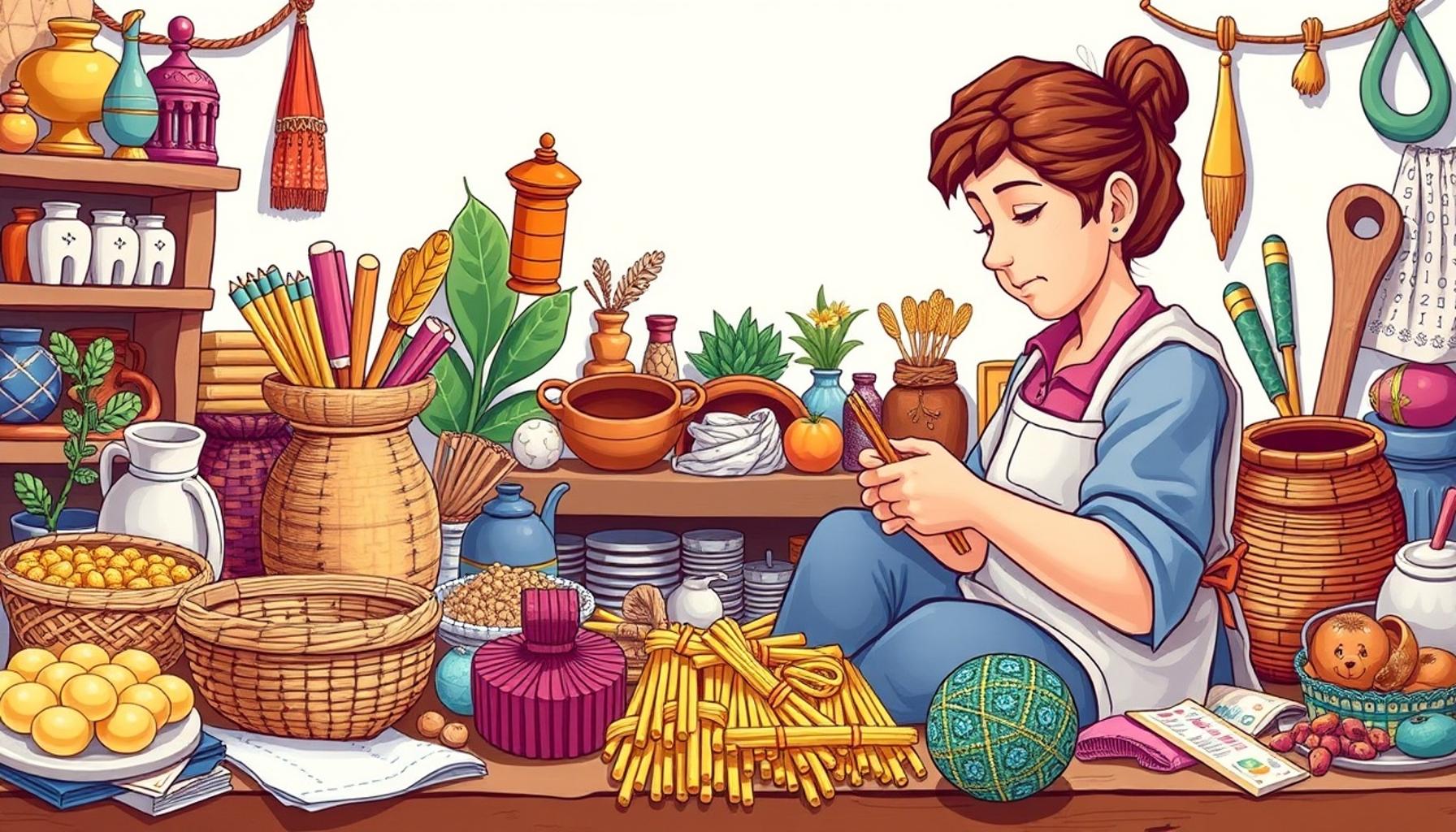
Unlocking the Benefits of Crafting for Mental Health
Engaging in hands-on creativity can be more than just a pastime; it can significantly enhance your mental well-being. Crafting provides an array of psychological benefits, making it a powerful tool for anyone looking to improve their mental health.
Research indicates that manual creation can help reduce stress, anxiety, and depression. Here are some key aspects of how crafting can impact your mental state:
- Mindfulness: Crafting encourages focus and presence, allowing you to immerse yourself in the moment. This is especially beneficial in today’s fast-paced world, where distractions abound. Activities like knitting or painting require concentration, helping individuals develop a calming routine that serves as a form of meditation.
- Self-Expression: Artistic projects offer a platform for expressing emotions and thoughts that might be difficult to articulate. For instance, someone struggling with grief might find solace in creating a personalized memorial scrapbook. This form of expression can be particularly cathartic, allowing individuals to confront and process their feelings in a safe manner.
- Community: Participating in crafting groups fosters social connections and support, combating feelings of isolation. Craft fairs, community workshops, and local art studios provide the perfect backdrop for individuals to bond over shared interests. Such social interactions can lead to friendships that further enhance emotional resilience.
- Accomplishment: Completing a project can boost self-esteem and provide a sense of achievement. Whether it’s finishing a quilt, sculpting a piece of pottery, or completing a DIY project for the home, these tangible results can instill a profound sense of pride and motivate individuals to tackle new challenges.
In the United States, many individuals are turning to crafting as a form of therapy. From knitting circles to pottery classes, opportunities abound for those seeking solace in creativity. Statistics show that hobbies like crafting can lower cortisol levels, a hormone associated with stress, which can lead to improved overall mental health.
Art therapy, which often incorporates crafting elements, is becoming increasingly recognized in clinical settings. Health professionals are now advocating for community programs that provide access to crafting opportunities. By leveraging the therapeutic aspects of crafting, it’s possible to cultivate a more balanced and resilient mental state.
Dive deeper into the transformative effects of crafting and discover how you can harness this age-old practice for your mental health. Whether you are a seasoned artist or a newbie looking to explore a new hobby, the benefits of crafting extend beyond mere enjoyment; they can lead to profound improvements in mental well-being.
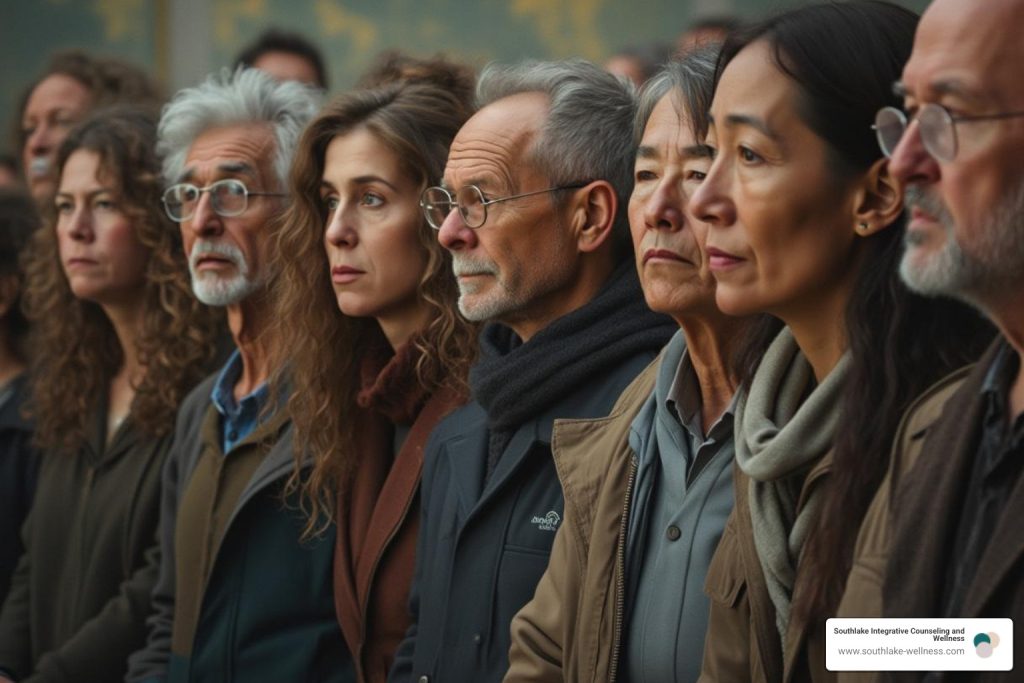
The Therapeutic Power of Crafting: A Closer Look
Crafting serves as more than just a creative outlet; it plays a vital role in enhancing mental health by addressing various psychological needs. Engaging in manual creation activates multiple areas of the brain, leading to both emotional and cognitive benefits. By understanding how crafting impacts mental health, individuals can better appreciate its potential therapeutic value.
One of the most significant elements of crafting that contributes to better mental health is its ability to promote mindfulness. Activities like sewing, woodworking, or scrapbooking require undivided attention, encouraging crafters to immerse themselves fully in the task at hand. This focused engagement helps silence racing thoughts and brings attention to the present moment. Studies have shown that practicing mindfulness can drastically reduce symptoms of anxiety and depression, thus making crafting a natural way to cultivate mental clarity and calm.
Another compelling aspect of crafting is its capacity for self-expression. In a world where feelings can often be hard to articulate, creative projects provide an essential outlet for emotions. Individuals may channel their struggles, joys, or milestones through their chosen medium—be it painting, clay modeling, or jewelry making. For instance, someone recovering from a traumatic event may find therapeutic relief in creating expressive art that illustrates their journey. This process of self-exploration and communication can lead to significant breakthroughs in understanding one’s emotions.
Social Benefits of Crafting
Crafting does not have to be a solitary endeavor; in fact, the social connections formed through crafting communities can significantly bolster mental health. Groups such as quilting bees, pottery clubs, or knitting circles foster camaraderie and collaboration. Participants bond over shared interests, which can help alleviate feelings of loneliness or isolation. Engaging socially in crafting settings can lead to new friendships that create layers of support, essential for maintaining good mental health.
- Improved Communication: Crafting in groups allows individuals to share experiences and stories, promoting open dialogue and reducing stigma surrounding mental health issues.
- Networking Opportunities: Craft fairs and workshops encourage connections with like-minded individuals, creating a sense of belonging and shared purpose.
- Support Systems: A crafting community can be a source of emotional encouragement, especially for those facing mental health challenges.
The tangible nature of crafting also contributes to feelings of accomplishment and self-worth. Completing a project—whether it’s a hand-knitted scarf or a beautifully painted canvas—can provide a significant boost to one’s self-esteem. This sense of achievement is crucial for individuals coping with mental health challenges, reinforcing the idea that they can set and achieve goals.
As crafting continues to gain momentum as a therapeutic tool across the United States, the importance of its role in mental health is becoming increasingly recognized. The connection between manual creation and mental wellness will only deepen as more people explore the profound impact of creativity on their lives.
| Benefits of Crafting | Psychological Aspects |
|---|---|
| Stress Reduction | Engaging in hands-on activities can significantly lower levels of cortisol, the stress hormone. |
| Enhanced Mindfulness | Crafting encourages individuals to focus on the present moment, fostering a mindful state that alleviates anxiety. |
| Boosts Self-Esteem | Completing a craft project can provide a sense of accomplishment and improve self-worth. |
| Creativity Outlet | Crafting stimulates creativity, which can be therapeutic and beneficial for emotional expression. |
The world of crafting offers more than just a way to create; it serves as a vital tool for improving mental health. Whether through knitting, painting, or woodworking, manual creation allows individuals to escape daily stressors and find solace in creativity. A study highlighted that participants who engaged in crafting reported fewer symptoms of anxiety and depression compared to those who did not. This powerful connection between crafting and mental wellness encourages many to explore various artistic outlets.Moreover, crafting has been shown to induce a ‘flow state’, where individuals lose track of time and immerse themselves entirely in their work. This immersive experience can lead to greater satisfaction and emotional relief. The act of creating, combined with the tactile sensations of working with different materials, nurtures both the mind and spirit in profound ways. Embracing such therapeutic practices can pave the way for improved overall well-being.
The Healing Properties of Crafting in Diverse Environments
Beyond individual benefits, crafting extends its therapeutic impact into various communities and settings, showcasing its adaptability and effectiveness. Whether in schools, rehabilitation centers, or senior living facilities, crafting activities are being utilized as innovative interventions for mental health improvement.
For instance, in educational environments, teachers have begun incorporating hands-on crafting activities into their curriculums. Studies indicate that when students participate in creative projects, they not only enhance their problem-solving skills but also cultivate emotional resilience. In one notable case, a high school in California implemented a weekly art and crafting program that significantly decreased instances of anxiety and disciplinary issues among students. This highlighted how crafting can be leveraged as a proactive approach to mental wellness within educational institutions.
In rehabilitation centers, crafting is often employed as a means to aid recovery from addiction and mental health disorders. Art therapists use manual creation as part of treatment plans, facilitating conversations about emotions and experiences that are otherwise difficult to express. The process of crafting allows individuals to construct something tangible, mirroring their potential for recovery and transformation. Notably, research from the University of Kansas found that individuals engaged in therapeutic crafting reported a drastic elevation in mood, decreased cravings, and increased feelings of self-control over their recovery journey.
Moreover, for older adults in senior living facilities, crafting initiatives have shown impressive results in combating feelings of loneliness and cognitive decline. Activities like quilting or painting promote cognitive engagement and fine motor skills, essential components for maintaining mental acuity. According to a study in the Journal of Gerontological Nursing, seniors who participated in regular crafting sessions exhibited enhanced memory recall and a stronger sense of community. The workshops not only enabled artistic expression but also served as vital social interactions that contributed to improved overall happiness.
Crafting as a Means of Cultural Connection
Cultural crafting, which involves traditional techniques and materials, can also result in a profound mental health impact. For many communities, these practices foster a sense of identity and preserve heritage. Engaging with culturally significant crafts, such as Native American beadwork or Mexican papel picado, allows individuals to connect with their roots while simultaneously enhancing their mental well-being. This facet of crafting emphasizes not just personal expression but also cultural continuity, allowing individuals to find comfort and grounding in their backgrounds.
- Promoting Intergenerational Bonding: Crafting projects that involve multiple generations, such as grandparent-grandchild crafts, enhance familial connections and combat feelings of isolation.
- Legacy Projects: Many individuals engage in creating heirlooms or family artifacts that provide lasting emotional benefits. These tangible creations serve to honor family history and foster bonds across generations.
- Cultural Festivals: Community crafting events, like pottery fairs or crafting expos, encourage local participation, reinforce community ties, and contribute to a sense of belonging.
As crafting gains traction as an effective means of addressing mental health issues, its multifaceted benefits continue to unfold across different demographics and settings. By incorporating crafting into diverse environments, the potential for enhancing mental wellness is vast, promising a richer understanding of how manual creation can act as a powerful therapeutic agent.
Conclusion: Embracing Crafting as a Path to Wellness
The therapeutic impact of crafting is profound and multifaceted, offering significant mental health benefits that extend well beyond the act of creation itself. Throughout this exploration, we have seen how engaging in manual creation fosters emotional resilience, combats anxiety, and enhances cognitive skills across diverse environments, including schools, rehabilitation centers, and senior living facilities. The power of crafting lies not only in the tangible products created but also in the therapeutic processes that occur through the act itself.
Crafting serves as a bridge between generations and cultures, promoting intergenerational bonding and cultural continuity. Whether it’s grandparent-grandchild collaborations or the celebration of traditional arts, these activities reinforce connections and foster a stronger sense of community, ultimately leading to improved mental well-being. As more facilities and organizations embrace crafting as a tool for mental health interventions, it becomes evident that manual creation is not merely a hobby; it is a vital component of holistic approaches to mental wellness.
In today’s increasingly challenging world, the power of manual creation offers a valuable and accessible pathway to healing. This potential invites individuals and communities alike to explore and embrace crafting not only as a form of expression but as an essential practice for nurturing mental health. As we move forward, the continued research and integration of therapeutic crafting into various societal sectors will only serve to enhance our understanding of its benefits, encouraging a more creative and health-conscious future.