Writing Exercises to Overcome Creative Block and Find Inspiration

Unlocking Your Creative Potential
Creative blocks can feel like an impenetrable wall, halting the flow of ideas and inspiration. Whether you’re a seasoned writer or just starting out, there’s a high probability you’ll encounter these frustrating moments. Thankfully, effective writing exercises can help you push through and rekindle your creative spark. Being proactive in overcoming these mental roadblocks allows you to maintain a consistent writing habit and develop your skills further.
The Importance of Overcoming Creative Block
A creative block not only inhibits productivity but can also impact confidence and motivation. Many writers experience self-doubt during these times, which can create a vicious cycle of avoidance. Recognizing and addressing this challenge is essential for any writer looking to thrive. Here are some key benefits of breaking free from these blocks:
- Enhanced Creativity: New ideas flourish once your mind is unshackled. By overcoming creative blocks, you open the door to fresh perspectives and unique concepts, leading to richer storytelling.
- Improved Writing Skills: Consistent practice can elevate your craft. The more you write, the better you become, learning to adapt styles and techniques that resonate with your voice.
- Decreased Stress: Writing can serve as a therapeutic outlet. Engaging with your creative side can be cathartic, allowing you to express emotions and thoughts that might otherwise remain bottled up.
Finding Inspiration Through Writing
Inspiration can come from the most unexpected places. The important thing is to be open to exploration. Writers often find that stepping away from the keyboard and experiencing the world around them can yield incredible ideas. Here are some writing exercises that can reignite your passion:
- Free Writing: Set a timer for 10 to 20 minutes and write without stopping. Let your thoughts flow freely onto the page, disregarding grammar and punctuation. This exercise can help clear mental cobwebs and generate new ideas.
- Prompts: Use interesting prompts to spark creativity. Websites and books often provide unique scenarios or first-line ideas that challenge you to think outside the box. For example, imagine a world where everyone can read each other’s thoughts—how would society operate?
- Copywork: Imitate the style of authors you admire. This exercise allows you to dissect their techniques and apply different nuances to your writing. For instance, if you’re inspired by the dialogue style of Elmore Leonard, try rewriting a scene in that voice.
Ready to dive deeper? Let’s explore these exercises and discover how to transform your creative process. As you experiment with different techniques, remember that the goal is not perfection but progress. Embracing your unique voice while exploring various styles can illuminate your true creative potential.
Harnessing the Power of Writing Exercises
Engaging in targeted writing exercises can be a game changer for overcoming creative blocks. These activities foster a supportive environment where experimentation is encouraged, allowing writers to stretch their imaginations and break free from self-imposed limitations. When you commit to these exercises, you’re not just battling a stagnant creative flow; you’re nurturing a sustainable practice that can yield ongoing inspiration.
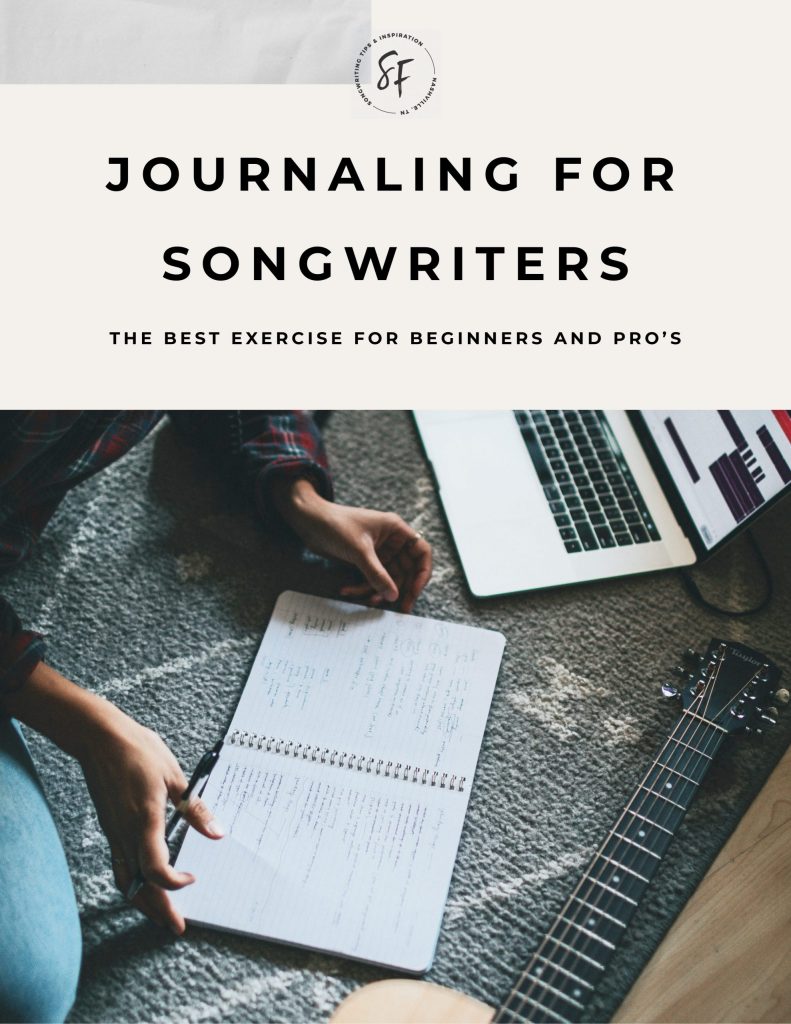
Explore Different Perspectives
Creativity often thrives on diverse viewpoints. To gain a fresh perspective, consider the following exercises that inspire creativity by shifting your point of reference:
- Character Journals: Create a journal for a character from your current work or a new one entirely. Write entries from their perspective about events in their life or reactions to others. This exercise not only fleshes out characters but also challenges you to think like them, deepening your storytelling.
- Letter Writing: Write a letter to yourself, your future self, or even to a character you’ve created. This form of communication can reveal your innermost thoughts, goals, and emotional hurdles. It’s a way to express what you might be hesitant to confront in your writing.
- Visual Inspiration Boards: Build a board—physical or digital—with images, quotes, and objects that inspire you. Use this board as a starting point for a story or essay. Visual aids can trigger vivid ideas and lead to unexpected narratives.
Embrace Structure to Foster Creativity
While free writing is beneficial, structured exercises can also assist in getting your creative juices flowing. Here are some structured activities to consider:
- Story Cubes: Utilize dice with images or words on each face to inspire story elements. Roll the dice and link the images or words into a coherent narrative. This playful approach can lead to whimsical and unexpected story development.
- Rewrite a Scene: Take a well-known scene from a book, movie, or play and rewrite it from a different character’s perspective or in a different setting. This exercise not only enhances your adaptability as a writer but also reinforces narrative perspective.
- Daily Word Count Challenge: Set a manageable daily word count goal for yourself. Whether it’s 100 words or 1,000, the commitment can encourage you to write regularly, helping make the act of writing feel more like a routine and less daunting.
As you explore these writing exercises, it’s crucial to remain open and adaptable. Creativity is a fluid journey, and by diversifying your approach, you will likely find yourself encountering inspiration in the most unexpected places. Remember, the purpose of these exercises is not just survival through a creative block, but to cultivate a richer and more dynamic writing practice.
| Category | Key Features |
|---|---|
| Freewriting | Encourages spontaneous ideas and reduces self-judgment. |
| Prompts and Challenges | Provides structure and inspiration, facilitating creativity. |
| Visual Storytelling | Enhances narrative skills by combining images with text. |
| Character Development Exercises | Fosters depth and relatability in storytelling. |
When tackling the issue of creative block, writing exercises serve as powerful tools. The first method, freewriting, allows writers to bypass their inner critic. By simply writing without structure or constraint, it encourages the flow of ideas that might otherwise remain trapped in a sea of self-doubt. Moreover, prompts and challenges act as catalysts for innovation. They provide frameworks that ignite the imagination, pushing writers to explore uncharted territories in their craft, often leading to profound discoveries about their style and voice.In addition, engaging in visual storytelling marries the power of imagery with the written word, allowing writers to experiment with new narrative techniques. Lastly, character development exercises enhance the emotional depth of narratives, ensuring that characters resonate with readers, thereby breaking down barriers of creative stagnation. These exercises not only break routines but also expand a writer’s experiential horizons, enriching their literary repertoire while overcoming blocks.
Discovering Catalysts for Creativity
Writing exercises can serve as fundamental tools in combating creative blocks, but there are myriad ways to further stimulate your creativity. These approaches often incorporate unconventional methods designed to tap into the subconscious, allowing deeper inspiration to surface. By diversifying your writing exercises, you can amplify your creative potential.
Free Association and Stream of Consciousness
One classic technique to unleash your imagination is through free association. This practice involves writing down whatever comes to mind without filtering your thoughts. There’s no right or wrong direction—just let the words flow. You might start with a specific word or phrase and allow your mind to drift into related concepts. This method can lead to unexpected ideas and unique narratives that can be developed into stories or poems.
Writing Prompts and Challenges
Writing prompts are another excellent resource. These can take numerous forms, whether they are a random word generator, a thought-provoking question, or a scenario that requires your imagination. Some examples include:
- “Describe a day in the life of an animal from a zoo”: This prompt challenges you to consider the perspective of a creature and think creatively about their experiences, emotions, and thoughts.
- “What would happen if you woke up one day to find that you could understand all languages?”: Engaging with this scenario could open up a plethora of storytelling options.
- Collaborative Writing: Partner with another writer to produce a story. Set a timer and take turns writing sentences or paragraphs, only revealing the previous passage to each other as you go. This exercise encourages spontaneity and can lead the narrative in surprising directions.
Physical Movement as a Creative Stimulus
Incorporating physical movement into your writing routine can also produce a significant boost in creativity. Go for a walk, do yoga, or engage in any activity that gets your blood pumping. Science supports the connection between exercise and enhanced creative thinking. In fact, studies indicate that engaging in moderate physical activity increases the production of brain-derived neurotrophic factor (BDNF), a protein that supports cognitive functions and creativity.
Diving into Different Genres
Another potent way to break a creative block is by experimenting with different writing genres. If you usually write fiction, try your hand at poetry or memoir. This shift can change your mindset and inspire alternative approaches to storytelling or expression. For example:
- If you primarily write fantasy, consider penning a short personal essay: Reflect on a childhood memory or a significant life lesson, allowing yourself to connect emotionally in a new way.
- Write a flash fiction piece: Challenge yourself to tell a complete story in just a few hundred words. The constraints may prompt innovative ideas.
- Transform a scene from your current project into a haiku: This exercise pushes you to convey emotion and imagery using minimal syllables, fostering a different creative approach.
By embracing these diverse exercises and techniques, you can empower yourself to break away from creative stagnation. The key is to keep an open mind and allow your creativity to wander. Engaging in varied writing practices not only revitalizes your current projects but also enriches your overall skill set as a writer.
Conclusion: Unleashing Your Creative Potential
In a world where creativity can often feel elusive, the value of structured writing exercises cannot be overstated. By implementing diverse methods such as free association, engaging with prompts, embracing physical movement, and exploring various genres, writers can effectively dismantle the barriers of creative block. Each exercise serves as a springboard, propelling your thoughts into uncharted territories and fostering a nurturing environment for inspiration to flourish.
Moreover, adopting an open-minded attitude towards your creative process is imperative. Allowing yourself to experiment without judgment leads to unanticipated insights and breakthroughs. It’s essential to remember that creativity is not a finite resource; it can be expanded and nurtured. Techniques like collaborative writing allow for shared ideas and perspectives, presenting novel angles and spurring intricate storytelling possibilities.
As you embark on your journey to overcome creative block, consider integrating these exercises into your routine. Whether you’re crafting the next bestseller or simply looking to express your thoughts, these strategies can enrich your writing practice. Ultimately, staying curious and embracing a playful attitude towards writing will help you unlock inspiration and continuously revitalize your creative spirit. So, take a deep breath, pick up your pen, and let your imagination roam free—the world is waiting for your next great story.