The importance of music in building communities and social networks among local artists
Music: The Heartbeat of Community
In a world increasingly dominated by digital interactions, music serves as a vital thread that weaves communities together, particularly among local artists. From the intimate settings of small-town gigs to the energetic atmosphere of bustling city festivals, the role of music goes beyond mere entertainment; it actively facilitates connection and collaboration. The communal power of music resonates deeply, fostering bonds among individuals who share a love for sound.
Why is this connection so crucial? The reasons are abundant and profound:
- Networking Opportunities: Music events serve as melting pots for creativity, where artists can meet like-minded individuals who both inspire and challenge them. For instance, a budding singer-songwriter might meet a seasoned producer at an open mic night in a local café. These encounters can lead to mentorships, collaborations, or even long-lasting friendships.
- Shared Experiences: The magic of live performances creates memorable moments that foster a sense of belonging. When a community gathers to enjoy a concert in the park, it generates a collective experience—a shared emotion that often translates into lifelong memories. This unifying energy can be especially palpable during summer music festivals, where diverse audiences come together to celebrate creativity.
- Collaborative Projects: Musical partnerships often emerge organically from these interactions, leading to innovative artistic expressions. For example, genres like Americana and Bluegrass are often the result of collaborations between artists from different musical backgrounds, showing how the fusion of styles enriches the community’s artistic landscape.
Across the United States, cities like Nashville and Austin have become epicenters for artistic collaboration. Nashville, known as the “Music City,” offers countless venues and opportunities for artists to showcase their talents, while its songwriting community thrives on collaboration and mentorship. Similarly, Austin’s South by Southwest (SXSW) festival serves as a launchpad for emerging artists, bringing industry leaders and fans together to celebrate diversity in music. These thriving scenes illustrate how vibrant local cultures can encourage interaction, spark creativity, and build lasting relationships.
Understanding the magnitude of music’s influence helps us appreciate its role not only as an art form but also as a significant tool for societal development. Beyond providing entertainment, music strengthens social networks and nurtures a sense of community among local artists. It cultivates a creative ecosystem where help, support, and collaboration are abundant, ultimately enhancing not just individual careers but also the cultural fabric of the community.
As we continue to explore the role of music in fostering community ties, it becomes clear that every chord struck, and every lyric sung has the potential to connect individuals, inspire change, and create a collective identity that resonates far beyond the stage.
DISCOVER MORE: Click here to learn about the power of teamwork in writing
Creating Bonds Through Sound
Music acts as a universal language, transcending barriers and creating bonds among individuals from diverse backgrounds. In local artistic communities, the significance of music in building social networks cannot be overstated. It not only enhances interpersonal connections but also fosters collective identity among artists. This intricate relationship between music and community is illuminated through various dimensions of social interaction and engagement.
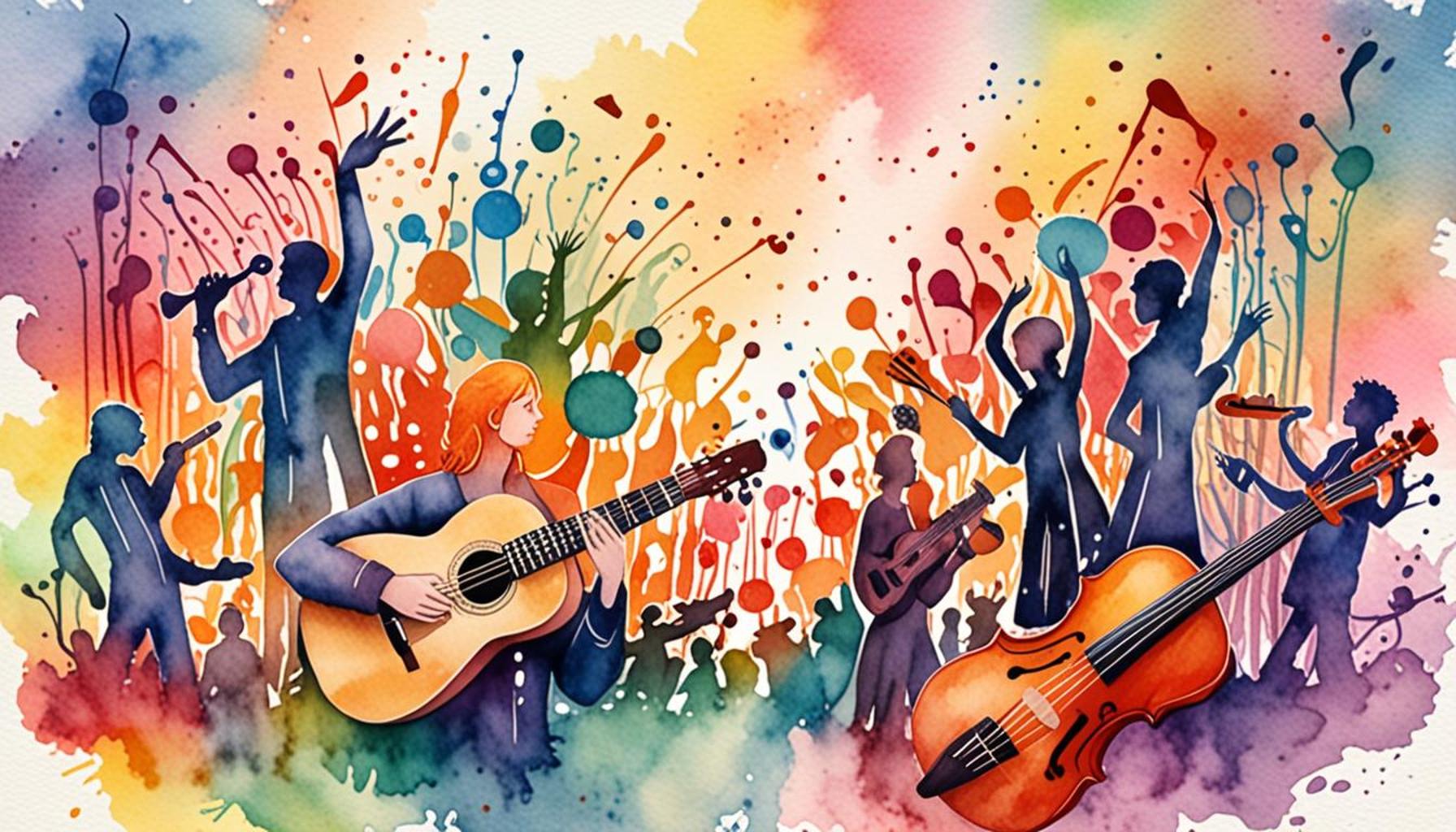
Community Engagement: Local music events, whether they are open mic nights, jam sessions, or neighborhood concerts, serve as vital platforms for engagement. These gatherings invite artists and audiences alike into a shared space, often blurring the lines between performer and listener. It’s in these environments that one might witness a guitarist jamming with a drummer they just met, igniting sparks of creativity and collaboration. Such events cultivate a welcoming atmosphere where new talents can emerge, and pre-existing relationships can deepen.
Cultural Identity: Music is deeply intertwined with cultural identity. Many artists draw inspiration from their roots, reflecting the histories and stories of their communities through their work. This creates a sense of pride and belonging among local artists, who often find strength in shared experiences and values. For instance, genres like Zydeco in Louisiana or Bluegrass in the Appalachian region not only showcase unique musical styles but also encapsulate the rich cultural heritage of their respective locales. As local artists celebrate these traditions, they foster a sense of unity, preserving and amplifying the community’s cultural narrative.
- Interdisciplinary Collaborations: Beyond just musicians, the music scene often enlists visual artists, dancers, and writers, creating a multifaceted creative ecosystem. Collaborative projects that merge different art forms can lead to groundbreaking works. For example, a local theater group might partner with musicians to produce a musical that showcases both theater and sound artistry, engaging a broader audience and weaving a network of artists across disciplines.
- Support Networks: The journey of an artist can be fraught with challenges, from gaining recognition to securing funding for projects. Local music communities often provide vital support systems. Peer mentoring, resource sharing, and promoting each other’s work can create an invaluable safety net for artists. This spirit of support is crucial for nurturing emerging talent and sustaining the artistic momentum within the community.
With the rise of social media platforms, the reach of local artists has expanded exponentially. Artists can now share their music and connect with audiences beyond geographical limitations. Yet, while digital interactions play a significant role, it is the face-to-face interactions at local music events that create deep and meaningful relationships. The collective cheers, shared laughter, and the thrill of live performances ground artists within their community, fostering a network that thrives on collaboration and mutual growth.
In summary, music serves as a potent catalyst for building vibrant communities and social networks among local artists. Through engagement, cultural expression, diverse collaborations, and supportive environments, music not only shapes creative identities but also fortifies the bonds that connect them. As we delve deeper into this exploration, it becomes evident that music is indeed the lifeblood of artistic communities, nurturing relationships that can transform lives and cultures.
| Advantages | Impact on Local Artists |
|---|---|
| Cultural Exchange | Facilitates collaboration among diverse backgrounds, enriching the local music scene. |
| Networking Opportunities | Promotes connections between artists, producers, and venues, fostering supportive communities. |
Music acts as a catalyst for creating vibrant networks within local communities, and its significance cannot be overstated. Firstly, cultural exchange within music communities encourages collaboration among artists from different backgrounds, which not only enhances their individual artistry but also enriches the cultural tapestry of the area. Through workshops, open mic events, and collaborative projects, local musicians find common ground that transcends personal backgrounds, leading to innovative sounds and genres that resonate within the community.Moreover, the importance of music in fostering networking opportunities is profound. Artists can connect with producers, event organizers, and fellow musicians, creating a support system that is essential for growth. This interconnectedness allows them to share resources, gain exposure, and even discover new venues for their performances. It effectively transforms the local music scene into a thriving ecosystem where creativity thrives and local talent can flourish.Exploring these aspects of music highlights its role not just as entertainment, but as a powerful tool for social development and community-building. The ripple effects of these interactions can lead to strong, engaged communities that uplift each other through creative expression.
DISCOVER MORE: Click here to uncover innovative upcycling techniques
Empowerment Through Collaboration
The role of collaboration in local music scenes cannot be underestimated. As artists unite their talents, they amplify each other’s voices and expand their creative horizons. Collaborative songwriting, performances, and cross-genre partnerships not only enrich the music produced but also strengthen interpersonal relationships among artists. For example, in Nashville, known as Music City, songwriters from various genres come together to collaborate, creating a tapestry of sounds that reflects the city’s diverse musical landscape. Such collaborations inspire artistic innovation, as artists learn from one another and share unique perspectives.
Networking Opportunities: Local music events often serve as networking hubs where artists can connect with industry professionals, including producers, managers, and venue owners. This interaction can lead to valuable opportunities such as studio sessions, gigs, and promotional support. Music festivals like South by Southwest (SXSW) in Austin, Texas, exemplify how artistic gatherings facilitate networking on a grand scale. Not only do they celebrate existing talent, but they also provide a platform for artists to pitch their work, build relationships, and explore potential collaborations in a setting bustling with creativity.
Inclusion and Diversity: Music communities are often microcosms that reflect broader societal values of inclusion and diversity. Local musical scenes promote the participation of underserved and marginalized groups, offering them a stage to express their identities and struggles through art. For instance, initiatives like the Women Who Rock concert series highlight the contributions of female musicians, fostering a sense of support and camaraderie in a traditionally male-dominated industry. Furthermore, communities that embrace varied musical styles inspire a cross-pollination of ideas, generating new artistic expressions that resonate widely and advocate for social change.
- Education and Skill Building: Many local music organizations and community centers offer educational programs designed to equip aspiring musicians with practical skills. Workshops, mentorships, and ensembles provide not only formal training but also foster a sense of belonging among participants. For instance, organizations such as Little Kids Rock empower young musicians by introducing them to music creation and performance, ultimately helping to cultivate the next generation of artists who can contribute to the community.
- Economic Impact: The local music scene can significantly contribute to regional economies. Music venues, festivals, and events create jobs and stimulate local businesses, generating a ripple effect that supports the entire area. According to a report from the National Endowment for the Arts, music events contribute billions to the U.S. economy while enriching local culture. This economic boost solidifies the importance of nurturing local music communities as they are instrumental in promoting sustainability for artists and their support networks.
As the vibrancy of local music scenes continues to flourish, it is crucial to acknowledge the myriad ways in which music fosters connection, empowers collaboration, and spearheads inclusive growth within communities. Each beat, lyric, and melody is intertwined with the stories of those who create and support it, breathing life into local culture and ensuring that artistic networks thrive for generations to come.
DISCOVER MORE: Click here to learn about how crafting can enhance your mental health
Conclusion: The Unifying Power of Music
In conclusion, the significance of music in building communities and social networks among local artists cannot be overstated. Through collaboration, networking opportunities, and an emphasis on inclusion and diversity, local music scenes serve as a vibrant tapestry that connects artists and audiences alike. By fostering friendships and creative partnerships, musicians not only enrich their personal artistry but also contribute to the cultural fabric of their communities.
The educational programs offered by local organizations not only equip emerging talent with essential skills but also nurture a supportive environment where artists can thrive. As new generations of musicians emerge, the legacy of collaboration and community building continues to flourish. Additionally, the robust economic impact of music events and festivals reinforces the role of local artists as key contributors to regional economies, driving growth not only for themselves but for local businesses as well.
As we continue to explore the intricate relationship between music and community, it is essential to recognize the transformative power of the arts in creating inclusive spaces that allow diverse voices to be heard. Whether through intimate coffee shop performances or large-scale music festivals, the heartbeat of local music scenes resonates far beyond the stage, fostering connections that promote social cohesion and inspire change.
In a world that often feels divided, the unifying force of music beckons us to come together in celebration of our shared humanity. Embracing this power can lead to a more harmonious and enriched society, where creativity and collaboration pave the way for a brighter future for all.