Performance Skills in Video Creation: Telling Visual Stories with Style and Impact
Unleashing Creativity Through Performance Skills
In today’s digital landscape, video content reigns supreme. To stand out, creators must harness performance skills that elevate their visual narratives. By mastering these techniques, storytellers can weave engaging tales that captivate audiences and leave lasting impressions.
The Essentials of Effective Video Creation
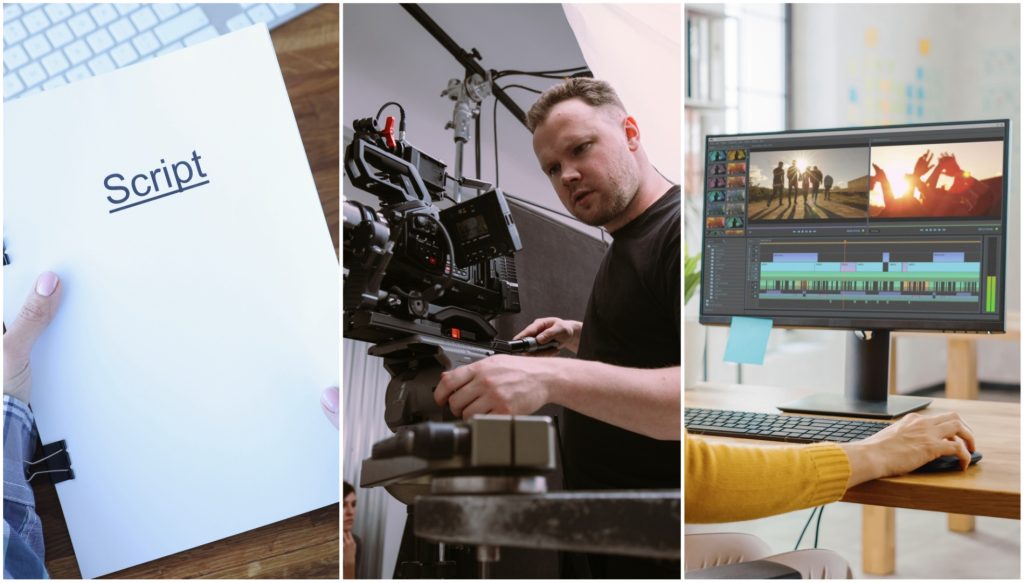
Successful video creation involves a blend of technical expertise and artistic flair. Important aspects to consider include the following:
- Storytelling: Crafting a compelling narrative is at the heart of effective video creation. For instance, successful creators like Casey Neistat often share personal anecdotes that resonate deeply with his audience, making them feel a connection to his life.
- Visual Style: Selecting visuals is crucial in amplifying the emotional impact of the story. Consider filmmakers like Wes Anderson, who employs unique color palettes and symmetrical compositions to evoke specific feelings and set a distinctive tone in his films.
- Performance: Learning how to deliver lines and emotions convincingly can dramatically enhance a video’s effectiveness. YouTube influencers such as Liza Koshy showcase the importance of physicality and comedic timing in performance, engaging viewers through their dynamic presentations.
When these elements are skillfully combined, they produce videos that are not merely watched but experienced on a deeper level. For creators in the United States, the ability to connect with a culturally diverse audience magnifies the importance of understanding regional trends and viewer preferences, such as the varying aesthetic tastes between urban and rural audiences.
Why Performance Skills Matter
Incorporating performance skills into video production can yield dynamic results along several dimensions. Key benefits include:
- Engagement: Creative performance captivates viewers, keeping them invested in the story. Engaging content encourages viewers to click ‘like’ or share, broadening the video’s reach exponentially.
- Memorability: Striking visuals and compelling performances create an experience that sticks in the mind. For example, memorable advertising campaigns, like Old Spice’s quirky commercials, often employ clever scripting and high-energy performances that resonate with audiences long after they’ve been viewed.
- Impact: The ability to deliver messages that resonate long after the video ends is paramount. Videos that evoke strong emotions can evoke empathy and create a call to action, as seen in viral charity campaigns and social justice movements that leverage storytelling to engage viewers meaningfully.
As the demand for quality video content continues to rise, especially on platforms like TikTok and Instagram, embracing these performance skills becomes essential for anyone looking to tell their story with style and impact. By investing time in honing these skills, creators can not only elevate their content but also become pivotal voices in the ever-evolving landscape of digital media.
DISCOVER MORE: Click here to uncover the art of personal storytelling
The Art of Storytelling Through Performance
At the core of impactful video creation is the undeniable importance of storytelling. The ability to narrate a story that resonates not just on the surface but deeply within the audience’s psyche is what separates remarkable videos from the mundane. Every great video begins with a relatable narrative. This could be a journey of self-discovery, a heartfelt message, or even a humorous tale. The key lies in identifying what connects you with your audience. Creators like Ava DuVernay exemplify this with her compelling documentaries, which not only tell stories but also inspire action and dialogue.
Crafting Engaging Narratives
To effectively craft narratives, consider incorporating the following elements into your framework:
- Character Development: Every story requires relatable protagonists. Whether through a scripted character or a creator’s candid moments, giving depth to individuals can foster connection. Documentaries such as “Won’t You Be My Neighbor?” about Mister Rogers illustrate how relatable personalities can evoke empathy and reflection.
- Conflict and Resolution: Every captivating video or film has elements of conflict. This could manifest as a problem, challenge, or emotional struggle. Successful creators like Michelle Phan have often showcased the arc of overcoming struggles in their beauty tutorials, resonating with viewers facing similar issues.
- Emotional Appeals: Emotion drives audience engagement. Videos that stir feelings of joy, sadness, or intrigue leave a lasting impact. Short films like “Piper” by Pixar have demonstrated that a well-crafted emotional appeal can captivate and remind audiences of the beauty of storytelling.
These narrative components are pivotal in shaping a viewer’s experience, making them feel a part of the story rather than just passive observers. Particularly in a diverse country like the United States, understanding nuances in storytelling that resonate with varied demographics amplifies the story’s reach. For instance, taking cultural contexts into account can enhance relatability, especially when targeting specific audiences across regional lines.
The Transformative Power of Visual Style
Beyond narrative, the visual representation of a story plays an essential role in its overall impact. Visual style encompasses the aesthetics including color, framing, and graphical elements which can set the tone and mood of the narrative being presented. Filmmakers like Jordan Peele have utilized unique aesthetic choices to enhance suspense and engagement in their horror films. This leads to the broader idea that what a creator chooses to visually present speaks volumes even before the narrative unfolds.
Furthermore, tapping into specific styles can foster brand recognition and audience expectations. Creators who consistently employ their identifiable visual styles establish a loyal viewer base. This relationship enhances the likelihood of content being shared across social media platforms, thus increasing visibility and impact.
As video content continues to evolve, marrying strong storytelling with visual techniques emphasizes the necessity of performance skills. By integrating these elements, creators can transform standard videos into narrative experiences that resonate, engage, and inspire audiences across the nation.
Enhancing Visual Storytelling Techniques
In the realm of video creation, mastering performance skills plays a pivotal role in crafting compelling visual stories. The ability to engage, inform, and influence audiences hinges on how well a creator can combine various elements of storytelling. From pacing to character development, every aspect must align harmoniously to capture the viewer’s attention.One critical skill is the use of body language and facial expressions. These non-verbal cues significantly enhance the emotional depth of a narrative. For instance, a subtle smile can convey warmth, while furrowed brows may indicate tension, reinforcing the underlying themes of the story. Creators should focus on their delivery, ensuring that their physical presence complements the storyline, drawing viewers into the narrative.Moreover, voice modulation is equally essential. Changes in tone, pitch, and volume can evoke different emotions and maintain audience interest. When creators effectively vary their vocal delivery, they can convey urgency, excitement, or introspection, all of which contribute to a more immersive viewing experience.In the digital age, understanding audience preferences is paramount. Contemporary viewers have varied tastes, influenced by social media and rapid consumption patterns. Therefore, creators must adapt their storytelling techniques to engage these diverse demographics. This involves not only the content but also the medium—leveraging platforms like TikTok for short-form narratives or YouTube for longer, more detailed explorations.The technical aspects of video production—such as lighting, editing, and sound—also contribute significantly to storytelling. Proper lighting elevates the visual quality, while a deft editing hand can create suspense or flow seamlessly from one scene to another. Sound design, including background music and sound effects, enriches the storytelling fabric, guiding audience emotions and responses.Ultimately, mastering the performance skills in video creation is about forging an authentic connection with the audience. By honing these skills, creators can ensure that their visual stories resonate, leaving a lasting impact that lingers well beyond the viewing experience.
| Performance Skills | Impact on Storytelling |
|---|---|
| Body Language | Enhances emotional depth and connection with the audience. |
| Voice Modulation | Conveys urgency, excitement, and emotion through vocal delivery. |
DIVE DEEPER: Click here to uncover more about teamwork in writing
Enhancing Video Engagement Through Performance Skills
A pivotal aspect of video creation is not only how well stories are told but also how they are performed. Performance skills encompass the delivery and presentation of the narrative, impacting viewer reception significantly. A captivating performance can elevate the narrative and make it more relatable and unforgettable. In this digital age where attention spans are fleeting, creators need to harness these performance skills to captivate their audience.
The Role of Authenticity in Performance
Authenticity is central to engaging performances. Audiences are increasingly discerning and they can easily differentiate between a genuine performance and one that feels contrived. Creators who embody their narratives with authenticity create an instant bond with viewers. For instance, YouTube personality Lilly Singh often shares her personal experiences intertwined with humor, allowing her authenticity to shine through. This relatability transforms her performances from mere content into shared experiences, drawing in audiences on a personal level.
Utilizing Body Language and Vocal Techniques
Body language plays a critical role in performance delivery. Posture, gestures, and facial expressions can enhance the emotional undertone of a narrative. Similarly, vocal techniques such as tone, pitch, and pace can also influence how a message is received. Studies show that viewers often rely on nonverbal cues to interpret emotions, making it imperative for creators to refine their performance skills. Creators like Binging with Babish leverage body language and vocal variations to create an immersive cooking experience that entertains and educates, ensuring that the audience remains engaged throughout.
Editing and Pacing: The Unsung Heroes
While performance skills greatly shape the delivery of a narrative, the impact of editing and pacing should not be underestimated. Thoughtful editing can augment performance by highlighting moments of tension, humor, or emotion. For example, rapid cuts can enhance the excitement of an action scene while long takes may underscore emotional weight. The 2019 film “Avengers: Endgame” masterfully exemplified the power of pacing and editing, allowing intense performances by the cast to resonate deeply with viewers through strategically crafted scenes.
Moreover, understanding pacing in the context of storytelling allows creators to draw viewers in and maintain engagement. For instance, digital platforms like TikTok thrive on short, impactful videos. The editing techniques used there require creators to be acutely aware of timing, ensuring that every second counts in holding the audience’s attention.
The Impact of Visual Aesthetics on Performance
Beyond narrative and performance skills, the visual aesthetics of a video can significantly influence how a story is perceived. The integration of colors, graphics, and lighting provides not only context but also emotional layers to narratives. Filmmakers like Wes Anderson are renowned for their distinctive visual styles—characterized by vivid colors and symmetrical compositions—that enhance the storytelling experience. Such styles can create an immediate recognizable factor, which in turn establishes a deeper connection with audiences.
Further, the use of visually stunning elements can transform ordinary narratives into extraordinary experiences. By combining engaging performances with compelling aesthetics, creators can ensure that their videos remain memorable, driving home the message in a manner that lingers long after the viewing experience has ended.
EXPLORE MORE: Click here to discover new ways to enhance your skills
Conclusion: The Future of Engaging Video Narratives
In the realm of video creation, performance skills serve as the backbone of impactful storytelling. As the demands of an evolving audience escalate, the ability to deliver narratives with authenticity, charisma, and emotional heft has never been more crucial. Creators who invest in honing these performance skills not only capture attention but also nurture profound connections with their viewers.
Moreover, the integration of visual aesthetics alongside refined performance techniques amplifies the storytelling experience. The artistic choices such as color, composition, and pacing are vital, as they shape the viewer’s emotional journey. As we have seen with renowned filmmakers and digital content creators alike, blending performance with visual flair makes stories resonate in an oversaturated market.
As we venture further into the digital landscape, emerging platforms and evolving technology present new avenues for storytelling. Creators must be agile, continually adapting their performance skills to meet the nuances of varied formats—from short viral clips to lengthy documentaries. The crux of compelling video lies in the connection forged between the creator and the audience, and this is achieved through a seamless synthesis of performance, editing, and aesthetics.
Ultimately, the journey of a video creator is one of continual learning and evolution. By embracing the importance of performance skills in conveying visual stories, creators not only elevate their craft but also ensure that their narratives resonate powerfully and lastingly in the minds of their audience.