Performance Skills in Fashion: The Catwalk as a Stage for Creativity
The Catwalk as a Performance Space
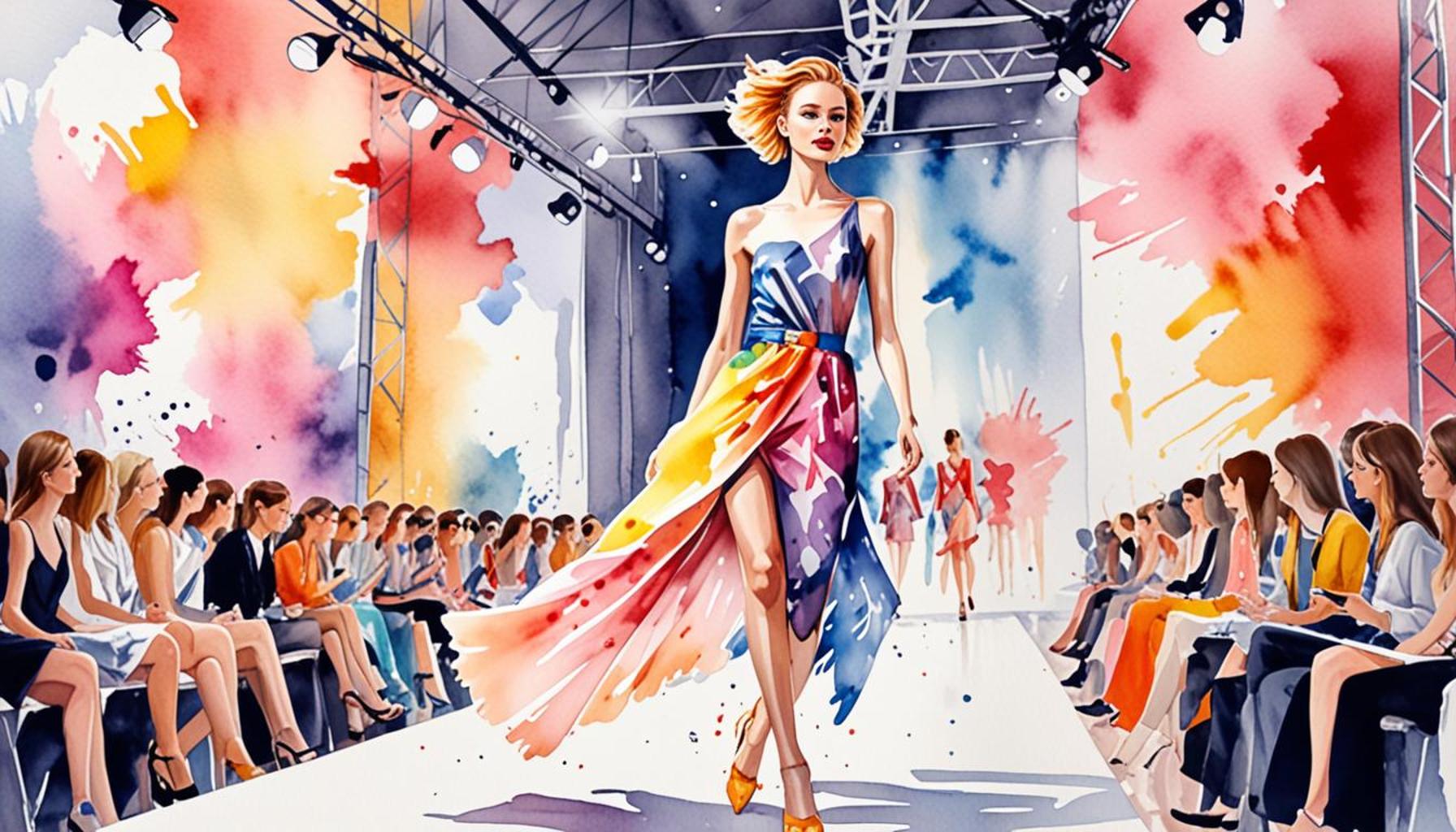
The catwalk serves as more than just a simple pathway for models; it functions as a vibrant stage for creativity and expression. This essential component of the fashion industry transforms the act of modeling into a multifaceted performance that captivates audiences and embodies artistic visions. The combination of performance skills enhances the overall impact of fashion shows, offering an experience that extends beyond the garments themselves.
Body Language
Body language is perhaps one of the most critical elements of performance on the runway. A model’s posture, gait, and facial expressions play a vital role in projecting confidence and poise, thereby translating the designer’s vision effectively. For example, models are often trained to maintain a high chin and strong shoulders while walking, which not only showcases the clothing in the best possible light but also communicates a sense of self-assuredness that resonates with the audience. Well-executed body language can turn a simple outfit into a powerful statement, drawing attention to the intricacies of design and craftsmanship.
Character Portrayal
The art of character portrayal allows models to embody various themes and emotions, adding depth to the narratives that fashion shows often seek to convey. From avant-garde collections that challenge societal norms to romantic themes that evoke nostalgia, models are expected to embrace their roles fully. For example, during a recent New York Fashion Week, a designer drew inspiration from the natural world, and models were encouraged to personify elements of nature, moving fluidly to represent the breeze or the flow of water. Such portrayals deepen the audience’s connection to the collection, making them feel as though they are part of a live story being told through fabric and movement.
Movement and Choreography
Movement and choreography are also essential in creating a cohesive and compelling experience on the runway. The incorporation of choreographed sequences can elevate the presentation to new heights, turning it into a rhythmic spectacle. Renowned choreographer Rachael Sage, for example, has worked extensively with fashion designers to produce runway shows that blend contemporary dance with fashion, showcasing both garments and artistic expression. This collaboration enhances the visual experience, transforming the runway into a storytelling arena that captures the audience’s imagination.
The Impact of Performance Skills
The implications of these performance skills go beyond the immediate aesthetic. Fashion showcases evolve into immersive experiences where various elements intertwine to create a cohesive whole. The integration of visual art can be seen through the meticulous planning of attire, makeup, and lighting to create atmospheric effects. For instance, using colored lighting in synchronization with the models’ movements can shift the audience’s emotions dramatically, setting specific tones for different parts of the show.
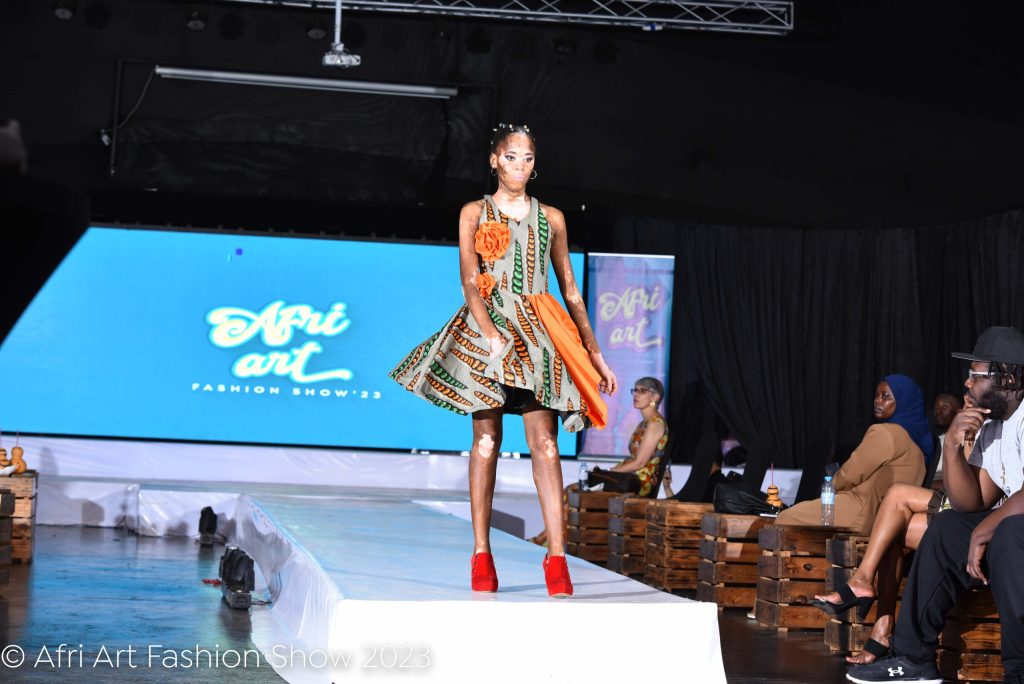
Cultural expressions also play a pivotal role in fashion. Designers often draw on their cultural backgrounds, which are reflected in the performances on the runway. Models representing diverse heritage bring uniqueness and richness to the event, allowing various cultures to be honored and celebrated through visual artistry. This inclusivity not only enriches the fashion community but also helps foster greater appreciation among audiences.
Ultimately, the development of audience engagement is vital in the world of fashion. When models successfully leverage their performance abilities, they create memorable moments that resonate with viewers. The connection forged during a fashion show can translate into increased brand loyalty and admiration when the audience relates to the artistry presented. As we continue to explore the significance of performance skills in the fashion arena, it becomes increasingly clear that the catwalk is indeed a canvas where creativity comes to life, offering endless opportunities for innovation and expression.
DISCOVER MORE: Click here to learn about the significance of craft activities
Elevating the Narrative: Emotional Depth and Expression
In the realm of fashion, the runway is not merely a platform for displaying garments; it is an emotional landscape where models engage in dynamic storytelling. The interplay between emotional depth and performance skills allows the audience to experience more than just the visual appeal of the clothing. Each model becomes a conduit through which the designer’s vision is brought to life, wielding their emotions as powerful tools to enhance engagement with the audience.
Emotional Connection
Emotional connection is essential in crafting a memorable fashion experience. Models are trained to tap into their own emotions, expressing nuanced feelings through their walks and facial expressions. This authenticity resonates with viewers, turning them from passive observers into active participants within the story being told. For instance, during a recent showcase for a local designer in Los Angeles, models projected feelings of empowerment and confidence through subtle yet impactful changes in their expressions, capturing the essence of the collection centered around female strength.
The Role of Styling in Performance
The art of styling also plays a significant role in amplifying a model’s performance. Each outfit is carefully curated not only to reflect the designer’s theme but to evoke specific sentiments. Accessories, makeup, and even hairstyling contribute to the overall impact. A fashion show in Miami exemplified this, as models donned vibrant, flowing garments complemented by striking makeup that reflected the collection’s tropical inspiration. The fusion of these elements helped to elevate the performance, allowing the audience to feel the warmth of the sun and breeze, transported to a beach locale even within the confines of a venue.
Strategic Use of Music
Music serves as another essential performance element in fashion shows, setting the mood and tempo of the event. The right sound accompanies the models as they navigate the runway, enhancing both their movements and the emotional narrative of the presentation. Fashion weeks around the world often feature original scores or curated playlists that align seamlessly with the collection being showcased. This synchronicity creates a rhythmic flow that captivates the audience’s senses and amplifies their emotional investment in the experience.
Interactivity and Audience Engagement
The modern fashion show also embraces interactivity, inviting audience participation to further elevate the narrative. Creative directors are increasingly incorporating elements that engage viewers beyond passive observation—think augmented reality experiences or live social media interactions during the show. These innovative strategies encourage attendees to immerse themselves in the performance and share their experiences live, thereby building a community around the event.
- Creating emotional narratives through performance
- Harnessing the power of styling to enhance storytelling
- Utilizing music to set the tone and tempo
- Encouraging audience interactivity for deeper engagement
As we delve deeper into the importance of performance skills in fashion, it becomes evident that the catwalk serves as a dynamic canvas where creativity flourishes in various forms. The blending of emotional expression, styling, music, and interactivity not only enriches the runway experience but also furthers the relationship between designers and their audience, transforming every show into a cherished event within the fashion community.
| Advantage | Description |
|---|---|
| Enhanced Creativity | The catwalk acts as a platform that enables designers and models to showcase their creativity through dynamic performances, transforming static clothing into living art. |
| Audience Engagement | By incorporating performance skills, shows become immersive experiences, captivating audiences and evoking emotional responses that static presentations struggle to achieve. |
When considering the performance skills in fashion, one must recognize the significance of translating garments into an engaging narrative on stage. The intersection of movement and creativity thrives in an environment where models bring garments to life through their style and grace on the catwalk. Each stride and pose matters, creating a distinct connection between the designer’s vision and the viewer’s perception.Moreover, the catwalk as a stage for creativity fosters an avenue for cultural expression and narrative storytelling that resonates beyond the collection itself. Designers often utilize theatrical elements, lighting, and sound to evoke atmosphere, driving the fashion narrative deeper into the audience’s consciousness. This not only enhances the overall fashion experience but challenges the traditional boundaries of fashion as a mere function of utility, inviting spectators into a realm of artistic exploration.Ultimately, the blend of fashion and performance arts emerges as a dynamic field, encouraging both artists and viewers to embrace the limitless possibilities found in creativity on the catwalk. As this evolution continues, it is crucial to explore how these skills can influence trendsetting in the industry, impacting how fashion is perceived, experienced, and celebrated.
DISCOVER MORE: Click here to learn about the transformative power of visual arts
Choreography in Motion: The Dance of Fashion
The runway has evolved beyond simple walks and poses; it is now a domain of choreography that intertwines fashion and movement. Fashion designers and choreographers collaborate to construct an immersive visual experience, transforming the catwalk into an artistic expression where every step and gesture is meticulously planned. This choreography is designed to showcase the garments in their best light, but it also introduces an element of performance that captivates the audience and heightens their emotional engagement.
Fluidity of Movement
The fluidity of movement is fundamental to executing a successful runway show. Models undergo rigorous training not only in their walk but also in how to embody the essence of the collection through their gestures and expressions. For instance, a collection focused on the theme of nature might feature models who move with grace, emulating the softness of a breeze or the flow of a river. This synthesis of movement and fashion creates a mesmerizing rhythm that resonates with the audience, allowing them to connect with the vision on a deeper level.
Spatial Awareness and Direction
Each fashion show also demands an acute sense of spatial awareness. Models must be aware of their surroundings as they engage with the audience and the layout of the runway. This skill is crucial in translating a designer’s vision into a cohesive presentation. Well-structured shows often include distinctive angles, turns, and dramatic pauses, strategically allowing the audience to absorb each look. A notable example is the recent Versace show during Fashion Week, where models utilized the entire width of the runway, delivering impactful poses at key moments to emphasize the collection’s boldness.
Innovative Use of Technology
As we advance into an era marked by rapid technological innovation, fashion shows are beginning to integrate technological elements that complement traditional performance skills. Designers are exploring the use of digital displays, virtual reality, and even 3D elements that augment the catwalk experience. When Balenciaga showcased its futuristic collection using a blend of live models and augmented reality projections, it redefined what audiences could expect from a fashion show. This merging of technology expands the creative horizons and enriches the story being told, allowing viewers to experience a multisensory journey.
Identity and Cultural Expression
Fashion, acting as a mirror to society, often reflects cultural identities and expressions. Models are encouraged to embrace their unique backgrounds and infuse them into their performances. This authenticity presents a more profound narrative that resonates with diverse audiences. By showcasing individual styles and cultural influences, fashion shows contribute to the broader conversation about representation and inclusion within the industry. An example of this approach can be seen in the diverse line-up at the Savage X Fenty shows, where models of various backgrounds showcased the brand’s ethos of inclusivity and self-expression.
- Incorporating choreography to elevate runway presentations
- Emphasizing fluidity and spatial awareness in movement
- Integrating innovative technology for a richer experience
- Celebrating identity and cultural expressions through fashion
The synergy between performance skills and the theatrics of the catwalk emphasizes how fashion extends beyond the garments themselves. By fusing choreography, technology, and cultural narratives, designers and models together choreograph a powerful dance of creativity that solidifies the runway as not just a stage for clothes, but as a cultural phenomenon that continues to evolve and inspire.
DIVE DEEPER: Click here to uncover more insights
Conclusion: The Catwalk as a Canvas of Creativity
The intersection of performance skills and fashion on the catwalk has transformed runway shows into breathtaking celebrations of creativity and artistry. No longer a mere display of garments, the catwalk serves as a multifaceted stage where choreography, movement, and technology converge to tell compelling stories. By studying the fluidity of movement and honing their spatial awareness, models elevate the visual narrative, creating an immersive experience for the audience that transcends traditional fashion presentations.
As designers explore innovative use of technology, such as augmented reality and interactive elements, they enhance engagement, inviting attendees into a deeper interplay with both the designs and the performance itself. This evolution reflects broader cultural conversations, where the representation of diverse identities adds profound layers that resonate with global audiences. The recent showcases that emphasize individuality and cultural expression, such as those seen in the Savage X Fenty shows, spotlight the power of fashion to embrace and celebrate uniqueness.
Ultimately, the catwalk has emerged as a vital platform for artistic expression, continually pushing the boundaries of creativity. As we look to the future, it is clear that the marriage of performance skills and fashion will not only redefine the industry but will also inspire dialogue and connection among spectators. The catwalk is not just a showcase; it is a dynamic playground for creativity that can transcend cultural and societal barriers, shaping the very essence of fashion as we know it.