The intersection of art and science: how artists are collaborating with scientists to explore new forms of creative expression
Innovation Through Interdisciplinary Collaboration
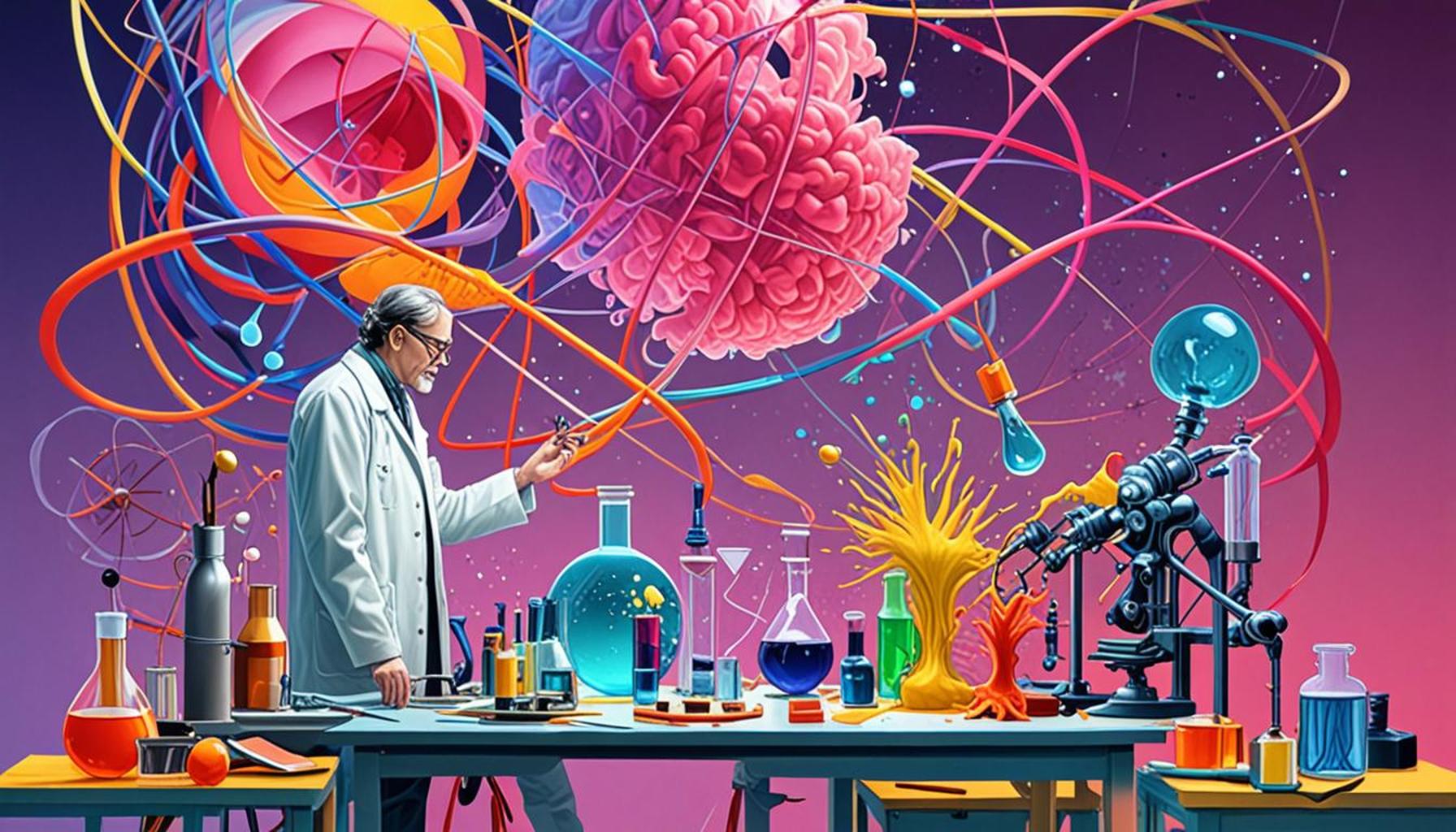
In an age where innovation and imagination collide, the boundaries of art and science are blurring in captivating and unexpected ways. Today, artists and scientists engage in dynamic collaborations that leverage their distinct yet complementary forms of expertise—resulting in groundbreaking works that not only challenge traditional norms but also foster a deeper understanding of both fields. The synergy formed by these interactions enriches cultural dialogue and evokes a reconsideration of how we define creativity.
For example, one stunning manifestation of this collaboration is the emergence of multimedia installations that incorporate scientific data visualization. Artists harness data to create immersive visual experiences that communicate research findings in impactful ways. An example can be seen in projects like “The Data Lab,” where artists depict climate change data through interactive visuals that change as viewers engage with them—making the experience both informative and emotionally resonant.
Another innovative field is bioart, which pushes the limits of artistic expression by using living organisms as mediums. Artists like Eduardo Kac have pioneered works that fuse biotechnology with creative exploration, such as Kac’s “GFP Bunny,” which involved creating a genetically modified rabbit that glows in the dark. This art form ignites conversations about genetic engineering, ethics, and the role of biology in art, inviting audiences to reflect on the implications of such technology.
Soundscapes represent another exciting convergence of art and science. Artists translate complex scientific phenomena into auditory experiences that can be felt as much as they are heard. For instance, sound artist Bernie Krause captures the subtle sounds of natural environments, making the audience aware of ecological changes—these compositions facilitate a deeper connection to nature and promote awareness of environmental issues. Such projects exemplify how art can be a vehicle for advocacy and education.
Through the application of advanced technologies such as AI, VR, and genetic engineering, artists are not merely producing new forms of art; they are revolutionizing the creative process itself. Conversely, scientists benefit significantly from the creative problem-solving approaches that artists offer, affording them fresh perspectives on complex challenges. This collaborative spirit is evident in institutions like MIT’s Media Lab, which pioneers interdisciplinary work where art and science coalesce to drive innovation.
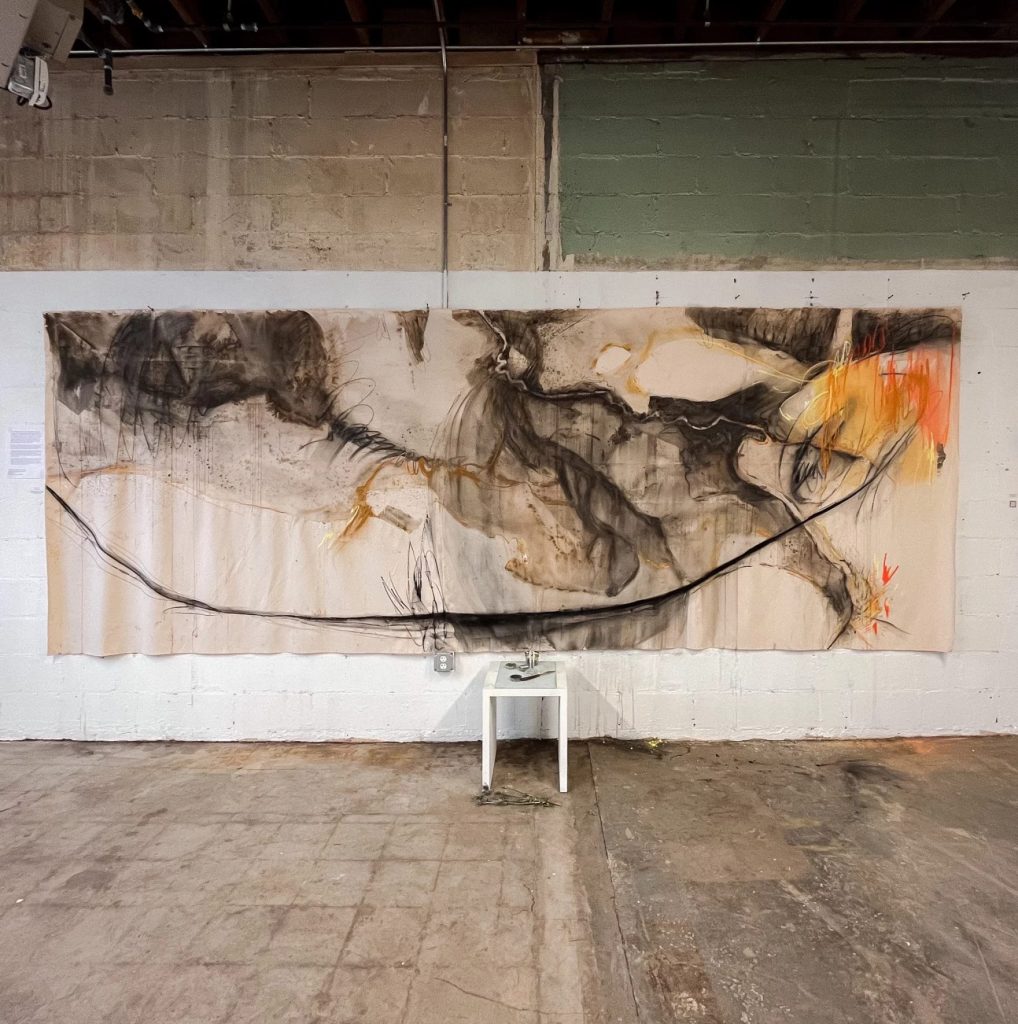
As this exciting intersection continues to evolve, it invites us to ponder important questions: How can the fusion of art and science challenge our perceptions of the world around us? What can we learn from these collaborations that transcend traditional boundaries? By exploring the intersections of these fields, we open ourselves up to new ideas, perspectives, and avenues of thinking that can inspire future generations. Let us delve deeper into this extraordinary realm where creativity flourishes at the crossroads of rigorous inquiry.
DISCOVER MORE: Click here to enhance your skills
Creative Collaborations: Exploring New Frontiers
The intersection of art and science is not just a novel endeavor; it represents a transformative shift in how we understand and engage with both domains. Artists and scientists are increasingly finding common ground through collaborative projects that challenge their individual practices while igniting new possibilities for expression. From avant-garde exhibitions to research-based installations, these partnerships are pioneering innovative approaches to both art and scientific inquiry.
One notable arena of collaboration is the development of scientific art projects that seek to raise awareness of pressing global issues. Artists like Agnieszka Kurant blur the lines between artistic creation and scientific research, utilizing concepts from fields such as artificial intelligence and ecology to produce works that comment on the impact of technology on society. For instance, Kurant’s project “The Invisible Hand” investigates economic theories by visually representing the flows of capital and resources through digital media, encouraging viewers to reconsider how these systems influence human behavior.
Such partnerships often leverage unique methodologies that enrich both scientific and artistic outputs. Below are a few ways artists and scientists are collaborating:
- Data-Driven Art: Artists are harnessing big data and advanced analytics to create pieces that vividly illustrate scientific findings. Their work translates complex datasets into visual formats that are accessible to broader audiences.
- Interactive Experiences: Scientists and artists develop immersive installations that engage the public, allowing participants to explore concepts like climate change and biodiversity through touch, sound, and movement.
- Public Engagement: Collaborative presentations often expand beyond galleries, involving communities in the research process. Initiatives like the National Institutes of Health’s artist-in-residence programs aim to promote dialogue about health and wellness through creative expression.
Furthermore, the rise of digital platforms has amplified the reach of these collaborations. Online exhibitions and virtual reality experiences allow audiences worldwide to experience interactive artistic endeavors that blend scientific concepts with innovative technology. For instance, pioneering platforms like Google Arts & Culture host projects that merge art and science, enabling users to explore themes such as biodiversity, genetics, and physics through engaging narratives and stunning visuals.
In an era ripe for exploration, the collaboration between artists and scientists is giving rise to a new creative canon—one that compels audiences to synthesize emotions with empirical evidence, rekindling the appreciation for both disciplines. This creative fusion presents potent opportunities to foster understanding and inspire action on critical global challenges. As we navigate through their complex world, the results of this collaborative spirit continue to unfold, urging us to consider how we might redefine our approaches to both innovation and aesthetic inquiry.
| Collaboration Type | Impact on Creative Expression |
|---|---|
| Interdisciplinary Workshops | These workshops foster innovative ideas where artists and scientists brainstorm and prototype new projects. |
| Research Grants for Art and Science Projects | Funding supports groundbreaking works, allowing deeper exploration of themes linking creativity with scientific inquiry. |
| Art Installations in Scientific Spaces | Integrating art into laboratories and research centers inspires scientists and the public to see science through a creative lens. |
One significant way artists and scientists come together is through interdisciplinary workshops. These events not only facilitate the exchange of ideas but also lead to the creation of experimental art forms that challenge traditional artistic boundaries. When artists engage with scientific methodologies, they often generate unique insights into the natural world, which can be visually represented in new and engaging ways.Another avenue is the availability of research grants specifically aimed at art and science collaborations. Such funding plays a crucial role in empowering creative professionals to pursue ambitious projects that integrate complex scientific concepts into their work, offering fresh perspectives on societal issues, environmental sustainability, or technological advancements.Additionally, the installation of artwork within scientific spaces reinforces the connection between the two fields. Art in laboratories can serve as a source of inspiration, helping scientists tap into their creative potential while simultaneously inviting the public to appreciate the beauty of scientific discovery.As these collaborations evolve, the convergence of art and science continues to produce extraordinary results, pushing the limits of creative expression.
DISCOVER MORE: Click here to learn how creative hobbies boost your performance skills</a
Innovative Techniques and Transformative Spaces
The collaboration between artists and scientists extends beyond thematic explorations; it also encompasses new techniques and modalities that redefine creative expression. An increasing number of projects blend cutting-edge technology with artistic vision, resulting in immersive experiences that captivate audiences while conveying profound scientific insights. These innovative techniques serve to challenge conventional boundaries, inviting participants to engage with both art and science in unexpected ways.
One remarkable example of this fusion is the use of biotechnology in artistic practices. Artists like Heather Barnett are utilizing living organisms as mediums in their work. Barnett’s project “Living Art” employs bacteria to create intricate patterns and designs that evolve over time, allowing for a dynamic exploration of life sciences. This method raises profound questions about the role of the artist in the age of bioengineering, opening avenues for dialogue about ethics, sustainability, and the future of creativity.
Moreover, the incorporation of augmented reality (AR) and virtual reality (VR) technologies has revolutionized how people engage with art and scientific concepts. Projects like “The Wild Immersion” use virtual reality to transport audiences into the habitats of endangered species, seamlessly merging art with environmental science. This approach challenges viewers’ perceptions and increases empathy towards wildlife, encouraging action towards conservation efforts. AR installations, meanwhile, add layers of information to physical artwork, allowing visitors to dynamically interact with scientific narratives through their devices, thereby deepening their understanding.
As artists and scientists continue to collaborate, they are also redefining the spaces in which art is experienced. Traditional galleries and museums are expanding their roles to become incubators for multidisciplinary projects. Institutions such as the Smithsonian’s National Museum of Natural History have embarked on initiatives that feature art-science hybrid exhibitions, like “Nature’s Best Photography,” which highlights the relationship between biodiversity and human perspectives. The engaging nature of these installations not only draws in diverse audiences but also sparks conversations about the role of science in society, transforming onlookers into active participants in the dialogue.
Education is another frontier where the intersection of art and science is making significant inroads. Programs such as ArtScience Labs implement interdisciplinary curricula designed to inspire the next generation of innovators. Through hands-on workshops, students from various backgrounds explore the processes of creation, tapping into their scientific understanding while expressing their ideas through artistic mediums. This integration promotes a collaborative mindset that is essential for tackling 21st-century challenges.
Furthermore, the embrace of open science principles within this collaborative framework encourages transparency and accessibility. Projects such as “SciArt Exchange” are creating platforms that connect artists with scientific researchers, emphasizing the sharing of knowledge and resources. This demystification of science enhances public engagement, as artists translate complex research into enlightening artistic narratives that resonate with diverse audiences.
The intersection of art and science is rapidly evolving, and the possibilities are boundless. The creativity sparked through these collaborations reveals the potential for transformative experiences, illuminating the vital connections between artistry and scientific inquiry. As this movement continues to gain momentum, it is clear that the future of creative expression lies at the crossroads of innovation, imagination, and inquiry.
DIVE DEEPER: Click here to discover the transformative power of music
Conclusion: A New Era of Creative Exploration
The dynamic synergy between art and science signifies a transformative shift in how we perceive creativity and innovation. As evidenced by various pioneering collaborations, the integration of biotechnology, augmented reality, and virtual reality not only enhances artistic expression but also invites deeper engagement with scientific concepts. This synthesis fosters an environment where barriers dissolve, allowing audiences to experience science as an emotional and relatable pursuit rather than a mere accumulation of data.
Moreover, institutions are increasingly embracing this hybrid model, expanding their roles as facilitators of multidisciplinary dialogues. By offering platforms that champion the collaboration of artists and scientists, they nurture not only the exploration of ideas but also a sense of shared responsibility toward critical global issues, such as environmental conservation and public understanding of scientific research.
As we navigate through the complexities of the 21st century, the importance of such collaborations cannot be overstated. They serve as a reminder that creativity is not confined to traditional realms but can be a powerful tool for addressing contemporary challenges. By capturing the intersection of art and science, we not only celebrate the richness of human expression but also embrace a holistic understanding of the world that encourages curiosity and empathy. Moving forward, this alliance holds the promise to illuminate the unseen connections in our lives, urging us to engage as active participants in both artistic and scientific endeavors. The path ahead may be uncharted, but it is undoubtedly ripe with potential for discovery and innovation, inviting us all to explore.