The impact of local artistic communities on talent development and social cohesion
Understanding the Role of Artistic Communities in Society
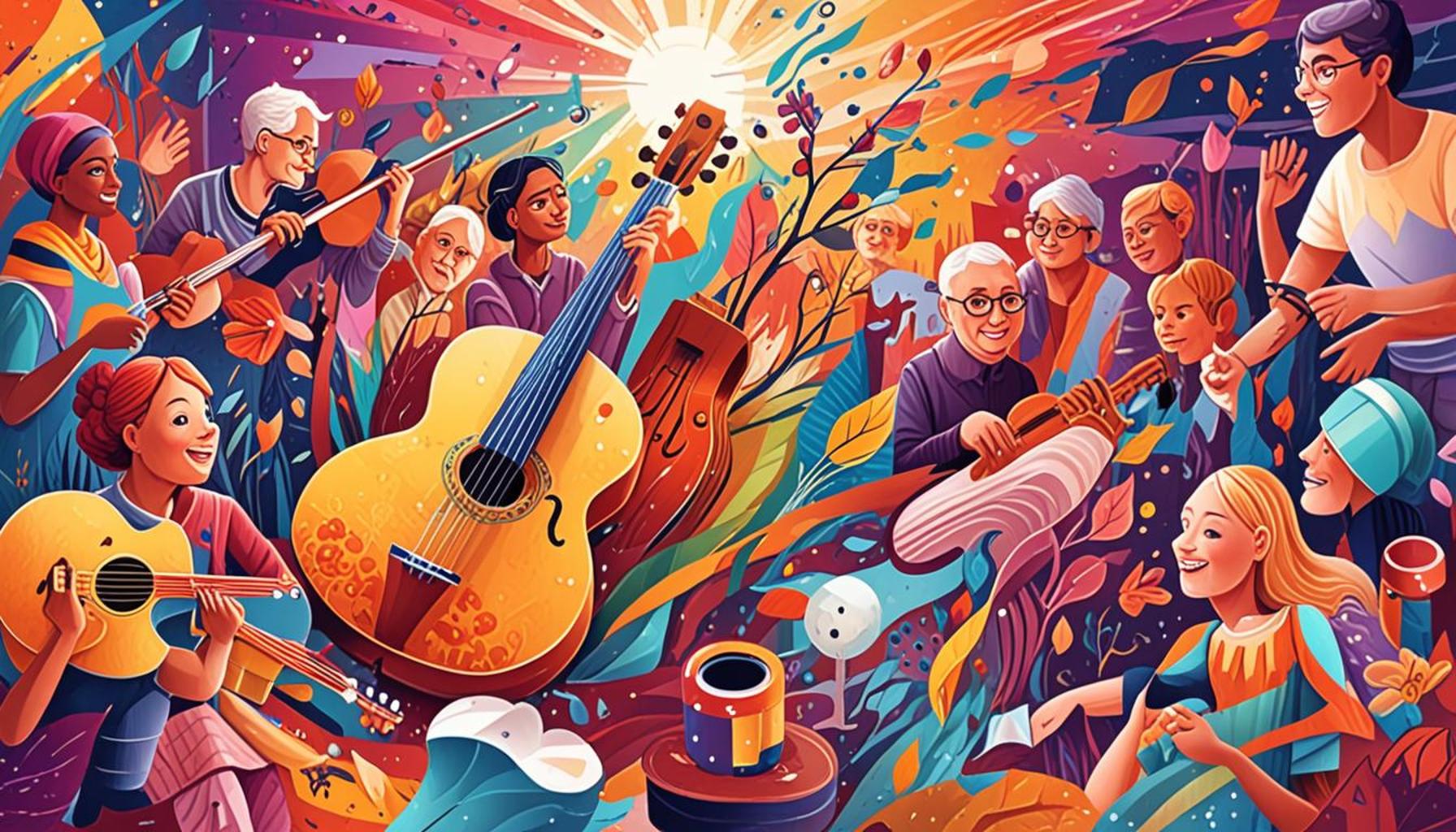
Artistic communities serve as crucial pillars in the development of individual talent while simultaneously fostering collective social cohesion. These networks of creativity not only promote artistic expression but also create environments rich in collaboration and support, essential for artists, musicians, and performers looking to make their mark. In the United States, this influence is evidenced in diverse forms—from thriving local galleries to vibrant street art collectives—each contributing uniquely to the cultural tapestry of their regions.
Nurturing Talent
Local art programs, galleries, and workshops act as incubators for talent, providing critical resources and support to artists at various stages of their careers. For example, community workshops in cities like Portland and Chicago offer aspiring artists access to mentorship and technical skills training, enabling them to refine their craft. Organizations such as the National Endowment for the Arts provide funding opportunities that facilitate local art initiatives, which can lead to the discovery of emerging talents. Additionally, initiatives like open mic nights or showcase events give artists a platform to expose their work to broader audiences, which enhances their visibility and opportunities within the industry.
Building Connections
The power of collaborative projects and community events in artistic communities cannot be overstated. These activities help link individuals from diverse backgrounds, fostering a sense of belonging and shared purpose. For example, neighborhood mural projects not only beautify urban environments but also engage residents in the artistic process, allowing them to contribute ideas and labor. This collaboration often results in art that reflects the local identity and history, forging deeper connections among residents and instilling a sense of pride in their surroundings.
Promoting Engagement
Artistic endeavors also encourage community participation, transforming passive spectators into active contributors in cultural dialogues. Activities such as community theater productions or local music festivals invite residents to engage with art in meaningful ways. Research indicates that when individuals participate in creative projects, they are more likely to become involved in other civic activities, leading to stronger communal bonds and enhanced societal well-being. This engagement is critical, particularly in areas facing social challenges, as artistic expression allows communities to address these issues constructively.
Moreover, local artistic endeavors often serve as a living archive of cultural heritage, preserving stories that resonate across generations. This interplay between talent development and social cohesion unveils the profound effects these artistic communities have on societal dynamics. They not only celebrate individual creativity but also strengthen the fabric of society. As we explore this concept in greater detail, we will delve into specific examples and data illustrating how artistic communities contribute to both personal growth and communal interconnectedness.
DIVE DEEPER: Click here to explore the impact of cultural trends on art</a
The Ripple Effect of Artistic Communities
The influence of local artistic communities extends beyond their immediate surroundings, creating a ripple effect that touches various aspects of society. These artistic networks become channels for cultural exchange, identity formation, and economic development, all while nurturing individual talent. Communities that actively support artistic initiatives often witness substantial growth not only in the arts but also in education, local businesses, and even job creation.
Economic Benefits of Local Art Initiatives
When artistic communities thrive, they can significantly contribute to the local economy. Art galleries, theaters, and performance spaces attract both residents and visitors alike, bolstering tourism and generating revenue for local businesses. According to the American for the Arts organization, the arts industry generates over $877 billion annually, providing millions of jobs nationwide. This financial infusion sponsors further artistic projects and creates additional opportunities for local talents.
Fostering Inclusivity and Diversity
Artistic communities are renowned for their capacity to bring together individuals from varied backgrounds. This inclusivity fosters an environment where distinct voices can coexist, driving innovation and creativity. Programs such as the Community Arts Development initiative in Los Angeles highlight how art can bridge cultural gaps and empower traditionally marginalized groups. By showcasing diverse narratives through performance art, visual exhibitions, and music, communities become vibrant hubs of cultural expression.
Unique Contributions of Community Spaces
Community art spaces play a vital role in the development of talent and social cohesion. These hubs serve as meeting points for artists, enthusiasts, and residents, vitalizing neighborhood engagement through:
- Workshops: Hands-on classes that teach everything from painting techniques to music production.
- Collaborative Projects: Joint ventures that encourage teamwork and co-creation among local artists.
- Exhibitions and Performances: Platforms for emerging artists to display their works to a wider audience.
Engaging in such activities fosters not only the growth of individual talent but also cultivates appreciation and support for local art forms.
A Platform for Dialogue and Change
Local artistic communities also act as platforms for discourse, encouraging conversations about pressing social issues. Through art, communities can voice concerns regarding social justice, environmental impacts, and local governance. Initiatives like the Public Art Program in New York City exemplify how art can provoke thought and inspire action within communities. Artists use their work as a mechanism to initiate discussions on topics that matter to their neighborhoods, thereby spurring collective engagement and change.
In summary, local artistic communities are instrumental in developing talent and fostering social cohesion. By providing an array of supportive programs, they elevate individual creative endeavors while simultaneously addressing broader societal issues. As we further explore the intricate relationship between art and community, we will uncover poignant examples that highlight the transformative power of artistic expression in promoting inclusivity and driving positive change.
| Key Aspect | Influence on Community |
|---|---|
| Collaboration Opportunities | Artistic communities foster collaboration among local artists, musicians, and creators, enhancing innovation and creativity. |
| Cultural Exchange | Engagement in local art activities promotes cultural exchange, deepening mutual understanding and strengthening social bonds. |
| Talent Development | Local artistic networks provide mentorship opportunities and resources, empowering emerging talent and enhancing skill development. |
| Social Inclusion | Artistic initiatives promote social inclusion, engaging various social groups and elevating marginalized voices within communities. |
The impact of local artistic communities extends into development realms that shape both talent growth and enhance social cohesion. Such communities serve as a platform for artists to connect and collaborate, fostering an environment ripe for creative synergy. By offering collaboration opportunities, talents within local artistic enclaves are encouraged to innovate and experiment, producing a rich tapestry of cultural expression.Cultural exchange emerges as a vital facet, where diverse backgrounds converge, leading to an enriched sense of community. From collaborative festivals to community-driven art projects, these interactions encourage deeper understanding and appreciation among residents.Moreover, local artistic groups actively contribute to talent development. Through organized workshops and mentorship programs, they equip aspiring artists with the necessary skills and exposure to thrive in their crafts. This not only nurtures individual talents but also perpetuates a cycle of creative output beneficial to the entire community.Additionally, social inclusion is a fundamental outcome of artistic initiatives. By engaging diverse populations, these communities amplify marginalized voices, ensuring a more equitable representation within the local culture. Such inclusive practices not only enhance social ties but also create a more vibrant and resilient community fabric. As the influence of local artistic communities grows, their role in talent development and building social cohesion becomes increasingly critical.
DISCOVER MORE: Click here to find out how
Art as a Catalyst for Community Empowerment
Artistic communities serve not only as creative outlets but also as powerful tools for community empowerment. By providing resources and support for budding artists, these communities instill a sense of ownership and pride among local residents. Access to artistic education nurtures talent from an early age, instilling resilience and discipline while honing essential skills. Educational programs in schools, combined with partnerships between local artists and educators, can lead to enhanced curriculum designs that incorporate arts-based learning. For instance, initiatives in places like Chicago focus on integrating art with STEM—science, technology, engineering, and mathematics education—known as STEAM, which has shown remarkable results in engaging students and improving academic performance.
The Role of Art in Healing and Recovery
Local artistic communities also play a crucial role in healing and recovery processes, particularly in areas affected by trauma or socio-economic challenges. Art therapy programs have emerged as viable interventions in mental health initiatives across the United States. By utilizing art as a medium for expression, individuals are often able to confront feelings and emotions that may be difficult to articulate otherwise. Institutions such as the Institute of Contemporary Art in Philadelphia have implemented programs that specifically target underserved populations, providing them with a voice and a platform to express their experiences through creative means.
Interdisciplinary Collaborations and Innovation
In addition to their foundational role, artistic communities often engage in interdisciplinary collaborations that yield innovative projects. For instance, partnerships between artists and local scientists can result in groundbreaking social and environmental initiatives that not only promote artistic expression but also address pressing issues such as sustainability and urban development. A notable example is the Arts and Sciences Collaboration project in Portland, Oregon, where artists and scientists work hand-in-hand to create installations that raise awareness about climate change while engaging the public in environmental advocacy.
Enhancing Civic Engagement Through Art
Moreover, local artistic communities foster greater levels of civic engagement and participation within neighborhoods. Events such as public festivals, art fairs, and open-mic nights encourage residents to come together, share ideas, and forge connections, ultimately creating a vibrant social fabric. The First Fridays initiative in Philadelphia exemplifies this, where galleries and shops host events each month, transforming the city into a lively network of cultural exchange. Such events provide a space for locals to engage in dialogue about community development, showcasing the arts as a vehicle for social change.
Measuring the Impact of the Arts
Understanding the full impact of local artistic communities necessitates empirical assessment. Various studies illustrate the connection between community arts participation and its effects on social cohesion and individual well-being. The National Endowment for the Arts (NEA) funds research that consistently highlights how engagement in the arts correlates with increased community involvement, reduced crime rates, and improved mental health outcomes. This data not only underscores the importance of supporting local artists but also demonstrates how the arts can catalyze broader social transformation.
As we delve deeper into the tapestry of local artistic communities, we uncover the intricate and often underappreciated roles they play in shaping our society. By nurturing talent, empowering individuals, and driving collective progress, these artistic hubs have proven themselves to be indispensable assets to the communities they inhabit.
DISCOVER MORE: Click here to dive deeper
Conclusion: The Transformative Power of Local Artistic Communities
The exploration of local artistic communities reveals their profound impact on both talent development and social cohesion. These communities are not merely hubs for creativity; they are dynamic platforms that empower individuals and foster connections. By providing access to artistic education and facilitating collaboration, they equip emerging artists with the necessary skills to thrive, thus contributing to a vibrant cultural landscape.
Moreover, the role of art in healing and recovery cannot be overstated. Through programs centered around art therapy, these communities provide critical support to individuals facing trauma or socio-economic hardships. This creates a strong foundation for emotional expression and community resilience. Initiatives that marry art with scientific exploration further exemplify the potential for innovation, addressing social and environmental issues through creative solutions.
Furthermore, local artistic events enhance civic engagement, bringing residents together, sparking dialogues about communal identity, and ultimately fostering a sense of belonging. The measurable positive effects of participating in the arts — from reduced crime rates to improved mental health outcomes as indicated by the National Endowment for the Arts — establish a compelling case for ongoing investment in these communities.
In conclusion, as we acknowledge the far-reaching benefits of local artistic communities, it becomes evident that they are vital to nurturing a society that values creativity, fosters talent, and builds stronger bonds among its members. To truly harness this transformative power, continued support and engagement with local art initiatives is essential. Embracing this journey invites ongoing dialogue and discovery about the role of art in enriching the human experience.