The influence of social media on the promotion of emerging artists and the construction of their careers
The Transformative Power of Social Media in Art
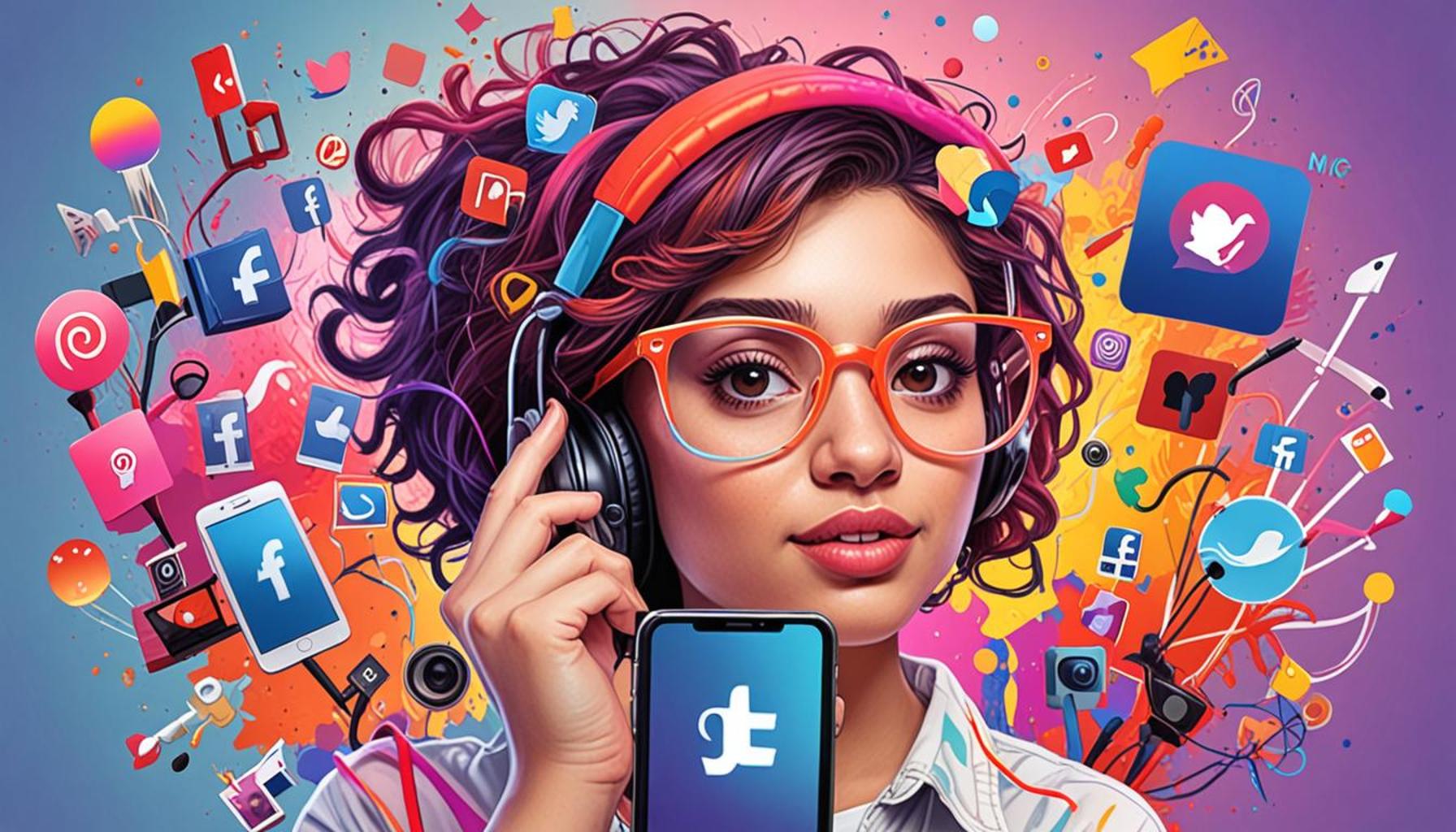
In the modern artistic landscape, social media platforms are not merely tools for dissemination; they are catalysts for creativity and engagement. Artists can now circumvent traditional promotional avenues, such as record labels and art galleries, which historically limited access to market opportunities. This shift allows emerging talents to express themselves and gain visibility without intermediaries.
Accessibility is one of the most profound advantages of social media for artists. For instance, a musician in a small town can upload their tracks on platforms like SoundCloud or Spotify and reach audiences worldwide within moments. The case of Billie Eilish illustrates this perfectly; she gained fame by sharing her songs on SoundCloud, eventually leading her to become a Grammy Award-winning artist with millions of followers on social media. This example underscores how social media democratizes access to fame and recognition in ways that were previously unthinkable.
Engagement further amplifies an artist’s presence. By fostering direct communication with fans through comments, messages, and live sessions, artists build a sense of community and loyalty. For instance, Taylor Swift has mastered this technique by actively interacting with her fan base, affectionately dubbed ‘Swifties’, on platforms like Instagram and Twitter. This connection not only solidifies her following but can also be instrumental in creating a buzz around new releases.
The potential for virality on platforms like TikTok can transform an artist’s career overnight. Consider the example of Lil Nas X, whose song “Old Town Road” skyrocketed to fame after it went viral on TikTok. The ability to create catchy, short-form content that resonates with users can lead to explosive recognition, allowing artists to transition from relative obscurity to stardom in mere weeks.
Unique Features Driving Success
Social media provides artists with innovative features that enhance their reach and influence.
- Live Streaming: Platforms like Instagram Live and Facebook Live allow artists to perform in real-time, engaging with fans in an intimate setting while breaking geographical barriers. This can include Q&A sessions, virtual concerts, or behind-the-scenes glimpses into their creative process.
- Collaborative Opportunities: Artists can connect effortlessly for collaborations, leading to unique content creation. For instance, musicians regularly team up on Instagram or TikTok to produce exciting new music that draws attention from both parties’ fan bases.
- Analytics: Data insights available on platforms help artists understand their audience demographics, engagement rates, and content performance. This information empowers artists to refine their strategies, ensuring their efforts resonate with their fans and attract potential followers.
Ultimately, the impact of social media on the artistic ecosystem transcends marketing. It encourages a shift in how artists forge their identities, tell their stories, and interact with audiences. As we explore these dimensions further, the extensive influence social media holds over an artist’s journey becomes increasingly evident, revealing new pathways and possibilities in the ever-evolving world of art and music.
DIVE DEEPER: Click here to discover how creative writing can change your life
Building a Brand in the Digital Age
As emerging artists navigate the often-turbulent waters of the creative industry, social media platforms serve as vital tools that can help shape their personal brands and expand their reach. In today’s world, brand building goes far beyond the simple act of creating art; it involves curating an image and a narrative that resonates with audiences. Platforms like Instagram, TikTok, and YouTube empower artists to showcase not just their work but the essence of themselves, fostering deeper connections with potential followers and fans.
One of the most significant advantages of social media in brand development is the ability to share visual content instantaneously. Artists can upload images of their artwork, provide sneak peeks into upcoming projects, and even share progress shots that invite followers into their creative processes. This storytelling aspect captivates audiences and keeps them invested in the artist’s journey. For example, an illustrator might share time-lapse videos of their creative process on Instagram, which not only showcases their talent but also invites interaction through comments and shares.
Moreover, the power of user-generated content cannot be overlooked. When fans share their own pictures featuring an artist’s work or use a specific hashtag related to the artist, it amplifies the original creator’s exposure. This collaborative spirit fosters a community around the artist and can lead to organic growth in follower numbers. An excellent case study is the visual artist @thefatjewish on Instagram, who utilizes humor to encourage followers to repost his hilarious and engaging content, cultivating a vast and loyal audience base.
Networking and Professional Opportunities
Social media also opens the door to new networking opportunities that are essential for career development. Artists can directly connect with fellow creators, industry professionals, and even potential clients without the limitations of geographical boundaries. Platforms like LinkedIn and Twitter can be especially beneficial for those looking to forge professional relationships within the art community.
- Collaborative Projects: Social media facilitates partnerships between artists, leading to unique, hybrid works that draw influence from various genres and styles. This can be critical for gaining recognition and reaching diverse audiences.
- Showcasing Events: Artists can promote upcoming exhibitions, concerts, or workshops through social media, ensuring that their work reaches those who may not be familiar with them otherwise. This kind of exposure can be pivotal, especially during initial career stages.
- Building a Portfolio: Social media serves as a dynamic portfolio for artists, allowing them to display an evolving selection of their work as they develop their craft and refine their artistic voice.
As artists strategically harness social media’s potential, they become more empowered to control their narratives and careers. This is a transformative approach that stands in stark contrast to previous generations of artists, who often relied heavily on external validation from critics and gatekeepers. By embracing available platforms, emerging artists can establish themselves as credible and influential entities in the art world, ultimately reshaping how they promote their work and build sustainable careers.
| Category | Advantages |
|---|---|
| Accessibility | Social media platforms allow emerging artists to share their work globally, reaching audiences that traditional methods could not. |
| Engagement | Direct interaction with followers fosters a community that can amplify an artist’s presence and authenticity in the marketplace. |
| Networking Opportunities | Social media provides access to industry professionals, potential collaborators, and mentors, crucial for career development. |
| Viral Marketing | Content can go viral, bringing unprecedented attention to emerging artists, often with minimal initial investment. |
The advent of social media has drastically transformed the landscape for emerging artists seeking to promote their work and build careers. Accessibility is a prime advantage, allowing artists to post their creations and connect with a global audience without the barriers posed by traditional galleries or exhibition spaces. This democratization of exposure means that talent, rather than connections, often dictates visibility.Moreover, platforms like Instagram and TikTok can spark significant engagement. Artists can interact with fans in real-time, cultivating a sense of community and belonging. This direct line of communication enhances their authenticity and helps to personalize their brand, making it more relatable to a diverse audience.Additionally, numerous networking opportunities arise within social media environments. These platforms enable contact with industry veterans, fellow creatives, and potential collaborators, paving paths for mentorships and partnerships that can define an artist’s trajectory. Lastly, the possibility of viral marketing cannot be underestimated. A single post capturing the right moment or message can lead to exponential growth in visibility, often transforming an unknown artist into a household name overnight. As these dynamics continue to evolve, interested parties are encouraged to explore the intricate implications of social media on artistic careers further.
DISCOVER MORE: Click here to learn about the impact of performance skills on personal development
The Role of Algorithms and Engagement
In the landscape of social media, algorithms play a crucial role in determining the visibility of artists’ work. Each platform employs complex algorithms that analyze user behavior to curate content feeds. For emerging artists, understanding these algorithms becomes essential to maximizing their reach. Posts that encourage engagement—through likes, shares, comments, and saves—are prioritized, granting artists a significant opportunity to reach broader audiences. The more an artist interacts with followers, the more likely their content will be seen.
Furthermore, the concept of “going viral” has become a realistic avenue for savvy artists. A single impactful post or performance can propel an artist into the spotlight, sometimes overnight. For instance, the viral song “Old Town Road” by Lil Nas X began as a meme on TikTok and swiftly transitioned into mainstream success. This phenomenon exemplifies how emerging artists can leverage trending sounds or themes to garner attention rapidly. TikTok, in particular, has been credited with launching several music careers since its debut, with artists such as Olivia Rodrigo and Doja Cat using the app to connect directly with audiences, showcasing the transformative power of social media in the promotional landscape.
Fan Engagement and Community Building
Social media has also revolutionized how artists engage with their fans, creating opportunities for meaningful interactions that were once limited to live performances. Platforms encourage a level of intimacy and accessibility, allowing artists to communicate with followers through direct messages and live streams. This two-way communication fosters loyalty, as fans feel more connected to the artist’s personal journey.
- Exclusive Content: Artists can offer exclusive behind-the-scenes insights, previews of new work, or special merchandise to loyal followers. By creating a sense of exclusivity, they deepen their relationship with fans, which can lead to higher engagement and loyalty.
- Fan-Driven Campaigns: Crowdsourcing campaigns or collaborations with fans can empower the audience and give them a stake in the artist’s success. Emerging artists have launched projects through platforms like Patreon, where fans can support their work financially in exchange for exclusive benefits, ranging from song downloads to personalized artwork.
- Feedback and Adaptation: Direct access to audience opinions enables artists to gather feedback quickly, allowing them to enhance their creative output based on real-time audience reactions. This adaptability can be a decisive factor in their artistic development and marketability.
Additionally, using data analytics tools available on various social media platforms provides valuable insights into audience demographics and engagement metrics. Emerging artists can hone their marketing strategies and tailor their content based on this data, increasing their chances of resonating with potential fans. Utilizing these insights effectively can lead to the identification of niche markets, allowing artists to cultivate dedicated followings even in saturated spaces.
Overall, the integration of technology and artistry has made social media a foundational aspect of emerging artists’ careers. It enables them to shape their careers actively while remaining omnipresent in their audience’s minds. By effectively leveraging social media, artists can create career-defining moments, ultimately transforming how their art is recognized, celebrated, and consumed in the modern world.
DISCOVER MORE: Click here to enhance your skills
Conclusion
In conclusion, the influence of social media on the promotion of emerging artists and the construction of their careers cannot be overstated. As explored throughout this article, platforms like TikTok, Instagram, and Twitter have become instrumental in elevating artists from obscurity to fame, enabling them to reach wide audiences with minimal resources. The ability to interact directly with fans fosters a sense of community and companionship, creating loyal supporters who are integral to an artist’s journey. Moreover, the role of algorithms and engagement metrics empowers artists to strategically craft their presence online, maximizing visibility and exposure to potential fans.
The advantage of rapid feedback mechanisms allows artists to adapt their work based on audience reactions in real-time, a significant shift in the traditional artistic landscape. This adaptability, combined with the ability to curate exclusive content and promote fan-driven initiatives, paves the way for a new wave of creativity. Emerging artists are not just passive participants in their careers; they are dynamic architects of their paths, leveraging the tools at their disposal to define their artistic identities and market positions.
Furthermore, social media presents a unique platform for discovering niche markets, giving rise to diverse music genres and art forms that reflect the myriad of voices within society. As the digital age progresses, the relationship between social media and artistry will likely continue to evolve, shaping the future of the creative industry. Aspiring artists and industry stakeholders alike must embrace these changes, recognizing that leveraging social media is not just beneficial but essential for success in today’s artistic ecosystem. In this ever-transforming environment, one thing remains clear: social media is a powerful catalyst for the growth and recognition of emerging artists.