The ephemeral art: exploring the beauty and challenges of creating works that are not meant to last
The Allure of Transience in Art
Art manifests itself in countless ways, yet some of the most captivating pieces are those that embrace ephemeral qualities. These transient artworks challenge traditional notions of permanence, inviting viewers to cherish beauty in its fleeting moments. By exploring these forms of expression, we can gain insights into the creativity and emotions of the artists, as well as the unique experiences of their audiences.
One prime example of ephemeral art is sand sculptures, often crafted on the picturesque beaches of California. Skilled artisans devote hours, or even days, to shape intricate designs that reflect the beauty of nature or popular culture. However, just as admiration blooms, the tide inevitably washes them away. This cycle of creation and destruction serves as a commentary on the temporality of life itself and invites beachgoers to engage with the art before it’s gone.
Ice sculptures provide another striking instance of impermanence. These artworks, showcased at winter festivals and events across the United States, sparkle and shimmer under the cold light, often depicting intricate themes from mythology or modern art. The challenge for artists lies not just in the skill of carving but also in the understanding that their brilliant creations will melt into puddles long before anyone can fully appreciate them. For example, during the renowned Ice Festival in New York, visitors are entranced by moments of beauty that exist only for a brief time, prompting them to consider the ultimate fate of the art as it literally slips away.
Street art, particularly chalk murals, brings another layer of transience to the art scene. These ephemeral masterpieces can be seen adorning sidewalks and public spaces, sharing stories and vibrant colors with passersby. However, the sun, rain, and foot traffic are quick to wear them away. This fleeting nature not only engages audiences but also underscores the sometimes forgotten idea that art is meant to be experienced rather than solely possessed.
Creating ephemeral art comes with unique challenges. Artists often grapple with questions such as: How do they capture the essence of a moment when their work is not meant to endure? What emotional responses these transient creations evoke, and does the experience of witnessing the art’s temporary nature enhance its significance? The answers to these questions vary from artist to artist, but many find that the act of creation itself becomes a celebration of life’s impermanence.
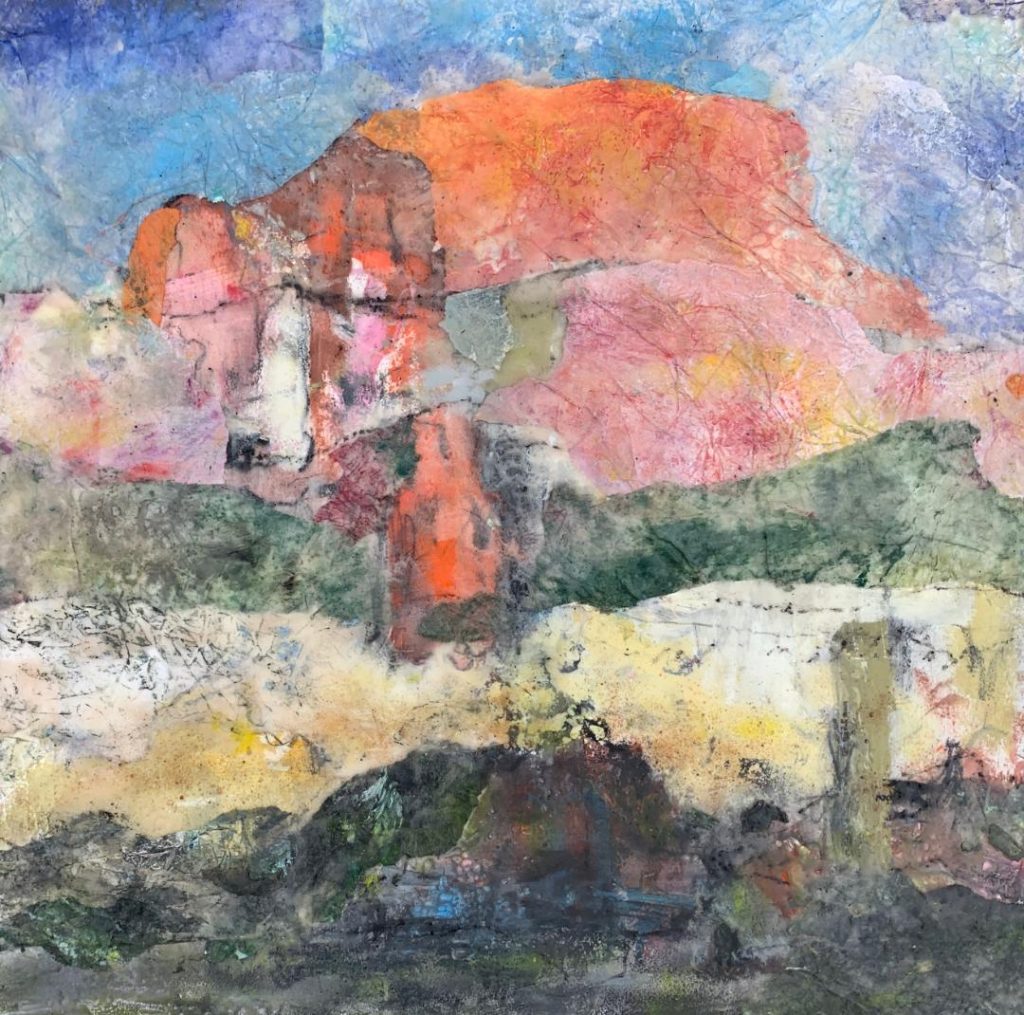
As we delve deeper into the world of ephemeral art, we will explore its beauty while examining the hurdles artists face. This journey will reveal why they choose to embrace impermanence over striving for a lasting legacy. Far from being frivolous, ephemeral art invites us to reflect on the nature of beauty, reminding us that every moment, no matter how brief, has the potential to resonate profoundly within us.
EXPLORE MORE: Click here to learn about the power of teamwork in writing
The Complexity of Creating Fleeting Beauty
The realm of ephemeral art extends beyond mere aesthetics; it serves as a profound commentary on the human experience itself. Artists who engage in this practice navigate a distinctive landscape where the rejection of permanence leads to innovative thought processes and unconventional methods. Understanding the motivations behind creating art that is designed to disappear provides a compelling insight into the values and philosophies that drive these artists.
One driving force behind ephemeral art is the concept of time. Time becomes an intrinsic part of the art itself; it shapes the experience and depth of engagement for the audience. This interplay often challenges viewers to think critically about their relationship with the artwork. For example, performance art, where dancers or actors embody a narrative or theme, offers an immediate but fleeting experience. Such performances not only invite viewers to witness creativity in motion but also compel them to engage with the art emotionally and intellectually, as they recognize that the moment will never be replicated.
Let’s delve into some of the most prominent forms of ephemeral art that emphasize this engagement:
- Land Art: Artists like Robert Smithson and Andy Goldsworthy have pioneered the concept of using natural environments as canvases. Their works, crafted from branches, stones, and intricate earth formations, are beautiful yet designed to erode and change with the elements.
- Interactive Installations: Many contemporary artists create installations that invite audience participation. For instance, Yayoi Kusama’s infinity rooms, where mirrors and lights create an illusion of endless space, offer viewers a momentary experience that rapidly dissipates once they step out of the room.
- Baked Goods Art: In culinary art, chefs design edible masterpieces that are as stunning as they are intricate. These edible delights are often devoured shortly after their creation, making every meal a one-of-a-kind experience that emphasizes the fleeting joy of taste and artistry.
Each genre of ephemeral art presents its own set of challenges that artists must tackle. The act of creation often requires meticulous planning, innovation, and spontaneity—all while knowing that the piece will not survive the test of time. Regardless of the medium, ephemerality becomes a commitment to embracing the unpredictable nature of life itself.
Moreover, the dialogue surrounding ephemeral art often reflects societal values. In a world that prioritizes accumulation and permanence, these artists raise questions about the legacies we choose to build. Their work can prompt us to consider what truly matters in our own lives: time, experiences, and connections over material possessions. This transitory nature encourages us to recognize the significance of the present moment.
As we navigate through more facets of ephemeral art, we begin to uncover the inherent beauty in its very impermanence. Artists embrace the temporary as a potent reminder of our own mortality and the transient beauty inherent in life, making every fleeting creation an invitation to engage with the moment.
| Advantages | Impact on Society |
|---|---|
| Creativity and Innovation | Ephemeral art pushes artists to explore new mediums and techniques, often leading to groundbreaking creations that challenge traditional notions of art. |
| Environmentally Conscious | By using temporary materials or installations, ephemeral art encourages sustainability and raises awareness about environmental issues. |
The realm of ephemeral art presents a unique dichotomy, offering artists the chance to create masterpieces that are both fleeting and impactful. This genre not only highlights the beauty inherent in temporality but also serves as a platform for raising social consciousness. Artists often find that the transient nature of their work leads to profound emotional experiences for their visitors, prompting a deeper reflection on the nature of existence and artistic expression.Moreover, the act of creating works that are not meant to endure allows artists to critique notions of consumerism and permanence in modern society. By embracing the fleeting, they invite audiences to live in the moment, challenging the fast-paced digital age that often prioritizes longevity over relevance. As we delve into the world of fleeting creations, we uncover a tapestry of thoughts and ideas that beckon us to appreciate beauty in its most transitory forms. Through installations in natural settings, performances that vanish without a trace, or murals washed away by rain, ephemeral art creates a dialogue that is vibrant, thought-provoking, and deeply reflective of the human experience.
DISCOVER MORE: Click here to learn about upcycling techniques
The Interplay of Nature and Human Expression
Ephemeral art often brings the dynamic relationship between nature and human creativity to the forefront. As artists utilize elements from the natural world for their transient works, they confront not only the beauty of their mediums but also the environmental challenges that accompany them. For instance, land artists like Christo and Jeanne-Claude have made headlines with large-scale projects such as “The Gates,” where fabric installations transform urban landscapes for a limited time. This monumental art piece engaged with the seasonal changes in New York City’s Central Park, drawing attention to the environment while providing a momentary experience of beauty; however, it also raised discussions on sustainability and the environmental footprint of such interventions. This duality invites viewers to reconsider their interactions with nature, encouraging a dialogue about stewardship and preservation.
Moreover, the temporary nature of ephemeral art often stems from the artist’s intention to provoke thought about societal issues. In 2017, British artist Banksy created a powerful mural titled “Love is in the Bin,” which was famously shredded moments after it was sold at auction. This act of self-destruction prompted a broader conversation regarding the commercialization of art and the commodification of creativity. It raised the question of whether art should be a vessel for monetary value or a form of expression meant to challenge and engage viewers. The artwork’s physical destruction only deepened its impact, transforming it into a commentary on the fleeting nature of artistic expression in a market-driven society.
Performance art adds another layer of complexity to the exploration of ephemeral art. Artists such as Marina Abramović have used their bodies as canvases, creating immersive experiences that exist only in the moment. In her groundbreaking performance, “The Artist Is Present,” Abramović invited participants to sit in silence opposite her for as long as they desired. The emotional connection formed between artist and audience was a unique moment that could not be replicated, revealing the power of presence in art. Such performances compel both the artist and the audience to grapple with the idea of memory, connection, and the role of shared experiences in art.
Additionally, the rise of social media has revolutionized how ephemeral art is created, consumed, and shared across diverse audiences. Platforms like Instagram have become vital for artists who create temporary works, allowing them to document and disseminate their visions instantly. This digital showcase, while enhancing accessibility, also raises questions about the authenticity and intent of ephemeral art. As images circulate online, the original context of the work is often lost or altered, leading to a potential detachment from its transient essence. The interplay between the physical experience of the artwork and its digital representation emphasizes the tension between permanence and impermanence in our hyper-connected world.
As artists explore ephemeral art, they navigate an array of challenges that blend creativity with social commentary. The acceptance of art’s transitory nature serves not only to glorify the moment but also to encourage deeper reflection on our values as a society. By embracing the ephemeral, we begin to recognize not just the beauty of fleeting experiences but also the importance of being present and engaged in the world around us.
DIVE DEEPER: Click here to discover the influence of visual arts on personal growth
Final Thoughts on Ephemeral Art
In conclusion, ephemeral art embodies a profound exploration of beauty, impermanence, and the intricate relationship between humanity and the environment. By engaging in this fleeting form of creativity, artists provoke deeper reflections on societal values, environmental issues, and the very essence of artistic expression. The temporary nature of these works invites audiences to appreciate art not merely as a commodity but as a powerful dialogue that reflects current realities, challenges, and emotions.
Furthermore, the dialogue between physical and digital realms, amplified by social media, challenges our perceptions of what art can be. While it enables broader dissemination of ephemeral works, it also adds layers of complexity regarding authenticity and context. This evolution calls for a conscious consumption of art, reminding us to cherish the moments that resonate in our lives, even as they vanish into the ether.
Ultimately, ephemeral art compels us to confront the transient nature of existence itself. It teaches us to embrace the beauty of fleeting moments, encouraging us to cultivate a deeper awareness of our experiences and connections with one another and the world around us. As we continue this journey of exploring transience, may we be inspired to celebrate not just the artworks that fade, but the memories and insights they leave behind.