The influence of art in education: how artistic hobbies can enrich learning and personal development
Understanding the Impact of Art in Educational Settings
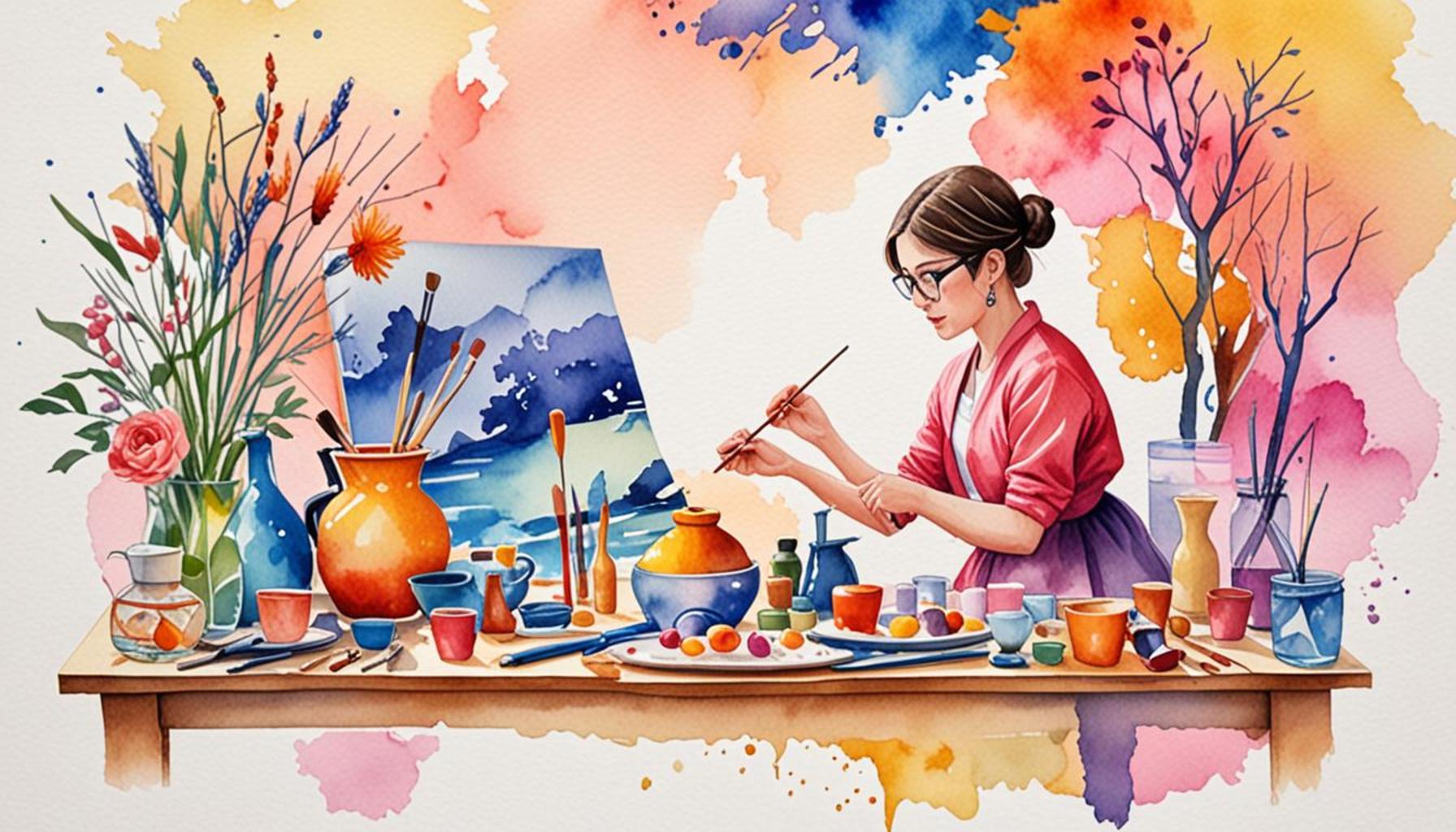
Art has long been celebrated as a crucial facet of human creativity and expression, yet its profound impact within the realm of education often remains underappreciated. The incorporation of artistic hobbies into educational curricula can significantly enhance student engagement and personal development, ultimately cultivating well-rounded individuals. By exploring creative pathways, students not only achieve academic success but also experience emotional and social growth that is pivotal in their formative years.
Key Benefits of Artistic Hobbies in Education
The integration of art in educational settings presents numerous advantages that extend beyond mere aesthetic appreciation:
- Enhanced critical thinking: Artistic endeavors often necessitate unique problem-solving approaches. For instance, when students participate in a collaborative mural project, they must navigate choices about color schemes and design layouts, sharpening their ability to think critically and innovate.
- Improved communication skills: Engaging in the arts encourages students to articulate their thoughts visually and verbally. Activities such as drama or creative writing compel students to express emotions and narratives, enhancing both their verbal skills and emotional intelligence.
- Boosted confidence: The process of creating art can be immensely empowering. For example, students who learn to play a musical instrument often report increased self-esteem as they grasp new concepts and celebrate their progress in mastering challenges.
- Increased collaboration: Group projects in the arts—such as theatrical performances or collaborative art exhibitions—foster teamwork and cooperation, encouraging students to work harmoniously towards shared objectives.
Moreover, research has illustrated a correlation between early exposure to art and a boost in academic performance across various subjects, including mathematics and the sciences. Engaging with art allows students to explore diverse perspectives and cultures, broadening their understanding and fostering a sense of empathy towards others. Programs like the Arts for Academic Achievement initiative in Chicago demonstrate how integration of the arts into education can lead to significant improvements in both engagement and academic vigor.
Furthermore, delving into how artistic practices intersect with educational outcomes reveals their potential to revolutionize learning experiences, promoting holistic personal development. As the educational landscape continues to evolve, the necessity for implementing art in classrooms is increasingly recognized as vital. The challenge remains for educators and institutions to creatively merge art with core subjects, ensuring that the transformative power of art can resonate within all realms of education and beyond.
DISCOVER MORE: Click here to learn about the benefits of art therapy
Artistic Engagement as a Catalyst for Learning
Artistic hobbies provide a unique avenue for students to engage with learning in a way that traditional subjects often cannot. The dynamic nature of art encourages exploration and experimentation, allowing students to approach educational content from fresh perspectives. This creative engagement is instrumental in nurturing a lifelong passion for learning. When students immerse themselves in activities such as painting, writing, or dancing, they are not just developing artistic skills; they are cultivating a mindset that embraces curiosity and resilience.
Creativity: The Heart of Learning
Creativity is a fundamental component of effective education. By participating in artistic endeavors, students develop their ability to think outside the box. This is critical in today’s rapidly evolving world, where new challenges arise daily. The process of creating art often mirrors scientific inquiry or mathematical problem-solving; both necessitate a willingness to take risks, make mistakes, and revise one’s approach. Notably, a 2020 study conducted by the National Endowment for the Arts found that students engaged in the arts significantly outperform their peers in standardized tests, an indicator that creativity fosters academic excellence.
Additionally, research highlights that involvement in the arts can lead to improved brain function. Artistic activities stimulate the brain’s neural pathways, enhancing cognitive abilities such as memory and spatial reasoning. For instance, students learning music are found to perform better in subjects like math due to their heightened awareness of patterns and structures. A 2019 report from the Arts Education Partnership underscores the importance of integrating arts into core subjects, finalizing that schools incorporating art programs tend to exhibit higher graduation rates and lower drop-out rates.
Emotional and Social Benefits of Artistic Hobbies
Artistic hobbies extend beyond cognitive development; they play an integral role in emotional growth and social interaction. Engaging in the arts allows students to express complex emotions that may be hard to articulate. Activities like theater, for example, can serve as a safe space for students to explore their identities and societal roles, cultivating empathy and understanding of diverse perspectives. Participation in group art projects, whether it’s a school play or community mural, promotes connection and collaboration among students, enhancing their interpersonal skills.
- Emotional expression: Art serves as a therapeutic outlet, helping students manage stress and anxiety.
- Social skills: Collaborative art projects encourage teamwork, fostering friendships and a sense of community.
- Cultural awareness: Arts education introduces students to various cultures, promoting tolerance and acceptance.
The benefits of integrating art in education are vast and multi-faceted, covering the spectrum from cognitive enhancement to emotional resilience. As educational institutions recognize the vital role of creativity in developing future leaders, the push for incorporating artistic hobbies becomes not just an enrichment choice, but a necessity for well-rounded education. Embracing this shift will ultimately equip students to thrive in an increasingly complex world, blending knowledge, creativity, and compassion.
The Influence of Art in Education: How Artistic Hobbies Can Enrich Learning and Personal Development
Artistic hobbies are not just a means of creative expression; they serve as powerful tools for enriching the educational experience and fostering personal growth. Engaging in art stimulates cognitive development, enhances emotional intelligence, and cultivates critical skills that are essential in today’s world.
Cognitive Benefits
Artistic activities such as drawing, painting, or playing a musical instrument require problem-solving and critical thinking. These activities challenge the brain to think creatively and engage in complex reasoning processes. Studies indicate that children involved in artistic endeavors exhibit improved memory retention and greater academic achievements. For instance, programs integrating art with subjects like mathematics show higher test scores among participants, highlighting the potential of art to boost educational performance.
Emotional Development
Participating in artistic hobbies provides an avenue for emotional exploration and self-expression. Art allows individuals to convey thoughts and feelings that may be difficult to articulate verbally. This process is particularly beneficial for students facing emotional or behavioral challenges. Research suggests that students who engage in art therapy experience reduced anxiety levels and improved self-esteem, leading to a more positive educational experience.
Social Skills Enhancement
Through collaborative artistic projects, students learn essential social skills such as teamwork, communication, and empathy. These group activities foster a sense of belonging and inclusion, which are crucial for personal development. Working together on art projects can help students appreciate diverse viewpoints and cultivate a sense of community and shared purpose.
Conclusion
Incorporating artistic hobbies into educational curricula not only benefits academic performance but also promotes holistic personal development. As educators and parents recognize the multifaceted advantages of art in education, there is a growing demand to prioritize creative programs that nurture the mind and spirit.
| Category | Description |
|---|---|
| Cognitive Skills | Engaging in artistic activities enhances problem-solving and critical thinking. |
| Emotional Well-being | Art provides a medium for self-expression, reducing anxiety and boosting self-esteem. |
| Social Interaction | Collaborative art projects teach teamwork, communication, and empathy. |
As the educational landscape evolves, the understanding of art’s impact becomes increasingly clear. Fostering creativity within structured learning environments is essential for nurturing well-rounded individuals prepared for the complexities of modern society. The collaboration between arts and education opens avenues for exploring human potential, empowering students to realize their capabilities through creative expression.
DISCOVER MORE: Click here to expand your musical horizons
The Role of Art in Development of Critical Life Skills
Artistic hobbies not only promote academic performance, creativity, and emotional wellbeing but also contribute significantly to the development of critical life skills. As educators seek to prepare students for the rigors of modern life, understanding the role of art in cultivating skills such as communication, problem-solving, and adaptability becomes paramount.
Strengthening Communication Skills
Artistic disciplines foster effective communication abilities that extend beyond verbal interactions. For instance, participating in drama or improvisational theater helps students articulate their thoughts, emotions, and ideas expressively. This format necessitates active listening and the ability to read body language, allowing students to refine their verbal and non-verbal communication skills in a supportive environment. According to a report by the John F. Kennedy Center for the Performing Arts, students involved in theater programs were found to exhibit improved speaking and presentation skills, vital assets in education and later workforce endeavors.
Moreover, visual arts like painting or graphic design encourage students to convey messages through imagery, further enhancing their capability to communicate ideas effectively. This visual literacy is increasingly relevant in a world dominated by digital content and social media, where the ability to explain concepts succinctly through images is an essential skill. As such, integrating the arts into education facilitates the development of well-rounded communicators prepared for diverse contexts.
Problem-Solving and Adaptability through Art
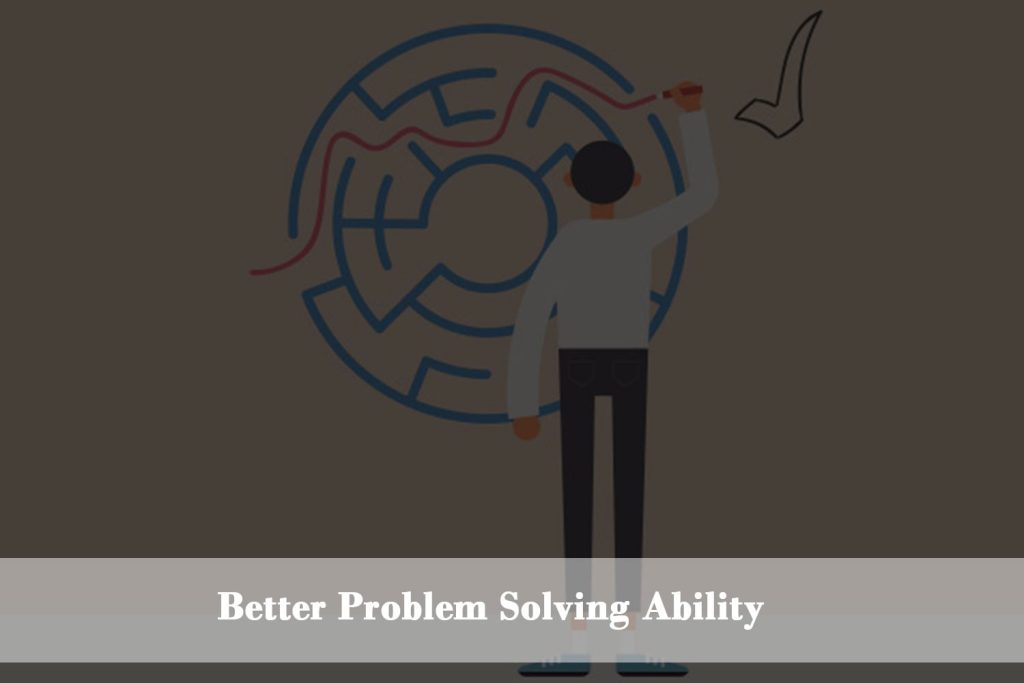
Artistic practices inherently involve challenges that require innovative solutions. As students navigate through the creative process, they learn to approach obstacles with an analytical lens, applying critical thinking to arrive at novel solutions. Whether it’s planning a school project or addressing unexpected changes in a performance, artistic endeavors instill a mindset of adaptability. A study from the Pew Research Center indicated that over 70% of employers prioritize problem-solving skills among job applicants, demonstrating the growing importance of these abilities in today’s job market.
Engaging in collaborative art projects also teaches students how to work with others to reach a common goal. The necessity of compromise and negotiation in group settings mirrors real-world workplace dynamics, preparing them for future roles that demand teamwork and collaboration. This dual capacity for individual creativity while also effectively collaborating with peers is crucial for success in any domain.
Building a Sense of Identity and Purpose
Artistic hobbies profoundly impact self-discovery, enabling students to explore their identities and establish a sense of purpose. Activities such as creative writing or music composition provide platforms for self-expression, allowing individuals to reflect their experiences and beliefs authentically. Journalists and educators alike stress that when students are encouraged to express their thoughts through art, they also cultivate personal values and awareness of societal issues.
- Self-esteem: Success in artistic endeavors can significantly boost self-confidence, encouraging students to take pride in their work.
- Identity exploration: Art gives students a safe outlet to explore and express their unique identities, fostering individuality.
- Responsibility: Committing to artistic projects cultivates a sense of responsibility, as students learn to manage their time and resources effectively.
The profound influence of artistic hobbies on education reveals that creativity is not merely an extra-curricular activity, but rather an essential component of holistic development. As schools and educators continue to recognize the importance of integrating art into their curriculum, they pave the way for students to develop essential life skills, reconnect with their identities, and thrive in an ever-evolving world.
DIVE DEEPER: Click here to expand your musical horizons</p
Conclusion: The Transformative Power of Art in Education
In an age where the demand for creativity, critical thinking, and adaptability is ever-increasing, the integration of artistic hobbies into education presents a compelling opportunity to enhance learning and personal development. The journey through various art forms—whether through theater, visual arts, music, or creative writing—provides students with invaluable tools that shape not just their academic pursuits but their overall life experiences.
Artistic expression promotes not only communication skills but also fosters a sense of empathy and understanding of diverse perspectives, essential in today’s multicultural society. It challenges students to address complex problems with innovative solutions, preparing them for the workforce where adaptability and collaboration are key. Moreover, as students discover their unique identities through art, they build self-esteem and a sense of purpose, elements crucial for personal fulfillment.
According to recent studies, educational environments that prioritize the arts are associated with improved engagement and retention among students. As we strive to cultivate a learning atmosphere that embraces creativity, educators must advocate for increased funding and support for artistic initiatives within schools. In doing so, we empower the next generation to not only excel academically but also emerge as well-rounded individuals capable of navigating the complexities of modern society.
Ultimately, recognizing and harnessing the influence of art in education goes beyond enriching academic knowledge; it lays a robust foundation for lifelong personal and professional growth. Embracing artistic hobbies as integral components of education will not only enhance academic outcomes but also nurture a society of innovative thinkers and compassionate individuals.