The role of artistic residencies in the development of innovative projects and the exchange of experiences among artists
Artistic Residencies: A Deep Dive into a Dynamic Creative Experience
Artistic residencies serve as transformative spaces where creativity flourishes and innovation thrives. These unique opportunities encourage artists to dedicate focused time to their craft amidst new surroundings, leading to profound personal and professional growth. By facilitating the intersection of diverse talents and perspectives, artistic residencies energize communities and invigorate the creative process.
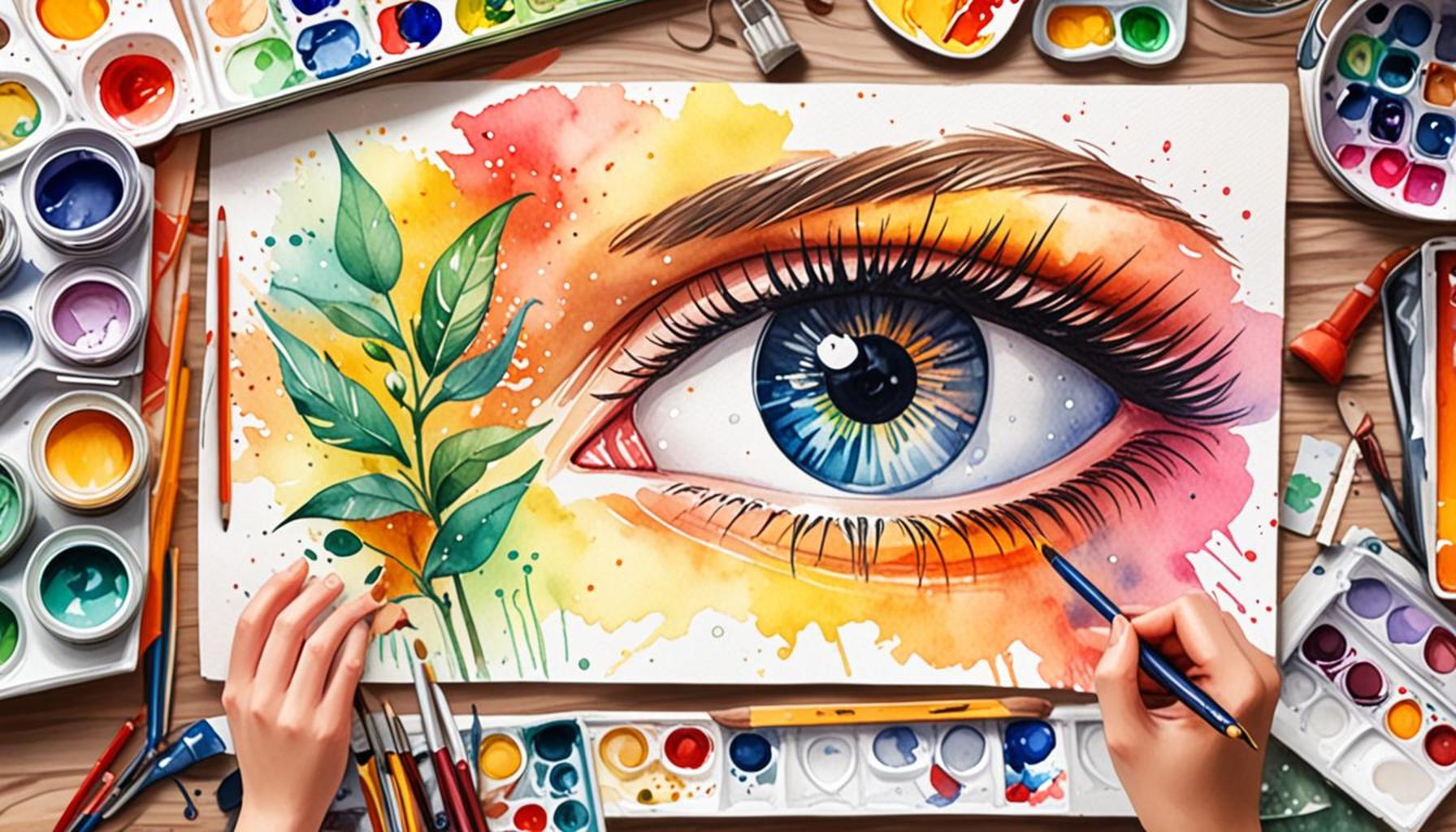
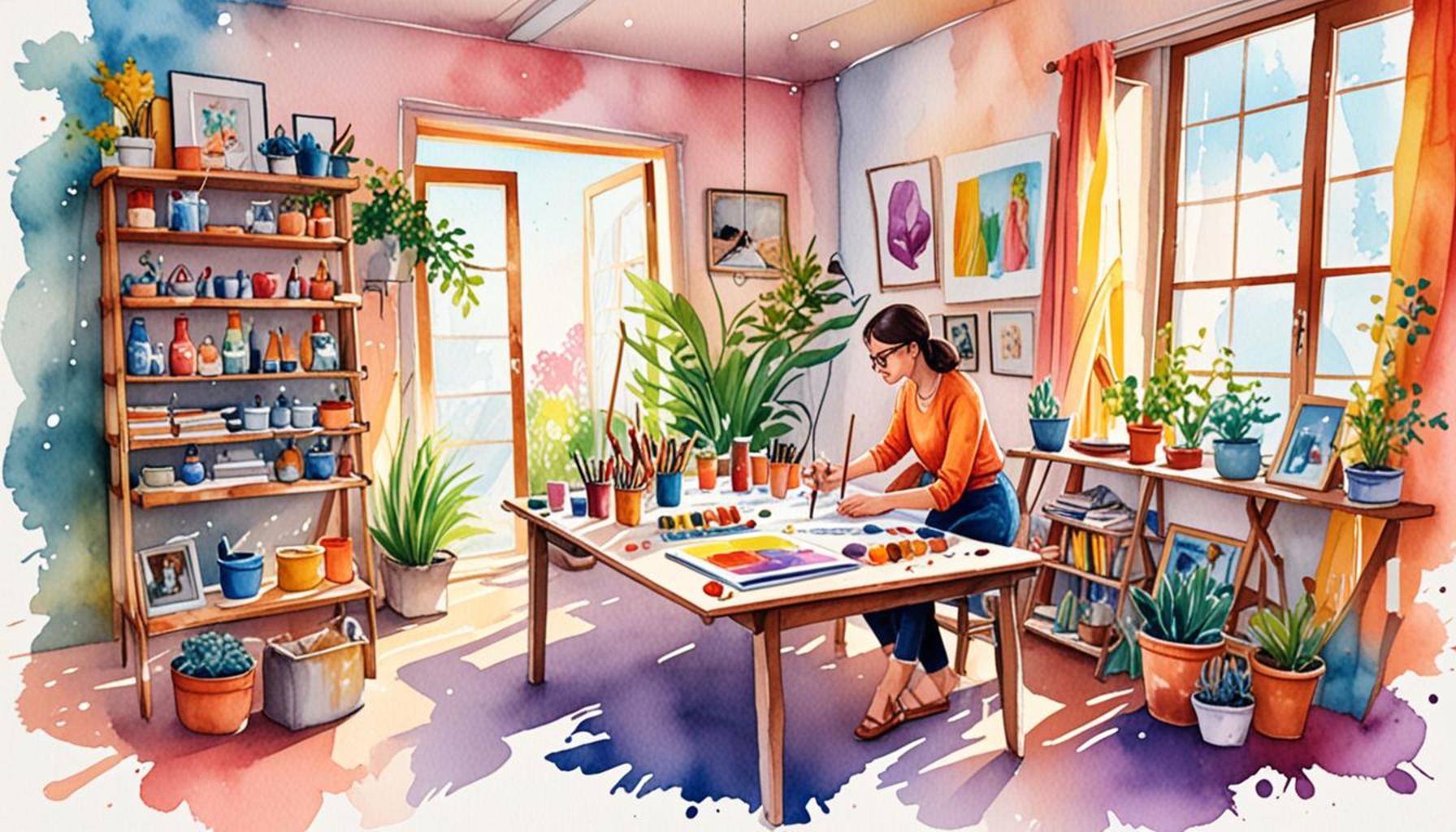
Dedicated Time is one of the most valuable aspects of artistic residencies. Artists often juggle various responsibilities, such as jobs and family commitments, which can hinder their creative flow. In a residency, they can immerse themselves in their work without these distractions. For instance, a visual artist might spend weeks developing a new series of paintings, experimenting with different techniques that would be challenging to explore in a crowded studio at home.
The Diverse Environments offered by these programs also play a significant role in fostering creativity. Each residency often takes place in distinctly powerful settings—whether it’s the tranquil countryside at the MacDowell Colony in New Hampshire or the vibrant urban landscape of Yaddo in Saratoga Springs. These environments can provide new sensory experiences, cultural richness, and unexpected inspirations that spark fresh ideas and innovative approaches to the artists’ work.
Another critical aspect is the Collaborative Opportunities that arise during residencies. Artists from different disciplines—such as poets, playwrights, musicians, and visual artists—often come together, sharing their unique skills and perspectives. This exchange can lead to groundbreaking collaborations. For example, a playwright might work alongside a composer, resulting in a compelling opera that might never have emerged in isolation. Such synergy enhances creativity, pushing the boundaries of artistic practice.
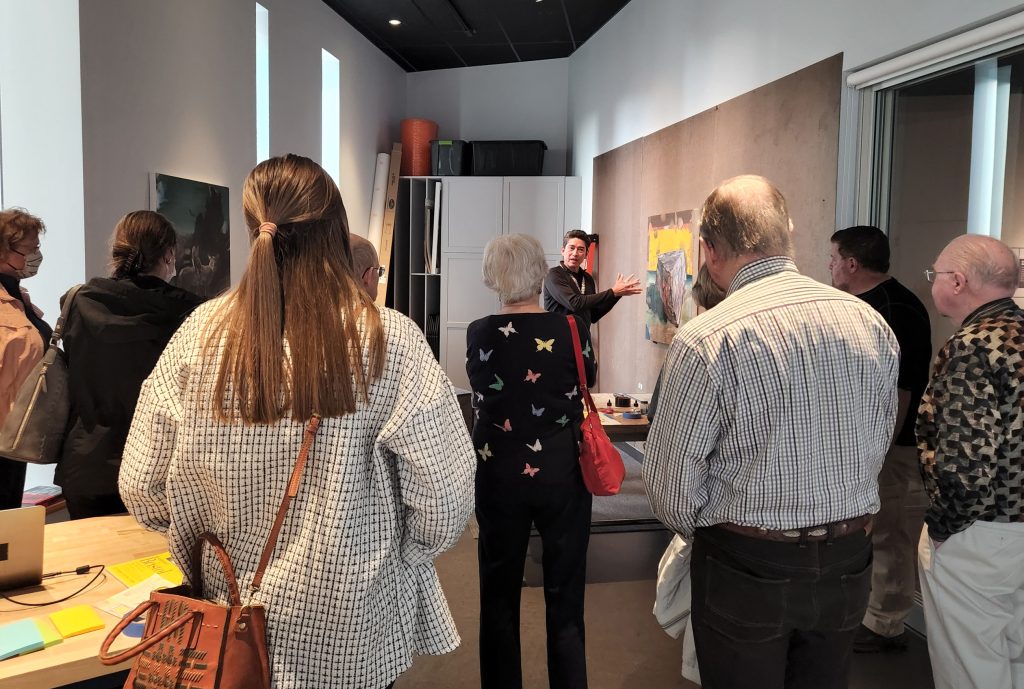
In the United States, many renowned residencies like Yaddo and the MacDowell Colony have played pivotal roles in shaping contemporary art. Famous figures such as poet Langston Hughes and visual artist Ansel Adams are among those who found inspiration and support within these walls. Additionally, these programs often encourage participants to engage with the local community, sharing their practices and insights, which ultimately enriches both the artists and the neighborhoods they inhabit.
Through the exploration of various mediums, cultures, and ideas, artistic residencies act as catalysts for innovation. They provide fertile ground for experimentation and foster an environment where diverse perspectives can flourish. As we continue to delve into the significance of these vibrant spaces, it becomes increasingly clear that they promote not only artistic growth but also facilitate a crucial exchange of ideas among talents from all walks of life. In our rapidly changing world, such exchanges are essential in nurturing an inclusive and dynamic cultural landscape, ultimately benefiting society as a whole.
DISCOVER MORE: Click here to broaden your musical horizons
Nurturing Innovation through Artistic Residencies
Artistic residencies stand as integral platforms in the landscape of contemporary art, acting as incubators for innovative projects and facilitating the exchange of experiences among artists. As these residencies adapt to the evolving demands of the artistic community, they continue to serve a vital role in the creative ecosystem. By offering resources, mentorship, and an atmosphere conducive to exploration, they empower artists to push the limits of their practice.
One of the most significant contributions of artistic residencies is their ability to foster interdisciplinary exploration. Artists often come from diverse backgrounds, bringing a rich tapestry of skills and influences to the table. This diversity leads to a fertile ground for collaboration, where ideas can intertwine, giving rise to innovative approaches. Some notable areas of interconnected creativity include:
- Performance Art and Technology: Incorporating digital media allows for new forms of expression. For instance, artists exploring virtual reality can collaborate with traditional painters to create immersive installations that challenge perceptions of art.
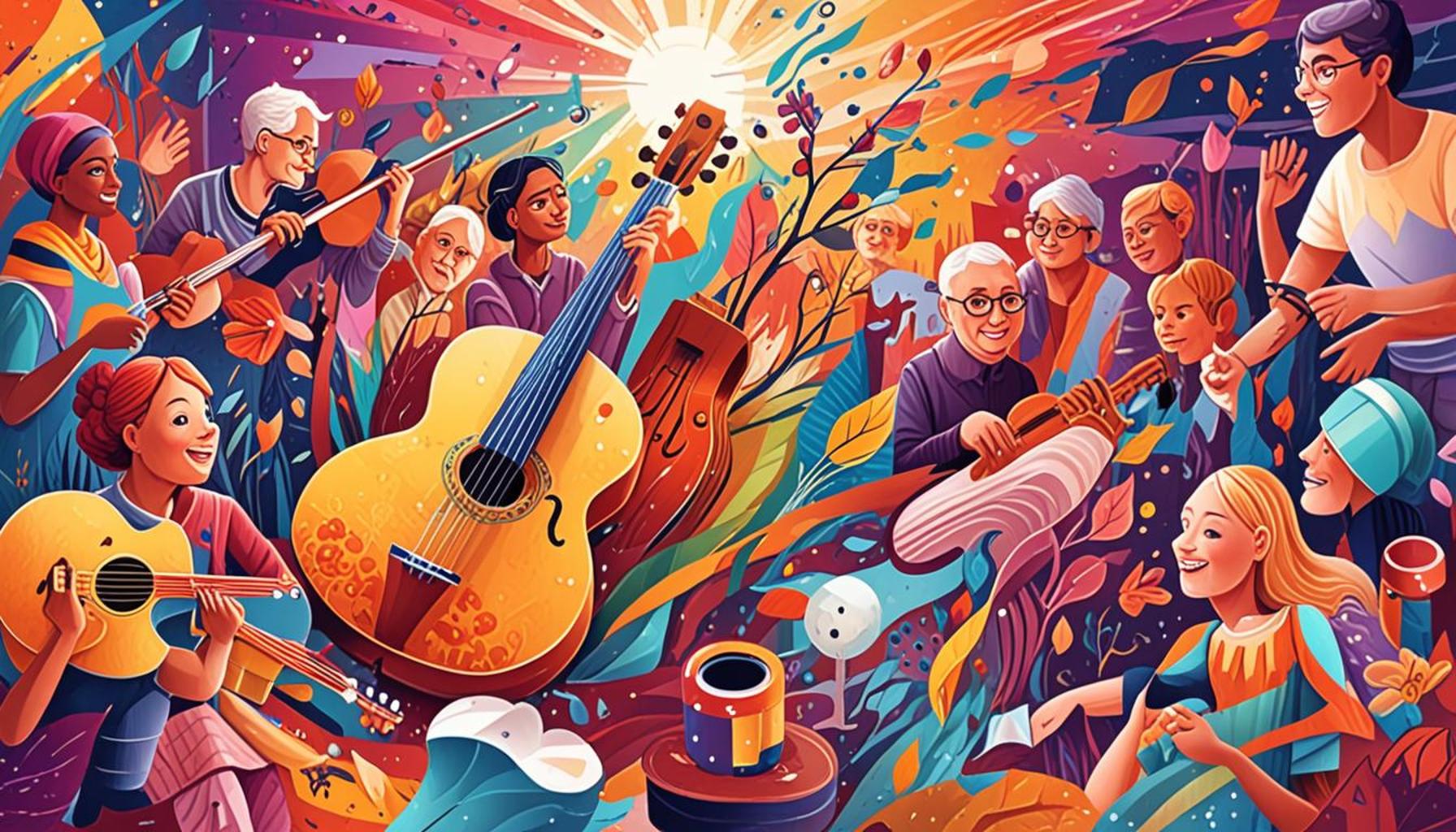
- Music and Visual Arts: Musicians and visual artists often find common ground in rhythm and aesthetics. A residency could see a muralist work alongside a jazz composer, producing a visual and auditory experience that engages audiences in multiple dimensions.
- Literature and Theatrical Arts: Writers collaborating with actors during a residency can experiment with script development, resulting in dynamic storytelling techniques that redefine genres.
The resources provided by artistic residencies also play a crucial role in project development. Many residencies offer artists access to workshops, studios, and essential tools that might otherwise be financially unattainable. For example, a ceramicist staying at a residency may have access to kilns and glazes, allowing them to experiment with new forms and techniques that are central to their artistic evolution. Furthermore, some residencies include workshops led by established artists who share their insights and strategies, equipping emerging artists with practical knowledge that hones their craft.
The impact of mentorship within these residencies cannot be ignored. Established artists often mentor their peers in residencies, providing invaluable guidance and support. This arrangement creates an environment where learnings and experiences exchange fluidly, leading to enriching conversations about techniques, themes, and the industry at large. Mentorship encourages younger or less experienced artists to take risks they might not otherwise consider, pushing them out of their comfort zones and ultimately enhancing their creative outcomes.
Artistic residencies are not just isolated events; they create networks among artists. This interconnectedness helps to build a community that extends beyond the walls of the residency itself. As artists bond and share their work, they forge relationships that often lead to collaborative projects long after they leave. These connections can culminate in exhibitions, performances, and publications, thereby amplifying the reach and accessibility of the artists’ work.
Through these multifaceted roles, artistic residencies become powerful catalysts for innovation, enhancing the development of pivotal projects while fostering a rich exchange of ideas and experiences among artists. As we continue to dive deeper into the significance of these programs, it is evident that their influence extends well beyond individual creations, contributing to a thriving cultural fabric that benefits society at large.
| Advantages of Artistic Residencies | Innovative Project Development |
|---|---|
| Creative Collaboration | Artistic residencies provide a dynamic environment that fosters exchange among artists from various disciplines, leading to collaborative projects that push the boundaries of traditional art forms. |
| Access to Resources | Participants often gain access to state-of-the-art facilities and expert mentorship, which are critical for the incubation of new ideas and the successful execution of innovative concepts. |
| Cultural Exchange | Residencies frequently involve artists from diverse backgrounds, enriching the cultural dialogue and resulting in unique artistic interpretations that reflect global themes. |
| Networking Opportunities | These programs create a robust network that supports future collaborations, as artists maintain connections established during their residency, fostering a lasting impact on their careers. |
Artistic residencies serve as an incubator for innovation, offering a structured yet flexible environment that motivates artists to experiment with new ideas. Furthermore, these residencies often culminate in public exhibitions or performances, providing valuable exposure and opportunities for feedback from both peers and the public. As artists navigate through various stages of their creative journey, they also find the ability to refine their practice through constructive criticism and peer support, ultimately leading to the development of groundbreaking projects that resonate within the art community and beyond. By embracing the collaborative ethos that these residencies instill, artists can forge a path that not only elevates their individual narrative but also contributes significantly to the evolving discourse on contemporary art.
DIVE DEEPER: Click here to explore the fusion of art and technology
Creating Lasting Impact through Community Engagement
In addition to fostering interdisciplinary exploration, artistic residencies play a pivotal role in engaging with the broader community. This connection transcends beyond the artist’s individual project, allowing for a robust dialogue between artists and the public. Many residencies incorporate community outreach programs, which not only enhance local cultural landscapes but also enrich the artists’ practices. Through workshops, open studios, and exhibitions, residents invite the community to partake in their artistic journeys, making the creative process more accessible.
For example, a residency in the bustling arts districts of cities like New York or Los Angeles can utilize the surrounding communities as a source of inspiration. Artists may engage with diverse local populations, capturing the nuances of their stories and experiences. This interaction often leads to innovative projects that draw upon local culture, histories, and social issues, resulting in art that resonates on deeper levels with audiences. An instance of this is the collaboration between residency artists and local youth groups, where storytelling exercises can culminate in mural installations that celebrate the community’s history and future aspirations.
The Role of Diversity in Artistic Residency Programs
The emphasis on diversity within artistic residencies also contributes significantly to the innovative output of participating artists. These programs actively seek to include voices from underrepresented backgrounds, thus enriching the conversation around art and culture. The varied experiences of artists from different races, ethnicities, and identities provide unique perspectives that challenge conventional narratives and invite audiences to explore new dialogues. This push for representation encourages a more holistic view of the world, where multifaceted identities are celebrated and reflected in artistic practices.
Additionally, as residencies gain recognition, they frequently become vehicles for international exchange, bringing together artists from across borders and cultures. This global networking fosters an environment where ideas can transcend geographical barriers. For instance, a residency program may host artists from Africa, Europe, and North America, allowing for a rich confluence of styles and methodologies that further spur innovation. Such connections can lead to collaborative exhibitions that challenge preconceived notions of culture and inspire cross-cultural dialogues.
Technology as a Creative Catalyst
In today’s digital age, the intersection of art and technology within residencies has gained a transformative edge. Artists have the opportunity to explore cutting-edge tools such as Augmented Reality (AR) or Artificial Intelligence (AI) that significantly influence their creative processes. Residencies that focus on tech-based mediums provide artists with access to state-of-the-art equipment, encouraging experimentation and pushing the boundaries of conventional art forms. A recent residency program in San Francisco allowed participants to create AI-generated visual art, merging the realms of coding and traditional artistry in ways that were previously unimaginable.
Furthermore, many artistic residencies are now embracing the power of social media and digital platforms to document and share the creative journey. This shift not only increases visibility but also invites online audiences to participate in the dialogue, fostering an interactive relationship between artists and their followers. As a result, artists can build networks that extend beyond the residency, not only enhancing their visibility but also catalyzing opportunities for future collaborations and projects.
Artistic residencies are thus vital in shaping the future of the art world. Through their diverse programs, community engagement, and focus on technology, they continue to stimulate innovative projects while nurturing a culture of exchange and collaboration among artists. As emerging trends unfold, it remains essential to recognize and support these transformative spaces that significantly contribute to the ongoing evolution of the arts.
DIVE DEEPER: Click here to learn more
Conclusion: The Future of Artistic Innovation
As we have explored, artistic residencies serve as vital incubators for creativity, fostering an environment where innovation thrives through collaboration and exchange. These residencies not only enhance an artist’s individual practice but also facilitate the sharing of diverse perspectives that enrich the cultural fabric of communities. By prioritizing community engagement and inclusivity, artistic residencies cultivate connections that extend far beyond the studio, allowing for a vibrant dialogue that shapes both local and global narratives.
The integration of technology within these residencies has further propelled artistic experimentation, enabling artists to explore new mediums and platforms that redefine traditional boundaries. This evolution mirrors the dynamic nature of society, where artists find inspiration in both their surroundings and the tools available to them. As seen in cities such as San Francisco and New York, the fusion of art and technology opens up a multitude of possibilities, sparking innovative projects that captivate audiences and challenge conventions.
Looking ahead, it is crucial to recognize the transformative potential of artistic residencies and to continue supporting these initiatives. By nurturing the talents of diverse artists and encouraging interdisciplinary collaboration, we can ensure that the future of art remains not only innovative but also reflective of the myriad experiences that define our shared humanity. As readers, artists, and patrons, we are all invited to engage with and advocate for these spaces that are essential to the ongoing dialogue of creativity and cultural evolution.