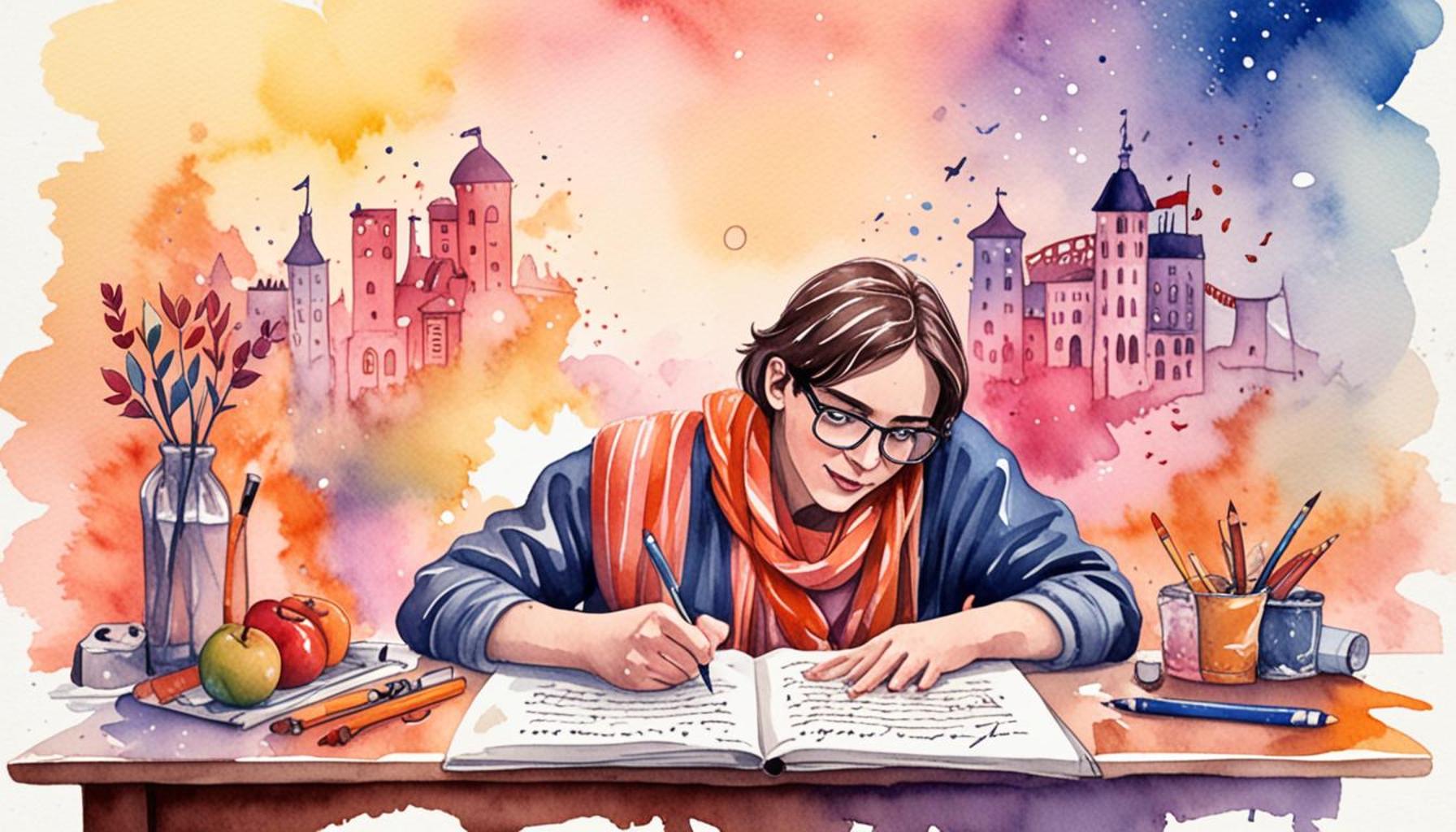
Transforming Stories into Projects: The Art of Telling Narratives in Different Formats

The Art of Adapting Stories
Every narrative is a seed waiting for the right environment to flourish, and in today’s interconnected world, the ability to effectively transform stories into projects can yield a rich harvest for creators. This transformation not only enhances the story itself but also expands its reach, allowing it to impact and engage wider audiences. The question then arises: what essential elements contribute to the success of these adaptations across various mediums?
Take, for example, the journey of an original tale stretching its limbs into multiple forms. A book, such as J.K. Rowling’s “Harry Potter” series, has not only captivated readers with its enchanting story but has also been successfully adapted into blockbuster films, stage productions, and immersive video games, creating an expansive universe. Each medium brings unique narrative opportunities and challenges, requiring deft adjustments while securing the essence of the original plot.
Exploring Diverse Mediums
Books serve as an excellent starting point for storytelling. They immerse readers in a deep literary landscape where nuances of character thoughts and subtleties of world-building can be fully explored. For instance, the depth of characterization in John Steinbeck’s “The Grapes of Wrath” allows readers to understand complex human emotions during the Great Depression, establishing a profound connection that visual adaptations may struggle to replicate.
In contrast, films leverage visual storytelling, crafting compelling scenes through cinematography and sound. A stark example is “The Great Gatsby,” where Baz Luhrmann’s film adaptation brought the roaring twenties to life through vibrant visuals paired with a modern soundtrack, appealing not only to film enthusiasts but also to a younger generation unfamiliar with the original literary context. This blend of old and new can breathe fresh life into classic stories.
Podcasts, on the other hand, enable auditory storytelling that travels seamlessly with listeners, be it during a morning commute or a late-night walk. Programs like “Welcome to Night Vale” exemplify how fictional narratives can be crafted into episodic broadcasts, utilizing voice acting and sound design to create an engaging atmosphere that transports audiences to another world.
Interactive Applications
Moreover, interactive apps represent a fascinating frontier in storytelling. They allow users to engage actively with the narrative, choosing pathways that can lead to multiple endings. Take the app “Choices,” which entices users to participate in romances, mysteries, and adventures by making decisions that significantly impact the outcome. Such technology harnesses the power of user agency, creating a deeply personalized storytelling experience that captivates modern audiences.
As creators embark on this transformative journey, a keen understanding of each medium’s unique strengths is paramount. Adapting a story demands more than simply transposing text; it involves rethinking how to portray characters, pacing the story, and utilizing the distinct attributes of each medium to engage the audience effectively. Those embarking on this creative voyage will find that the secrets to successful transformation lie not just in retaining the story’s core but also in rediscovering it from fresh perspectives. Through this lens, stories can flourish and reach greater heights, illuminating paths for both creators and audiences alike.
DIVE DEEPER: Click here to uncover the art of storytelling
Adapting to Different Storytelling Platforms
The modern landscape of storytelling is as diverse as the stories themselves. Each medium provides creators an opportunity to adapt their narratives in unique ways, tailored to the preferences and behaviors of their audience. Understanding the characteristics and capabilities of various platforms is essential to achieving success in transforming stories into projects.
One of the most traditional yet still powerful forms of storytelling is the written word. Whether it be novels, short stories, or essays, literature allows for an in-depth exploration of themes, complex characters, and rich plotlines. The ability to dive into a character’s internal monologue grants readers insights that film adaptations might gloss over. For example, in George Orwell’s “1984,” the protagonist Winston Smith’s thoughts provide a chilling view of a dystopian society that visual interpretations can struggle to convey fully. However, novels also present a challenge in adaptation, as the subtleties of prose may not always transition seamlessly into visually driven mediums.
Film, by contrast, breathes life into stories with visual splendor and sound design. The director must think critically about how to condense often lengthy narratives into cohesive and engaging two-hour films. The adaptation of Philip Pullman’s “His Dark Materials” showcases how visual effects can enhance fantastical elements, allowing viewers to immerse themselves in an alternate reality. Yet, this adaptation reaffirms the importance of storytelling economy—finding the balance between preserving critical narrative details while crafting a visually compelling experience.
Embracing New Technologies
As technology advances, so too does the storytelling process. Podcasts have surged in popularity, inviting audiences to experience narratives in a completely auditory format. The episodic nature of podcasts encourages listeners to engage with stories over time, blending the immediacy of radio with the depth of serial storytelling. Shows like “Lore” explore horror stories from folklore through meticulously crafted audio narratives, showcasing how sound can create vivid imagery in listeners’ minds without a single visual cue.
Another innovative platform lies within the realm of video games, where interactivity enhances storytelling. Gamers like exploring choices through narratives, impacting the outcome based on their decisions. Titles such as “The Last of Us” weave powerful storytelling with game mechanics that emphasize character relationships and moral dilemmas, making players part of the emotional journey. This involvement allows players to feel personally invested, showing how stories can adapt and thrive in interactive formats.
Key Elements of Effective Adaptation
For creators aiming to transform stories into various projects, several factors deserve attention:
- Audience Understanding: Recognizing the preferences, behaviors, and expectations of the targeted audience can dictate how the story should be adapted.
- Medium-Specific Techniques: Tailoring the narrative to leverage the strengths of each medium can amplify storytelling impact.
- Core Message Retention: Identifying and preserving the essence of the narrative is crucial, ensuring that adaptations maintain their heart while navigating new forms.
- Collaborative Efforts: Working with creators skilled in different art forms can lead to innovative approaches and a richer adaptation process.
Ultimately, the art of telling narratives across multiple formats requires a symbiotic relationship between the original story and the new medium. By honoring the roots of the tale while exploring fresh angles, creators can unleash the potential of stories, reaching far beyond their original confines and captivating audiences around the globe.
Transforming Stories into Impactful Projects
The art of telling narratives transcends mere storytelling; it serves as a powerful vehicle for turning concepts into actionable projects. Understanding how to translate stories across different formats enhances not only engagement but also retention and compassion in audiences.
Adaptability of Narratives
One of the most compelling aspects of effective storytelling is its adaptability. Several formats can be utilized, ranging from written articles and podcasts to visual media and live presentations. Each format offers unique advantages that can appeal to diverse audience segments. For instance, a visual story can quickly grab attention, while a written narrative allows for in-depth exploration of complex ideas. Adapting your story to fit the format optimizes outreach and impact.
Building Emotional Connections
Connecting emotionally with your audience is paramount. Stories that resonate on a personal level can inspire immediate responses and long-term relationships. Utilizing anecdotes or relatable examples can humanize your message, bridging gaps between abstract ideas and real-world experiences. Integrating strong thematic elements, such as conflict and resolution, invites the audience to engage deeply, thus propelling your message forward.
Engaging Diverse Audiences
When you effectively transform stories into various formats, you have the potential to engage a wider audience. Different demographics may prefer different mediums, thus broadening your reach and enhancing inclusivity. Social media platforms, for instance, allow for quick sharing and facilitate discussions that drive further engagement. Tailoring your storytelling approach depending on the platform helps maintain the message’s integrity while capturing the user’s attention.
Storytelling Tools and Techniques
In the toolkit of a storyteller, several techniques can elevate the narrative experience. Utilizing high-quality visuals, sound effects, or even interactive elements can enhance storytelling. Moreover, engaging in workshops, online courses, or drawing inspiration from successful case studies can refine one’s narrative skills. The right tools not only enhance creativity but also make the process of delivering stories more enjoyable for both the creator and audience.
Conclusion
Understanding how to transform narratives into compelling projects is crucial for effective communication. By leveraging various formats, creating emotional connections, engaging diverse audiences, and employing effective storytelling techniques, one can truly master the art of storytelling in innovative and impactful ways.
DISCOVER MORE: Click here to uncover innovative upcycling techniques
The Role of Cultural Context in Story Adaptation
Every story is intertwined with the cultural context in which it is created, making cultural awareness an essential component when transforming narratives across different formats. The nuances of societal values, historical significance, and local customs can significantly influence a story’s reception by its audience. For example, adaptations of classic fairy tales often take on different meanings depending on the culture in which they are told. The Japanese rendition of “Cinderella,” known as “The Tale of the Bamboo-Cutter,” emphasizes themes of humility and virtue that may be overlooked in Western interpretations.
Furthermore, the representation of diverse cultures within storytelling can both enrich and challenge creators. When adapting stories from one cultural lens to another, it is vital to maintain authenticity while also ensuring that the narrative resonates with a new audience. The film adaptation of “Crazy Rich Asians,” which celebrates Chinese culture within a contemporary American context, beautifully illustrates how cultural themes can bridge divides while remaining palatable to a broader audience. This film garnered significant box office success, showcasing how narratives steeped in rich cultural backgrounds can thrive in mainstream formats.
Transmedia Storytelling: A Unified Experience
In an era marked by hyper-connectivity, transmedia storytelling has emerged as an innovative approach to narrative transformation. This concept involves telling a single story across multiple platforms, such as books, films, television, and social media, creating a cohesive universe that invites deeper audience engagement. The “Star Wars” franchise exemplifies this model, with its expansive lore explored through movies, animated series, novels, and even comic books. Each platform contributes uniquely to the overall narrative while expanding the world-building and character development, allowing fans to experience the saga from various angles.
Transmedia storytelling doesn’t just cater to diverse audience preferences; it enhances audience investment in the narrative. Engaging multiple senses through visual and auditory experiences can enhance emotional connections, making the story more impactful. Brands have capitalized on this phenomenon as well, using transmedia approaches for marketing campaigns that tell stories in compelling ways. Nike’s “Just Do It” campaigns often feature narratively rich videos that resonate on social media, compelling customers to engage with the brand on a personal level.
Case Studies in Successful Story Adaptation
Looking at specific case studies can provide valuable insights into successful transformations of narratives. The adaptation of J.K. Rowling’s “Harry Potter” series into films has attracted a massive global fanbase, creating a cultural phenomenon. Each movie captures the essential elements of the books while making necessary changes for pacing and visual storytelling without straying from the original plotlines. Moreover, the franchise has expanded into theme parks, spin-off films, and merchandise, demonstrating the potential for transmedia storytelling.
Another noteworthy example is the graphic novel “Maus” by Art Spiegelman, which recounts his father’s experiences during the Holocaust through anthropomorphic characters. The visual elements imbue the story with emotional depth, emphasizing the gravity of history in an accessible manner. Adaptation of impactful narratives such as this showcases how graphic novels can effectively communicate complex themes while attracting a diverse readership.
These case studies underscore the importance of understanding both the source material and the intended audience in the adaptation process. With careful consideration and creativity, stories can transcend boundaries and find new life in various formats, engaging and inspiring audiences across generations.
DISCOVER MORE: Click here to uncover the transformative power of visual arts.
Conclusion: The Endless Possibilities of Narrative Transformation
The journey of transforming stories into projects reveals a vibrant landscape where creativity intersects with cultural consciousness and technological advancement. As explored in this article, the necessity of cultural context underscores the significance of authenticity in adaptation while enriching narratives when viewed through diverse lenses. Transmedia storytelling emerges as a compelling vehicle, offering storytellers the chance to connect with audiences across platforms, deepening emotional engagement and creating a more immersive experience.
Looking ahead, the potential for innovation in narrative formats is boundless. The success of adaptations, like the “Harry Potter” franchise and the poignant graphic novel “Maus,” illustrates the dynamism and adaptability of stories when approached with an understanding of both the source material and the targeted audience. As the lines between formats blur and new technologies, such as augmented reality and interactive storytelling, continue to evolve, creators are encouraged to think critically about how to enhance their narratives and embrace new forms of expression.
Ultimately, the art of storytelling transcends traditional boundaries; it invites ongoing dialogue, exploration, and creativity. In a world hungry for connection and understanding, transforming stories into projects not only preserves their essence but also allows them to resonate with new generations. As such, the mastery of narrating in different formats will remain a vital skill for creators seeking to engage, inspire, and leave an indelible mark on their audiences.