Writing for the World: Writing Projects that Address Cultural and Global Issues
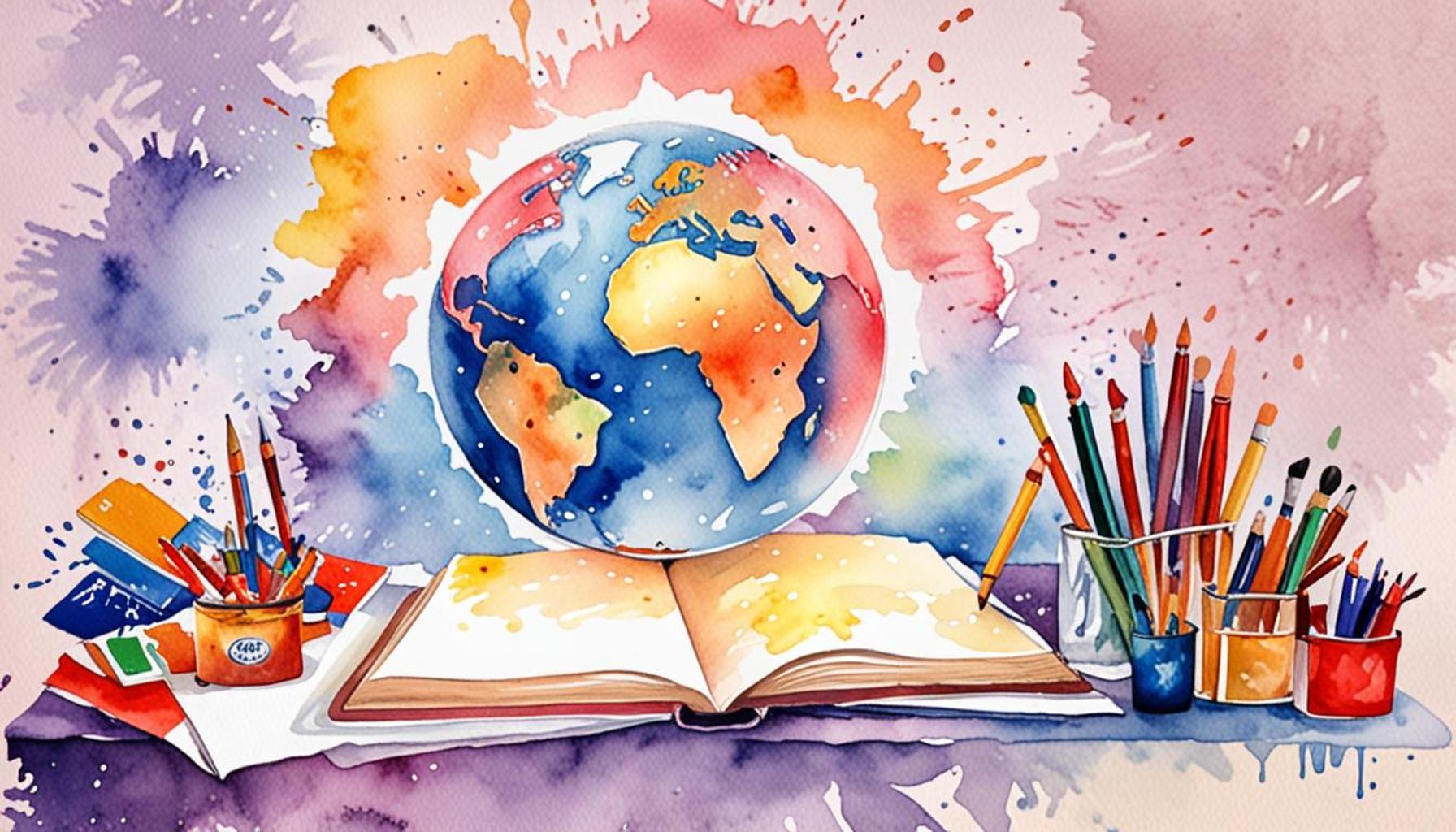
Unearthing Global Narratives
In an increasingly interconnected world, the power of storytelling is undeniable. Writing projects that tackle cultural and global issues not only foster understanding but also inspire action. As writers, we have the unique opportunity to convey messages that resonate across borders. Each narrative holds the potential to inspire transformative dialogues, making the world feel a little smaller and more connected.
Why It Matters
Writing with a global perspective serves several crucial functions:
- Promotes Awareness: By highlighting significant issues such as poverty, climate change, and human rights violations, writing can inform and engage audiences. For instance, consider the impact of articles that shed light on the water crisis in Flint, Michigan, which has spurred nationwide conversations about environmental justice and infrastructure equity.
- Encourages Empathy: Exploring different cultures through personal stories can bridge gaps of understanding. An excellent example of this can be seen in memoirs that recount the immigrant experience, allowing readers to feel the struggles and triumphs of individuals from diverse backgrounds. These narratives often evoke empathy, as readers come to recognize the shared humanity that transcends cultural differences.
- Fosters Action: Well-researched writing can motivate readers to engage with and advocate for critical global issues. Campaigns that stem from powerful investigative journalism, like those addressing systemic racism or climate action, empower individuals to participate in grassroots movements, thus creating a collective push toward societal change.
Types of Writing Projects
Several forms of writing can effectively address cultural and global issues. Here are a few notable examples:
- Documentary Scripts: These scripts capture real events and perspectives, offering a visual and textual exploration of pressing issues. Documentaries like “13th” by Ava DuVernay critically examine the intersection of race, justice, and mass incarceration in America, exemplifying how powerful storytelling can shine a light on injustices.
- Fictional Narratives: Fiction can be a powerful tool to reflect complex realities, as seen in works like Chimamanda Ngozi Adichie’s “Americanah.” It delves into themes of identity and race, prompting readers to contemplate social issues within an engaging storyline.
- Blogs and Articles: Online platforms provide a space for sharing insights and calls to action. Blogs that discuss sustainable living or social equity invite readers to adopt new practices and become active participants in the global conversation.
As you explore the landscape of global storytelling, consider how your own writing can become a catalyst for change. The stories we tell can shape perceptions and, ultimately, the world around us. By embracing a global narrative, each writer can contribute to a broader discourse, illuminating paths toward understanding and collaboration across nations and cultures.
DIVE DEEPER: Click here to unlock more creative ideas
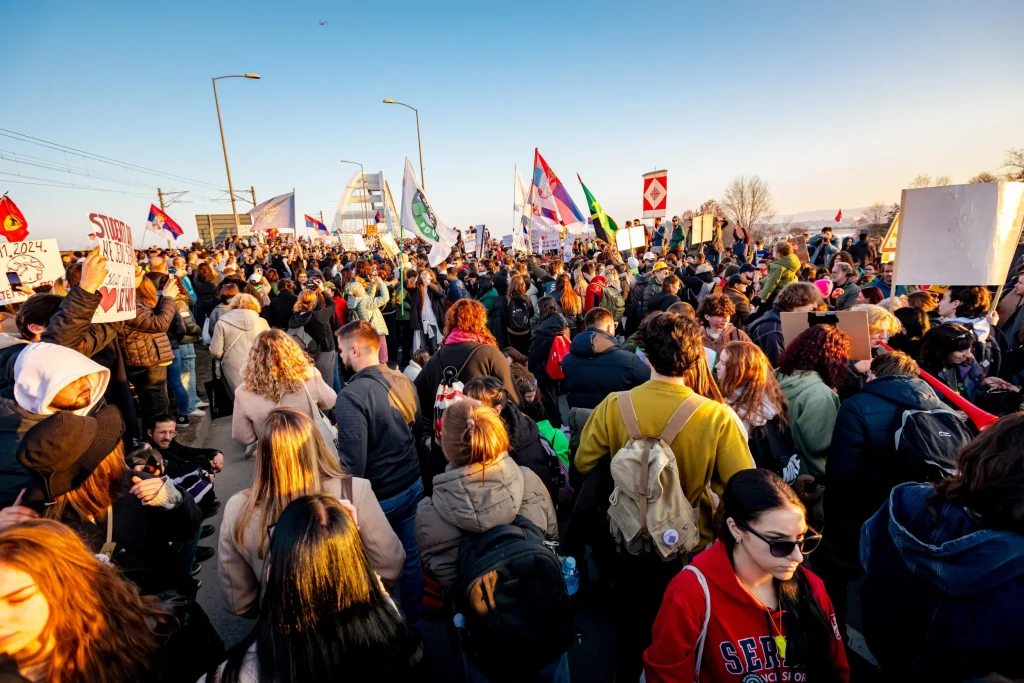
The Ripple Effect of Global Storytelling
Writing for a global audience is more than simply crafting words; it is about weaving narratives that reverberate across cultures, inspiring readers to contemplate the interconnected fabric of humanity. When addressing cultural and global issues, authors have the opportunity to not only inform but also to challenge societal norms, provoke thought, and initiate meaningful dialogue. As we delve deeper into the significance of these projects, we uncover myriad pathways through which writers can influence change.
Understanding the Impact
Writing that engages with cultural and global issues acts as a catalyst for discussion and transformation. Here are several key impacts such writing can have:
- Shaping Public Opinion: Well-articulated pieces can persuade readers to reconsider their views on contentious issues, such as immigration policy or climate action. A pertinent example can be found in the series of articles published by reputable outlets that expose the realities of refugee life, prompting empathy and understanding where ignorance may have once prevailed.
- Creating Cultural Bridges: Through diverse voices and perspectives, writing can dismantle stereotypes and build bridges between cultures. Authors like Junot Díaz, who writes both in English and Spanish, provide insight into the complexities of identity and belonging, enabling readers to appreciate the nuances of cross-cultural experiences.
- Encouraging Global Citizenship: By addressing global challenges such as poverty or gender inequality, writers can inspire readers to view themselves as active participants in fostering worldwide change. This idea has led to initiatives like the #GlobalGoals campaign, which encourages individuals to take action towards the United Nations’ Sustainable Development Goals through informed choices and advocacy.
Engaging Diverse Audiences
The reach of writing on cultural and global themes can be significantly amplified through various platforms. Here are some effective ways to promote engagement:
- Social Media Campaigns: Writers can harness the power of social media to share their narratives widely, engaging with audiences directly and fostering discussions around critical issues. Hashtags like #BlackLivesMatter and #MeToo have created global movements that highlight the importance of these narratives in shaping cultural perceptions and driving societal change.
- Collaborative Anthologies: Bringing together multiple voices in one publication allows writers to share diverse perspectives on a central theme, enriching the conversation around global issues. Anthologies such as “An Anthology of New Voices,” which collect essays from writers of various backgrounds, provide a platform for underrepresented narratives that may otherwise go unheard.
- Educational Workshops and Webinars: Hosting workshops that focus on writing about cultural and global issues empowers budding writers to explore these topics and contribute their insights. Such initiatives nurture a new generation of authors committed to social justice and environmental sustainability.
As writers traverse the terrain of global storytelling, they not only reflect on their own cultural identities but also shed light on the experiences of others. By actively participating in the dialogue surrounding cultural and global issues, writers can inspire change and cultivate a deeper understanding of the complexities that define our world.
Understanding Global Narratives through Writing
As writers embark on projects addressing cultural and global issues, they contribute significantly to the understanding and appreciation of diverse perspectives. Global narratives are enriched by nuanced storytelling, which helps to illuminate the complexities of different cultures. In fact, identifying commonalities among varied experiences can bridge divides and foster empathy. Through compelling narratives, writers can unveil hidden stories from marginalized communities, thereby addressing the imbalance in representation often found in mainstream media.
The Role of Research in Effective Global Writing
Research is an integral aspect of effective writing, especially when tackling global issues. Writers must ensure that their projects are grounded in reality and offer factual insights. This requires a deep dive into academic articles, interviews, and field studies to depict accurate portrayals of cultural contexts. By incorporating solid research, writers not only validate their narratives but also empower their audience with knowledge and understanding. Projects that prioritize informative and research-based insights tend to resonate more with the readers, stimulating thoughtful discussions.
Engaging with Local Communities
To write authentically about global issues, engaging with local communities is essential. Writers should immerse themselves in the cultures they wish to depict, listening, and learning from the voices within those communities. This engagement fosters authenticity and trust, vital components of impactful narratives. Furthermore, involving local perspectives in writing projects can lead to collaboration, opening doors for greater discourse on cultural understanding. By celebrating these unique stories, writers help preserve identities and promote cultural richness worldwide.
| Cultural Insights | Impact on Global Awareness |
|---|---|
| Diverse Voices | Highlighting underrepresented groups fosters inclusivity. |
| Authentic Representation | Encourages empathy and understanding across cultures. |
This commitment to diversity and representation lays the groundwork not only for informed writing but also inspires readers to explore the rich tapestry of world cultures. As writers navigate cultural nuances, they hold the power to shape conversations, amplify voices, and influence perception on a global scale. Thus, writing for the world transcends mere storytelling; it becomes a vessel for change and insight.
DON’T MISS: Click here to enhance your collaborative writing skills
Empowering Voices through Narrative
In the realm of writing, the empowerment of marginalized voices can be one of the most transformative actions a writer can take. By prioritizing underrepresented perspectives, writers not only broaden the discourse surrounding cultural and global issues but also create opportunities for healing and understanding. This process of amplifying diverse narratives can lead to profound societal shifts, enabling authentic dialogues across ideological divides.
The Role of Personal Narratives
Personal stories possess a remarkable ability to connect with readers on an emotional level, highlighting the commonalities in our human experiences. Writers such as Chimamanda Ngozi Adichie exemplify this through their works that delve into themes of identity, migration, and resilience. Adichie’s acclaimed TED Talk, “The Danger of a Single Story,” emphasizes the importance of multifaceted narratives that reflect the complexities of individual lives. By showcasing diverse experiences, writers can effectively challenge stereotypes and foster a more nuanced worldview among their audience.
Utilizing Journalistic Integrity
To responsibly address cultural and global issues, writers must uphold the principles of journalistic integrity. Research and fact-checking are paramount, as the consequences of misinformation can be dire. Investigative pieces, such as those conducted by The Guardian on the impacts of climate change, play a vital role in educating the public while holding power structures accountable. Through rigorous examination and evidence-based storytelling, writers can strengthen their credibility and ensure that their messages reach those in positions to effect change.
The Power of Fiction in Advocacy
Fiction, often dismissed in serious discussions, can be a powerful tool for advocacy. Through compelling narratives, authors can explore the depths of cultural issues in a way that resonates deeply with readers. Novels like “The Night Circus” by Erin Morgenstern or “The Kite Runner” by Khaled Hosseini weave rich tapestries of culture, emotion, and hardship, enabling readers to step into the shoes of others. Such immersive experiences are essential for fostering empathy, encouraging audiences to become advocates for change in real life.
Articulating Solutions through Policy Writing
Writers also have a unique opportunity to engage in policy writing, bridging the gap between cultural narratives and practical solutions. The ability to articulate compelling arguments for social change, whether through essays, reports, or blogs, allows writers to influence policymakers directly. Initiatives like the “Open Letter” format have gained traction, encouraging writers to address key stakeholders on pressing global issues. Through clear, actionable recommendations, writers can help shape public policy and inspire collective action.
Exploring Digital Platforms
The digital age has revolutionized how cultural and global issues are shared and discussed. Blogging platforms, podcasts, and online magazines provide ample space for writers to disseminate their work to vast audiences worldwide. Initiatives such as the “Writers for the Caribbean” project illustrate how digital storytelling can break geographical barriers, supporting writers from diverse backgrounds in sharing their narratives. Moreover, these platforms create a sense of community, encouraging collective storytelling that highlights shared experiences and drives meaningful change.
As writers engage with the world through their narratives, they not only elevate diverse voices but also craft a more informed and compassionate global community. By confronting the challenges of cultural and global issues through various forms of writing, they can inspire others to join in the mission for understanding and change. This ongoing commitment to storytelling acts as a beacon of hope in addressing the complexities that define our interconnected existence.
DIVE DEEPER: Click here to discover how digital tools are reshaping the art world
Conclusion: The Role of Writing in a Global Landscape
As we navigate an increasingly interconnected world, the significance of writing for cultural and global issues cannot be overstated. Writers are uniquely positioned to serve as catalysts for change, leveraging their craft to foster understanding and empathy among diverse populations. By amplifying marginalized voices and shedding light on underreported narratives, writers not only challenge prevailing stereotypes but also cultivate a sense of shared humanity that transcends borders.
The dual forces of journalistic integrity and creative storytelling work hand in hand to educate and inspire action. Investigative journalism informs audiences about pressing issues, while fiction and personal narratives offer immersive experiences that resonate deeply on an emotional level. As highlighted in recent discussions around climate change and social justice, the impact of well-researched and heartfelt writing can influence public thought and compel policymakers to act.
Furthermore, the advent of digital platforms has revolutionized the landscape of global writing, providing unprecedented access to audiences worldwide. Initiatives that promote cross-cultural collaboration exemplify the power of collective storytelling, allowing writers to share their truths and foster community. Writers today must embrace their responsibility as informed advocates while remaining dedicated to exploring various mediums to articulate important messages.
As we look to the future, it is clear that the world needs writers who are committed to addressing cultural and global issues. Their work not only educates but also inspires a movement towards understanding, compassion, and ultimately, change. By engaging with these complex themes, writers can shape a narrative that envisions a better world for everyone, underscoring the importance of their role in this ongoing journey.