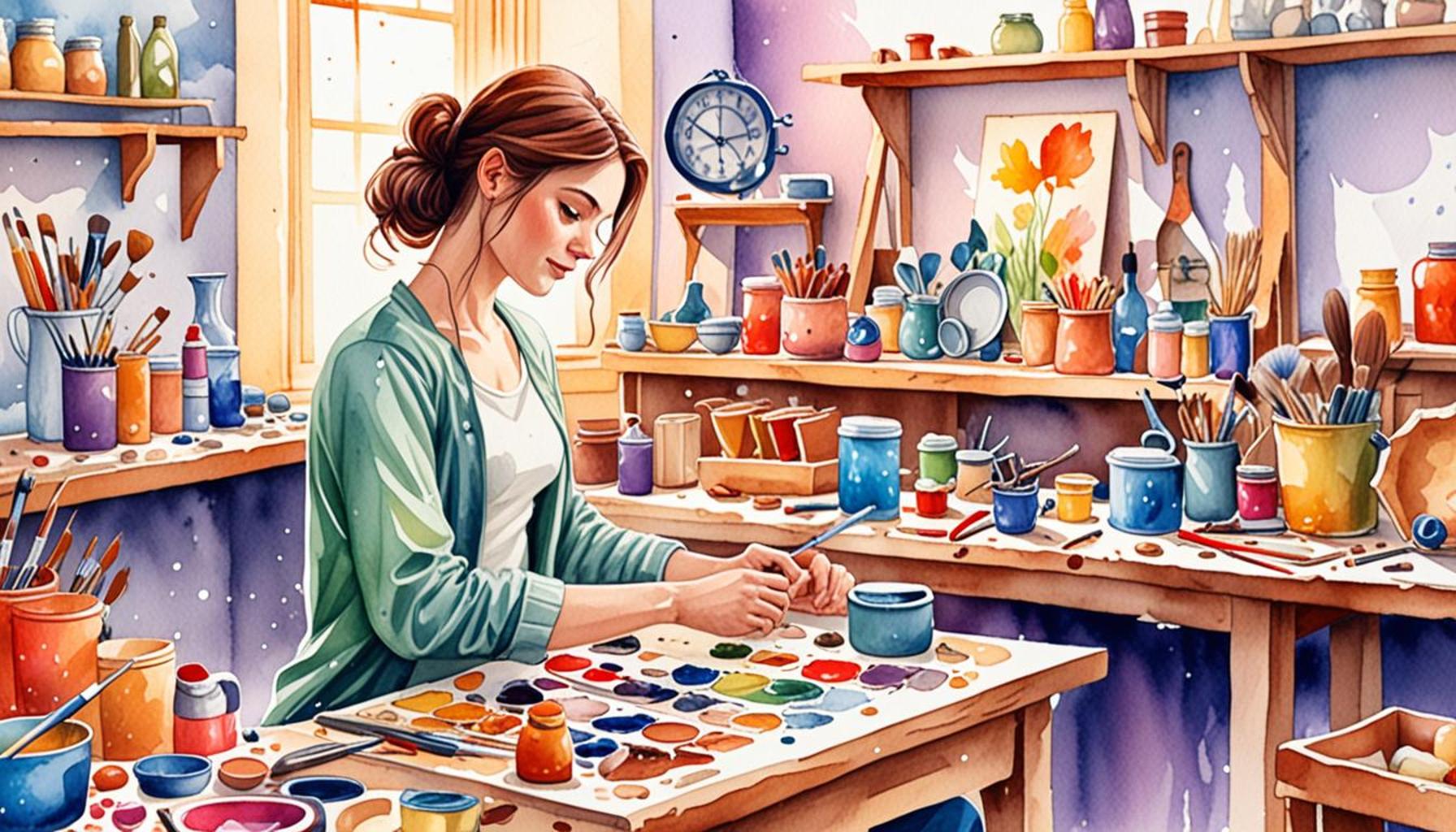
The Evolution of Handicrafts: How Manual Traditions are Adapting to the 21st Century
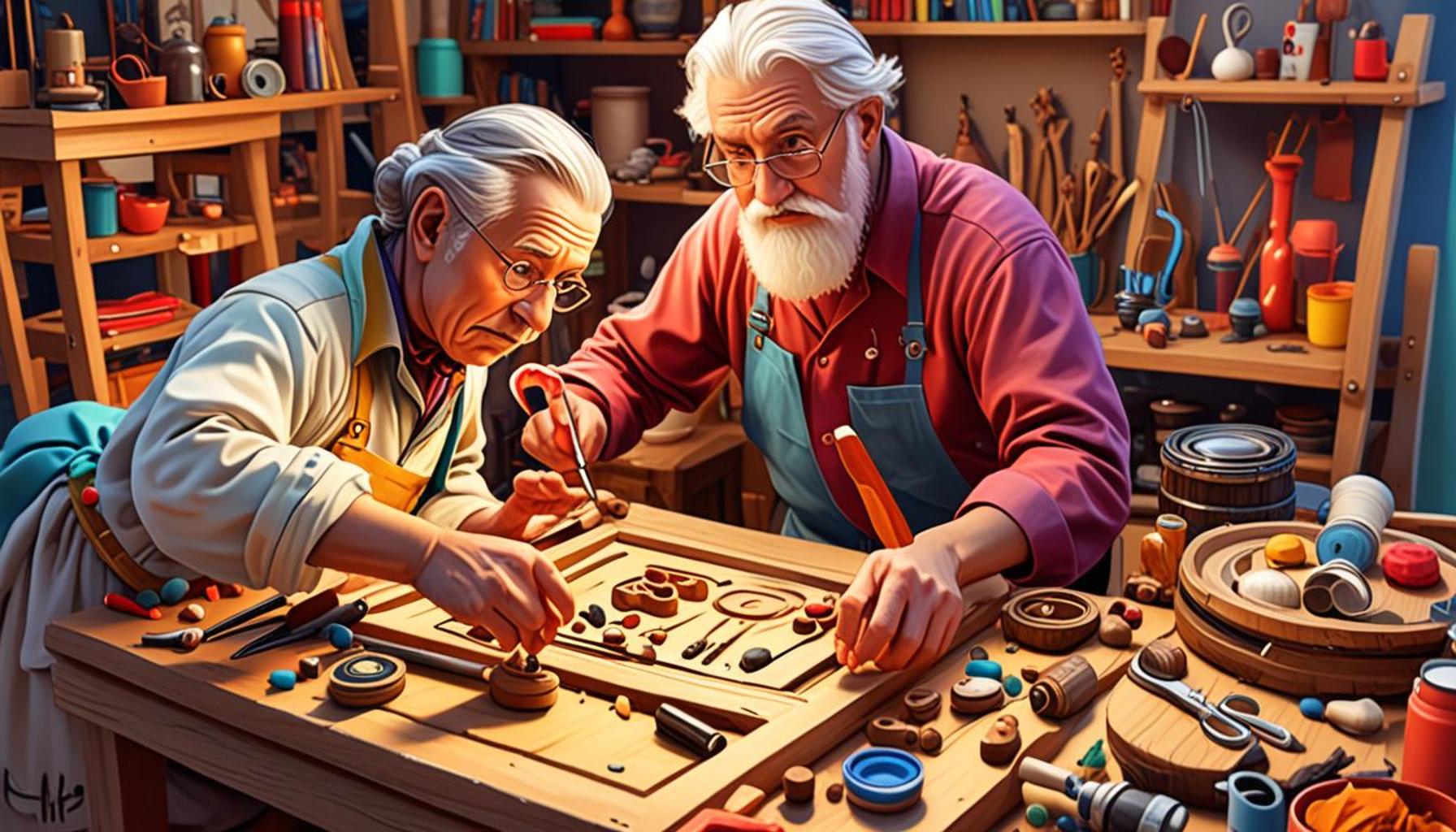
Transforming Tradition: The New Era of Handicrafts
The world of handicrafts is witnessing a renaissance as it evolves to fit seamlessly into the digital age. Artisans, who traditionally relied on age-old methods, are now integrating innovative technologies to keep their crafts not only alive but thriving. This transformation is not just sweeping through individual workshops; it is reshaping entire industries, making handicrafts more relevant than ever in our contemporary society.
Today, handicrafts blend heritage and technology. The incorporation of digital tools has opened doors that were previously unimaginable for craftsmen. For instance, artisans can now sell their creations on e-commerce platforms such as Etsy and Amazon Handmade, reaching a global audience that extends beyond their local markets. This accessibility is crucial, especially for those living in remote areas who might not have had such exposure before.
Digital Platforms: A Global Marketplace
Artisans are seizing the opportunity presented by these digital platforms to connect with consumers around the world. For example, a ceramicist in New Mexico can showcase intricate pottery to buyers in Europe, while a handwoven textile artist in the South can sell their products directly to fashion enthusiasts in urban centers like New York City. Such platforms serve as a bridge between traditional craftsmanship and modern consumer demands, perhaps redefining the notions of locality and craft.
The Power of Social Media
In addition to e-commerce, social media platforms like Instagram and Pinterest have become vital promotional tools for artisans. These platforms allow users to showcase their unique works visually, creating communities that celebrate creativity and craftsmanship. A simple photo of a handmade bracelet or a video demonstrating the intricate process of weaving can go viral, capturing the attention of potential customers and fellow makers alike. An example is the hashtag #Handmade, which has millions of posts dedicated to the art of creation, encouraging more artisans to share their stories and engage with audiences.
Sustainable Practices: Crafting a Greener Future
Another essential trend in the evolution of handicrafts is the shift towards sustainable practices. Many artisans are responding to consumer demands for eco-friendly materials and ethical production methods. This includes sourcing recycled materials, using natural dyes, and adopting low-impact manufacturing processes. Such practices not only appeal to environmentally conscious consumers but also help artisans tell a story of sustainable living through their crafts. For example, a jeweler might use reclaimed metals or ethically sourced stones to create their pieces, showcasing a commitment to both quality and sustainability.

This exciting shift not only preserves age-old techniques but also inspires a new generation of creators. As young artisans enter the field, they bring fresh perspectives and innovative ideas, contributing to a vibrant artistic landscape. Cultural stories and personal expressions manifest through the evolution of crafts, making them a reflection of both the past and the present. The crafts that emerge are not merely products; they embody the legacies of their artisans while speaking to contemporary issues such as sustainability and community building.
As we delve deeper into this topic, we will explore how traditional artisans adapt, innovate, and thrive in a rapidly changing marketplace. Join us on this journey through the intricate tapestry of modern handicraft evolution, where each stitch, brush stroke, and molded clay tells a story that connects history with the future.
DIVE DEEPER: Click here to learn more
Bridging the Gap: How Handicrafts Adapt to Modern Needs
The landscape of handicrafts has transformed dramatically over the past few decades, driven by technological advancements and shifting consumer preferences. Artisans are now faced with a dual challenge: maintaining the authenticity of their craft while also responding to the demands of a fast-paced world. The balance between tradition and innovation is at the heart of this evolution, enabling artisans to reach wider markets and attract new audiences.
One of the most significant changes within the realm of handicrafts is the increasing emphasis on collaboration. Artisans are forging connections not only with one another but also with other commercial entities. Collaborative projects can be seen emerging throughout the United States and beyond, with local artists teaming up with designers and brands, allowing for a fusion of traditional techniques and contemporary aesthetics. Such partnerships can elevate the visibility of these crafts, especially in industries such as fashion, home décor, and even technology.
Embracing Technology: Tools for Craftsmanship
At the core of this transformation is the adoption of technology in craftsmanship. Digital tools are no longer reserved for conventional industries—they have become essential for artisans who want to streamline production processes and expand their creative horizons. Evolving technologies include:
- 3D Printing: Allowing artisans to create prototypes and unique designs with precision, enabling customizations that were once time-consuming.
- Digital Design Software: Facilitating the visualization of concepts before they are brought to life, helping artisans refine their ideas more efficiently.
- Augmented Reality (AR): Providing customers the ability to see how a piece of art or craft would look in their own environment before committing to a purchase.
These innovations do not undermine the craftsmanship itself; rather, they enhance the artisan’s ability to express their creativity while catering to modern consumer preferences. For example, an artisan who specializes in furniture may utilize CAD (Computer-Aided Design) software to explore intricate design elements that complement their craftsmanship without sacrificing the handmade quality that consumers cherish.
Consumer Demand: Authenticity Meets Modern Convenience
As more consumers shift towards products that embody authenticity and artistry over mass production, the desire for handicrafts has grown. This trend is often sparked by a longing for connection—consumers wish to own pieces that tell a story or reflect the values of sustainability. Recent studies show that around 69% of U.S. adults are willing to pay more for products made sustainably or ethically, underscoring an important shift in buying behaviors. Arts and crafts fairs, local markets, and online platforms provide artisans the perfect stage to share their narratives, making their work not just a product but a conversation starter.
Moreover, the rise in popularity of handmade goods has inspired consumers to seek personalized experiences. Many artisans now offer custom-tailored options that resonate with clients on a personal level. This focused approach to consumer engagement not only encourages repeat business but also fosters a loyal community of supporters who appreciate the craftsmanship behind each item.
This dynamic interplay of tradition, technology, and consumer interest sets the stage for continued innovation within the world of handicrafts. As this evolution unfurls, it highlights the resilience of human creativity, connecting past craftsmanship with future possibilities. As we explore further, we will uncover the intricate details of how these labor-intensive practices are standing the test of time in the face of modernization.
| Category | Details |
|---|---|
| Sustainability | Handicrafts often utilize eco-friendly materials, reducing the carbon footprint compared to mass production. |
| Cultural Preservation | Crafting methods passed through generations help maintain and showcase local traditions and identities. |
| Innovation | Modern technology allows artisans to reach global markets, blending traditional techniques with contemporary designs. |
| Community Impact | Handicraft production can lead to job creation and skill development in local communities. |
As the 21st century continues to unfold, the world of handicrafts is not only surviving but also thriving through innovative adaptations. The rise of e-commerce platforms has opened doors for artisans to present their work to a global audience, allowing the rich tapestry of traditional craftsmanship to influence modern aesthetics. Artisans are now seamlessly blending cultural heritage with contemporary design trends, which appeals to a diverse consumer base seeking authenticity.Moreover, the increased demand for sustainable practices further enhances the value of handicrafts. Consumers are becoming more aware of their environmental impacts—favoring products that promise ethical sourcing and a reduced carbon footprint. This shift is empowering artisans to showcase their commitment to sustainability by using local resources and traditional techniques that honor the earth.There is also a burgeoning interest in DIY and artisanal workshops, prompting younger generations to reconnect with their heritage through hands-on experiences. This not only cultivates appreciation for these crafts but also encourages collaboration between experienced artisans and novices, ensuring that these age-old traditions are passed down.By aligning traditional craftsmanship with modern sensibilities, the evolution of handicrafts reflects a resurgence of interest in authenticity and personalization while adapting to current market demands. The journey of manual traditions is indeed a fascinating narrative of growth, resilience, and transformation that continues to evolve.
DISCOVER MORE: Click here to unlock your team’s creativity
The Role of Social Media: Crafting a Global Community
In the digital age, social media has emerged as a powerful tool for artisans, facilitating connections that transcend geographical boundaries. Platforms like Instagram, Pinterest, and Etsy have become virtual showrooms where artisans showcase their work to a global audience. This newfound visibility plays a crucial role in not only selling products but also sharing the stories behind them. The engaging visual medium allows crafters to display their techniques in videos or ‘behind-the-scenes’ snapshots, creating a personal bond with their audience.
Research indicates that over 50% of small business owners in the U.S. now use social media to promote their products. For artisans, these platforms not only serve as marketing tools but as community builders. For instance, hashtags like #HandmadeWithLove or #ArtisanCrafts connect artisans with similar interests and potential buyers. Through these tags, artisans can participate in global conversations about sustainability, craftsmanship, and creativity, turning their craft into a shared experience rather than just a transaction.
Online Marketplaces: Redefining Traditional Venues
The rise of online marketplaces such as Etsy and Handmade at Amazon has radically transformed the landscape for artisans. Traditional craft fairs, although still valuable, often have limitations in terms of location and accessibility. Online platforms provide artisans with an opportunity to reach customers worldwide, removing geographic barriers and allowing for the broad distribution of handmade goods. Consumers can browse diverse offerings from multiple artisans, enhancing their ability to discover unique products that align with their values.
Additionally, these platforms facilitate customer feedback and ratings, enabling artisans to build credibility and trust. The transparency of online transactions means artisans can continuously refine their offerings based on direct consumer feedback, promoting a cycle of improvement that traditional sales methods do not always allow. According to a survey, around 76% of consumers prefer shopping from small businesses that engage with their audience on social media, indicating there is a clear correlation between online engagement and sales success.
The Rise of Craft Education: Sustainability Through Learning
Another noteworthy development in the evolution of handicrafts is the heightened interest in craft education and workshops. In response to the growing demand for handmade goods, various organizations and individuals have begun offering classes that teach traditional crafts such as weaving, pottery, woodworking, and textiles. This education not only preserves these manual traditions but also empowers a new generation of artisans to explore their creativity.
For example, local community centers and craft stores often hold weekend workshops where participants can learn the basics of a craft while fostering a sense of community. Such initiatives serve multiple purposes; they help preserve traditional skills, create new artisan networks, and engage consumers in sustainable practices. As individuals learn to craft, they gain a deeper appreciation for handmade goods, encouraging a culture of responsible consumption that prioritizes quality over quantity.
The commitment to passing on these skills often aligns with a shared ethos of sustainability. As artisans teach their crafts, they also emphasize the importance of locally sourced materials and eco-friendly practices. For many, the craft becomes a means of addressing broader societal issues, such as environmental degradation and the decline of local economies. This multi-faceted approach to handicrafts enriches their significance, evolving them into more than just objects of beauty but also instruments of social change.
DISCOVER MORE: Click here to enhance your skills
Conclusion: Embracing the Future of Handicrafts
The story of handicrafts in the 21st century is one of remarkable adaptation and resilience. As we navigate a fast-paced digital landscape, traditional artisans have begun to harness the potential of new technologies, transforming their craft from a local affair into a global phenomenon. The impact of social media and online marketplaces has not only expanded their reach but has also facilitated a rich exchange of ideas and connections among artisans and consumers alike.
The continuing rise of craft education illustrates a dedicated movement towards sustainability and the preservation of manual traditions. By engaging communities as creators rather than just consumers, workshops and classes ensure that the richness of these skills is passed down through generations, fostering a culture of appreciation for quality handmade goods. This effort leads not only to a revival of traditional practices but also to a commitment to ethical consumption and sustainability.
Moving forward, the evolution of handicrafts sheds light on pressing societal issues such as environmental sustainability and support for local economies. In an era increasingly defined by technological advancement and mass production, artisans have the unique opportunity to carve out a space that values craftsmanship and creativity. As we witness this transformation, we are reminded that the heart of handicrafts lies not just in the finished products, but in the stories of the artisans who breathe life into each creation. The future of handicrafts is bright, and there is much to discover—an invitation for us all to explore, appreciate, and support the vibrant world of handmade art.