Craftsmanship and Personal Expression: How Handmade Projects Aid in Identity Discovery

The Significance of Handmade Craftsmanship
In an increasingly automated world highlighted by mass production, the importance of handmade projects presents a refreshing perspective on personal expression and individuality. Each piece meticulously crafted by hand is not just an item but a narrative reflecting the maker’s skills, experiences, and journey toward self-discovery.
Engaging in craftsmanship enables individuals to:
- Express their unique perspectives in a tangible form
- Connect with their cultural heritage through traditional techniques and motifs
- Explore personal emotions and stories, facilitating emotional healing and expression
Consider the process of creating pottery. Many artisans draw from ancestral techniques, infusing their work with cultural significance while experimenting with modern styles. This merging of old and new allows them to articulate their identities and tell stories that resonate with both themselves and their audience. Similarly, woodworking connects individuals to nature and tradition, as the selection of materials and the finishing touches can reflect personal stories and ecological beliefs.
The tactile nature of these activities not only enhances creativity but also nurtures a deeper sense of ownership over the crafted item. By physically engaging with materials—from the softness of yarn in knitting to the solidity of wood in carpentry—individuals often find themselves immersed in a meditative state, activating their minds and spirits. This process can lead to heightened self-awareness and reflection, encouraging makers to delve into their personal values and beliefs.
Research has shown that engaging in such craftsmanship can enhance mental well-being, reduce stress, and even foster community connections. For instance, participating in local craft fairs or workshops can introduce makers to like-minded individuals, forming supportive networks that further enrich their creative journeys. By fully embracing craftsmanship, individuals can cultivate a profound relationship with their identity, leading to the production of items that carry both aesthetic and emotional significance.
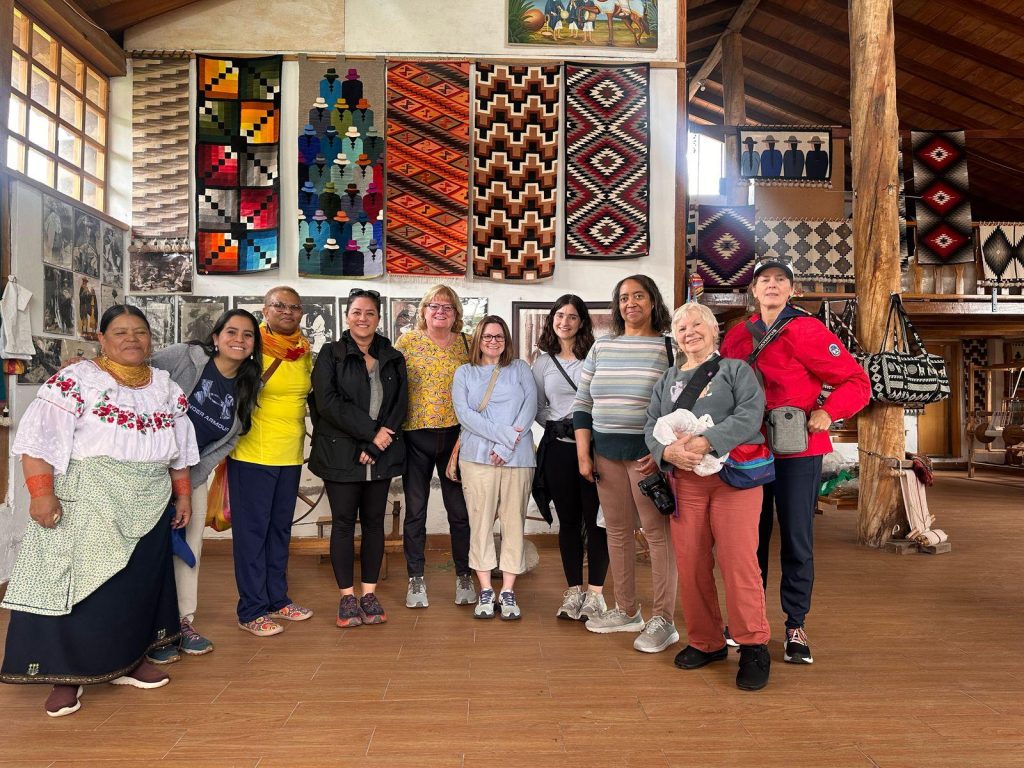
As we delve deeper into the intricate ways in which craftsmanship facilitates personal expression, it becomes increasingly evident that the journey of creation is just as vital as the final product. Exploring the realm of handmade projects can uncover not only personal insights but also reveal paths towards identity discovery that can enhance the quality of life. So, whether you are a seasoned artisan or a curious beginner, consider engaging in a craft that resonates with you; the transformative power of creativity might just illuminate your path to self-discovery.
DISCOVER: Click here to uncover the impact of musical communities
Exploring Identity Through Handmade Artistry
Handmade projects are not merely outlets for creativity; they serve as profound instruments for identity exploration and expression. When individuals engage in craftsmanship, they often embark on a journey that transcends the physical act of making. This journey allows crafters to reflect on their past, explore their current emotions, and envision their future selves. The creation process is a dance between technical skill and emotional connectivity, making the outcome deeply personal.
The act of creating something by hand engages more than just the mind; it activates emotions and memories, significantly contributing to identity discovery. For many, the choice of materials played a crucial role in this process. Whether it’s the texture of fabric in quilting, the hue of paint in a canvas, or the grain of wood in furniture making, these elements often echo personal or cultural significance. As makers select their materials, they make deliberate choices that reflect who they are and where they come from.
Moreover, the process of learning and mastering a craft can act as a transformative experience. Here are several ways in which handcrafted projects can catalyze personal growth:
- Skill Acquisition: Gaining new skills boosts confidence and encourages self-efficacy. From mastering knitting techniques to learning the intricacies of glassblowing, these experiences contribute to a sense of accomplishment.
- Cultural Engagement: Many crafts are steeped in cultural practices that allow artisans to connect with their heritage. By embracing these traditions, creators not only honor their ancestry but also weave their personal narrative into the broader tapestry of cultural history.
- Emotional Catharsis: Crafting can serve as a therapeutic outlet, helping individuals process feelings, whether they are joyful or painful. The meditative nature of repetitive tasks can lead to moments of clarity and emotional breakthroughs.
An intriguing example of this is found in the world of handmade jewelry. Artisans often draw inspiration from their travels or familial heirlooms, resulting in pieces that embody personal stories and emotional resonance. A simple bracelet can encapsulate memories of a family vacation, while an intricate pendant may represent the artisan’s cultural roots. Consequently, every piece tells a story that is both unique and relatable, fostering connections between the maker and the audience.
In the realm of crafting, the community aspect further enhances the discovery of identity. Workshops and crafting circles provide a supportive network for sharing ideas and techniques, allowing individuals to learn from one another while forging new friendships. This collective experience can strengthen one’s sense of belonging and provide a platform for further personal exploration.
As we dive deeper into the enriching world of craftsmanship, it becomes clear that the implications of handmade artistry extend far beyond the physical creation. Each project is an opportunity to engage in self-reflection, providing vital insights into an individual’s evolving identity. Embracing the process of crafting may not only lead to the development of tangible products but to an authentic expression of self that resonates deeply in today’s fast-paced, mass-produced environment.
| Advantage | Details |
|---|---|
| Enhanced Creativity | Crafting allows individuals to explore their creative potential, expressing unique ideas and concepts. |
| Sense of Accomplishment | Completing a handmade project instills a deep sense of pride and achievement, reinforcing one’s identity. |
| Connection to Heritage | Engaging in traditional crafts can strengthen ties to cultural roots, enhancing personal identity. |
| Community and Relationships | Handmade projects can foster connections with like-minded individuals, enhancing social identity and belonging. |
The world of handmade projects operates as a fertile ground for identity discovery. By diving into various crafts, individuals embark on a meaningful journey that reveals their intrinsic creativity. For many, the process of creating something from scratch sparks not just satisfaction but a sense of achievement that resonates deeply with one’s self-worth. As makers engage with materials, they rediscover parts of themselves that may have lain dormant, leading to a richer understanding of their own identity.Moreover, traditional craftsmanship often serves as a gateway to heritage exploration. By learning and mastering age-old techniques, individuals can connect with their cultural history, reinforcing their sense of belonging. This blend of creativity and tradition cultivates a unique personal narrative that shapes how one sees themselves.Finally, handmade projects often encourage community, creating spaces for collaboration and shared experiences. Such interactions can enhance social connections, helping individuals to forge deeper relationships with others who share similar passions. Thus, the realm of crafting not only allows for personal expression but also offers a path toward building a well-rounded identity.
DISCOVER MORE: Click here to explore creative recycling ideas
The Psychological Benefits of Handcrafting
Delving into the realm of handmade projects reveals not only the joy of crafting but also the subtle psychological benefits these activities can provide. Engaging in craftsmanship can elicit a sense of mindfulness, enabling individuals to become present in the moment and focus on the task at hand. This meditative aspect of creating enhances emotional well-being, allowing crafters to temporarily escape from daily stressors. According to a study published in the American Journal of Public Health, engaging in creative activities is associated with higher levels of happiness, suggesting that the act of crafting can be a powerful tool for emotional resilience.
Additionally, the significance of community engagement in the crafting process cannot be underestimated. Craft fairs, local artisans’ markets, and online crafting groups, like those on platforms such as Etsy and Instagram, create spaces where individuals can gather, share, and collaborate. This not only facilitates the exchange of ideas and techniques, but also nurtures a sense of shared purpose and identity amongst participants. Being part of a crafting community fosters the exchange of narratives—whether they involve struggles, successes, or inspirations—which ultimately enrich personal identity.
- Sense of Accomplishment: Completing handmade projects instills a sense of pride and achievement. Each finished piece represents a challenge overcome, which reinforces positive self-perception and contributes to personal identity. This confidence can extend into other areas of life, empowering individuals to take on new challenges.
- Expression of Values: Crafting often reflects one’s values and beliefs. For example, the growing trend of upcycling furniture and using sustainable materials not only allows for personal expression through design but also aligns with environmentally conscious values, serving as a testament to the individual’s priorities.
- Connection to Traditions: Crafting can also be a means of connecting with family traditions. Many individuals find themselves engaged in crafts passed down through generations, such as quilting or pottery. This connection to heritage can deepen one’s understanding of self-identity and foster a sense of continuity across generations.
For example, consider the rise of crochet as a popular means of self-expression among younger generations. Primarily viewed as a practical skill, crochet has transformed into an artistic medium where individuals create modern, abstract designs that challenge conventional aesthetics. This evolution allows crafters to redefine their identities in a contemporary context while embracing traditional methods. By sharing their results through social media, individuals build a sense of belonging with others who appreciate the blend of past and present.
Furthermore, the act of crafting can clinch deeper layers of understanding about personal identity. Some creators utilize crafting as a form of storytelling, where each piece recounts moments from their lives. Whether it’s through the playful charm of handmade dolls or the modern clean lines of ceramic wares, artisans imbue their creations with narratives that resonate with their values, beliefs, and experiences. This storytelling aspect unveils not just who they are as creators, but also their broader socio-cultural experiences.
In essence, the psychological impacts and social connections forged through craftsmanship echo the significance of handmade projects in the context of identity discovery. By actively engaging in the world of crafting, individuals unlock new facets of themselves—embracing both personal growth and heartfelt self-expression.
DISCOVER MORE: Click here to delve deeper
Conclusion
In exploring the intricate relationship between craftsmanship and personal expression, it becomes evident that handmade projects are more than mere hobbies; they are vital tools for discovering and reinforcing identity. Engaging in crafting not only nurtures creativity but also fosters a profound sense of accomplishment and individuality. Each unique creation serves as a canvas upon which crafters can paint their values, beliefs, and experiences, enabling them to communicate their stories without uttering a word.
The psychological benefits associated with crafting are significant, offering a refuge for mindfulness and emotional resilience in an increasingly fast-paced world. As individuals embrace their artistic pursuits, they cultivate a connection with themselves, their history, and their communities, enriching their understanding of who they are at their core. The act of creating, whether through pottery, textile arts, or woodworking, enhances personal growth and forms connections with others who share similar passions.
This aspect of community engagement adds depth to the crafting experience, emphasizing shared identities and narratives among creators. As crafting continues to gain popularity in various forms—from online platforms to local fairs—individuals are presented with even more opportunities to explore their identities while exchanging ideas and experiences with others. Thus, crafting stands as a dynamic avenue for identity discovery, encouraging a lifelong journey of creativity, connection, and personal expression.
In conclusion, the world of handmade projects invites everyone to discover and embrace their authentic selves. By recognizing the valuable role that crafting plays in shaping identity, individuals can embark on transformative journeys, exploring new dimensions of personal expression one creation at a time.