The Importance of Experimentation in Art: How Exploring New Techniques Can Enrich Your Creativity
Unlocking Creative Potential Through Experimentation
In the world of art, stagnation can stifle creativity. Experimentation offers a rejuvenating path to newfound inspiration. By embracing the unknown, artists can discover innovative techniques and perspectives that redefine their work. The world of art is constantly evolving, and engaging in experimentation not only keeps the artistic process fresh but also enhances personal expression.
Consider the following key benefits of experimenting in art:
- Expansion of Skills: Venturing into new mediums, such as acrylics, oil paints, or digital art tools, allows artists to improve their technical abilities significantly. For example, an artist who typically paints with watercolors might experiment with acrylics to explore vibrant colors and textures that are not achievable with their usual materials. This not only develops their craftsmanship but also encourages new ways of thinking about composition and form.
- Discovery of Personal Style: Mixing styles can lead to a unique artistic identity. An artist might combine elements of realism and abstract art to create a distinct voice that stands apart from traditional genres. This blending of styles was famously seen in the work of artists like Georgia O’Keeffe, who melded abstract forms with floral subjects to create captivating and original pieces.
- Breaking Creative Blocks: When faced with creative stagnation, new techniques can invigorate the artistic process. For instance, an artist experiencing a block may try collage-making or digital manipulation, which can spark fresh ideas and perspectives. Embracing risk and uncertainty could lead to the serendipitous discovery of a compelling theme or technique that reignites motivation.
Throughout art history, many renowned artists have transformed their work through experimentation. Take Vincent van Gogh, who utilized bold colors and dynamic brushwork in innovative ways to express emotion rather than mere representation. His exploration of color theory can be seen as a form of experimentation that challenged conventional approaches of his time. Likewise, Jackson Pollock revolutionized abstract expressionism with his groundbreaking drip techniques, embracing spontaneity to convey his inner psyche on canvas.
Incorporating experimentation into your artistic practice can pave the way for innovative developments. By pushing boundaries, you enhance your creative journey and uncover aspects of your artistry that may have remained hidden. Whether you join an art class focusing on unfamiliar techniques or simply devote time to creating without a specific goal, setting out on this exploratory path can offer transformational experiences.
In conclusion, engaging in creative experimentation not only allows for the evolution of individual artistry but also works to invigorate the entire art community. By fostering a culture of exploration, artists can inspire each other and contribute to the ongoing dialogue that shapes the art world, pushing it toward new horizons of creativity and expression.
Fostering Innovation Through Unconventional Methods
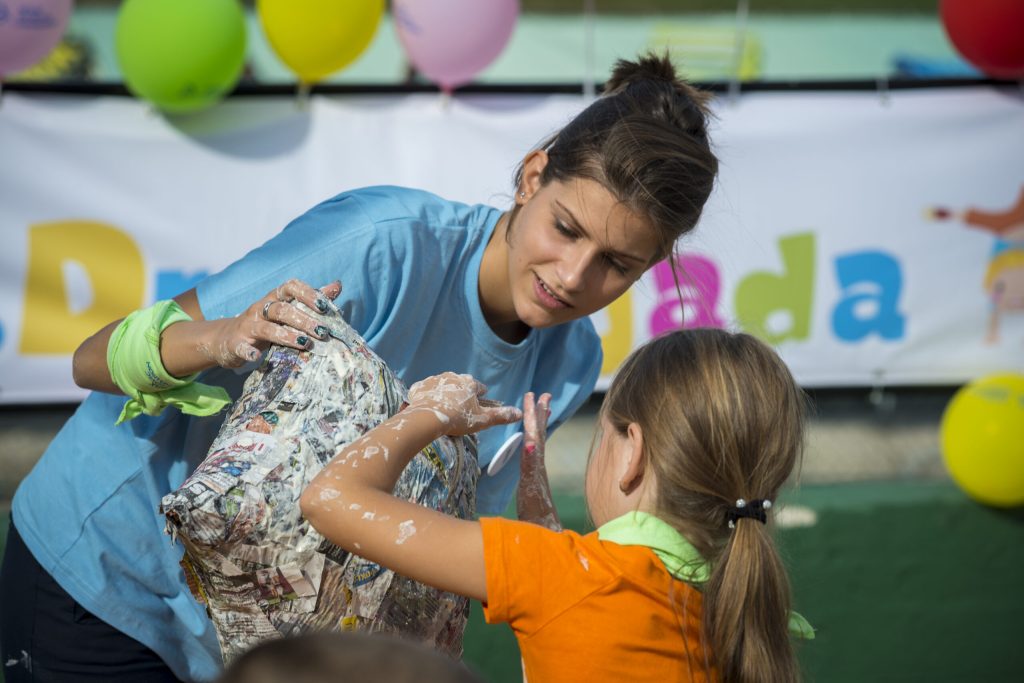
In the ever-evolving landscape of art, the willingness to experiment can serve as a crucial catalyst for innovation. When artists step beyond the boundaries of their comfort zones, they can unlock a treasure trove of creative possibilities. The beauty of art lies in its fluidity, and experimenting with different techniques not only enriches an artist’s palette but also fosters a broader understanding of artistic expression.
One way that experimentation can enhance creativity is through the introduction of mixed media. Artists who traditionally stick to one medium can invigorate their work by incorporating elements from various sources. For example, using paint alongside photography or found objects can lead to the creation of captivating, multidimensional pieces. This blend of mediums can also challenge an artist’s perception of what art can be, pushing them to think critically about the materials they choose to work with.
Moreover, experimenting with composition can provide fresh insights into how elements interact on the canvas. Artists might challenge themselves to create works that defy standard layouts—such as collaging images across the composition, using asymmetrical arrangements, or playing with negative space. Through these techniques, one can discover new rhythms and dynamics within their artwork, potentially leading to striking, one-of-a-kind creations.
Consider the role of modern technology in the realm of art as another ground for experimentation. With tools ranging from digital painting software to 3D printing, the avenues for artistic exploration have expanded exponentially. Artists can engage with their work in ways that were unimaginable just a few decades ago. For instance, utilizing augmented reality to enhance a painting can create an interactive experience that adds layers of meaning, allowing viewers to engage with the artwork in novel ways.
Here are some of the key ways in which embracing experimentation can foster artistic growth:
- Enhancing Problem-Solving Skills: Navigating unfamiliar techniques often requires artists to think critically and inventively, honing their ability to tackle challenges in their work.
- Encouraging Risk-Taking: By taking risks, artists learn to embrace failures as essential steps in their creative journey, paving the way for personal and artistic growth.
- Expanding Your Network: Experimenting can lead to collaborations with other artists or disciplines, exposing individuals to diverse perspectives and methods that might enrich their practice.
Art institutions and workshops across the United States increasingly recognize the significance of experimentation. These educational environments encourage students to engage in creative exploration through diverse mediums. Programs that incorporate pottery, printmaking, and digital design showcase the endless possibilities within the arts—all while fostering a community of like-minded artists eager to share and learn from one another.
In essence, experimentation in art acts as a bridge between tradition and innovation. By opening oneself to new techniques, artists can embark on transformative journeys that not only enhance their personal artistic expression but also contribute to the broader discourse within the art community. This continual cycle of exploration invigorates creativity and plants the seeds for future masterpieces, ensuring that the world of art remains vibrant and dynamic.
The Role of Risk-Taking in Artistic Growth
Experimentation in art is inherently intertwined with the concept of risk-taking. When artists step outside their comfort zones and challenge their conventional methods, they open themselves up to new possibilities and discoveries. This willingness to take risks can lead to innovative ideas and unexpected outcomes. By trying out unfamiliar techniques or materials, artists can create unique works that may not have been possible through traditional methods.Additionally, the process of experimenting can foster resilience. Artists often face frustrations and failures during experimentation, but these challenges become valuable learning experiences. Overcoming obstacles not only enhances problem-solving skills but also builds a deeper understanding of one’s own creative process. This resilience can ultimately lead to a stronger sense of personal style and artistic identity.Furthermore, the influence of contemporary art movements highlights the significance of experimentation. Artists today have access to various mixed media, digital technology, and interdisciplinary approaches, all of which encourage creative risk-taking. For instance, artists like Anish Kapoor have pushed boundaries by combining traditional sculpting with new materials and technologies, resulting in thought-provoking installations that captivate audiences.Artistic experimentation isn’t limited to visual arts either. Musicians, writers, and performers also benefit from exploring new techniques. Whether it’s through improvisation in music or utilising unconventional narrative structures in writing, experimentation allows artists across all disciplines to expand their creative horizons.The potential for collaboration during experimentation can also ignite excitement in the artistic process. Working with other artists who specialize in different forms can introduce unique perspectives and techniques. This collaborative spirit not only enriches the artwork but also establishes a supportive community that thrives on shared exploration.In conclusion, embracing experimentation is essential for artists seeking to enrich their creativity. Stepping out of comfortable norms allows for personal growth, resilience, and transformation in artistic expression. The journey of exploration, while challenging, ultimately leads to deeper artistic fulfillment and potential breakthroughs.
Unlocking New Perspectives Through Artistic Exploration
As artists embark on their journey of experimentation, they often discover that exploring new techniques opens the door to entirely new perspectives. The willingness to deviate from familiar methods can yield a more profound appreciation for the art-making process itself. One effective way to achieve this is through the practice of improvisation. By engaging in spontaneous creation, artists can break free from their preconceived notions and allow their instincts to guide their hands. This practice encourages the flow of ideas without the constraints of perfectionism, leading to innovative works that might not have emerged through traditional approaches.
Additionally, participation in art challenges can also stimulate creativity. Platforms and social media, such as Instagram or YouTube, often host month-long challenges that prompt artists to produce work based on specific themes or constraints. For example, the popular “Inktober” challenge encourages artists to produce an ink drawing daily throughout October, pushing them to explore their boundaries and expand their artistic repertoire. Such initiatives not only foster community among artists but also inspire countless creative approaches to similar themes, thus broadening everyone’s artistic understanding.
Incorporating cultural influences into one’s creative practice is another powerful way to enrich artistic experimentation. Artists can explore the skills, techniques, and traditions of various cultures, merging them with their unique voice. The rich tapestry of the United States itself presents a confluence of diverse artistic influences—from Native American art forms to Harlem Renaissance aesthetics. Artists can draw inspiration from historical movements, perhaps incorporating traditional motifs or styles into contemporary works, thereby establishing a dialogue between the past and the present.
Furthermore, the significance of workshops and residencies cannot be overstated. These environments offer artists the opportunity to experiment under the guidance of mentors and alongside their peers, often within a more supportive ecosystem equipped with diverse resources. Programs like the MacDowell Colony and the Bread Loaf Writers’ Conference provide artists, writers, and musicians alike the chance to collaborate and challenge each other creatively. The focused time away from everyday distractions enables artists to delve deeply into their practice, resulting in new discoveries that further fuel their inventive journeys.
The concept of failure as a learning tool is also crucial in the realm of artistic experimentation. Each misstep or unforeseen outcome offers valuable insights into the limitations of techniques and materials and encourages resilience and adaptability. Artists who embrace failure as part of their creative process often find themselves propelled forward, leading to breakthroughs that redefine their artistry. This shift in perspective not only enriches their current work but also lays the groundwork for future explorations.
Lastly, the integration of collaboration into artistic practices can catalyze a richer exploration of new ideas. Working with artists from different backgrounds or disciplines can yield unexpected results—whether it’s a painter joining forces with a musician or a performance artist collaborating with a graphic designer. These partnerships broaden one’s artistic landscape and inspire shared creative energy, often resulting in groundbreaking works that reflect a synthesis of styles and viewpoints.
In summary, the experience of experimenting in art transcends the mere act of trying new techniques. It is a journey characterized by exploration, spontaneity, and collaboration. By taking the leap into the unknown, artists not only breathe new life into their practice but also deepen their engagement with the world around them, resulting in a richer, more vibrant artistic expression.
Embracing the Art of Experimentation
In conclusion, the journey of experimentation in art serves as a vital catalyst for creativity and growth. By engaging with new techniques, artists unlock transformative perspectives that challenge their traditional practices and expand their artistic horizons. Through improvisation, they tap into spontaneous creation that fosters innovation free from the constraints of perfectionism. Furthermore, participating in art challenges not only nurtures individual creativity but also fosters a vibrant community where diverse ideas flourish.
As artists delve into cultural influences, they weave rich narratives that bridge the past and present, enriching contemporary expression. Workshops and residencies provide a fertile ground for exploration, where guided mentorship and peer collaboration pave the way for bold breakthroughs. Embracing failure as a learning tool allows artists to navigate setbacks with resilience, transforming missteps into opportunities for advancement and growth.
The magical power of collaboration cannot be underestimated; by working alongside others from diverse disciplines, artists cultivate a shared creative spirit that often results in groundbreaking works. In today’s fast-paced world, where creativity is paramount, the importance of experimentation in art cannot be overstated. It invites artists to push boundaries, question norms, and ultimately enrich their own unique voices. As they continue to explore, they not only breathe life into their individual practices but also contribute to a dynamic, ever-evolving artistic landscape that encourages discovery and innovation.