Digital Art vs. Traditional Art: Exploring the Boundaries of Creativity in the Modern Era
Art as an Ever-Changing Canvas
Throughout history, art has served as a reflection of societal values, technological advancements, and individual creativity. Today, as digital art and traditional art coexist in an intricate dance, they challenge and enhance each other, prompting an exploration of what constitutes artistic expression. This intersection presents an exciting opportunity for artists and audiences alike to engage with art in transformative ways.
The Landscape of Artistic Expression
To understand the nuances between digital and traditional art, it is essential to recognize the distinctive characteristics of each:
- Digital Art: This genre encompasses a broad range of artistic practices, from digital painting to 3D modeling, and even animation. Artists leverage advanced software such as Adobe Photoshop or Procreate, allowing them to push creative boundaries. The advent of AI tools also allows artists to explore new styles and concepts, making art more accessible than ever by introducing features like auto-enhancement and texture generation.
- Traditional Art: Encompassing mediums such as painting, sculpture, and printmaking, traditional art relies on tangible materials like oils, acrylics, and clay. Artists like Jackson Pollock and Michelangelo have made indelible marks on art history through their mastery of these techniques. This form of art connects viewers with the tactile experience and the historical narratives that have shaped artistic practices over centuries.
Contemporary artists are often blending these two worlds, resulting in the emergence of innovative practices:
- Mixed Media: This approach allows artists to combine different materials and techniques, such as layering physical paint with digital projections, creating complex narratives that challenge viewers’ perceptions.
- Virtual Reality Art: By leveraging virtual reality, artists craft immersive environments, inviting audiences to step inside their creative visions. These experiences can be as diverse as exploring an otherworldly landscape to interacting with a sculptural form that reacts to the viewer’s movements.
Impact on the Art Community
The rise of digital platforms has fundamentally transformed how art is created, shared, and appreciated. Social media platforms like Instagram and TikTok allow artists to showcase their work to a global audience, breaking geographical barriers. Furthermore, blockchain technology and NFTs (Non-Fungible Tokens) have introduced new ways to authenticate and sell digital art, revolutionizing the art market.
However, this shift also brings forth challenges. Issues related to copyright, authenticity, and the value of art in a digital format are hotly debated among artists, collectors, and critics alike. The ongoing dialogue between digital and traditional art continues to shape the future of creative expression, inviting us to further explore these evolving realms.
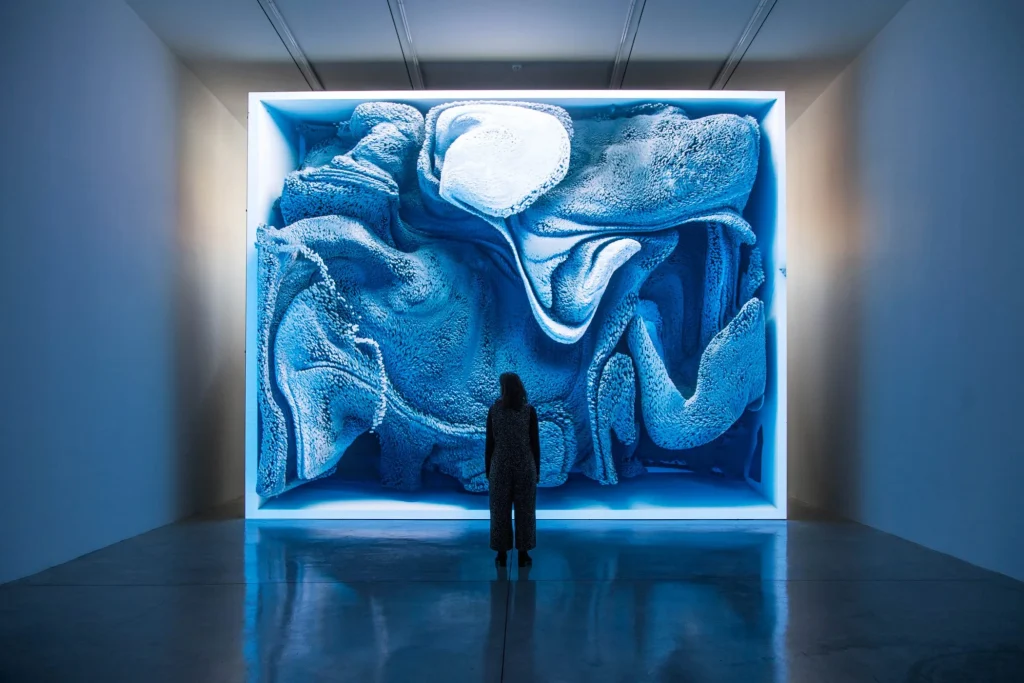
Ultimately, as we navigate this rich tapestry of artistic expression, it becomes clear that both digital and traditional art have invaluable roles to play. They not only reflect the intricacies of the human experience but also inspire us to imagine new possibilities within the world of creativity.
Bridging Techniques and Technologies
The delineation between digital art and traditional art is often blurred, as artists navigate an ever-evolving landscape that propels their creativity in new directions. Those engaging in this discourse face a fascinating question: How do these mediums complement each other, and what does that mean for the future of artistic expression? The answer lies in how each technique nurtures different aspects of artistic intention and execution.
The Unique Appeal of Digital Art
Digital art presents an expansive realm of possibilities, inviting artists to engage with their work on both a macro and micro level. This modality allows for instant editing, limitless duplication, and the integration of multimedia elements. Artists can experiment with diverse styles without committing to a single result, fostering a fearless approach to creativity. For instance, d digital painting software such as Corel Painter offers a vast array of brushes, textures, and colors, enabling artists to experiment with techniques that mimic traditional mediums while simultaneously harnessing the convenience of digital tools.
Moreover, the community surrounding digital art thrives in a unique ecosystem where collaboration and mentorship flourish through online platforms. Artists can share techniques, receive feedback, and even collaborate in real-time across global distances. This aspect of digital art creates a sense of camaraderie that drives innovation.
The Enduring Allure of Traditional Art
Conversely, traditional art continues to captivate audiences for its rich history and tactile experience. The physicality of materials, be it the aroma of paint or the texture of canvas, offers an immersive quality that digital creations often lack. Artists like Georgia O’Keeffe and Vincent van Gogh have left lasting legacies, reminding us of the power of the human touch. Every brushstroke and chisel mark carries the weight of intention, imbued with energy and emotion that often cannot be replicated in the digital realm.
Further, traditional artists face fewer technical barriers compared to their digital counterparts. Skills built on years of practice with paint, clay, or stone foster a sense of mastery and personal expression that remains deeply rooted in the artistic community. Many artists express feelings of nostalgia when using traditional mediums, connecting them to the historical context of their craft.
The Dialogue Between Mediums
- Creativity as Fluid: The crossover between traditional and digital forms creates a rich tapestry of creativity where techniques blend and evolve. Artists who incorporate elements from both practices often find new avenues for expression, ultimately enriching the art form.
- Workshops and Education: Programs increasingly recognize the value of both worlds, offering workshops that marry traditional techniques with digital skills, producing well-rounded artists capable of navigating multiple mediums.
- Exhibitions and Collaborations: Art institutions showcase exhibitions that explore the dialogue between digital and traditional art, prompting discussions on the future of creativity itself.
In essence, the relationship between digital and traditional art embodies a continual dialogue—one that nurtures innovation while honoring the past. As artists harness these diverse elements, they challenge conventions and broaden the horizons of creativity, inviting viewers to engage in a modern narrative that transcends boundaries.
Digital art and traditional art, both rich in their respective methodologies and impact, create a fascinating dichotomy that draws artists and audiences alike into a broader conversation about creativity. As we delve deeper, it is essential to appreciate how technology has reshaped the landscape for artists while simultaneously preserving the essence of traditional techniques. One of the most prominent facets of digital art is its accessibility. With software and tools readily available, budding artists can create masterpieces from the comfort of their homes. This democratization of creativity enables a diverse range of voices to emerge, broadening the artistic community beyond geographical and financial limitations. Furthermore, the ability to easily share art over social media platforms enhances visibility, allowing artists to gain recognition without the constraints of galleries and exhibitions. The digital space encourages collaboration and experimentation, which can lead to innovative art forms that blend various styles and techniques.On the other hand, traditional art is deeply rooted in history and culture. Craftsmanship, skill, and material knowledge play critical roles in creating traditional works, often resulting in pieces that resonate on a profound emotional level. The tactile nature of paint on canvas or the feel of charcoal on paper creates a connection between the artist and the artwork that is sometimes less palpable in digital forms. Collectors and enthusiasts often view traditional art as a tangible legacy, an irreplaceable testament to human creativity.The blending of digital and traditional art forms introduces new genres that challenge our understanding of these boundaries. Artists are not merely choosing sides; they are increasingly embracing hybrid methods to meld the best attributes of both worlds. The emergence of augmented reality and virtual reality in artworks allows for immersive experiences that traditional mediums cannot replicate. As we continue to explore the boundaries of creativity, we find that each medium offers unique advantages and challenges. Digital art may provide convenience and novelty, while traditional art brings depth and historical significance. By engaging with both forms, artists and viewers can contribute to a vibrant and evolving conversation about creativity in our modern era. In this dialogue, it becomes clear that the future of art lies not in the debate of digital versus traditional but in the celebration of diversity within artistic practices—an avenue for unlimited creativity. As new technologies emerge, they will continue to influence and redefine the landscape of artistic expression, inviting further exploration into what it means to be an artist today.
Redefining Artistic Boundaries
The intersection of digital art and traditional art does not merely serve as a point of curiosity; it also has profound implications for how society perceives creativity in the modern era. Artists increasingly push the boundaries of their mediums, leading to new genres that blur the lines between the two practices. One notable example is the emergence of mixed media art, where artists incorporate photography, digital graphics, painting, and even text into singular pieces, resulting in works that invite viewers to engage on multiple sensory levels.
The Role of Technology in Art Accessibility
Technological advancements have democratized the art world, making it more accessible to both creators and audiences. Programs like Adobe Creative Cloud or Procreate not only equip artists with high-quality tools but also reduce the barriers to entry for aspiring creators. Many talented individuals can now produce stunning digital pieces without the need for expensive studio spaces or extensive training. According to a report from the National Endowment for the Arts, the number of digital creators has surged in recent years, contributing to the vibrant contemporary art scene.
Furthermore, traditional art forms are experiencing a revitalization through technology. Techniques like 3D scanning and augmented reality allow for the preservation of classic artworks while providing new platforms for engagement. Museums across the United States, such as the Smithsonian American Art Museum, have begun integrating digital catalogs and interactive displays, enabling audiences to explore historical collections from their homes. This fusion of traditional aesthetics with modern technology cultivates a richer appreciation for both forms of artistry.
Market Dynamics and Value Perception
The art market, too, is undergoing a transformation as the value associated with digital versus traditional works is frequently scrutinized. The soaring prices of non-fungible tokens (NFTs) have ignited debates regarding digital ownership and the inherent value of digital creations. Works like Beeple’s “Everydays: The First 5000 Days” have sold for tens of millions of dollars, challenging long-held beliefs about what constitutes “real” art. Traditional galleries are also adapting, embracing digital artists by holding exhibitions that highlight the vibrancy and legitimacy of digital creations.
Art collectors, once primarily focused on traditional pieces, are increasingly diversifying their portfolios to include digital artworks. The phenomenon invites questions about authenticity and originality, redefining what collectors seek. Enthusiasts often discuss the concept of provenance—the documented history of an artwork’s ownership—most prevalent in the traditional market, and its implications for the digital realm, where reproductions can be made with a click of a button.
Cultural Narratives and Artistic Identity
- Global Influences: With platforms like Instagram and Behance, artists from diverse cultural backgrounds can showcase their work on a global stage. The digital realm accommodates collaboration across geographies, creating a mosaic of influences that enrich both digital and traditional art forms.
- Identity and Representation: Artists are increasingly using both mediums to explore personal and social narratives. Traditional methods may carry a sense of heritage, while digital avenues allow for innovative storytelling that can resonate with contemporary societal issues.
- Environmental Considerations: The demand for sustainability in art practices leads to a rising interest in eco-friendly materials and digital alternatives. Artists are exploring how both mediums can address climate issues, further broadening their impact within the community.
Through this exploration of artistic boundaries, it becomes clear that both digital and traditional art are evolving in tandem. Each medium brings its strengths and areas for growth, sparking a dialogue that continually reshapes the landscape of creativity and artistic expression in the modern era.
Conclusion: A Symbiosis of Artistic Expression
The ongoing dialogue between digital art and traditional art invites us to reconsider our definitions of creativity and craftsmanship in this dynamic age. As explored, the convergence of these two forms has created a vibrant ecosystem that fosters innovation and collaboration, breaking down barriers and challenging preconceived notions of authenticity and value. With the rise of mixed media and the seamless integration of technology in traditional practices, artists capitalize on the strengths of both mediums to produce works that resonate on deeper emotional and intellectual levels.
Moreover, as technology continues to democratize access to creation tools, we see an influx of voices and styles that enrich the global art landscape. Social media platforms offer unprecedented visibility to emerging talents, expanding our appreciation for diverse cultural narratives and collective identities. In parallel, traditional forms are being revitalized through modern techniques, allowing past and future art forms to coexist and engage audiences in thought-provoking ways.
The art market’s evolving dynamics reflect this shift, as collectors and enthusiasts grapple with new definitions of value in an era where digital creations can achieve significant monetary recognition. This shift not only alters market perceptions but also challenges artists to redefine their motivations and aspirations.
Ultimately, the question is not which medium reigns supreme, but rather how each serves to inspire and enrich the other. As we navigate this creative landscape, the blending of digital and traditional art stands as a testament to the boundless potential of human expression. The future of art is not a matter of choosing sides, but embracing the interplay of both realms to forge new paths in the ever-evolving narrative of artistry.