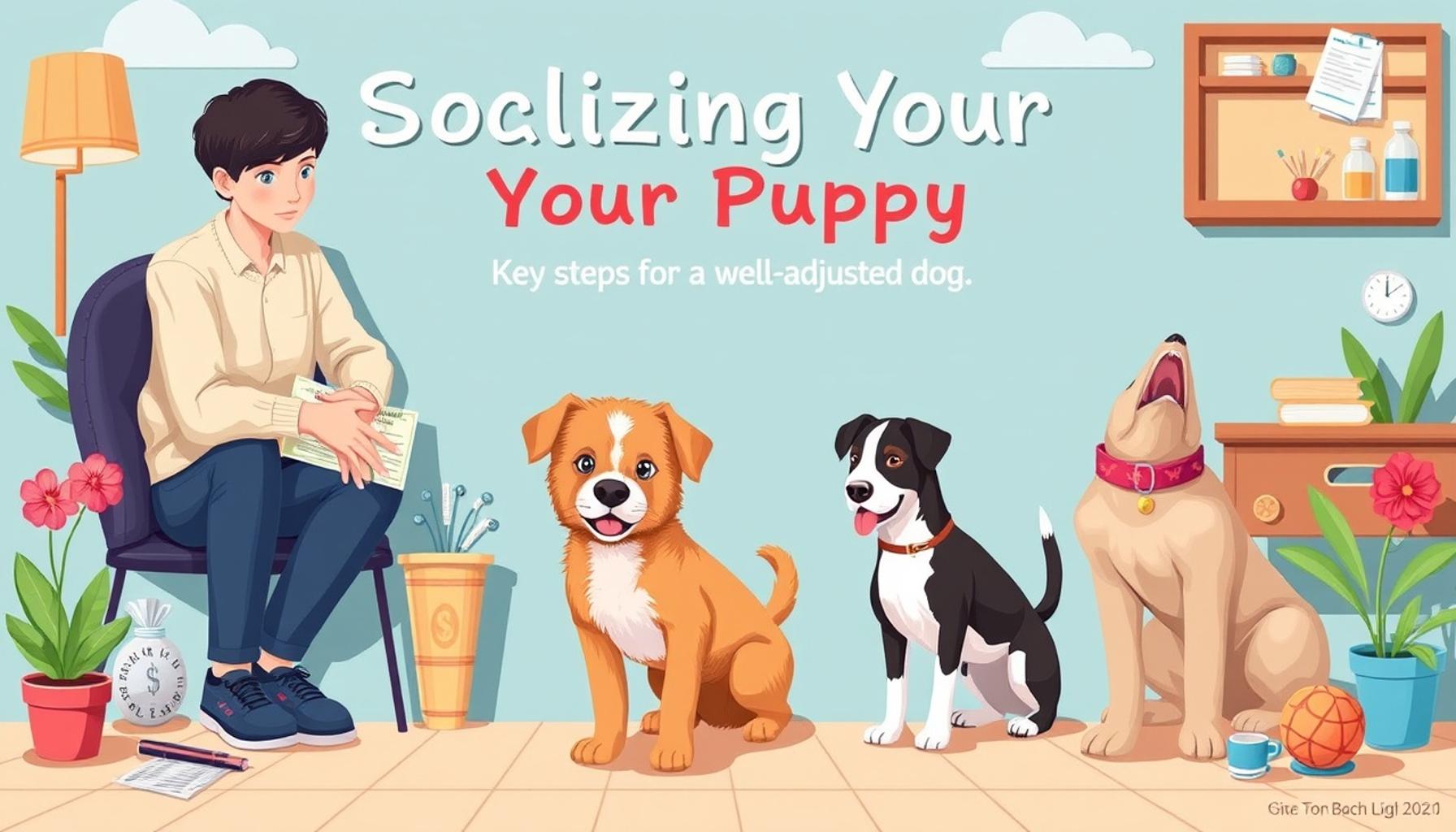
Understanding Canine Body Language: A Guide for Better Training

The Intricacies of Canine Communication
Every dog owner knows that their furry friend has a lot to express, but translating those doggy messages can be a fascinating challenge. Canine body language represents a complex array of signals that convey emotions ranging from excitement and joy to fear and sadness. Understanding these cues can significantly enhance your relationship with your pet, making it easier to connect and communicate effectively. This understanding not only strengthens the bond you share but also plays a critical role in your dog’s training and overall happiness.
Decoding Common Canine Signals
Here are some of the most recognizable and common canine signals that can help you decipher your dog’s emotions:
- Tail Wagging: A wagging tail often signifies happiness and enthusiasm. However, the context and characteristics of the wag can provide additional insights. For instance, a tail held high and wagging rapidly suggests excitement, while a slow wag combined with a lowered tail may indicate uncertainty or insecurity.
- Ear Position: The position of your dog’s ears can reveal much about their emotional state. Ears that are perked up typically signal alertness, signaling your dog is interested in something happening in their surroundings. Conversely, ears flattened back against the head often indicate submission, fear, or anxiety, especially in stressful situations.
- Body Posture: The overall posture of your dog can also indicate their comfort level. A relaxed stance, with a loose body and wagging tail, signifies that your dog feels at ease. In contrast, a stiff and tense body posture often communicates aggression, readiness to defend, or fear, indicating that your dog may feel threatened.
Improving Communication for Better Training
Understanding your dog’s body language can lead to more effective training and a happier pet. When you grasp the cues your dog displays, you can respond appropriately to their emotional states and needs. For example, if your dog is exhibiting signs of fear, such as tucked ears or a crouched stance, it might be better to offer reassurance rather than to focus on commands or corrections. This approach not only fosters trust but also creates a more conducive environment for learning.
As you delve deeper into the world of canine communication, you will uncover the subtle nuances that can transform both training sessions and daily interactions into meaningful experiences. By honing in on these signals, you can foster a happier and more balanced relationship with your dog, ensuring that their feelings and needs are acknowledged and met.
Equipped with this knowledge, you are encouraged to observe your dog’s interactions closely and respond in ways that promote their well-being. Are you ready to embark on this enlightening journey into canine behavior and ultimately improve the quality of your relationship with your four-legged friend?
DIVE DEEPER: Click here for tips on using clicker training with your pet
Recognizing Emotional Cues
One of the keys to understanding canine body language lies in recognizing the emotional cues your dog exhibits. Dogs, while often considered man’s best friend, communicate their feelings through a range of physical signals. By observing your dog’s actions and body movements closely, you can gain insights into their emotional state, which is essential for effective training and overall well-being.
Essential Bodily Indicators of Emotion
To help you become a proficient communicator with your dog, here are several essential bodily indicators that reveal their feelings:
- Mouth Position: An open mouth can often indicate a relaxed and happy dog, especially when combined with a wagging tail. In contrast, a closed mouth or excessive panting may suggest stress or discomfort. Understanding these subtleties can aid in identifying the right training techniques.
- Eye Contact: Dogs use eye contact as a way of communicating. A soft gaze can signal affection and trust, while hard or fixed eye contact may indicate a challenge or threat. Learning to interpret when your dog is comfortable with you or feeling defensive can immensely enhance your training approach.
- Facial Expression: Much like humans, dogs display emotions through facial expressions. A relaxed face with lifted eyebrows can signify curiosity and comfort, while a wrinkled brow and tight lips may point toward anxiety or fear. Paying close attention to these facial cues can help you tailor your training methods accordingly.
- Following the “Calming Signals”: Dogs communicate discomfort or the need for space through calming signals such as yawning, licking their lips, or turning their heads away. By recognizing these signals, you can avoid overwhelming your dog during training sessions and allow them to feel secure.
The Impact of Environmental Context
It’s important to remember that context plays a significant role in interpreting canine body language. A dog reactively exhibiting certain signals in a new environment may be expressing anxiety or uncertainty. For example, a tail that is typically held high may droop when exposed to unfamiliar surroundings or loud noises. By understanding the significance of context, you can better assess your dog’s emotional state and provide appropriate support.
As you develop an intuitive feel for your dog’s body language, you will find that training becomes a more enriching and positive experience. A keen awareness of their emotional signals will allow you to adapt your strategies, fostering mutual respect and understanding. The journey of deciphering your dog’s cues not only enhances their educational experience but also nurtures the enduring bond you share.
Ultimately, fostering effective communication with your dog creates a foundation for successful training outcomes and ensures a harmonious living environment for both you and your beloved pet.
Understanding Canine Body Language: A Guide for Better Training
In the world of canine training, understanding canine body language is essential for establishing a positive relationship between the dog and trainer. When we decode the signals our dogs send, we enhance communication, which significantly impacts training efficacy. Recognizing a dog’s emotional state helps in providing appropriate responses and building trust.
Different physical cues can express a variety of feelings. For instance, a dog’s tail position can indicate different emotions; a wagging tail does not always equate to happiness. A low wag can signify submission, while a high wag may suggest excitement. Paying attention to these signals can offer insight into your dog’s emotional landscape.
Moreover, understanding body language plays a crucial role in reducing behavioral problems. If a dog shows signs of stress, such as panting or yawning, trainers can adjust their methods to cultivate a more trusting environment. By responding to signs of discomfort, trainers can prevent aggression or fear-based reactions. This proactive approach cultivates a safe training atmosphere, where learning becomes a positive experience.
| Category | Details |
|---|---|
| Emotion Recognition | Dogs communicate feelings through facial expressions and body posture. |
| Improved Training Success | Understanding body language facilitates tailored training sessions. |
As one delves deeper into understanding canine signals, the nuances become clearer, ultimately fostering a more profound bond. Recognizing and interpreting these signs is fundamental for trainers seeking to enhance their techniques. Adopting a holistic perspective on canine behavior can transform training methodologies, making sessions more engaging and effective.
LEARN MORE: Click here to discover how to train your pet in various settings
Decoding Postures and Movements
In addition to recognizing emotional cues, it is crucial to understand the various postures and movements your dog exhibits. Posture and movement are fundamental components of canine communication, revealing a dog’s confidence level, intentions, and social interactions. By becoming familiar with these physical expressions, you can adapt your training techniques to facilitate a more positive experience for both you and your dog.
Key Postural Indicators
The way a dog carries itself can reveal a wealth of information about its state of mind. Here are some key postural indicators to look for:
- Relaxed Posture: A dog that stands or sits with its legs slightly apart and a loose body is generally relaxed. This openness indicates a willingness to engage and can be an ideal time to initiate training.
- Alert Stance: Erect ears, a stiff body, and a raised tail indicate that your dog is alert and focused. While this could suggest attentiveness in training, it may also indicate a readiness to respond to a perceived threat, making it important to gauge the surrounding environment.
- Submissive Behavior: If your dog lowers its body, tucks its tail, or rolls onto its back, it may be displaying submissive behavior. Recognizing this posture is essential, as forcing interaction during these moments can frighten or stress your dog, hindering effective training.
- Aggressive Posture: Raised hackles, a stiff body, and direct eye contact often signal aggression. If you notice these signs, it’s crucial to take a step back and reassess the situation to avoid escalating tension. Recognizing these indicators allows you to modify the training environment and make necessary adjustments.
The Role of Movement and Spatial Awareness
Understanding how a dog moves can significantly add to your ability to interpret its feelings accurately. Dogs use movement as a form of communication, and their spatial awareness can provide key clues about their emotional state.
- Play Bow: An inviting behavior that consists of a dog stretching its front legs while keeping its rear end up signals a desire to play. Recognizing this signal can present an excellent opportunity for engaging training methods that incorporate fun and games.
- Body Language During Play: During interactions with other dogs or humans, the way your dog approaches, retreats, or engages can indicate their comfort levels. A playful dog typically exhibits loose body movements and an enthusiastic demeanor, while a hesitant one may move cautiously or maintain a safe distance, which may require a gentler approach in training.
- Resource Guarding: If your dog displays stiff movements around food or toys, it may be guarding those resources. Understanding this cue is essential, particularly if training involves sharing or taking items away. Modifying how you approach training can create a more harmonious environment.
The ability to decode your dog’s postures and movements fosters a deeper connection and understanding between you and your pet. As you learn to interpret these signals accurately, you will be better equipped to implement effective training methods that promote confidence, respect, and a nurturing relationship.
Ultimately, observing these physical expressions not only improves training outcomes but enriches the lived experiences for both human and canine companions. It lays the groundwork for a profound bond rooted in communication, understanding, and trust.
DIVE DEEPER: Click here to discover effective communication with your pet
Conclusion: The Key to a Stronger Bond
Understanding canine body language is not just a matter of improving training techniques; it is about fostering a profound bond with your dog. By developing an acute awareness of your pet’s physical cues, you unlock the door to a world of emotional expression that can significantly enhance your interactions. The subtle postures, movements, and behavioral signals can reveal their comfort levels, confidence, and intentions, allowing you to tailor your training methods to suit their unique personality.
As we delve deeper into the nuances of canine communication, it becomes apparent that relationship building goes far beyond commands and obedience. When we honor our dogs’ feelings and perspectives, we nurture mutual respect and understanding. This two-way street of communication not only leads to effective training outcomes but also cultivates a trusting environment where your dog feels comfortable and valued.
Moreover, the practical benefits of recognizing body language extend beyond a single training session. Incorporating these insights leads to a happier, more engaged dog that is eager to learn and connect. Whether it’s adjusting your approach during a challenging training moment or celebrating their playful spirit with engaging activities, the ability to interpret their signals paves the way for a fulfilling companionship.
In conclusion, becoming fluent in the language of your canine companion is a rewarding journey. As you commit to understanding their body language, you open up pathways not only for effective training but for a long-lasting, harmonious relationship with your furry friend. Embrace this journey and watch how your relationship blossoms into one defined by trust, respect, and joy.

Linda Carter
Linda Carter is a writer and pet care expert specializing in pet health, grooming, and wellness. With extensive experience helping pet owners create safe, loving, and enriching environments for their animals, Linda shares her knowledge on our platform. Her goal is to empower readers with practical advice and strategies to ensure their pets thrive and lead joyful, healthy lives.