How meditation can transform your sleep and overall health

The Sleep-Meditation Connection Americans Are Finally Noticing
Nearly 70 million Americans struggle with chronic sleep issues, according to the CDC. At the same time, meditation apps like Calm and Headspace have seen download rates skyrocket, with millions of new users signing up during periods of heightened national stress. Is this just coincidence, or is there a real relationship between sleep and meditation worth exploring?
Sleep clinics from Boston to Los Angeles are reporting a curious trend: patients are asking about meditation before they ask about medication. This shift signals something bigger than a passing wellness fad—it points to a growing recognition that the mind and body are more connected than modern medicine once assumed.
Why Meditation Is Gaining Attention Nationwide
From Silicon Valley executives to college students in Ohio, meditation has moved from niche practice to mainstream wellness tool. What was once associated with monasteries and yoga retreats is now recommended by primary care physicians and featured in corporate wellness programs at companies like Google and Aetna. Research increasingly shows that meditation can transform sleep health outcomes in measurable ways.
Consider these findings from recent studies:
- Participants using mindfulness meditation fell asleep faster and experienced fewer nighttime awakenings compared to those relying solely on traditional sleep hygiene practices
- Regular meditators reported a 40% reduction in insomnia symptoms after eight weeks of consistent practice
- Cortisol levels—the body’s primary stress hormone—dropped significantly among daily practitioners, suggesting a direct physiological link between mental stillness and restful sleep
These numbers matter because insomnia isn’t just an inconvenience. It’s linked to higher rates of car accidents, workplace errors, and long-term cardiovascular risk—making the search for effective, non-pharmaceutical solutions increasingly urgent.
Beyond Sleep: A Ripple Effect on Overall Health
The benefits of meditation for sleep don’t stop at the bedroom door. Better rest triggers a cascade of improvements throughout the body, influencing everything from digestion to emotional resilience.
Here’s what changes when sleep quality improves through meditation:
- Immune function strengthens, reducing susceptibility to seasonal illness and speeding recovery time when sickness does strike
- Blood pressure often stabilizes within normal ranges, easing strain on the cardiovascular system over time
- Mental clarity and mood improve, easing symptoms of anxiety and depression that often accompany chronic sleep deprivation
Understanding how meditation improves health starts with recognizing its role in stress reduction. This article breaks down proven meditation techniques for better sleep—and explains why meditation for stress relief and sleep might be the missing piece in your wellness routine.
SEE ALSO: Foods and drinks that affect sleep quality
# The Science Behind the Sleep-Meditation ConnectionWalk into any sleep lab today, and you’ll likely find researchers hooking patients up to EEG machines while simultaneously asking about their mindfulness habits. This wasn’t standard practice a decade ago. But as the relationship between sleep and meditation becomes clearer through neuroscience, clinicians are paying closer attention to what happens in the brain during meditative states.
What Happens in Your Brain When You Meditate Before Bed
Meditation doesn’t just relax you—it physically alters brain wave patterns in ways that mirror the early stages of sleep. Studies using functional MRI scans show that consistent practice increases activity in the parasympathetic nervous system, the body’s built-in “rest and digest” mechanism. This shift doesn’t happen overnight, but even a single session can nudge the brain toward calmer, slower wave patterns typically associated with drowsiness.
This matters because most Americans spend their evenings in the opposite state: sympathetic overdrive. Scrolling through phones, answering work emails, or watching the ten o’clock news keeps the nervous system on high alert long after the lights go out. Add in the blue light emitted from screens, and the body receives mixed signals about whether it’s actually time to wind down.
Researchers at institutions like Harvard Medical School have identified specific ways meditation counteracts this pattern:
- Reduces activity in the amygdala, the brain’s fear-processing center, which often triggers racing thoughts at night
- Increases production of melatonin, the hormone responsible for regulating the sleep-wake cycle
- Slows breathing rate and heart rate, creating the physiological conditions necessary for deep sleep onset
- Strengthens the prefrontal cortex, improving the brain’s ability to manage stress responses during the day
Some researchers even compare this process to a kind of neurological “reset button,” where repeated practice gradually reshapes how the brain responds to everyday stressors, not just at bedtime but throughout the day.
Real Numbers From Real Sleep Studies
A 2015 study published in JAMA Internal Medicine followed adults with moderate sleep disturbances over six weeks. Those practicing mindfulness meditation showed significantly less insomnia, fatigue, and depression compared to a control group following standard sleep education alone. The results were striking enough that many sleep specialists began recommending mindfulness programs as a complementary treatment rather than a fringe alternative.
Similar research out of UCLA found that older adults who meditated regularly experienced measurable improvements in sleep quality within just two months—without any changes to medication or bedtime routine. Participants reported falling asleep faster and waking up less frequently during the night, a detail that stood out given how common fragmented sleep becomes with age.
These aren’t isolated findings. Across dozens of clinical trials, one theme repeats: meditation transforms sleep health outcomes not through sedation, but through genuine nervous system regulation.
Why This Distinction Matters
Sleep medications often mask symptoms while doing little to address root causes like chronic stress or anxiety. Meditation, by contrast, appears to retrain the body’s stress response over time—offering benefits that compound rather than fade. Unlike a pill that loses effectiveness with tolerance, consistent meditation practice seems to build resilience the longer someone sticks with it.
For Americans juggling demanding careers, family obligations, and constant digital stimulation, this slower but more sustainable approach is drawing renewed interest from both patients and physicians alike. As more clinical evidence accumulates, meditation is shifting from a wellness trend to a legitimate tool discussed in mainstream medical settings, opening the door for further research into just how far its effects on sleep might extend.
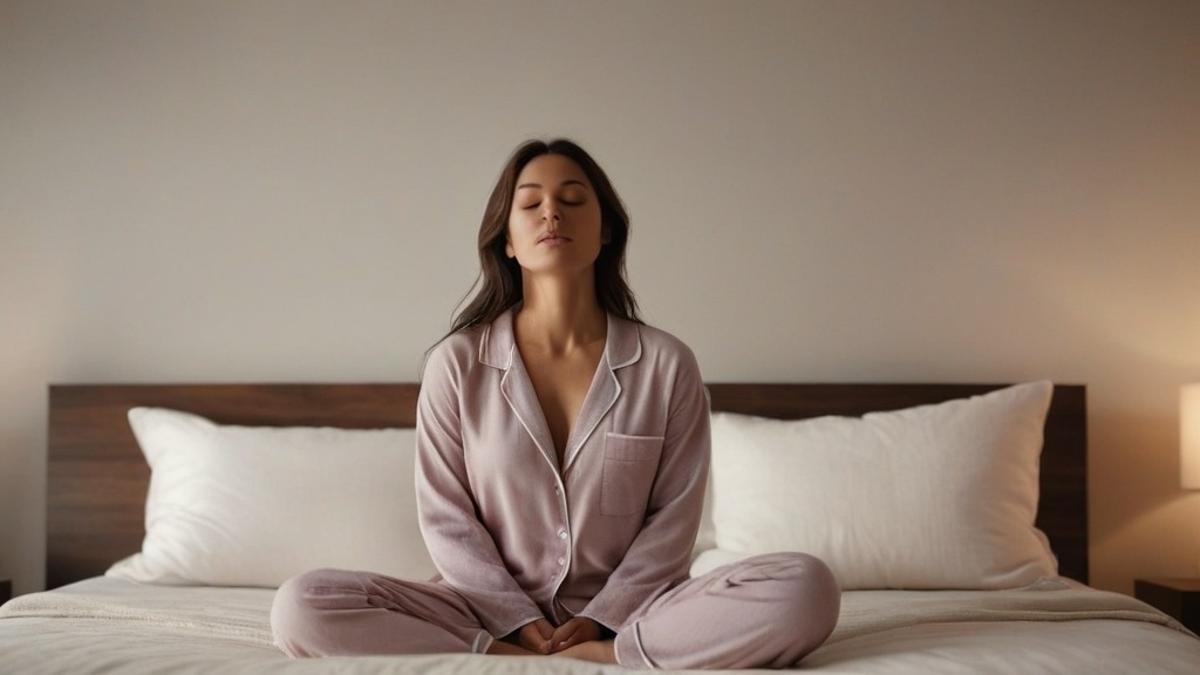
Key Aspects of How Meditation Can Transform Sleep and Health
Understanding how meditation can transform sleep and health becomes clearer when you break down its core mechanisms. Research links regular practice to measurable improvements in sleep architecture, stress hormones, and immune markers. The table below summarizes the benefits of meditation for sleep alongside broader health outcomes, giving you a quick reference before exploring specific meditation techniques for better sleep in detail.
| Category | Impact on Sleep & Health |
|---|---|
| Sleep Quality | Reduces sleep onset time and increases deep sleep cycles. |
| Stress Relief | Lowers cortisol, supporting meditation for stress relief and sleep. |
| Immune Function | Strengthens immune response through reduced inflammation. |
| Mental Clarity | Improves focus and emotional regulation during waking hours. |
| Heart Health | Supports lower blood pressure, reflecting the relationship between sleep and meditation. |
LEARN MORE: The relationship between sleep quality and productivity at work
Beyond Sleep: How Meditation Ripples Through Your Overall Health
While better sleep grabs headlines, the relationship between sleep and meditation is really just the entry point into a much larger conversation about physical health. Once the nervous system learns to downshift at night, that same regulation starts showing up in daytime markers doctors actually measure—blood pressure, cortisol levels, and inflammatory response among them. Researchers describe this as a kind of physiological spillover effect, where the calm cultivated in ten quiet minutes on a cushion extends into boardrooms, traffic jams, and family dinners hours later.
A 2017 review in the journal Psychoneuroendocrinology found that participants who meditated regularly had measurably lower cortisol levels than non-meditators, even during stressful tasks. Since chronically elevated cortisol has been linked to everything from weight gain to weakened immune function, this finding carries weight far beyond the bedroom. Some researchers have gone as far as calling meditation a “stress vaccine,” a phrase that, while catchy, oversimplifies a genuinely complex biological process still being mapped out in labs across the country.
The Cardiovascular Connection Nobody Talks About
Cardiologists have started paying attention too. The American Heart Association has acknowledged meditation as a reasonable adjunct to standard cardiovascular treatment, citing studies where regular practitioners showed modest but consistent reductions in systolic blood pressure. For a country where heart disease remains the leading cause of death, that’s not a small detail. Some clinics in states like California and Massachusetts have even begun integrating brief mindfulness sessions into cardiac rehabilitation programs, pairing them with traditional exercise and dietary counseling.
Some of the most compelling data comes from workplace wellness programs. Major employers, including tech companies and hospital systems across the United States, have begun offering meditation stipends or in-house mindfulness sessions—not out of altruism alone, but because internal health metrics improved enough to justify the investment. A handful of companies have reported reduced sick-day usage and lower insurance claims tied to stress-related illnesses, numbers that tend to catch the attention of finance departments as much as HR teams.
Meditation Techniques for Better Sleep and Daytime Resilience
Not all meditation looks the same, and the technique often matters as much as the commitment. Several approaches have shown particular promise:
- Body scan meditation, which draws attention slowly through each muscle group to release physical tension before sleep
- Loving-kindness meditation, shown in some studies to reduce nighttime rumination tied to anxiety
- Breath-focused practices like 4-7-8 breathing, which directly activate the vagus nerve to slow heart rate
- Guided visualization, often recommended for beginners who struggle to quiet a racing mind
What’s notable is that these techniques don’t require hours of daily practice. Multiple studies point to ten to twenty minutes a day as a threshold where measurable changes begin appearing in both sleep quality and stress biomarkers. Apps popular across the U.S. market have leaned into this accessibility, packaging short sessions designed to fit into a lunch break or a commute rather than demanding a dedicated retreat-style routine.
An Underappreciated Tool for Chronic Conditions
Patients managing chronic pain, autoimmune disorders, or type 2 diabetes are increasingly encouraged by physicians to explore meditation for stress relief and sleep, not as a replacement for treatment, but as a supportive layer. The logic follows a simple chain: less stress means better sleep, and better sleep means a body better equipped to regulate blood sugar, manage pain signals, and repair tissue overnight. Some integrative medicine centers now pair meditation instruction with standard follow-up visits, treating it less like an alternative therapy and more like a prescribed habit alongside medication schedules.
This growing body of evidence suggests something sleep specialists are only beginning to articulate clearly: the benefits of meditation for sleep may just be the most visible symptom of a much deeper physiological shift taking place throughout the body.
LEARN MORE: The influence of sleep routine on mental and emotional health
The Bigger Picture: What This Means for Your Nightly Routine
Pulling back from the lab data and clinical trials, one theme emerges clearly: the case for meditation transform sleep health outcomes isn’t hype manufactured by wellness marketers. It’s backed by cardiologists, endocrinologists, and sleep researchers who rarely agree on much, yet keep landing on the same conclusion from different angles.
The relationship between sleep and meditation turns out to be bidirectional. Better sleep supports emotional regulation, and calmer emotional states make it easier to fall asleep the next night. That feedback loop, once activated, tends to reinforce itself without requiring dramatic lifestyle overhauls.
Small Investment, Compounding Returns
What makes this particularly relevant for American readers juggling long commutes, demanding jobs, and inconsistent schedules is the low barrier to entry. Ten to twenty minutes daily isn’t a retreat weekend or a gym membership. It’s a habit that fits into a lunch break, a subway ride, or the few minutes before a bedroom light switches off.
The meditation techniques for better sleep outlined throughout this piece—body scans, breath work, loving-kindness practice—aren’t competing methods requiring exclusive commitment. Many practitioners rotate between them depending on the night, the stress level, or simply what sounds appealing at 10 p.m.
A Realistic Starting Point
For anyone skeptical about how meditation improves health beyond the obvious relaxation angle, the data on cortisol, blood pressure, and inflammatory markers offers a more clinical entry point than vague promises of inner peace. This is measurable physiology, not just subjective calm.
Consider starting small:
- Try five minutes of breath-focused practice before bed for one week
- Track sleep quality using a simple journal or wearable device
- Gradually extend sessions toward the fifteen-minute mark
- Pair the habit with an existing routine, like brushing teeth, to build consistency
The benefits of meditation for sleep may be the most immediately noticeable, but as researchers continue mapping the connection between stress hormones, cardiovascular markers, and nightly rest, it’s becoming harder to view meditation for stress relief and sleep as anything less than a legitimate piece of preventive health care—one worth discussing at your next doctor’s visit, not just your next yoga class.
Frequently Asked Questions
How long does it take for meditation to start improving sleep quality?
Many people notice lighter improvements like falling asleep faster within one to two weeks of consistent practice. More significant changes in sleep depth and duration typically appear after four to eight weeks of daily meditation. Consistency matters more than session length, so even 10 minutes nightly can produce measurable results.
What type of meditation is best for insomnia and restless nights?
Body scan meditation and guided sleep meditations are particularly effective for insomnia because they shift attention away from racing thoughts. Non-sleep deep rest (NSDR) and yoga nidra are also popular for calming the nervous system before bed. Experimenting with a few styles helps identify which one best quiets your specific mental chatter.
Can meditation lower cortisol levels enough to improve overall health?
Yes, research shows regular meditation can meaningfully reduce cortisol, the primary stress hormone linked to poor sleep and inflammation. Lower cortisol levels support better immune function, reduced blood pressure, and improved metabolic health over time. This hormonal shift is one of the key ways meditation transforms both sleep and long-term wellness.
Is it better to meditate right before bed or earlier in the evening?
Meditating 20 to 30 minutes before bed is generally most effective for improving sleep because it directly signals the body to wind down. However, practicing earlier in the evening can still lower overall stress and anxiety that interfere with sleep later. Testing both timings for a week or two can reveal which fits your routine best.
What health benefits beyond sleep can I expect from a daily meditation habit?
Beyond better sleep, regular meditation is linked to reduced anxiety, lower blood pressure, and improved focus and emotional regulation. Many practitioners also report fewer stress-related headaches and better digestion due to a calmer nervous system. Over months, these combined effects contribute to noticeably improved overall physical and mental health.

Linda Carter
Linda Carter is a writer specializing in healthy habits and balanced living. With extensive experience helping readers build sustainable routines, she shares practical guidance on nutrition, physical activity, quality sleep, stress management, and emotional well-being. Her goal is to offer simple, accessible strategies that inspire people to care for their health and enjoy a more balanced life.