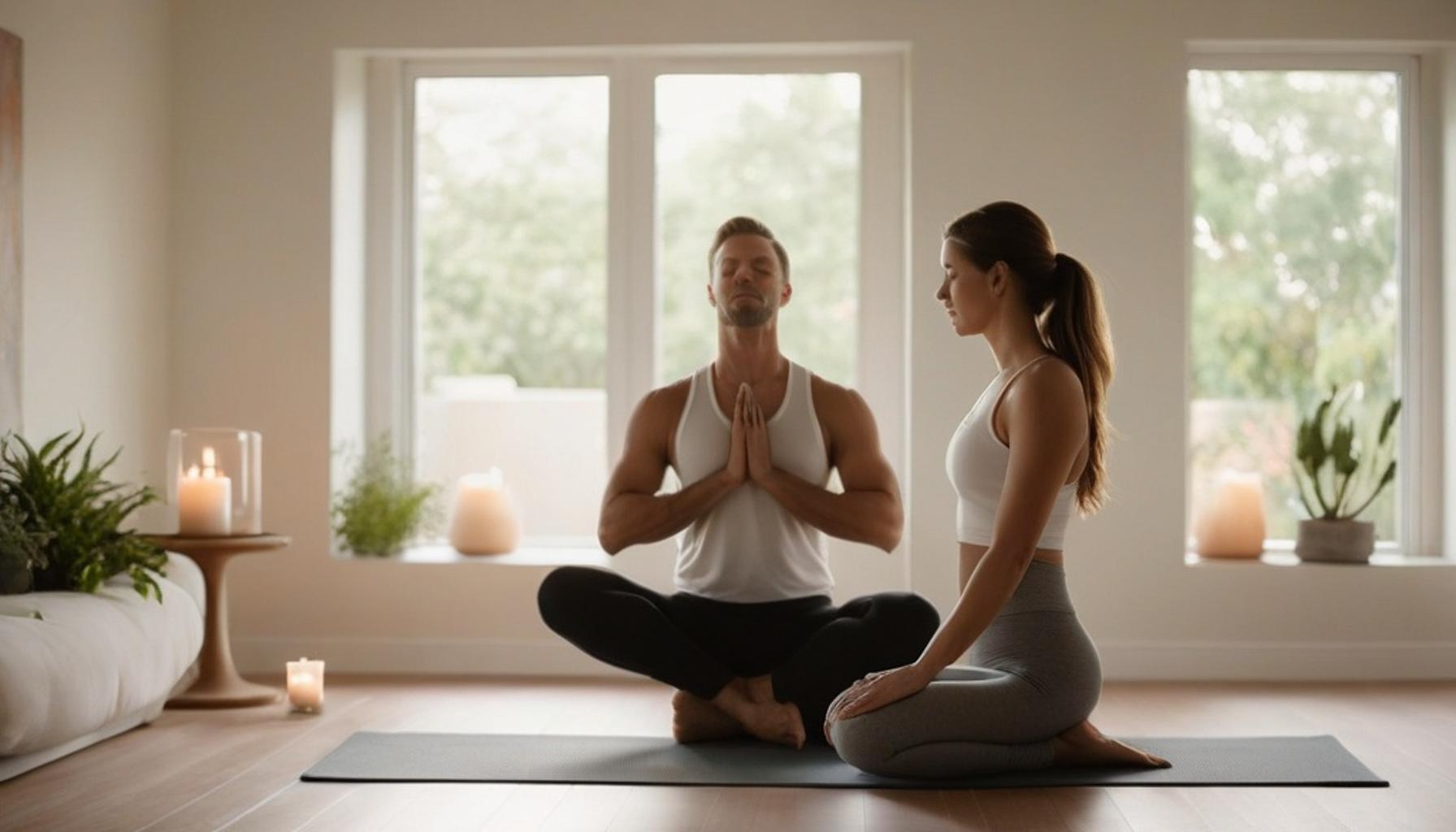
Relaxation Techniques to Improve Sleep Quality
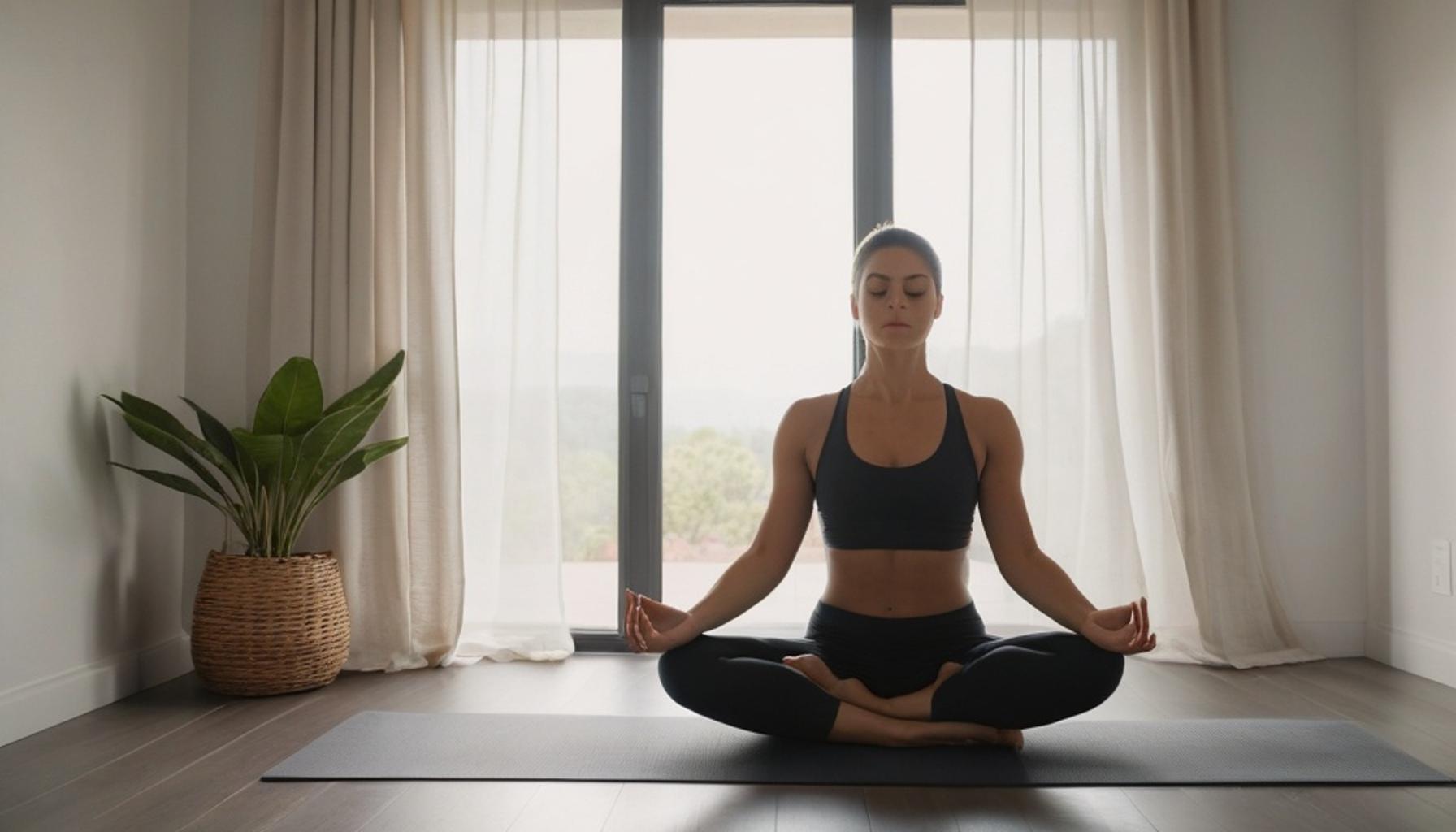
Why Your Body Craves a Bedtime Wind-Down Routine
Nearly 1 in 3 American adults report not getting enough sleep on a regular basis, according to the CDC. Stress, screen time, and racing thoughts often top the list of culprits keeping people tossing and turning at night. Add in caffeine habits, late-night work emails, and the constant scroll of social media, and it’s no wonder so many people find themselves staring at the ceiling at 2 a.m., wondering why their brain refuses to power down.
The good news? Relaxation techniques for sleep have been shown to calm the nervous system and prepare the body for rest. These aren’t vague wellness trends—they’re backed by science and used in sleep clinics nationwide. Researchers at institutions like the National Sleep Foundation have found that structured wind-down routines can reduce the time it takes to fall asleep, sometimes by as much as 15 to 20 minutes, simply by signaling to the brain that the day is over.
What This Guide Covers
Understanding how to improve sleep quality starts with recognizing that sleep isn’t just about hours logged—it’s about the body transitioning smoothly into deep, restorative stages. A person who sleeps eight hours but never reaches deep sleep may still wake up groggy, irritable, and foggy-headed, which is why the process leading up to sleep matters just as much as the sleep itself.
This article breaks down proven methods, including:
- Breathing exercises that lower heart rate within minutes, such as the popular 4-7-8 technique used by physicians and therapists alike
- Mindfulness for better sleep, including guided meditation practices that have gained traction through apps like Calm and Headspace
- Progressive muscle relaxation techniques used by athletes and therapists alike to release physical tension built up throughout the day
- Simple relaxation exercises for sleeping that require no equipment, no subscriptions, and no special training
Who Can Benefit
Whether you’re a night-shift worker in Chicago struggling with irregular hours, or a parent in Austin juggling a packed schedule between school drop-offs and late meetings, these strategies adapt to different lifestyles. Even college students cramming for exams in Boston or retirees adjusting to new routines in Phoenix can find something practical here.
Even small changes—like a five-minute breathing ritual before bed—can lead to measurable sleep quality improvement. Sleep specialists often point out that consistency matters more than perfection, meaning even an imperfect routine practiced nightly tends to outperform sporadic attempts at relaxation. The following sections explore the most effective, research-supported techniques to help you finally get the rest you deserve, offering a roadmap for anyone ready to trade restless nights for something far more refreshing.
SEE ALSO: The influence of sleep routine on mental and emotional health
# The Science Behind Breathing Your Way to Better SleepLong before sleep researchers had access to brainwave monitors and cortisol tests, ancient practices already understood something modern medicine now confirms: breath control directly influences the nervous system’s ability to relax. Among the relaxation techniques for sleep gaining traction across the United States, breathing exercises remain the simplest entry point—no apps, no equipment, no cost.
The 4-7-8 Method: A Physician-Backed Favorite
Dr. Andrew Weil popularized the 4-7-8 breathing technique, and it has since become one of the best relaxation techniques for better sleep recommended by physicians nationwide. The method works by activating the parasympathetic nervous system, essentially telling the body it’s safe to power down.Here’s how it works:
- Inhale quietly through the nose for 4 seconds
- Hold the breath for 7 seconds
- Exhale slowly through the mouth for 8 seconds
- Repeat the cycle four times before attempting sleep
Clinical observations suggest this pattern slows heart rate within minutes, shifting the body out of the fight-or-flight state that so many Americans carry into bed after a stressful commute or a late scroll through work emails. Physicians note that the extended exhale is particularly important, since longer exhalations relative to inhalations signal safety to the brainstem, encouraging a drop in blood pressure and muscle tension almost immediately.
Why Breathing Exercises Outperform Willpower
Trying to force sleep through sheer determination rarely works—in fact, it often backfires, increasing frustration and alertness. Breathing techniques bypass that struggle entirely by working on an involuntary level. The vagus nerve, which runs from the brainstem through the chest and abdomen, responds directly to slow, deliberate breathing patterns, triggering a cascade of calming signals throughout the body.This is part of why relaxation exercises for sleeping that focus on breath control tend to show measurable results faster than techniques requiring visualization or complex mental focus. A 2015 study published in the Journal of Clinical Psychology found that participants practicing structured breathing before bed fell asleep an average of 9 minutes faster than those who did not. Researchers also noted secondary benefits, including reduced nighttime awakenings and a subjective sense of deeper, more restorative rest reported the following morning.
Building the Habit Into a Nightly Routine
For anyone wondering how to improve sleep quality without overhauling their entire lifestyle, breathing exercises offer a low-barrier starting point. Sleep specialists in cities like Denver and Seattle—where high-altitude and rainy-season disruptions can already affect rest—often recommend pairing breathwork with a consistent bedtime cue, such as dimming lights or turning off screens fifteen minutes beforehand.Some specialists also suggest combining breathing exercises with light stretching or a brief body scan, allowing the mind and muscles to release tension simultaneously. This layered approach seems especially useful for shift workers and frequent travelers, whose irregular schedules often disrupt the body’s natural circadian rhythm.The key isn’t perfection. It’s repetition. Practicing the 4-7-8 method or similar breathing patterns nightly, even for just a few minutes, builds a conditioned response over time, making it easier for the body to recognize when it’s time to shift into rest mode. Over weeks and months, this consistency can transform breathing from a conscious task into an automatic signal, one that quietly prepares both mind and body for deeper, more reliable sleep.
CHECK OUT: The relationship between sleep quality and productivity at work
While breathwork calms the nervous system from the inside out, another category of relaxation techniques for sleep works by addressing the body’s physical tension directly. Progressive muscle relaxation, or PMR, has quietly built a reputation among sleep clinics from Boston to San Diego as one of the best relaxation techniques for better sleep when racing thoughts alone aren’t the culprit.
How Progressive Muscle Relaxation Actually Works
Developed in the 1930s by physician Edmund Jacobson, PMR operates on a straightforward premise: it’s difficult for the body to feel anxious when muscles are deliberately relaxed. The technique involves tensing specific muscle groups for roughly five seconds, then releasing them completely while noticing the contrast between tightness and ease. Jacobson originally designed this method for hospital patients dealing with chronic tension, long before “stress management” became a household phrase in American wellness culture.
A typical sequence might look like this:
- Start at the feet, curling toes tightly before releasing
- Move upward to the calves, thighs, and glutes
- Tense the abdomen and chest, then let go
- Clench fists and forearms before relaxing
- Finish with the shoulders, neck, and facial muscles
Research from institutions including the Mayo Clinic has linked this method to reduced cortisol levels and lower resting heart rate, both of which are critical markers when evaluating sleep quality improvement tips backed by clinical evidence. Some sleep specialists in cities like Chicago and Denver have begun incorporating PMR audio guides into hospital discharge instructions for patients recovering from surgery, citing its low cost and zero side effects compared to sedative medications.
Mindfulness: Training Attention Instead of Fighting It
Mindfulness for better sleep has moved well beyond wellness retreats and into mainstream medicine, with the National Institutes of Health funding multiple studies on its effects for insomnia. Unlike PMR, mindfulness doesn’t target muscles directly. Instead, it trains attention to observe thoughts without engaging them, a subtle but powerful shift for people whose minds spiral the moment their heads hit the pillow.
A common approach involves the body scan meditation, where attention moves slowly from the crown of the head to the toes, simply noticing sensations without judgment or the urge to fix anything. This differs from PMR because there’s no active tensing involved, only observation. Apps popular across the United States, including several developed by university-affiliated researchers, now offer guided versions lasting anywhere from five to forty-five minutes.
A 2019 study in JAMA Internal Medicine found that participants practicing mindfulness meditation experienced significant improvements in insomnia severity compared to those who followed standard sleep hygiene education alone. Notably, benefits extended beyond sleep onset, including reduced fatigue and lower rates of depression among older adults, a demographic often underserved by conventional sleep aids.
Choosing What Fits Your Nervous System
Not every technique resonates the same way for every person, and that’s worth acknowledging. Someone dealing with physical restlessness after a long shift on their feet, perhaps a nurse in Atlanta or a warehouse worker in Phoenix, might find more relief through PMR, while a person whose mind won’t stop replaying the day’s emails might respond better to mindfulness practices.
Sleep therapists increasingly recommend testing both approaches over a two-week period, tracking results in a simple journal noting sleep onset time, nighttime awakenings, and morning grogginess. This kind of self-experimentation, though unscientific in isolation, often reveals patterns that inform smarter, more personalized answers to the broader question of how to improve sleep quality long-term, without relying solely on medication or guesswork.
Final Thoughts: Building a Sleep Ritual That Actually Sticks
From diaphragmatic breathing to progressive muscle relaxation and mindfulness practices, the evidence points to one clear conclusion: there’s no single formula that works for every sleepless American tossing and turning at 2 a.m. What works for a stressed-out teacher in Seattle might fall flat for a night-shift paramedic in Miami, and that’s precisely the point.
The common thread among all these relaxation techniques for sleep is consistency, not perfection. Researchers at institutions like Harvard Medical School have repeatedly noted that even modest, regular practice, just ten minutes nightly, tends to outperform sporadic, intense efforts to “fix” sleep in a single session.
What stands out is how accessible these tools have become. Unlike prescription sleep aids, which often carry dependency risks and next-day grogginess, relaxation exercises for sleeping cost nothing and carry virtually no downside. That alone makes them worth trying before reaching for a pill bottle.
Consider starting small this week:
- Pick one technique, breathwork, PMR, or mindfulness, and commit to it for seven nights
- Track sleep onset and nighttime wake-ups in a basic notes app or journal
- Adjust based on what your body and mind respond to, not what worked for a friend or influencer
Ultimately, how to improve sleep quality isn’t about chasing a perfect nightly routine touted online. It’s about paying attention to your own patterns and giving your nervous system consistent signals that it’s safe to power down. For those still struggling after weeks of practice, consulting a sleep specialist remains a smart next step, since chronic insomnia can sometimes signal underlying conditions worth ruling out.
The science is still evolving, but current sleep quality improvement tips suggest that pairing these practices with basic sleep hygiene, consistent bedtimes, limited screens, a cool room, offers the most reliable path forward. Better rest might be closer than another restless night suggests.
Frequently Asked Questions
What are the most effective relaxation techniques for sleep?
Deep breathing exercises, progressive muscle relaxation, and guided meditation are among the most effective relaxation techniques for sleep. These methods work by lowering heart rate and calming the nervous system, making it easier to transition into restful sleep. Consistency is key, so practicing them nightly for a few weeks often yields the best results.
How long before bed should I start practicing relaxation techniques?
Most experts recommend starting relaxation techniques 30 to 60 minutes before your intended bedtime. This window gives your body enough time to shift from an alert state to a calmer, sleep-ready state. Starting too close to lights-out may not allow enough time for the techniques to take full effect.
Can progressive muscle relaxation really help with insomnia?
Yes, progressive muscle relaxation has been shown in sleep studies to reduce the time it takes to fall asleep, especially for people with stress-related insomnia. It works by systematically tensing and releasing muscle groups, which helps release physical tension that keeps the body alert. Many people find it especially helpful when racing thoughts also accompany physical restlessness.
Are relaxation apps or guided audio better than doing it on my own?
Guided audio or apps can be helpful for beginners because they provide structure and pacing, which makes it easier to stay focused. However, once you become familiar with techniques like breathing exercises or body scans, doing them independently can feel more natural and adaptable to your own pace. The best choice ultimately depends on personal preference and how much guidance you need to stay consistent.
Why do relaxation techniques sometimes fail to improve my sleep quality?
Relaxation techniques may not work well if practiced inconsistently, in a stimulating environment, or alongside habits like screen use right before bed. Underlying issues such as anxiety, sleep apnea, or an irregular sleep schedule can also limit their effectiveness. If sleep problems persist despite regular practice, it’s worth speaking with a healthcare provider to rule out other contributing factors.

Linda Carter
Linda Carter is a writer specializing in healthy habits and balanced living. With extensive experience helping readers build sustainable routines, she shares practical guidance on nutrition, physical activity, quality sleep, stress management, and emotional well-being. Her goal is to offer simple, accessible strategies that inspire people to care for their health and enjoy a more balanced life.