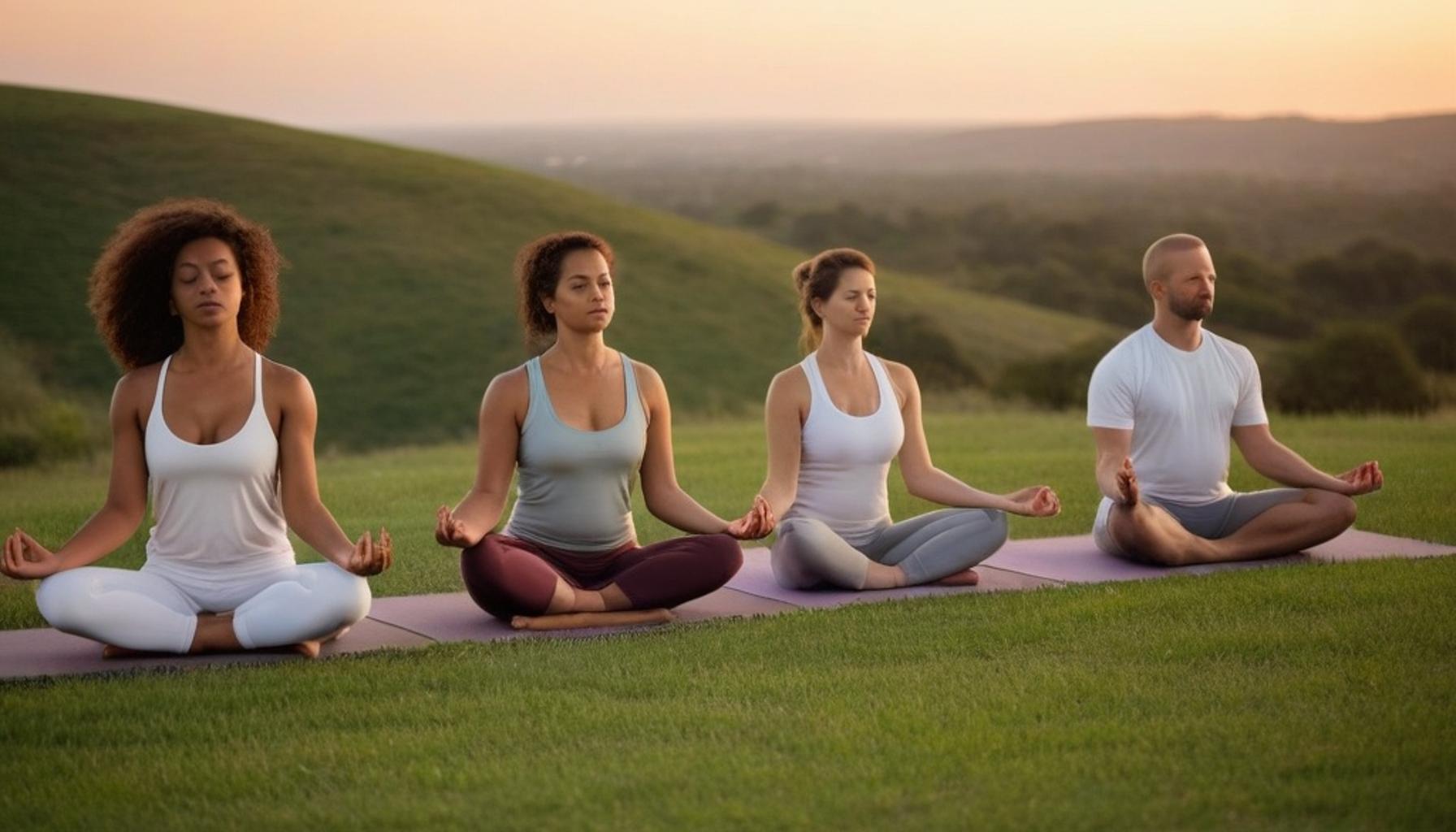
The Influence of Physical Activity on Sleep Quality: How Exercise Can Improve Rest

Why Millions of Americans Are Turning to Fitness for Better Rest
Nearly one-third of American adults report not getting enough sleep, according to the CDC. That means roughly 84 million people across the country are waking up groggy, relying on caffeine to get through the day, and searching for solutions that actually work. At the same time, a growing body of research points to a surprisingly simple fix hiding in plain sight: movement.
The connection between exercise and sleep quality is no longer just a gym myth whispered by personal trainers. Scientists have found measurable links between regular workouts and deeper, more restorative rest, with some studies showing improvements in sleep onset time by as much as 55% among adults who exercise consistently.
What This Article Uncovers
This piece explores how exercise improves sleep, breaking down the science behind why a jog around the block, a spin class in Los Angeles, or a session at the local rec center in a small Midwest town might be more powerful than a sleeping pill. Researchers at institutions like Johns Hopkins have spent years studying this relationship, and their findings are reshaping how doctors talk to patients about insomnia.
- The biological mechanisms linking physical activity and rest, including changes in body temperature, cortisol levels, and circadian rhythms
- Specific benefits of exercise on sleep cycles and duration, from deeper REM cycles to fewer nighttime awakenings
- Practical sleep quality tips backed by research, including timing workouts for maximum benefit
- The measurable impact of fitness on sleep disorders like insomnia, chronic fatigue, and even sleep apnea symptoms
From weekend warriors training for a 5K in Central Park to office workers in Chicago squeezing in a lunchtime walk, the evidence suggests that consistency matters more than intensity. You don’t need to run marathons or lift heavy weights to notice a difference; even moderate, regular movement appears to send powerful signals to the brain that regulate sleep-wake cycles.
What follows is a closer look at the data, the habits worth adopting, and the surprising ways your daytime choices, from how much you walk to when you exercise, shape your nighttime rest in ways many Americans have yet to discover.
YOU MAY ALSO LIKE: Foods and Beverages that Impact Sleep Quality
The Science Behind the Sweat: How Your Body Clock Responds to Movement
To understand how exercise improves sleep, it helps to look inside the body’s internal thermostat. When you engage in physical activity, your core body temperature rises, sometimes by as much as two full degrees during a vigorous session. Several hours later, that heat dissipates, and the drop mimics the natural cooling process your body undergoes right before sleep onset. This is not a subtle effect; it is a measurable physiological shift that researchers can track with sleep lab equipment.
This temperature dip is not a coincidence. Sleep researchers at Johns Hopkins have identified it as one of the key biological signals that tells your brain it’s time to wind down. Skip the workout, and that signal weakens, leaving your body less certain about when the day should end and rest should begin. Over time, this ambiguity can contribute to the fragmented, shallow sleep patterns so many Americans quietly struggle with.
Cortisol, Circadian Rhythms, and the Chemistry of Rest
Exercise also plays a direct role in regulating cortisol, the hormone responsible for keeping you alert during the day. Regular physical activity and rest patterns work together to lower baseline cortisol levels over time, making it easier for the body to relax once the sun goes down. Think of cortisol as an internal alarm bell; the goal is not to silence it completely, but to make sure it rings on schedule rather than at random hours of the night.
At the same time, consistent movement helps synchronize your circadian rhythm, the internal 24-hour clock that dictates when you feel awake and when you feel drowsy. A jog at 7 a.m. in Denver or a brisk walk through a park in Atlanta does more than burn calories; it anchors your body’s schedule, reinforcing the natural rise and fall of melatonin production. Even a quick lunchtime walk near an office in Chicago can send a similar signal, especially when combined with exposure to natural daylight.
Researchers have also documented several other physiological changes linked to exercise and sleep quality, including:
- Reduced anxiety and nervous system arousal, both common culprits behind racing thoughts at bedtime
- Increased production of adenosine, a compound that builds sleep pressure throughout the day
- Improved oxygen circulation, which supports deeper, uninterrupted sleep stages
- Better regulation of blood sugar levels, preventing the middle-of-the-night wake-ups tied to glucose crashes
Why This Matters More Than Ever
With sedentary jobs and screen-heavy evenings becoming the norm across the United States, the natural cues that once regulated human sleep have grown quieter. The impact of fitness on sleep becomes especially clear when comparing populations: active adults consistently report fewer nighttime awakenings and faster sleep onset compared to those who remain largely inactive throughout the day. Some studies suggest active individuals fall asleep up to fifteen minutes faster on average, a gap that compounds significantly over a year.
None of this requires an elite training regimen. The data suggests that even moderate movement, sustained over weeks and months, is enough to trigger these biological shifts. What matters is not how hard you push during a single session, but whether you show up consistently, a theme that continues to surface throughout sleep research nationwide, from university labs in Boston to wellness clinics in Los Angeles.
RECOMMENDED: Relaxation Techniques to Improve Sleep Quality
Timing Your Workouts: Finding the Sweet Spot for Better Rest
Not all exercise sessions deliver equal benefits of exercise on sleep. Timing turns out to be just as important as consistency, and this is where many well-intentioned fitness plans quietly go wrong. A high-intensity spin class at 9 p.m. might feel productive, but it can leave your nervous system too revved up for sleep to arrive on schedule.
Sleep specialists generally point to a window ending about two to three hours before bedtime as the cutoff for vigorous activity. Someone in New York City heading to bed at 11 p.m. would ideally wrap up an intense workout by 8 or 8:30 p.m. This allows core temperature and adrenaline levels enough time to settle before the body attempts to power down.
Morning Movement Versus Evening Sweat Sessions
Morning workouts carry a distinct advantage tied to light exposure. Exercising outdoors shortly after sunrise, whether that’s a run along the Charles River in Boston or a cycling loop through a Phoenix suburb, pairs physical exertion with natural light, a combination that reinforces circadian signaling far more effectively than either factor alone.
That said, evening exercise is not automatically harmful. Lower-intensity activities like yoga, stretching, or a relaxed walk after dinner can actually support physical activity and rest without triggering the stimulating effects associated with intense cardio. The distinction lies in intensity, not simply the clock.
- Morning cardio sessions tend to advance the sleep-wake cycle, helping night owls shift toward earlier bedtimes
- Evening strength training, if kept moderate, shows minimal disruption to sleep onset in most studies
- Late-night high-intensity interval training remains the most consistent disruptor of deep sleep stages
How Much Exercise Actually Moves the Needle
A frequent question among people researching sleep quality tips involves dosage. The Centers for Disease Control and Prevention recommends 150 minutes of moderate aerobic activity weekly, and sleep researchers have found this exact threshold correlates with measurable improvements in sleep efficiency.
A 2021 analysis published in the Journal of Clinical Sleep Medicine tracked participants who gradually increased weekly activity from near zero to just over two hours. Reported sleep quality scores improved by nearly 65 percent within four months, without any changes to diet or bedtime routines. That’s a substantial shift attributable to movement alone.
Interestingly, more is not always better. Endurance athletes training for marathons in cities like Chicago or San Diego sometimes report disrupted sleep during peak training weeks, likely tied to elevated cortisol from overtraining. This suggests a threshold effect, where moderate, sustainable activity outperforms extreme exertion when the goal is genuinely restorative sleep.
Bringing It All Together: Movement as Medicine for Sleep
The connection between exercise and sleep quality isn’t a minor wellness footnote, it’s one of the most accessible tools available for improving nightly rest. Across cities from Seattle to Miami, the data tells a consistent story: bodies that move regularly tend to sleep more efficiently than those that don’t.
What makes this relationship compelling is how many variables actually matter. It’s not simply about logging miles or minutes. Timing, intensity, and consistency all interact to determine whether a workout helps or hinders that night’s rest.
Understanding how exercise improves sleep means recognizing there’s no single formula. A retiree walking briskly through a local park each morning may see similar sleep benefits to a younger professional lifting weights three evenings a week, provided both stay within that moderate, sustainable zone researchers keep pointing toward.
Practical Takeaways Worth Remembering
- Aim for roughly 150 minutes of moderate activity weekly rather than sporadic intense sessions
- Finish vigorous workouts at least two to three hours before bedtime
- Favor morning or early evening sessions when outdoor light exposure is possible
- Watch for signs of overtraining, since excessive exertion can backfire on rest
The broader impact of fitness on sleep extends beyond simply falling asleep faster. Regular movement influences sleep architecture itself, lengthening the deep, restorative stages the body relies on for recovery and cognitive function.
For anyone still relying on medication or endless scrolling through sleep quality tips without addressing daily activity levels, the research suggests a simpler starting point. Before adding another supplement or gadget, consider whether a daily walk, a cycling habit, or a few strength sessions might do more heavy lifting than expected. Sometimes the most effective prescription isn’t found in a bottle, it’s found in motion.
Frequently Asked Questions
What time of day is best to exercise for improving sleep quality?
Morning or early afternoon workouts tend to have the most positive effect on sleep quality because they align with your body’s natural cortisol rhythm and allow enough time for core temperature to drop before bed. Exercising too close to bedtime, especially high-intensity workouts, can raise adrenaline and body temperature, making it harder to fall asleep. If evening is your only option, try to finish vigorous exercise at least 1 to 2 hours before bed.
How much exercise do I need to see improvements in my sleep quality?
Research suggests that at least 30 minutes of moderate aerobic activity, such as brisk walking or cycling, most days of the week can noticeably improve sleep quality and reduce the time it takes to fall asleep. Consistency matters more than intensity, since regular movement over several weeks produces more reliable results than a single intense workout. Even shorter sessions of 10 to 15 minutes can help if done consistently.
Can exercise help with insomnia or other sleep disorders?
Yes, regular physical activity has been shown to reduce symptoms of insomnia by lowering anxiety, regulating circadian rhythms, and promoting deeper, more restorative sleep stages. Studies indicate that both aerobic exercise and resistance training can decrease the severity of chronic insomnia over time. However, exercise and sleep quality improvements are usually gradual, so it may take several weeks of consistent activity to notice significant changes.
What types of exercise are most effective for better sleep?
Aerobic activities like walking, running, swimming, and cycling are particularly effective for enhancing exercise and sleep quality because they help regulate stress hormones and promote physical tiredness. Strength training and yoga also contribute by reducing muscle tension and calming the nervous system before bedtime. Combining both cardio and low-impact activities like stretching or yoga often provides the most balanced benefits for rest.

Linda Carter
Linda Carter is a writer specializing in healthy habits and balanced living. With extensive experience helping readers build sustainable routines, she shares practical guidance on nutrition, physical activity, quality sleep, stress management, and emotional well-being. Her goal is to offer simple, accessible strategies that inspire people to care for their health and enjoy a more balanced life.