Visual Arts Impact on Personal and Emotional Growth Explore the Influence
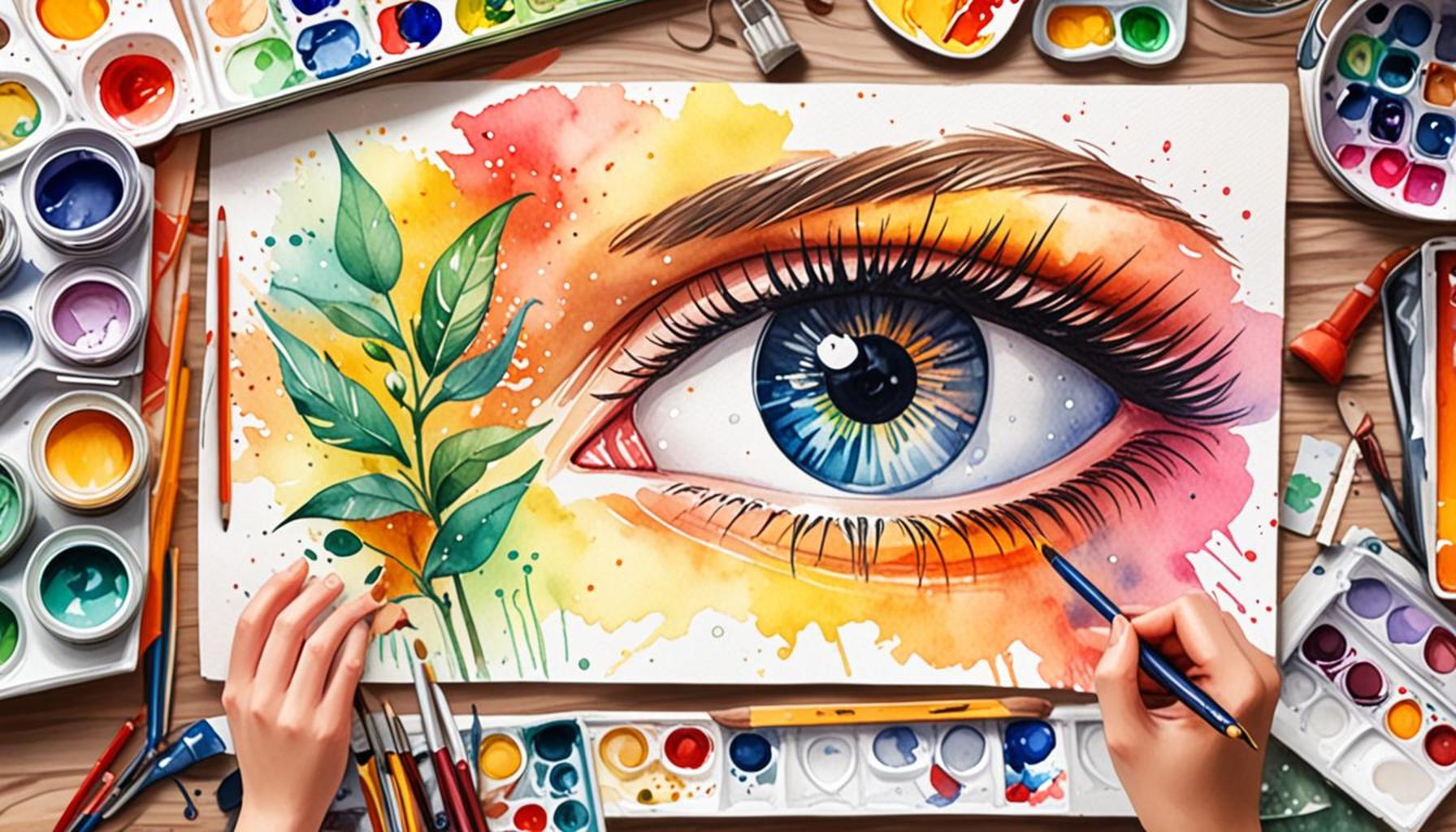
Engaging with visual arts goes beyond mere expression; it plays a crucial role in shaping personal and emotional well-being. From painting to photography, creative hobbies have become increasingly recognized for their therapeutic benefits and capacity to foster self-discovery. As we delve into the connection between art and personal growth, we’ll uncover how these activities help in cultivating emotional intelligence and resilience.
The impact of visual arts on individuals is significant, offering a myriad of pathways to enhance creativity and self-reflection. Consider the following benefits:
- Emotional expression: Art serves as a safe outlet for emotions, helping individuals process feelings.
- Increased mindfulness: Creating art encourages present-moment awareness, reducing anxiety and stress.
- Social connections: Participating in art communities fosters relationships and collaboration.
In this article, we will explore the top 5 influences of visual arts on personal and emotional development. Whether you’re a seasoned artist or a novice, understanding these connections may inspire you to incorporate more creativity into your life.
Top 5: The Influence of Visual Arts on Personal and Emotional Development
Visual arts, encompassing painting, sculpture, photography, and mixed media, have been a pivotal part of human culture for centuries. Their ability to transform, heal, and shape human experience extends beyond mere aesthetics. As individuals engage with art, whether through creation or appreciation, they unlock pathways to personal growth and emotional well-being. This article delves into the top five ways visual arts influence personal and emotional development, offering insights into the profound impact of this creative medium.
5. Cultivating Patience and Discipline
Engaging in visual arts is not a sprint; it is a marathon that requires dedication, patience, and discipline. Painting, sculpting, or any form of artistic expression demands technical skill and a methodical approach. As artists work through various stages of their projects—from inception to completion—they learn to embrace patience. The process often involves repetitive tasks, refining details, and practicing techniques, driving individuals into a deeper engagement with their work.
This cultivation of patience spills over into everyday life, enhancing focus and dedication in non-artistic challenges. For instance, individuals find that the persistence required to complete a detailed painting can improve their ability to tackle tedious tasks at work. Engaging with art becomes a rehearsal ground for life’s challenges, aiding in personal development beyond the confines of the studio. Recent studies have highlighted how people involved in the arts report improved concentration and a heightened sense of accomplishment, proving that the skills garnered through art are applicable to career pursuits and personal relationships alike.
4. Enhancing Emotional Expression
The canvas is often said to speak where words fail. Visual arts provide a unique platform for emotional expression, allowing individuals to channel their feelings creatively. This form of expression is invaluable, particularly when grappling with emotions that are difficult to verbalize. Artists have the freedom to convey complex emotions such as joy, sadness, anger, and love through the colors, forms, and textures of their work. This process serves as a therapeutic outlet, aiding in emotional regulation and providing a release that leads to inner peace.
Many iconic artists used their work as a mirror to their emotional journeys. Vincent van Gogh, for instance, created pieces that not only highlighted his artistic genius but also documented his intense emotional states and mental health struggles. By painting his emotions, van Gogh—and artists like him—create a cathartic pathway for self-discovery and healing. This practice extends to everyday creators and hobbyists who find solace in detailing their emotions through art after a day filled with life’s stresses and challenges.
3. Building Self-Confidence
Visual arts are inherently experimental and filled with trial and error. As artists navigate this process, they learn to overcome failures and embrace their unique styles. Each completed piece of art, regardless of how it is perceived externally, marks a personal achievement that incrementally builds self-confidence. This sense of accomplishment, when compounded over time, significantly boosts self-esteem and encourages individuals to push the boundaries of their creativity further.
Participating in art exhibitions or sharing work on social media platforms can further bolster confidence. The act of presenting one’s work for feedback and recognition can validate an individual’s talent and hard work, fostering a sense of pride and belonging. Constructive criticism becomes a tool for growth, promoting a mindset that is receptive to learning and self-improvement. Art classes and community workshops, in particular, offer supportive environments where individuals can connect with like-minded peers, share experiences, and cultivate an enriching sense of community.
2. Fostering Creative Problem-Solving Skills
Creating art involves a multitude of decision-making processes, encouraging artists to think both critically and creatively. Each artistic endeavor requires selecting palettes, interpreting themes, and constructing compositions that breathe life into a concept. The need to solve unpredictable challenges within an artwork cultivates creative problem-solving skills that extend well beyond visual arts.
Research has illustrated that artistic activities enhance cognitive abilities related to creativity, which are invaluable in tackling challenges across various domains—from business strategies to scientific research. These skills teach individuals to approach problems with flexibility, open-mindedness, and an innovation-driven outlook. This kind of thinking is increasingly sought after in today’s dynamic world and is highly advantageous in a myriad of professional fields, where innovation and adaptability are key drivers of success.
1. Promoting Mental Health and Well-Being
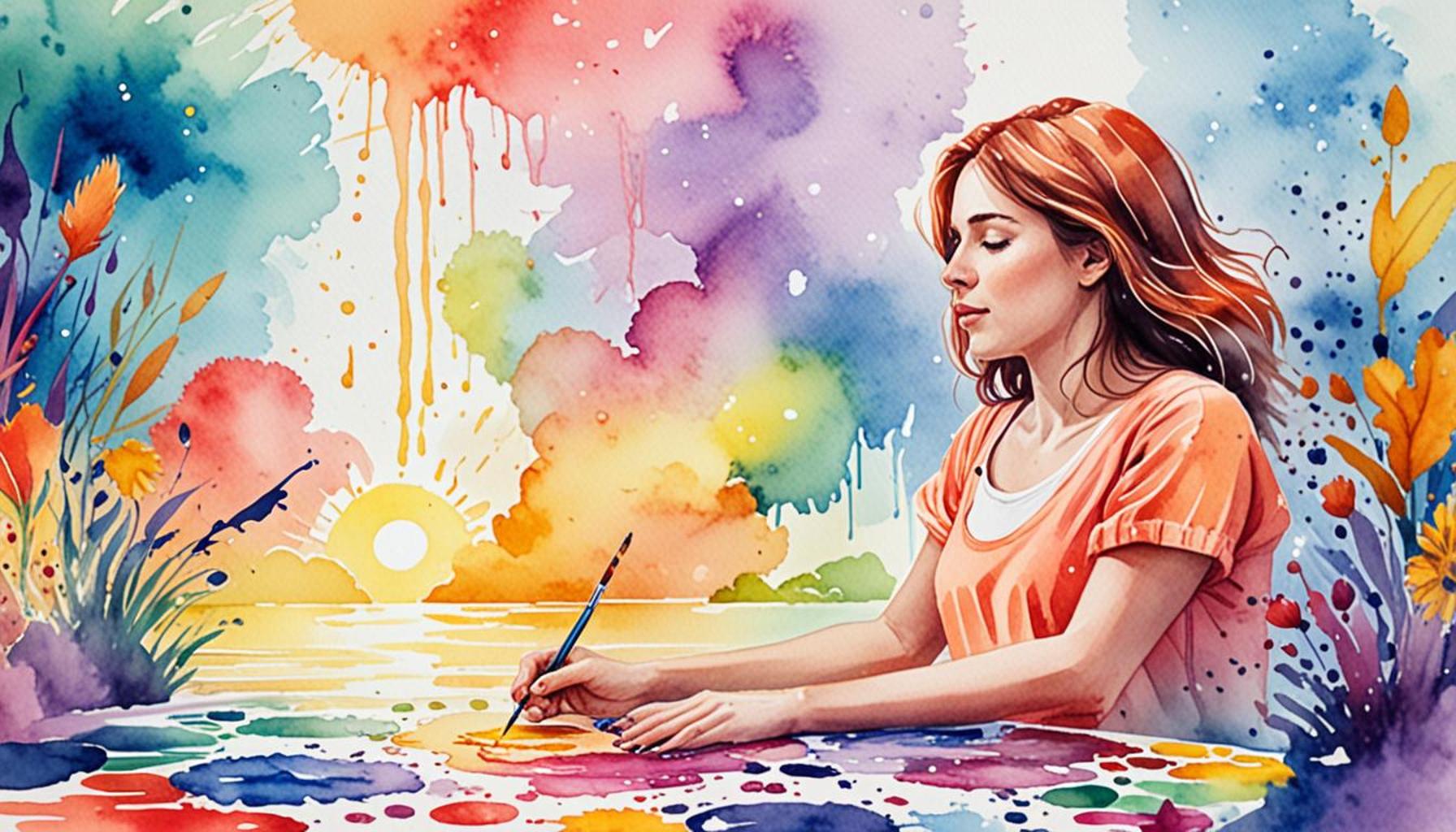
At the forefront of the impact of visual arts is its profound influence on mental health and well-being. Engaging with art has been consistently shown to lessen symptoms of stress, anxiety, and depression, making it a powerful tool for enhancing mental well-being. The creative process serves as a meditative practice that shifts focus away from negative thought patterns, leading artists into a state of peace and relaxation.
Art therapy is recognized as a valuable form of treatment that harnesses creative expression to help individuals process emotions and overcome trauma. Participants in art therapy report increased happiness, enhanced emotional regulation, and a sense of fulfillment, all of which contribute to an overall improvement in mental health. Engaging with visual arts not only relieves psychological burdens but also facilitates a journey of self-exploration and growth.
- Creating and interacting with visual arts is linked to positive mental health outcomes.
- Art serves as a vessel for emotional regulation and personal expression.
- Engagement in artistic endeavors offers effective therapeutic benefits.
In conclusion, the influence of visual arts on personal and emotional development is far-reaching and multifaceted. From the cultivation of discipline and patience to the enhancement of creativity and mental health, the positive impact of art is undeniable. Whether you are an artist, a patron, or someone who simply enjoys the beauty of visual arts, appreciating its influence on your life can open new avenues for personal and emotional growth.
The impact of visual arts on personal and emotional development extends far beyond mere appreciation of aesthetics. Engaging with visual arts fosters a deeper understanding of oneself and others, creating a platform for emotional expression and cognitive growth. Visual arts, including painting, sculpture, and photography, serve as powerful tools for self-reflection. Individuals often find that the act of creating or engaging with art can provide insight into their emotions, motivations, and internal conflicts. Moreover, art therapy has emerged as an essential practice, utilizing artistic expression as a means to address mental health challenges. It allows individuals to communicate feelings that are often difficult to articulate verbally, facilitating healing and personal growth.Moreover, the visual arts play a pivotal role in enhancing creativity. Creativity is not only crucial for artistic endeavors; it also promotes problem-solving skills and innovative thinking in various life aspects. Exposure to visual stimuli can inspire individuals to think outside the box, leading to new ideas and perspectives. Studies indicate that individuals engaged in creative activities demonstrate improved adaptability and resilience, qualities indispensable in today’s fast-paced world.Collaboration in artistic endeavors also fosters social skills. Group projects or community art initiatives encourage teamwork, communication, and mutual understanding among participants. These shared experiences can create a sense of belonging and connectedness, which is essential for emotional well-being. As individuals express themselves and learn from others, they develop empathy—a crucial component in personal and interpersonal growth.Furthermore, immersing oneself in visual arts can significantly impact mental health by reducing stress and improving mood. Engaging in artwork can serve as a form of meditation, allowing individuals to escape from the pressures of everyday life. Research has shown that involvement in the arts can lower cortisol levels, the body’s stress hormone, resulting in a calmer and more focused mind.Art appreciation, including visiting galleries or museums, broadens cultural horizons and nurtures respect for diversity. Witnessing various artistic styles and narratives allows individuals to explore different cultures and experiences, enhancing their ability to empathize and connect with people from diverse backgrounds. This cultural awareness contributes significantly to emotional intelligence, a vital skill for navigating today’s global society.In summary, the influence of visual arts on personal and emotional development is multifaceted and profound. From fostering creativity and self-reflection to enhancing social skills and reducing stress, the arts offer unparalleled opportunities for growth and enrichment in today’s complex world. Embracing these art forms not only cultivates individual well-being but also nurtures a more connected and compassionate society.
Frequently Asked Questions about the Influence of Visual Arts on Personal and Emotional Development
What is the role of visual arts in personal development?
The role of visual arts in personal development is quite significant. Visual arts can serve as a medium for self-expression, allowing individuals to communicate thoughts and emotions that might otherwise remain unspoken. Engaging in creative activities stimulates the brain, fostering problem-solving skills and enhancing cognitive abilities. Studies have shown that individuals who participate in art-related activities can experience improved mental agility and even increase their emotional intelligence.
How can visual arts contribute to emotional well-being?
Visual arts can have a profound impact on emotional well-being by providing a therapeutic outlet for expression. Creating or even appreciating art can help reduce stress, alleviate anxiety, and mitigate the effects of depression. This is largely attributed to the calming effect that creative processes have on the mind, fostering a sense of mindfulness and relaxation. The visual arts can also evoke empathy and emotional connections, enabling individuals to reconceptualize their problems and cope with personal challenges more effectively.
Can visual art therapy be beneficial for everyone?
Yes, visual art therapy can be beneficial for individuals of all ages, from children to adults. Art therapy is designed to encourage self-discovery and insight through the creation of visual artwork. It can be particularly effective for those who struggle to verbalize their feelings or need assistance in processing complex emotions. The structured environment of art therapy sessions, guided by trained professionals, helps individuals to explore their inner experiences in a safe and supportive setting, facilitating personal growth and healing.
Is there scientific evidence supporting the impact of visual arts on emotional health?
Yes, there is a growing body of scientific evidence that supports the positive impact of visual arts on emotional health. Numerous studies have demonstrated that engaging with the arts can lead to enhancements in mood and reductions in stress hormones such as cortisol. Furthermore, artistic activities are found to activate brain reward pathways, contributing to feelings of satisfaction and well-being. The medical and psychological fields are increasingly recognizing the value that creative practices bring to holistic approaches in mental health care.
Conclusion: The Transformative Power of Visual Arts
Visual arts have proven to be an indispensable element in fostering personal and emotional development. Throughout this article, we have explored various facets highlighting how engaging with the arts can profoundly impact one’s life. From boosting creativity to enhancing emotional well-being, visual arts serve as a catalyst for personal transformation.
One of the key takeaways is the understanding that visual arts act as a therapeutic outlet. By providing individuals with a means to express themselves beyond words, these creative endeavors offer a safe space to explore emotions and gain insight into personal experiences. The act of creating art or simply observing it can lead to increased self-awareness and emotional resilience.
Furthermore, participation in visual arts activities nurtures creativity and cognitive abilities. Artists and enthusiasts alike sharpen their problem-solving skills and develop lateral thinking by encountering and interpreting different perspectives. Such skills are invaluable, not only in artistic pursuits but also in everyday life and professional contexts.
Social connections and cultural appreciation are additional benefits brought forth by the arts. Engaging in visual arts can bridge gaps between diverse communities, fostering empathy and understanding. It strengthens bonds as individuals come together to share their experiences through creative expression.
Final Thoughts: An Invitation to Exploration
In conclusion, the influence of visual arts extends beyond mere aesthetic appreciation. It is a multifaceted vehicle for personal growth, emotional healing, and social cohesion. We encourage readers to delve deeper into this subject and explore how visual arts might play a role in their own creative hobbies. By embracing the arts, one can unlock a wellspring of potential, leading to a more fulfilled and enriched life. The invitation stands: let visual arts be your guide on a journey toward self-discovery and emotional prosperity.