Exploring the Intersection of Art and Tech How Digital Tools Transform Art
Creativity in the Digital Age
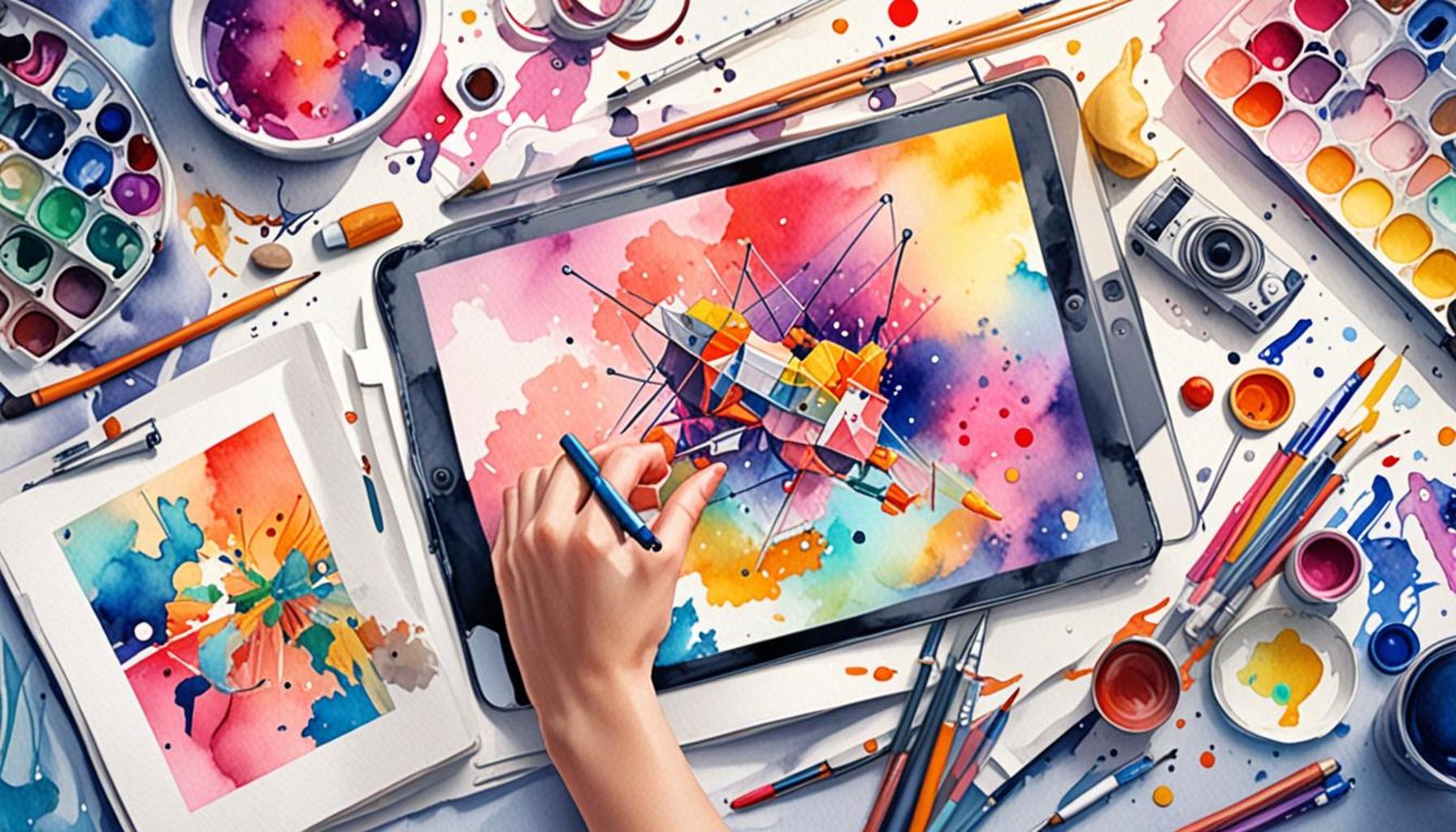
As technology continues to evolve, it reshapes the way we define and create art. The intersection of art and technology has sparked a revolution in creative hobbies, allowing artists to explore unimaginable avenues of expression. Digital tools are not just enhancing traditional art forms but are also creating entirely new genres and styles.
Why This Matters
Understanding how technology impacts the art world is crucial for both creators and enthusiasts alike. Here are a few reasons why this topic is particularly relevant:
- Accessibility: Digital tools democratize art-making, enabling anyone to create without the constraints of cost or location.
- Innovation: Artists are leveraging technology to push boundaries, leading to groundbreaking works that challenge conventional aesthetics.
- Collaboration: Technology fosters collaboration across disciplines, merging art with science, engineering, and beyond.
What to Expect
In this article, we invite you to explore the profound impact of digital tools on artistic practices. Prepare to discover our ranking of the Top 5 digital tools that are transforming how art is created and experienced today. Each selection highlights innovative applications that redefine creativity in the 21st century.
Top 5: Exploring the Intersection of Art and Technology: How Digital Tools Are Transforming Artistic Practices
The fusion of art and technology has ushered in a revolutionary era, reshaping how humans create, experience, and interpret art. This integration is not a futuristic ideal but a present reality, where digital tools are key drivers of innovation across all artistic disciplines. As conventional methods of artmaking evolve, so too do the ways we understand and engage with them. Here, we delve into the top five ways digital tools are transforming artistic practices, presented from least to most impactful.
5. Accessibility of Artistic Tools
One of the most significant advantages of digital technology is the heightened accessibility of artistic tools. In the not-so-distant past, aspiring artists often encountered formidable barriers such as the cost of art supplies, canvases, studio rentals, or specialized training.
Today, software like Procreate, Krita, and Blender offers cost-effective or free alternatives that empower anyone with a computer or tablet to unleash their creativity. This democratization means that the gates to art creation are flung wide open for people from diverse socioeconomic backgrounds. Emerging artists now have a platform to express perspectives that were previously stifled by financial constraints. What’s more, the internet functions as a global showcase through platforms like DeviantArt and Behance, allowing artists to exhibit their work to an expansive audience.
However, this democratization is not without its challenges. It poses questions concerning digital ownership—how does one protect or claim ownership over digital art that may be easily replicated or shared without credit? Moreover, increased quantity doesn’t always equate to quality, raising debates about maintaining qualitative integrity in digital mediums.
4. Enhanced Collaboration and Community Building
The digital domain has also revolutionized collaboration and community building among artists. In the past, being part of an artistic community often meant living in a major cultural hub or city, where creative minds gathered to share insights and inspiration.
Today, platforms such as Discord, Slack, and ArtStation break down these geographical barriers, enabling artists from around the globe to connect, collaborate, and critique each other’s work. These forums provide fertile ground for exchanging ideas, critiquing works-in-progress, and embarking on joint projects without the need for physical proximity.
Communities often host online workshops, challenges, and collaborative exhibitions, engaging global audiences and fostering an environment of continuous learning and creative exchange. Yet, as artists tap into these vast pools of shared knowledge, there’s a concern that distinctive styles might subdue under popular trends, leading to artistic homogenization where individual expression is lost in the sea of shared aesthetics.
3. Innovative Techniques and Mediums
Digital technology serves as a catalyst for innovative techniques and new mediums, which redefine traditional art forms. Artists now venture into the realms of 3D modeling, animation, virtual reality (VR), and augmented reality (AR) to create experiences that transcend conventional boundaries.
Tools such as the Adobe Creative Suite, Unity, and AR Filters unlock new storytelling avenues. Films, video games, and interactive art experiences deeply engage audiences, allowing them to become participants rather than mere spectators. Consider the impact of 3D printing in the art world: digital files transform into physical sculptures, bridging the gap between imagination and tangibility.
These cutting-edge techniques not only amplify artistic creativity but also challenge artists to explore uncharted territories. Mixed media installations and interactive experiences urge audiences to actively engage with art, offering a personal journey through artistic expression rather than a passive visual encounter. As artists harness these tools, they redefine the possibilities of art and creativity.
2. Preservation of Artistic Heritage
The role of technology in the preservation of artistic heritage is monumental as it ensures that the breadth of human creativity is not lost to the ravages of time. Digital archiving allows for the storage and reproduction of masterpieces that might otherwise degrade or be destroyed.
Institutions are increasingly adopting techniques such as high-resolution digitization to create accurate records of artworks, manuscripts, and cultural artifacts. Virtual reality and digital archives have opened up museum experiences to global audiences, democratizing access to cultural heritage regardless of geographic or socioeconomic constraints.
Though the digitization of art offers expansive possibilities, it also provokes important questions. How do we preserve the authenticity of artworks when presented through screens? What becomes of the physical experience of art, renowned for its capacity to convey presence and scale, in purely digital formats? These questions invite ongoing discussions as the art world confronts the complexities brought forth by technological evolution.
1. The Future of Creation: Artificial Intelligence and Beyond
Perhaps the most groundbreaking development in the intersection of art and technology is the incorporation of artificial intelligence (AI). AI systems are now capable of generating art autonomously or enhancing human creativity through tools such as DeepArt and DALL-E.
This synergy between human creativity and machine precision creates a new realm of artistic exploration, where AI functions as a collaborator in the creative process. It redefines notions of authorship and creativity, challenging traditional perceptions of what it means to be an artist. As questions arise regarding the ethical implications of AI in creating art, introspection emerges around originality, intellectual property, and the evolution of the artist’s role.
The dialogue around AI’s impact on art is just beginning, promising a future ripe with potential and innovation. As AI technologies evolve, they invite us to reconsider the lines between technology and human ingenuity, suggesting an exciting, dynamic transformation in artistic landscapes.
As we navigate the intersection of art and technology, it becomes evident that this collaboration nurtures inclusivity, innovation, and engagement, securing a vibrant future for artistic expression. The amalgamation of these transformative elements will undoubtedly continue to shape how we create and appreciate art in the years to come.
| Category | Description |
|---|---|
| Digital Accessibility | Digital tools enhance accessibility for both artists and audiences, breaking geographical barriers and democratizing access to art. |
| Interactive Art Installations | The integration of technology fosters interactive engagement, allowing viewers to participate in and shape their artistic experience through digital mediums. |
| Data-Driven Art | Artists utilize big data to influence and inspire their creations, transforming raw data into visualistic interpretations that challenge traditional notions of artwork. |
| Virtual Exhibitions | Online platforms allow for virtual exhibitions, giving artists new spaces to showcase their work without the limitations of physical galleries, bringing art to wider audiences. |
Frequently Asked Questions (FAQs) about the Intersection of Art and Technology
How are digital tools transforming traditional art forms?
Digital tools are revolutionizing traditional art forms by providing artists with new mediums and techniques. These tools allow for the creation of interactive and immersive experiences that were previously impossible with traditional methods. For instance, virtual reality and augmented reality are enabling artists to create 3D environments where viewers can engage with art on a new level. Additionally, software such as digital painting and design tools offer artists precision and versatility that enhance their creative processes.
Can digital art be considered ‘real art’?
This is a question of ongoing debate among art critics and enthusiasts. However, many argue that digital art is indeed ‘real art’ as it requires the same level of creativity, vision, and skill. The use of technology does not diminish the artistic value; instead, it expands the possibilities for artists to express their ideas. As digital art gains recognition, it continues to challenge traditional notions and broaden the definition of art.
What role do artificial intelligence (AI) and machine learning play in art creation?
AI and machine learning are having a profound impact on the art world by acting as both tools and collaborators in the artistic process. Artists are using AI algorithms to generate unique patterns, music, and even entire artworks. These technologies provide new ways to explore creativity, as AI can analyze vast amounts of data to inspire or even autonomously create art. This raises questions about the nature of authorship and the relationship between machines and human creativity.
Are digital art practices sustainable for artists in the long term?
The sustainability of digital art practices depends on several factors. Digital platforms offer artists new revenue streams, such as selling digital artworks as NFTs (Non-Fungible Tokens). This approach can provide artists with robust, decentralized means of monetizing their work. However, artists must adapt to the fast-paced changes in technology and continuously update their skills to remain relevant. While challenging, this environment also offers immense potential for those who embrace innovation.
How is technology altering the relationship between the artist and the audience?
Technology is bridging the gap between artists and their audiences by allowing for greater interaction and collaboration. Social media platforms and live-streaming services enable artists to communicate directly with their viewers, receiving immediate feedback and fostering a sense of community. Interactive installations and digital exhibitions allow audiences to become part of the artwork, transforming passive observers into active participants. This evolving relationship is reshaping how art is experienced and appreciated.
Conclusion
In exploring the intersection between art and technology, it becomes evident that digital tools are not just transforming artistic practices but also revolutionizing our understanding of creativity itself. Artists today are presented with a vast array of technological resources that extend their creative boundaries and enable them to conceive works unimaginable in previous eras. From virtual reality experiences that offer immersive storytelling to AI-generated artworks that challenge our perception of authorship, the impact of technology on art is profound.
One of the main takeaways from this exploration is the democratization of art creation and distribution. Digital platforms allow artists to reach global audiences, breaking geographical and cultural barriers. Additionally, technology enables more interactive and participatory art forms, inviting audiences not just to consume but to engage and co-create. As a result, the traditional distinctions between artist and audience, as well as between different art forms, are increasingly blurred.
Furthermore, technology provides new tools for preservation and documentation, ensuring that artworks can endure and remain accessible for future generations. This intersection is not without its challenges, leading to discussions about digital authenticity, intellectual property, and the role of human agency in art created or enhanced by algorithms.
The ever-evolving dialogue between art and technology is a crucial theme in the contemporary creative landscape. As these fields continue to merge, they promise to open new avenues of expression and inspire novel creative hobbies. Artists, technologists, and audiences are encouraged to delve deeper into this dynamic interplay, pushing the boundaries of what is possible and reimagining the future of art in the digital age.